Computer Bag
CN → US| HS Code | Tariff Rate | Origin | Destination | Doc |
|---|---|---|---|---|
| 3926909989 | 22.8% | CN | US | Official Doc |
| 4202923120 | 52.6% | CN | US | Official Doc |
| 4202128920 | 52.6% | CN | US | Official Doc |
Product Images
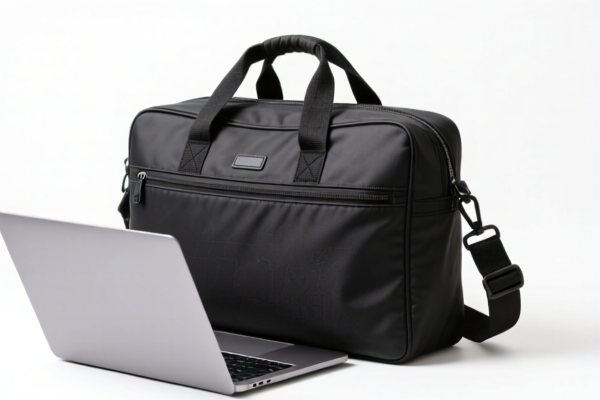
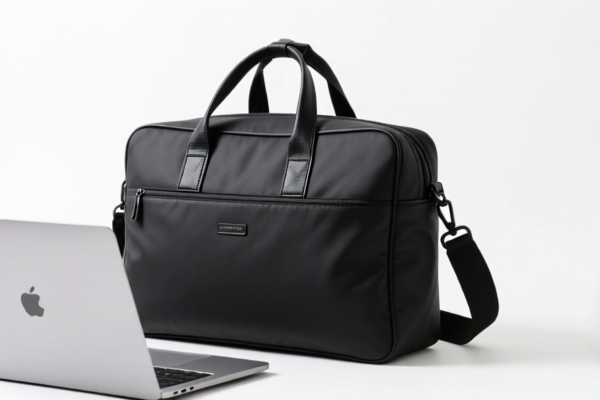
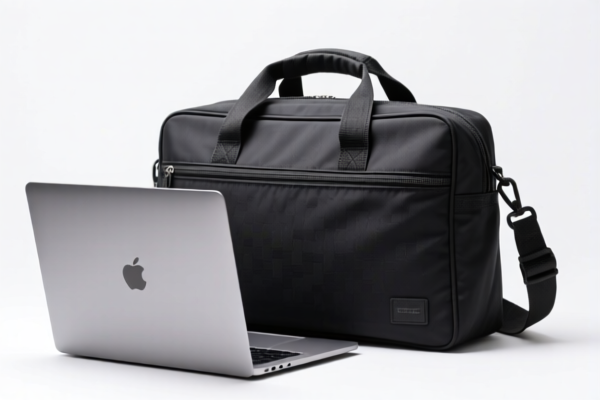
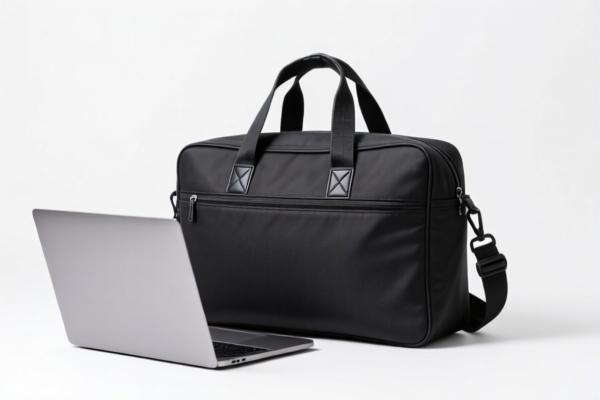
AI Analysis
🖥️ Computer Bag (Carrying Cases for Computers and Related Equipment)
🌐 HS Code Reference & Customs Clearance Guide | 2026 Latest Tariff Analysis | Pro-Level Import Strategy
📌 One, Product Definition & Classification: Do You Really Know What a "Computer Bag" Is?
A computer bag is a protective, portable carrying case designed specifically for laptops, tablets, accessories, and related electronic gear. In international trade, it's categorized under travel, sports, and similar bags based on function, material, and design.
⚠️ Key Differentiation Points:
- If made from textile materials (e.g., nylon, polyester, canvas) → likely HS 4202.92.31.20 or 4202.12.89.20
- If made from plastic or synthetic materials (e.g., PVC, polyethylene, TPU) → likely HS 3926.90.99.89
- If it has hard-shell structure, shock absorption, or integrated power bank → may still fall under these codes depending on material and primary function✅ Critical Rule:
- Material determines the HS code, not the use. A "laptop bag" made of plastic is not a textile bag — even if it holds a computer.
- No "computer bag" category exists in the HS system — it’s classified by material and structure, not content.
📦 Two, HS Code Classification Details (2026 Official Tariff Reference)
| HS Code | Product Description | Material Type | Typical Use Case | Key Feature |
|---|---|---|---|---|
3926.90.99.89 |
Other articles of plastic, not elsewhere specified — including bags and cases | Plastic, synthetic, or polymer-based | Lightweight, waterproof, rugged use (e.g., outdoor, industrial) | Not textile; may include hard-shell or molded design |
4202.92.31.20 |
Travel, sports, or similar bags — made of textile materials or plastic film | Textile (e.g., nylon, polyester) or plastic film | Laptop backpacks, briefcases, messenger bags, school bags | Most common for office, student, or travel use |
4202.12.89.20 |
Other bags with outer surface of textile materials | Textile outer layer (e.g., cotton, canvas, polyester fabric) | Professional briefcases, laptop totes, designer bags | Outer surface is textile — even if lining is plastic |
🔍 Critical Insight:
-4202.92.31.20and4202.12.89.20are both textile-based — the difference lies in structure and outer surface material.
-3926.90.99.89is for non-textile, plastic-based bags — even if used for computers.
- Do NOT assume that a "laptop bag" is always textile. Material is king.
💰 Three, 2026 Latest Tariff Breakdown (With Detailed Duty Clauses)
✅ Applicable Country: United States (US)
✅ Origin: China (CN)
✅ Effective Date: November 10, 2025 (and ongoing)
🎯 1. 3926.90.99.89 — Plastic-Based Bags (General Case)
| Item | Detail |
|---|---|
| Base Duty Rate | 5.3% (ad valorem) |
| Additional Tariff (Section 301) | +7.5% (from USITC Section 301 List 3) |
| Section 122 Tariff (IEEPA) | +10% (under International Emergency Economic Powers Act) |
| Total Effective Duty | 22.8% |
| Tax Calculation | CIF Value × 22.8% |
| De Minimis Threshold | ❌ Not eligible (denied due to 301/IEEPA status) |
| Legal Basis Path | IEEPA:9903.01.25 → Section 301:3926.90.99.89 → FOOTNOTE:9903.88.01 |
📌 Explanation:
- 5.3% = Standard base tariff for plastic articles not elsewhere specified
- +7.5% = U.S. Section 301 (China-specific) tariff on goods from China under List 3 (2019)
- +10% = IEEPA tariff — imposed under national emergency powers due to geopolitical concerns
- Total: 22.8% — low compared to textile bags, but still significant
🎯 2. 4202.92.31.20 — Travel/Sports Bags (Textile or Plastic Film)
| Item | Detail |
|---|---|
| Base Duty Rate | 17.6% |
| Additional Tariff (Section 301) | +25.0% |
| Section 122 Tariff (IEEPA) | +10% |
| Total Effective Duty | 52.6% |
| Tax Calculation | CIF Value × 52.6% |
| De Minimis Threshold | ❌ Not eligible |
| Legal Basis Path | IEEPA:9903.01.25 → Section 301:4202.92.31.20 → FOOTNOTE:9903.88.01 |
📌 Explanation:
- 17.6% = Base rate for textile or plastic film bags under HS 4202.92.31
- +25.0% = Highest Section 301 tariff rate — applied to textile-based bags from China
- +10% = IEEPA emergency tariff — applies to all China-origin goods under IEEPA
- Total: 52.6% — Extremely high — one of the highest tariffs in the entire tariff schedule
🎯 3. 4202.12.89.20 — Bags with Outer Surface of Textile Material
| Item | Detail |
|---|---|
| Base Duty Rate | 17.6% |
| Additional Tariff (Section 301) | +25.0% |
| Section 122 Tariff (IEEPA) | +10% |
| Total Effective Duty | 52.6% |
| Tax Calculation | CIF Value × 52.6% |
| De Minimis Threshold | ❌ Not eligible |
| Legal Basis Path | IEEPA:9903.01.25 → Section 301:4202.12.89.20 → FOOTNOTE:9903.88.01 |
📌 Explanation:
- Same as above — 52.6% — because it's textile-based and originates from China
- Even if the bag has a plastic lining or foam padding, as long as the outer surface is textile, it falls under this code
- No exceptions — material of outer surface is decisive
🛠️ Four, Customs Clearance Best Practices (Real-World Pro Tips)
✅ 1. Required Documentation (Must-Have Checklist)
| Document | Required? | Why It Matters |
|---|---|---|
| ✅ Product Specification Sheet | ✔️ | Shows material, dimensions, weight, design |
| ✅ Material Certificate (Textile/Plastic) | ✔️ | Proves outer surface material (critical for HS code) |
| ✅ High-Res Product Photos (with label) | ✔️ | Shows stitching, material texture, brand, model |
| ✅ Commercial Invoice | ✔️ | Must state: "Laptop Bag, Textile Outer, for Travel Use" |
| ✅ Certificate of Origin (CO) | ✔️ | If from Vietnam, Mexico, or Thailand → may qualify for lower tariffs |
| ✅ Packing List | ✔️ | Shows bag + accessories (e.g., shoulder strap, pockets) |
| ✅ Third-Party Test Report (if applicable) | ✔️ | For fire resistance, durability, or safety (e.g., UL, CE) |
✅ 2.申报技巧 (申报口诀)
🔥 "Material First, Use Second, Outer Surface Rules All!"
| Scenario | Correct HS Code | Wrong Approach |
|---|---|---|
| Plastic bag with laptop compartment | 3926.90.99.89 |
❌ Misclassified as textile → 52.6% |
| Nylon backpack with plastic lining | 4202.92.31.20 |
❌ Claimed as plastic → 22.8% |
| Canvas tote with polyester outer | 4202.12.89.20 |
❌ Called "plastic bag" → 22.8% |
| Bag with plastic film outer | 4202.92.31.20 |
✅ Correct — even if film, it's in the code |
| Bag with textile outer | 4202.12.89.20 |
✅ Correct — outer material defines code |
📌 Pro Tip:
- Never say "laptop bag" in the invoice — say "Travel Bag, Textile Outer, for Electronics"
- Use "outer surface of textile material" in description — this triggers the correct code
✅ 3. Special Cases & Solutions
| Situation | Recommended Action |
|---|---|
| Bag made in Vietnam/Mexico | Apply for Certificate of Origin — may qualify for 0% IEEPA and lower Section 301 rate |
| Bag with integrated power bank | Still classified by material — if textile → 4202.12.89.20 or 4202.92.31.20 |
| Bag used in military/medical | Apply for special use exemption — requires documentation |
| Bulk shipment of 1000+ units | Request Advance Ruling (Pre-Review) — avoid disputes |
🌍 Five, Global Market Comparison (2026)
| Country | Recommended HS Code | Base Duty | Additional Taxes | Certification Required | Notes |
|---|---|---|---|---|---|
| 🇺🇸 USA | 4202.92.31.20 / 4202.12.89.20 |
17.6% | +25% (301) +10% (IEEPA) = 52.6% | FCC, RoHS | Highest tariff — avoid China origin |
| 🇨🇳 China | 4202.92.31.20 |
5% | None | CCC | Low cost, but no export advantage |
| 🇪🇺 EU | 4202.92.31.20 |
0% | None | CE, REACH | No extra tariffs |
| 🇦🇺 Australia | 4202.92.31.20 |
5% | None | RCM | No 301/IEEPA |
| 🇯🇵 Japan | 4202.92.31.20 |
0% | None | PSE | No extra duties |
📌 Key Takeaway:
- Only the U.S. imposes 52.6% on textile computer bags from China
- All other major markets have 0–5% — shift production to Vietnam/Mexico to save costs
📌 Six, Common Mistakes & How to Avoid Them (Avoid Costly Penalties!)
❌ Mistake 1: Classifying a plastic computer bag as a textile bag
👉 Result: Pay 52.6% instead of 22.8% → 30% extra cost
❌ Mistake 2: Saying “laptop bag” in the invoice without specifying material
👉 Result: Customs may assume textile → 52.6% even if plastic
❌ Mistake 3: Not providing photos or material proof
👉 Result: Customs delays, requests reclassification, or rejects shipment
❌ Mistake 4: Using a Chinese origin for a textile bag → 52.6%
👉 Result: High risk of audit, penalties, or seizure
✅ Correct Approach:
“Travel Bag, Outer Surface: Polyester Fabric, Inner Lining: Plastic Film, Designed for Laptop & Accessories, Model XYZ, CE & RoHS Certified”
🎯 Seven, Conclusion: Accurate Classification = Cost Control
🎯 Remember the Golden Rule:
🔹 "Material Rules, Outer Surface Decides, Textile = 52.6%, Plastic = 22.8%"
🔹 "If it’s textile, it’s high tariff — even if it’s just a laptop bag!"
📌 Pro Tip:
✅ Move production to Vietnam, Mexico, or Thailand — if you want to avoid 301/IEEPA tariffs
✅ Apply for Advance Ruling (Pre-Review) — get official confirmation before shipping
✅ Use a customs broker with U.S. Section 301 expertise — avoid surprises
📣 Act Now!
📞 Contact a U.S.-licensed customs broker + Submit product photos + Request HS Code Pre-Approval
🚀 Reduce your import cost by 30%+ — and avoid customs delays, fines, or rejections
✨ Smart Exporting Starts with Smart Classification!
💼 Your next shipment could save thousands — if you get the HS code right.
Customer Reviews
About HS Code Classification
The Harmonized System (HS) is an internationally standardized nomenclature developed by the World Customs Organization (WCO) to classify traded products. Over 200 countries use the HS system as the basis for customs tariffs, trade statistics, and import/export regulations.
Each HS code follows a hierarchical structure:
- Chapter (2 digits) — Broad category of goods (e.g., Chapter 84: Machinery and Mechanical Appliances)
- Heading (4 digits) — More specific grouping within the chapter
- Subheading (6 digits) — Internationally standardized breakdown, used by all WCO member countries
- National subdivisions (8-10 digits) — Country-specific extensions for further classification, such as US HTSUS 10-digit codes
Correct HS code classification is essential for smooth customs clearance, accurate duty payment, and compliance with trade regulations. Misclassification can lead to customs delays, overpayment of duties, or penalties.
When importing from CN to US, the applicable tariff rates may include:
- Most-Favored-Nation (MFN) rate — The standard duty rate applied to WTO members
- General rate — Applied to countries without trade agreements
- Trade remedy duties — Additional tariffs such as Section 301 (anti-dumping), Section 232 (national security), or countervailing duties
The information provided on this page is for reference purposes only. For official classification, please consult with your local customs authority or a licensed customs broker.