Computer Protective Case
CN → US| HS Code | Tariff Rate | Origin | Destination | Doc |
|---|---|---|---|---|
| 8473309100 | 35.0% | CN | US | Official Doc |
| 3926909989 | 22.8% | CN | US | Official Doc |
| 8473509000 | 35.0% | CN | US | Official Doc |
| 3926902500 | 24.0% | CN | US | Official Doc |
| 4202929400 | 52.6% | CN | US | Official Doc |
| 4202929700 | 52.6% | CN | US | Official Doc |
Product Images
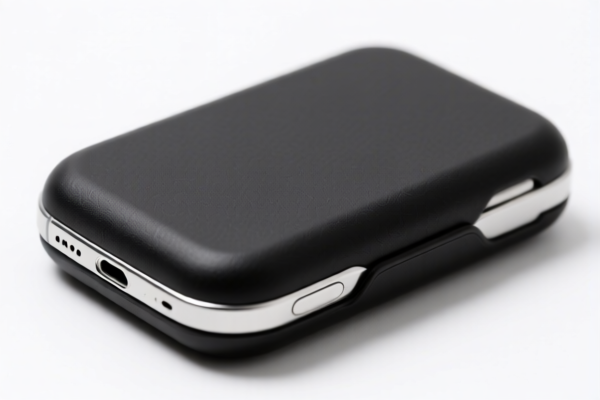
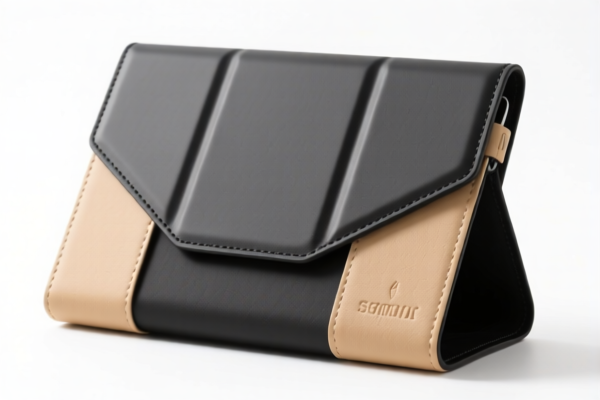
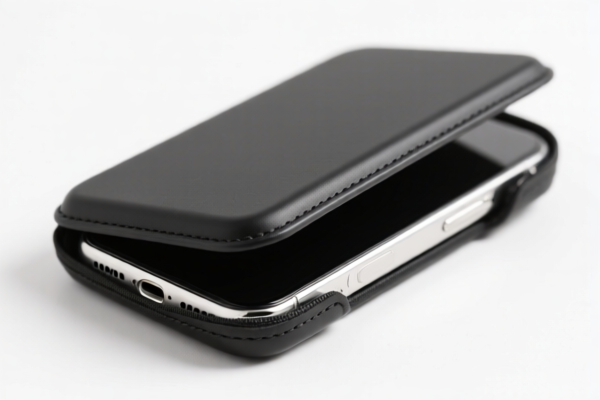
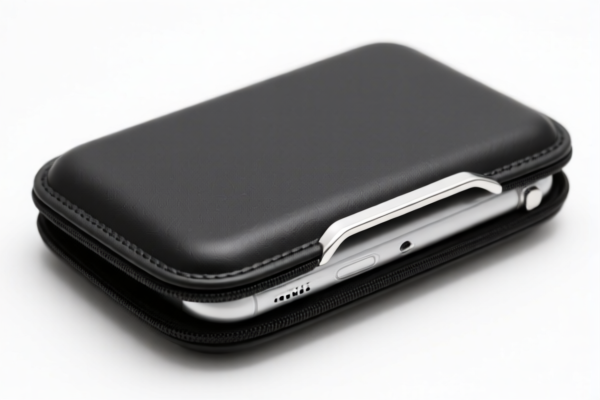
AI Analysis
🛡️ Computer Protective Case (Tablet & Laptop Sleeves)
🌐 HS Code Reference & Customs Clearance Guide | 2026 Latest Tariff Analysis | Professional Clearance Strategy
📌 One, Product Definition & Classification: Do You Truly Understand the "Protective Case"?
A Computer Protective Case is a non-electronic accessory designed to shield tablets, laptops, or similar devices from physical damage. In international trade, its classification is highly contentious because it straddles the line between "Machine Parts" and "General Plastic/Textile Goods."
There are two primary logical paths for classification:
Path A: Machine Parts & Accessories (Chapter 84/85)
If the case is deemed specifically designed for a particular machine (e.g., a hard-shell PC cover for a specific laptop model or tablet), it may fall under "Parts and Accessories." This often attracts higher political tariffs due to the "Section 301" nature of tech goods.
Path B: General Plastic or Textile Goods (Chapter 39 or 42)
If the case is considered a general-purpose container or protective packaging made of plastic (PC/ABS) or textile, it falls under general consumer goods. This path often yields lower base tariffs but may still incur additional levies.
⚠️ Key Distinction Point:
- If the case is custom-molded for a specific device's dimensions and ports → leans toward 8473/8473.50.
- If the case is a generic sleeve, pouch, or universal fit → leans toward 3926 (Plastics) or 4202 (Textiles/Luggage).
📦 Two, HS Code Classification Details (2026 Latest Tariff Authority Match)
Based on the provided data, here are the four possible HS Code classifications for Computer Protective Cases (PC Material):
| HS Code | Product Description | Logical Basis for Classification | Total Tax Rate |
|---|---|---|---|
8473.30.91.00 |
Parts/Accessories for Automatic Data Processing Machines (ADP) | Classified as a specific component/part of the computer system. | 35.0% |
3926.90.99.89 |
Other articles of plastics (General Plastic Goods) | Classified as a generic plastic article (PC material) not specifically for a machine. | 22.8% |
8473.50.90.00 |
Parts & Accessories for Other Machines | Classified under machine parts/accessories generally, aligning with machine component categories. | 35.0% |
3926.90.25.00 |
Other articles of plastics and parts thereof | Classified as plastic articles and parts, fitting the "other plastic products" category. | 24.0% |
4202.92.94.00 |
Articles of Apparel Accessories & Similar Containers (Plastic/Textile) | Classified as a protective container/sleeve made of plastic or textile materials. | 52.6% |
4202.92.97.00 |
Other Articles of Apparel Accessories (Plastic/Textile - Catch-all) | Classified as a general protective container (catch-all for luggage/accessories). | 52.6% |
🔍 Important Note:
- Electronics Path (8473): Higher risk of political tariffs (301/122), leading to 35% total.
- Plastic Path (3926): Lower base tariff, resulting in 22.8% - 24.0% total.
- Luggage/Container Path (4202): Highest base tariff due to "luggage" classification, resulting in 52.6% total.
- Strategy: To minimize duty, classification under 3926 is generally more favorable than 8473 or 4202, provided the product description supports "general plastic article" rather than "computer part."
💰 Three, 2026 Latest Tariff Rate Breakdown (Including Surtaxes & Policy Levies)
✅ Applicable Country: United States (US)
✅ Origin: China (CN)
✅ Effective Time: Post-2025 (Current Status)
🎯 1. 8473.30.91.00 & 8473.50.90.00 —— Machine Parts/Accessories (High Risk)
| Item | Detail |
|---|---|
| Base Duty | 0.0% (Most machine parts have low base rates) |
| Section 301 Surtax | +25.0% (From USITC Footnote 9903.88.01) |
| Section 122 Tariff | +10.0% (Specific China-specific levy) |
| Total Duty | 35.0% |
| Calculation Basis | CIF Value × 35% |
| De Minimis Exemption | ❌ NOT APPLICABLE |
| Legal Path | Section 301 + Section 122 applied to CHS 8473 |
📌 Explanation:
- Although the base duty is 0%, the 35% combined surtax makes this category extremely expensive.
- Customs officers often default to this classification if the case is branded with the computer manufacturer (e.g., "Apple Case") or highly specific in shape.
🎯 2. 3926.90.99.89 —— Other Plastic Articles (Optimal Low-Tax Option)
| Item | Detail |
|---|---|
| Base Duty | 5.3% |
| Section 301 Surtax | +7.5% (Reduced rate for certain plastic goods under specific conditions) |
| Section 122 Tariff | +10.0% |
| Total Duty | 22.8% |
| Calculation Basis | CIF Value × 22.8% |
| De Minimis Exemption | ❌ NOT APPLICABLE (Check current micro-commerce policies) |
| Legal Path | CHS 3926 → Section 122 + Adjusted Section 301 |
📌 Explanation:
- This is the most cost-effective legal classification for PC hard cases.
- It treats the item as a "plastic product" rather than a "computer part," avoiding the highest Section 301 brackets.
🎯 3. 3926.90.25.00 —— Other Plastic Articles & Parts (Alternative Low-Tax)
| Item | Detail |
|---|---|
| Base Duty | 6.5% |
| Section 301 Surtax | +7.5% |
| Section 122 Tariff | +10.0% |
| Total Duty | 24.0% |
| Calculation Basis | CIF Value × 24.0% |
| Legal Path | CHS 3926 → Section 122 + Section 301 |
📌 Note:
- Slightly higher than3926.90.99.89due to a higher base duty (6.5% vs 5.3%).
- Suitable if the product description emphasizes "parts" of plastic containers.
🎯 4. 4202.92.94.00 & 4202.92.97.00 —— Protective Containers/Luggage (Highest Tax)
| Item | Detail |
|---|---|
| Base Duty | 17.6% |
| Section 301 Surtax | +25.0% (Standard Section 301 rate for Chapter 42) |
| Section 122 Tariff | +10.0% |
| Total Duty | 52.6% |
| Calculation Basis | CIF Value × 52.6% |
| Legal Path | CHS 4202 → Section 301 + Section 122 |
📌 Warning:
- AVOID THIS CLASSIFICATION if possible.
- Classifying a plastic computer case as "luggage" or "accessories of apparel" triggers the highest Section 301 rate (25%) plus a high base duty.
- This usually happens if the case is marketed as a "fashion accessory" or has excessive textile components.
🛠️ Four, Customs Clearance Practical Advice (Avoiding Pitfalls)
✅ 1. Documentation Checklist (Essential)
| Document | Required? | Purpose |
|---|---|---|
| ✅ Product Photos | ✔️ | Show material texture (plastic vs. textile), interior lining, and lack of electronic components. |
| ✅ Material Declaration | ✔️ | Explicitly state: "100% Polycarbonate (PC) / Plastic. No electronics, no circuitry." |
| ✅ Commercial Invoice | ✔️ | Description: "Plastic Protective Case for Tablets/Laptops, Model XYZ." Avoid word "Component." |
| ✅ Customs Declaration Form | ✔️ | Use HS Code 3926.90.99.89 to claim lower duty (22.8%). |
| ✅ Origin Certificate | ✔️ | To prove origin as China (subject to surtaxes). |
✅ 2. Declaration Strategy (Key Mantras)
🔥 "Declare as Plastic, Not Part; Lower the Base, Save the Art."
| Scenario | Correct Declaration | Incorrect Declaration | Consequence |
|---|---|---|---|
| Hard PC Shell | Plastic Protective Case (HS 3926) |
Computer Part (HS 8473) |
Duty drops from 35% to 22.8% |
| Soft Sleeve | Plastic/Textile Container (HS 3926 or 4202) |
Electronic Accessory |
Avoids 35% tech tariff |
| Universal Fit | General Purpose Plastic Cover |
Specific Model Case |
Reduces risk of "Part" classification |
✅ 3. Special Cases Handling
| Case | Advice |
|---|---|
| OEM Cases | Provide a contract stating the case is a "finished plastic good" sold separately, not a "component" of the computer. |
| Mixed Materials | If the case has fabric lining, be cautious. If >50% plastic by weight/value, stick to 3926. If fabric dominant, consider 4202 (but tax is high). |
| Branded Goods | If branded by a tech company (e.g., Dell, HP), customs may scrutinize under 8473. Use generic branding for smoother clearance under 3926. |
🌍 Five, Global Market Comparison (2026 Latest)
| Country/Region | Recommended HS Code | Duty Rate (China Origin) | Notes |
|---|---|---|---|
| 🇺🇸 USA | 3926.90.99.89 |
22.8% | Best option. Avoids 35% tech tariff. |
| 🇪🇺 EU | 3926.90.99 |
~3.5% + VAT | No Section 301. Low duty. |
| 🇨🇳 China | 3926.90.99 |
5.3% | Low import duty for domestic sales. |
| 🇬🇧 UK | 3926.90.99 |
~3.5% + VAT | Post-Brexit rules apply. |
📌 Conclusion:
- USA is the only major market with significant punitive tariffs (301/122) on these goods.
- Strategic Recommendation: For US exports, always aim for HS 3926 (Plastic Articles) to save 12-30% in duties compared to HS 8473 or 4202.
📌 Six, Common Mistakes & Pitfalls (Lessons Learned)
❌ Mistake 1: Labeling as "Computer Accessory"
👉 Consequence: Customs defaults to 8473 → 35% Tax.
👉 Fix: Label as "Plastic Protective Case" or "Plastic Container."
❌ Mistake 2: Using "Luggage" Terminology
👉 Consequence: Customs defaults to 4202 → 52.6% Tax.
👉 Fix: Do not use words like "bag," "suitcase," or "apparel accessory" unless it is truly textile-based.
❌ Mistake 3: Ignoring Section 122 Tariff
👉 Consequence: Underestimating cost. Even at 22.8%, the 10% Section 122 is mandatory.
👉 Fix: Include all surtaxes in your pricing model.
✅ Correct Approach:
"Polycarbonate Protective Case for Tablets, Generic Model, Plastic Material Only."
🎯 Seven, Conclusion: Precision in Classification Saves Money!
🎯 Remember the Golden Rule:
🔹 "Plastic Part = 22.8%; Machine Part = 35%; Luggage = 52.6%"
🔹 "Describe the Material, Not the Machine!"
📌 Tip:
If your product is exported to the USA, consider applying for an Advance Ruling (APA) with U.S. Customs and Border Protection (CBP) to confirm the 3926 classification is acceptable for your specific design. This eliminates post-clearance audit risks.
📣 Immediate Action:
📞 Consult a customs broker to verify 3926.90.99.89 eligibility.
📄 Prepare product photos showing no electronic components.
🚀 Reduce your duty burden from 35% to 22.8% through precise wording!
✨ Professional Clearance Starts with Accurate Classification!
💼 Every Percentage Point Counts in International Trade!
Customer Reviews
About HS Code Classification
The Harmonized System (HS) is an internationally standardized nomenclature developed by the World Customs Organization (WCO) to classify traded products. Over 200 countries use the HS system as the basis for customs tariffs, trade statistics, and import/export regulations.
Each HS code follows a hierarchical structure:
- Chapter (2 digits) — Broad category of goods (e.g., Chapter 84: Machinery and Mechanical Appliances)
- Heading (4 digits) — More specific grouping within the chapter
- Subheading (6 digits) — Internationally standardized breakdown, used by all WCO member countries
- National subdivisions (8-10 digits) — Country-specific extensions for further classification, such as US HTSUS 10-digit codes
Correct HS code classification is essential for smooth customs clearance, accurate duty payment, and compliance with trade regulations. Misclassification can lead to customs delays, overpayment of duties, or penalties.
When importing from CN to US, the applicable tariff rates may include:
- Most-Favored-Nation (MFN) rate — The standard duty rate applied to WTO members
- General rate — Applied to countries without trade agreements
- Trade remedy duties — Additional tariffs such as Section 301 (anti-dumping), Section 232 (national security), or countervailing duties
The information provided on this page is for reference purposes only. For official classification, please consult with your local customs authority or a licensed customs broker.