Condom
CN → US| HS Code | Tariff Rate | Origin | Destination | Doc |
|---|---|---|---|---|
| 3926909989 | 22.8% | CN | US | Official Doc |
| 3926902100 | 21.7% | CN | US | Official Doc |
| 4014100000 | 10.0% | CN | US | Official Doc |
| 4014905000 | 14.2% | CN | US | Official Doc |
Product Images
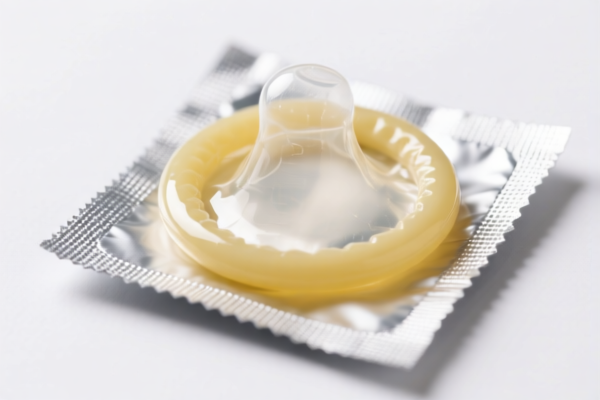
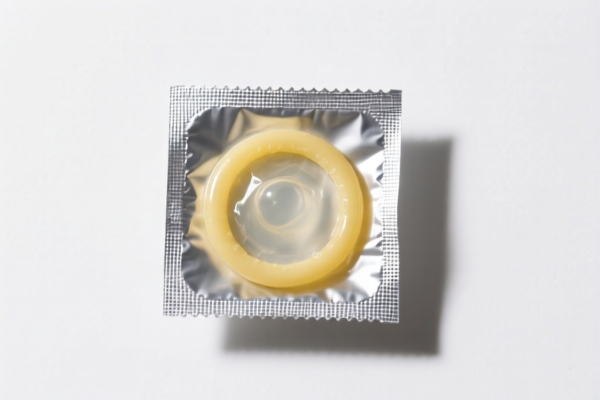
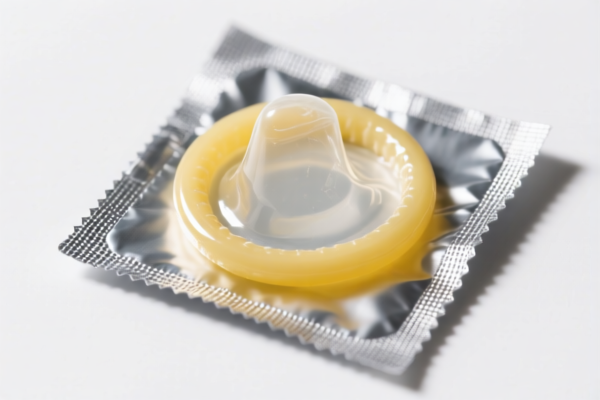
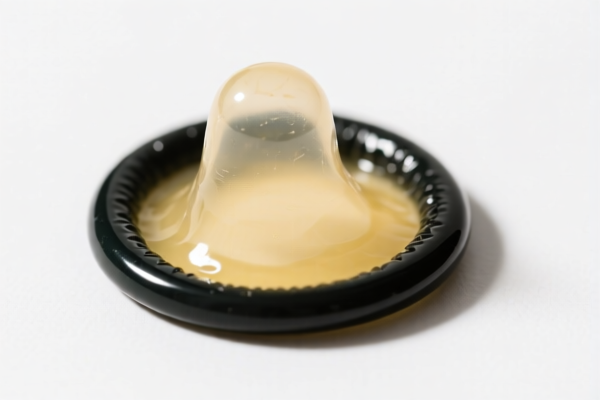
AI Analysis
🛡️ Condoms (Contraceptive Devices / Sanitary Goods)
🌐 HS Code Reference & Customs Clearance Guide | 2026 Latest Tariff Analysis | Professional Strategy for Rubber & Latex Products
📌 I. Product Definition & Classification: What Exactly Are "Condoms"?
Condoms are sanitary or medical products primarily used for contraception and disease prevention. In international trade, their classification depends heavily on material composition (natural latex, synthetic rubber, or polyurethane) and specific listing in the Harmonized System.
Key Distinction:
- Specific Listing: If the HS code explicitly mentions "Condoms," it takes precedence over general material categories.
- General Rubber/Plastic: If no specific listing exists, they are classified as other articles of rubber or plastic.
⚠️ Critical Note for 2026:
- US Import regulations (specifically Section 301 and IEEPA provisions) heavily impact goods from China.
- Tax rates vary drastically based on the specific HS code used (e.g., 10% vs. 22.8%).
- Do not confuse "Condoms" (specific) with "General Rubber Articles" (generic).
📦 II. HS Code Classification Details (2026 Latest Tariff Authority)
Based on the provided data, here are the four possible HS Code classifications for Condoms, ranked by specificity and tax impact.
| HS Code | Product Description | Material/Type | Why This Code Applies? | Total Tax Rate (China to US) |
|---|---|---|---|---|
4014.10.00.00 |
Condoms (Specific) | Natural Latex/Rubber | Explicitly listed as "Condoms" under sanitary/medical rubber goods. | 10.0% |
4014.90.50.00 |
Other Rubber Articles | Vulcanized Rubber | No specific "condom" listing in this subheading; classified as "Other" rubber goods. | 14.2% |
3926.90.21.00 |
Other Plastic Products | Polyurethane/Latex | Explicitly matches "Condoms" but classified under plastic/materials if not under rubber Chapter 40. | 21.7% |
3926.90.99.89 |
Other Plastic Products | Latex/Polyurethane | "Catch-all" category for plastic/rubber-like items not elsewhere specified. | 22.8% |
🔍 Key Takeaway:
-4014.10.00.00is the most favorable for natural latex condoms, as it explicitly identifies the product.
-3926.90.99.89is the least favorable for polyurethane condoms, resulting in the highest tax burden.
- Material matters: Rubber-based condoms (4014.xx) generally have lower base tariffs than plastic/polymer-based condoms (3926.xx) in this specific dataset.
💰 III. 2026 Latest Tariff Rate Breakdown (Including Additional Taxes)
✅ Applicable Country: United States (US)
✅ Origin: China (CN)
✅ Effective Time: Post-2025 Trade Policy Adjustments
🎯 1. 4014.10.00.00 — Condoms (Natural Rubber/Latex)
Best Case Scenario: Lowest Tax Burden
| Item | Details |
|---|---|
| Base Tariff | 0.0% |
| Section 301 Additional Tariff | 0.0% |
| IEEPA 122 Clause Tariff | 10.0% |
| Total Effective Rate | 10.0% |
| Calculation | CIF Value × 10% |
| De Minimis Eligibility | ❌ Not Eligible (High-risk category for medical/sanitary goods) |
| Legal Path | IEEPA:122 → USITC:4014.10.00.00 |
📌 Explanation:
- This code explicitly names "Condoms."
- Despite being a rubber product, it benefits from 0% base tariff and 0% Section 301 tariff.
- Only the 10% IEEPA 122 clause applies, likely due to specific national security or public health trade measures.
- Savings: Compare this to3926.90.99.89(22.8%) — you save 12.8% by using the correct specific code!
🎯 2. 4014.90.50.00 — Other Rubber Articles (Non-Condom Specific)
Moderate Risk: Slightly Higher Tax
| Item | Details |
|---|---|
| Base Tariff | 4.2% |
| Section 301 Additional Tariff | 0.0% |
| IEEPA 122 Clause Tariff | 10.0% |
| Total Effective Rate | 14.2% |
| Calculation | CIF Value × 14.2% |
| De Minimis Eligibility | ❌ Not Eligible |
| Legal Path | IEEPA:122 → USITC:4014.90.50.00 |
📌 Explanation:
- Classified as "Other" rubber goods because the description does not explicitly match "Condoms" in this subheading.
- 4.2% base tariff is added to the 10% IEEPA clause.
- Avoid this unless your product documentation fails to prove it is a condom (e.g., mislabeled as "rubber gloves" or "industrial seals").
🎯 3. 3926.90.21.00 — Other Plastic Products (Condom-Specific)
High Risk: Significant Tax Impact
| Item | Details |
|---|---|
| Base Tariff | 4.2% |
| Section 301 Additional Tariff | 7.5% |
| IEEPA 122 Clause Tariff | 10.0% |
| Total Effective Rate | 21.7% |
| Calculation | CIF Value × 21.7% |
| De Minimis Eligibility | ❌ Not Eligible |
| Legal Path | IEEPA:122 → USITC:3926.90.21.00 |
📌 Explanation:
- Used for condoms made of polyurethane or synthetic plastics if not classified under Chapter 40.
- Subject to both the 7.5% Section 301 tariff and the 4.2% base tariff.
- Warning: Polyurethane condoms are often misclassified here. If they can be classified under4014.10.00.00(as rubber-like elastic materials), they should be.
🎯 4. 3926.90.99.89 — Other Plastic Products (Catch-All)
Highest Risk: Maximum Tax Burden
| Item | Details |
|---|---|
| Base Tariff | 5.3% |
| Section 301 Additional Tariff | 7.5% |
| IEEPA 122 Clause Tariff | 10.0% |
| Total Effective Rate | 22.8% |
| Calculation | CIF Value × 22.8% |
| De Minimis Eligibility | ❌ Not Eligible |
| Legal Path | IEEPA:122 → USITC:3926.90.99.89 |
📌 Explanation:
- This is the "fallback" code for plastic/rubber articles not elsewhere specified.
- Highest total tax rate due to 5.3% base + 7.5% Section 301 + 10% IEEPA.
- Avoid this code unless your product is a non-standard, unusual plastic contraceptive device not covered by other codes.
🛠️ IV. Customs Clearance Practical Advice (Battle-Tested Pitfall Guide)
✅ 1. Required Documentation Checklist (Non-Negotiable)
| Document | Mandatory? | Purpose |
|---|---|---|
| ✅ Product Specification Sheet | ✔️ | Must state: Material (Latex/Polyurethane), Dimensions, Sterilization method. |
| ✅ Material Safety Data Sheet (MSDS) | ✔️ | Confirms chemical composition (natural rubber vs. synthetic). |
| ✅ FDA Registration/E2B | ✔️ | Condoms are medical devices in the US. FDA compliance is mandatory. |
| ✅ Commercial Invoice | ✔️ | Must clearly state "Condoms (Contraceptive Device)" — NOT "Rubber Gloves" or "Balloon." |
| ✅ Certificate of Origin | ✔️ | Required for IEEPA tariff assessment (China origin triggers higher rates). |
| ✅ Packaging Photos | ✔️ | Show individual packaging with product name, expiry date, and manufacturer. |
✅ 2. Declaration Strategy (Key Mantras)
🔥 "Be Specific, Declare Clearly, Avoid 'Other' Codes!"
| Scenario | Correct Declaration | Risk if Incorrect |
|---|---|---|
| Natural Latex Condoms | 4014.10.00.00 - "Condoms, Natural Rubber" |
If misdeclared as 4014.90.50.00, you pay 4.2% extra (14.2% vs 10%). |
| Polyurethane Condoms | 4014.10.00.00 (if allowed) OR 3926.90.21.00 |
If misdeclared as 3926.90.99.89, you pay 12.8% extra (22.8% vs 10%). |
| Sample/Free Goods | Same HS Code | De Minimis Exemption DOES NOT APPLY. Medical goods are high-risk for low-value entries. |
| Mixed Packaging | Declare all as one lot | Do not split "Condoms" and "Lube" into separate lines unless necessary. Lube may have different codes. |
✅ 3. Special Handling & Compliance
| Issue | Recommendation |
|---|---|
| FDA Compliance | Ensure all shipments have FDA Device Listing Numbers. Missing FDA info = Detention/Refusal. |
| Material Declaration | Clearly state "Natural Latex" or "Polyurethane." Customs officers use X-rays and chemical tests. Mislabeling = Fraud. |
| Section 301 & IEEPA | Always assume IEEPA 10% applies to Chinese-origin condoms. Do not try to evade this. |
| Country of Origin | If manufactured in Vietnam/Malaysia, you may avoid IEEPA tariffs. Re-route supply chain if possible. |
🌍 V. Global Market Comparison (2026 Overview)
| Market | Preferred HS Code | Estimated Tax (China Origin) | Key Requirement |
|---|---|---|---|
| 🇺🇸 USA | 4014.10.00.00 |
10.0% | FDA Registration + IEEPA 122 |
| 🇪🇺 EU | 4014.10 |
0% | CE Marking + ISO 4074 |
| 🇨🇳 China | 4014.10 |
0% | NMPA Registration |
| 🇯🇵 Japan | 4014.10 |
0% | PMDA Approval |
📌 Insight:
- The US is unique in applying the 10% IEEPA 122 clause even for specific medical goods like condoms.
- EU and Japan have lower or zero tariffs, focusing instead on quality standards (CE, ISO).
- USA Importers: Must factor in 10% additional cost vs. 0% base duty.
📌 VI. Common Mistakes & Pitfalls (Lessons from the Field)
❌ Mistake 1: Declaring "Condoms" as "Rubber Gloves" (4014.90.50.00)
👉 Consequence: Higher tax (14.2% vs 10%) + FDA Compliance mismatch = Seizure Risk.
❌ Mistake 2: Using "Other Plastic Articles" (3926.90.99.89) for Latex Condoms
👉 Consequence: 22.8% tax instead of 10%. A 12.8% profit killer.
❌ Mistake 3: Ignoring FDA Requirements
👉 Consequence: CBP Refuses Entry. No amount of correct HS code can save non-compliant medical devices.
❌ Mistake 4: Assuming De Minimis ($800) Exemption Applies
👉 Consequence: Section 321 Entry Denied. Medical/contraceptive goods are explicitly excluded from de minimis relief.
✅ Correct Practice:
"Latex Condoms, Sterile, 30-pack, FDA Registered, HS 4014.10.00.00, IEEPA 10%"
🎯 VII. Conclusion: Precision Saves Money!
🎯 Key Takeaways:
🔹 Always use
4014.10.00.00for natural latex condoms. It’s the most specific and tax-efficient code.
🔹 Polyurethane condoms may fall under3926codes, but check if4014.10.00.00still applies based on material properties (elasticity).
🔹 Budget for 10% IEEPA Tax for all Chinese-origin condoms entering the US.
🔹 FDA Compliance is Non-Negotiable. No clearance without it.
📌 Pro Tip:
If you are importing Polyurethane Condoms, argue for 4014.10.00.00 by emphasizing their elastic, rubber-like properties. If rejected, 3926.90.21.00 (21.7%) is better than 3926.90.99.89 (22.8%).
📣 Immediate Action Items:
📞 Verify FDA Listing for your product.
📝 Update Commercial Invoices with exact HS Code4014.10.00.00.
📊 Calculate Landed Cost including 10% IEEPA tax.
🚀 Optimize Supply Chain: Consider non-China origins to avoid IEEPA tariffs.
✨ Smart Classification, Smarter Profits!
💼 Every percentage point matters in cross-border trade!
Customer Reviews
About HS Code Classification
The Harmonized System (HS) is an internationally standardized nomenclature developed by the World Customs Organization (WCO) to classify traded products. Over 200 countries use the HS system as the basis for customs tariffs, trade statistics, and import/export regulations.
Each HS code follows a hierarchical structure:
- Chapter (2 digits) — Broad category of goods (e.g., Chapter 84: Machinery and Mechanical Appliances)
- Heading (4 digits) — More specific grouping within the chapter
- Subheading (6 digits) — Internationally standardized breakdown, used by all WCO member countries
- National subdivisions (8-10 digits) — Country-specific extensions for further classification, such as US HTSUS 10-digit codes
Correct HS code classification is essential for smooth customs clearance, accurate duty payment, and compliance with trade regulations. Misclassification can lead to customs delays, overpayment of duties, or penalties.
When importing from CN to US, the applicable tariff rates may include:
- Most-Favored-Nation (MFN) rate — The standard duty rate applied to WTO members
- General rate — Applied to countries without trade agreements
- Trade remedy duties — Additional tariffs such as Section 301 (anti-dumping), Section 232 (national security), or countervailing duties
The information provided on this page is for reference purposes only. For official classification, please consult with your local customs authority or a licensed customs broker.