Conductive Film
CN → US| HS Code | Tariff Rate | Origin | Destination | Doc |
|---|---|---|---|---|
| 5903102090 | 35.0% | CN | US | Official Doc |
| 3919905060 | 40.8% | CN | US | Official Doc |
| 3919905040 | 40.8% | CN | US | Official Doc |
| 3921901500 | 41.5% | CN | US | Official Doc |
| 3921901100 | 39.2% | CN | US | Official Doc |
Product Images
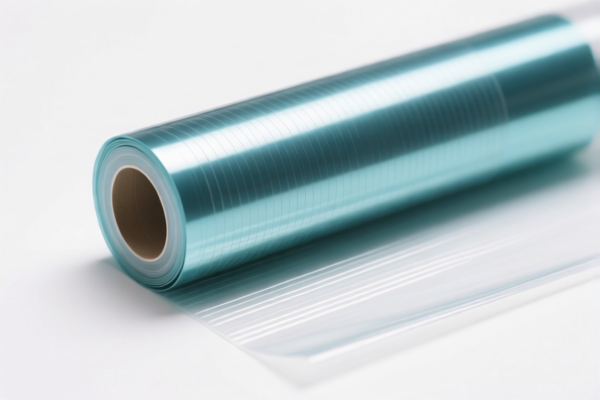
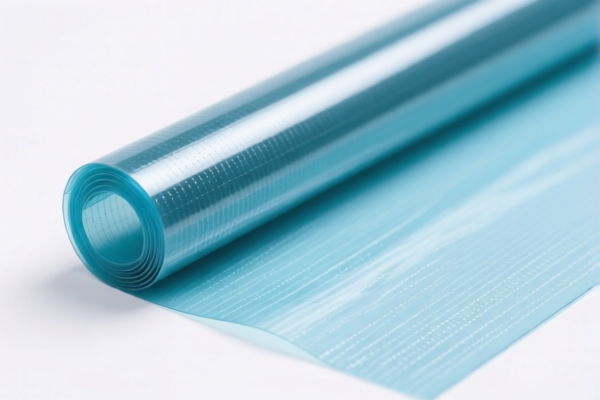
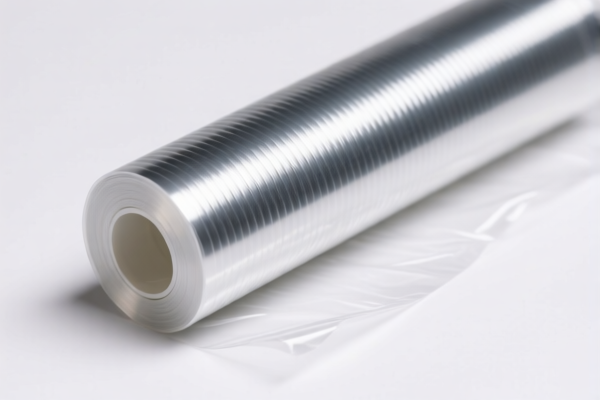
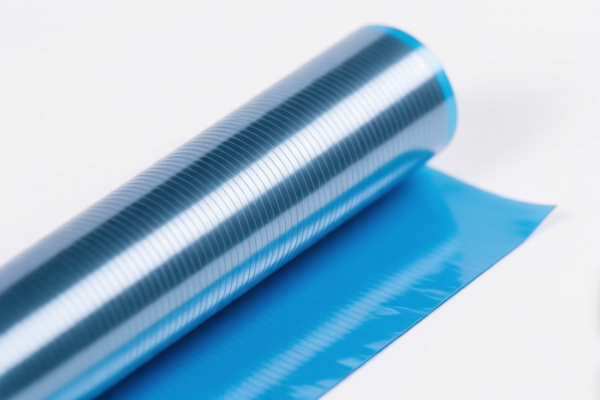
AI Analysis
🧪 Conductive Film (Polyester Based)
🌐 HS Code Reference & Customs Clearance Guide | 2026 Latest Tariff Analysis | Professional Clearance Strategy
📌 I. Product Definition: What is "Conductive Film"?
Conductive Film, specifically Polyester Conductive Film, is a functional material where conductive properties are integrated into a polyester substrate. In international trade, its classification is highly sensitive to its physical form (film vs. tape) and application context (textile coverage vs. general plastic film).
The core dilemma lies in distinguishing whether it is: 1. A covered textile/film (HS 5903): Treated as a textile product with a plastic coating. 2. A self-adhesive tape/film (HS 3919): Treated as a plastic adhesive tape. 3. A general plastic plate/film (HS 3921): Treated as a non-adhesive plastic sheet/membrane.
⚠️ Key Distinction Point:
- If it functions as a covered textile (e.g., for shielding in textiles) → 5903.10.20.90
- If it is self-adhesive (like transparent tape) → 3919.90.50.xx
- If it is a plain plastic membrane (non-adhesive) → 3921.90.xx.xx
📦 II. HS Code Classification Details (2026 Latest Tariff Authority)
| HS Code | Product Description | Key Classification Feature | Estimated Total Tax |
|---|---|---|---|
5903.10.20.90 |
Polyester Conductive Film | Fits "Plastic-covered textile/film" category | 35.0% |
3919.90.50.60 |
Polyester Conductive Film | Fits "Plastic self-adhesive film" definition | 40.8% |
3919.90.50.40 |
Polyester Conductive Film | Fits "Transparent tape/film" category | 40.8% |
3921.90.15.00 |
Polyester Conductive Film | Fits "Plastic plate, sheet, film, foil" classification | 41.5% |
3921.90.11.00 |
Polyester Conductive Film | Fits "Plastic film + textile/conductive material combo" | 39.2% |
🔍 Critical Warning:
- All these codes apply to Polyester (PET) based films.
- The tax burden ranges from 35.0% to 41.5%.
- Misclassification risks are extremely high because the physical appearance (shiny, plastic-like) often misleads customs officers into ignoring the "conductive" or "textile" nature.
💰 III. 2026 Latest Tariff Rate Breakdown (Detailed Tax Clauses)
✅ Applicable Country: United States (US)
✅ Origin: China (CN)
✅ Effective Date: 2025/2026 Tariff Cycle
🎯 1. 5903.10.20.90 —— Plastic-covered Textile/Film (Lowest Tax Option)
| Item | Content |
|---|---|
| Base Tariff | 0.0% (ad valorem) |
| Section 301 (Add-on) | +25.0% |
| Section 122 (Clause 122) | +10.0% |
| Total Tariff | 35.0% |
| Tax Calculation | CIF Value × 35.0% |
| De Minimis Exemption | ❌ Not Eligible |
| Legal Basis Path | Section 301: 9903.88.01 → Section 122: 9903.01.24 → USITC: 5903.10.20.90 |
📌 Explanation:
- This is the most favorable classification if the film can be proven to function as a "covered textile" or industrial textile component.
- The 0% base tariff makes it significantly cheaper than other plastic film categories.
- However, it requires strong evidence that the primary character is textile-related, not just general plastic.
🎯 2. 3919.90.50.60 & 3919.90.50.40 —— Self-Adhesive Plastic Films (High Tax)
| Item | Content |
|---|---|
| Base Tariff | 5.8% (ad valorem) |
| Section 301 (Add-on) | +25.0% |
| Section 122 (Clause 122) | +10.0% |
| Total Tariff | 40.8% |
| Tax Calculation | CIF Value × 40.8% |
| De Minimis Exemption | ❌ Not Eligible |
| Legal Basis Path | Section 301: 9903.88.01 → Section 122: 9903.01.24 → USITC: 3919.90.50.xx |
📌 Explanation:
- These codes apply if the film has an adhesive backing (like tape).
- The 5.8% base tariff is higher than the 0% in HS 5903.
- "Transparent Tape" (3919.90.50.40) and "Self-Adhesive Film" (3919.90.50.60) are often treated similarly in terms of tax burden.
- Risk: If customs determines it is NOT self-adhesive, this classification is rejected, leading to re-classification and penalties.
🎯 3. 3921.90.15.00 —— Other Plastic Plates, Sheets, Films (Highest Tax)
| Item | Content |
|---|---|
| Base Tariff | 6.5% (ad valorem) |
| Section 301 (Add-on) | +25.0% |
| Section 122 (Clause 122) | +10.0% |
| Total Tariff | 41.5% |
| Tax Calculation | CIF Value × 41.5% |
| De Minimis Exemption | ❌ Not Eligible |
| Legal Basis Path | Section 301: 9903.88.01 → Section 122: 9903.01.24 → USITC: 3921.90.15.00 |
📌 Explanation:
- This is the "default" plastic film category if it doesn't fit textile (5903) or self-adhesive (3919) definitions.
- It carries the highest total tariff (41.5%).
- Only use this if the product is a plain, non-adhesive, non-textile-covered polyester film with conductive properties.
🎯 4. 3921.90.11.00 —— Plastic Film with Textile/Conductive Combination
| Item | Content |
|---|---|
| Base Tariff | 4.2% (ad valorem) |
| Section 301 (Add-on) | +25.0% |
| Section 122 (Clause 122) | +10.0% |
| Total Tariff | 39.2% |
| Tax Calculation | CIF Value × 39.2% |
| De Minimis Exemption | ❌ Not Eligible |
| Legal Basis Path | Section 301: 9903.88.01 → Section 122: 9903.01.24 → USITC: 3921.90.11.00 |
📌 Explanation:
- This is a hybrid category for plastic films combined with textile or conductive materials.
- It offers a middle-ground tax rate (39.2%).
- Useful if the film is not strictly "self-adhesive" but has specific composite characteristics.
🛠️ IV. Customs Clearance Practical Advice (Pitfall Avoidance Guide)
✅ 1. Required Documentation Checklist (Non-Negotiable)
| Document | Mandatory? | Description |
|---|---|---|
| ✅ Product Specification Sheet | ✔️ | Must detail: Material (PET/Polyester), Conductive Coating Type, Thickness, Width. |
| ✅ Structure Diagram | ✔️ | Crucial to prove if it is "self-adhesive" or "plain film" vs. "textile-covered". |
| ✅ Product Photos (Clear) | ✔️ | Show the entire roll, edges, and any adhesive backing if present. |
| ✅ Certificate of Origin (CO) | ✔️ | Essential for verifying China origin and applying Section 301/122 tariffs. |
| ✅ Commercial Invoice | ✔️ | Clearly state "Polyester Conductive Film" and the intended use. |
| ✅ Customs Ruling (Optional but Recommended) | ✔️ | Apply for Advance Ruling to lock in HS Code and avoid disputes. |
✅ 2. Declaration Tips (Key Mantras)
🔥 "Character Determines Code: Textile vs. Tape vs. Plain Plastic"
| Scenario | Correct Declaration | Wrong Practice |
|---|---|---|
| Film used for shielding in textiles | 5903.10.20.90 (Textile-covered) |
Declare as "Plastic Film" → Higher tax |
| Film with adhesive backing (like tape) | 3919.90.50.60 or 3919.90.50.40 (Self-adhesive) |
Declare as "Plain Film" → Rejection |
| Plain polyester film, no adhesive | 3921.90.15.00 or 3921.90.11.00 (Plastic Plate/Film) |
Declare as "Textile" → Mismatch |
✅ 3. Special Cases Handling
| Case | Handling Advice |
|---|---|
| OEM Custom Conductive Film | Provide client design + technical data. Prove if it's a "component" or "finished good". |
| Conductive Coating Thickness | If coating is very thin, customs may classify it as 3921 (Plastic). If thick/functional, argue for 5903 (Textile). |
| Multi-layer Structure | If layers include fabric, argue for 5903. If all plastic, argue for 3921 or 3919. |
| Unclear Adhesive Status | If adhesive is not obvious, do not declare as 3919. Use 3921 to avoid penalties for false declaration. |
🌍 V. Global Market Comparison (2026 Latest)
| Country/Region | Recommended HS Code | Tariff (China Origin) | Certification | Notes |
|---|---|---|---|---|
| 🇺🇸 USA | 5903.10.20.90 |
35.0% | None specific | Lowest tax, but requires textile argument. |
| 🇺🇸 USA | 3921.90.15.00 |
41.5% | None specific | Highest tax, safest if no textile tie. |
| 🇨🇳 China | 3919.90.50 or 3921.90 |
5-6% | CCC (if applicable) | No Section 301/122 tariffs. |
| 🇪🇺 EU | 3919.90 or 3920.62 |
0-6.5% | CE (if electronic) | No Section 122 equivalent. |
📌 Conclusion:
- USA Tariffs are punitive due to Section 301 (25%) and Section 122 (10%).
- HS 5903.10.20.90 is the "Golden Ticket" for the lowest US tariff (35%), but it is the hardest to justify.
- HS 3921.90.15.00 is the "Safe Harbor" with the highest tax (41.5%) but easiest classification (plain plastic).
📌 VI. Common Errors & Pitfalls (Blood & Tears Lessons)
❌ Error 1: Declaring Conductive Film as "Electronic Component" (HS 8541)
👉 Result: Rejection. Conductive films are raw materials/parts, not finished electronic components.
❌ Error 2: Ignoring "Section 122" Tariffs
👉 Result: Surprise 10% charge. Many importers forget to account for the 122 clause in recent tariff updates.
❌ Error 3: Mislabeling as "Transparent Tape" (3919) without Adhesive
👉 Result: Customs will reclassify to 3921, charging higher base tax + penalties.
❌ Error 4: Using "Polyester Film" without specifying "Conductive"
👉 Result: May trigger additional scrutiny for controlled materials or incorrect valuation.
✅ Correct Practice:
"Polyester Conductive Film, Unwoven, Coated with Conductive Material, Roll Form, For EMI Shielding, Model XYZ, No Adhesive"
🎯 VII. Conclusion: Precision is Profit
🎯 Remember the Mantra:
🔹 "Textile? 35%. Adhesive? 40.8%. Plain Plastic? 41.5%. Know your structure, save your money!"
🔹 "HS Code is King, Tax Clauses are Queens, Misclassification is Death!"
📌 Pro Tip:
If your conductive film can be technically argued as a "covered textile" (e.g., used in smart textiles, wearable tech), push for HS 5903.10.20.90. The 1.5-6.5% tax saving is significant on large volumes.
However, ensure you have technical documentation supporting the textile nature. If in doubt, consult a customs broker for a Advance Ruling.
📣 Immediate Action:
📞 Contact your Customs Broker + Provide Product Structure + Apply for Advance Ruling
🚀 Clear your Conductive Film, Smooth Clearance, Maximize Margin!
✨ Professional Clearance Starts with Accurate Classification!
💼 Every Penny Saved in Tariffs is Pure Profit!
Customer Reviews
About HS Code Classification
The Harmonized System (HS) is an internationally standardized nomenclature developed by the World Customs Organization (WCO) to classify traded products. Over 200 countries use the HS system as the basis for customs tariffs, trade statistics, and import/export regulations.
Each HS code follows a hierarchical structure:
- Chapter (2 digits) — Broad category of goods (e.g., Chapter 84: Machinery and Mechanical Appliances)
- Heading (4 digits) — More specific grouping within the chapter
- Subheading (6 digits) — Internationally standardized breakdown, used by all WCO member countries
- National subdivisions (8-10 digits) — Country-specific extensions for further classification, such as US HTSUS 10-digit codes
Correct HS code classification is essential for smooth customs clearance, accurate duty payment, and compliance with trade regulations. Misclassification can lead to customs delays, overpayment of duties, or penalties.
When importing from CN to US, the applicable tariff rates may include:
- Most-Favored-Nation (MFN) rate — The standard duty rate applied to WTO members
- General rate — Applied to countries without trade agreements
- Trade remedy duties — Additional tariffs such as Section 301 (anti-dumping), Section 232 (national security), or countervailing duties
The information provided on this page is for reference purposes only. For official classification, please consult with your local customs authority or a licensed customs broker.