Conductive Nozzle
CN → US| HS Code | Tariff Rate | Origin | Destination | Doc |
|---|---|---|---|---|
| 7326908605 | 87.9% | CN | US | Official Doc |
| 7326908688 | 87.9% | CN | US | Official Doc |
Product Images
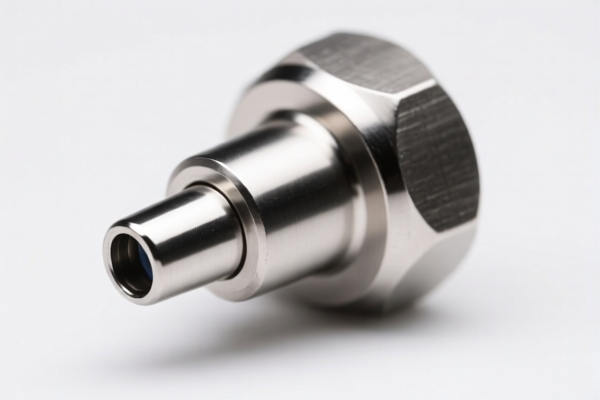
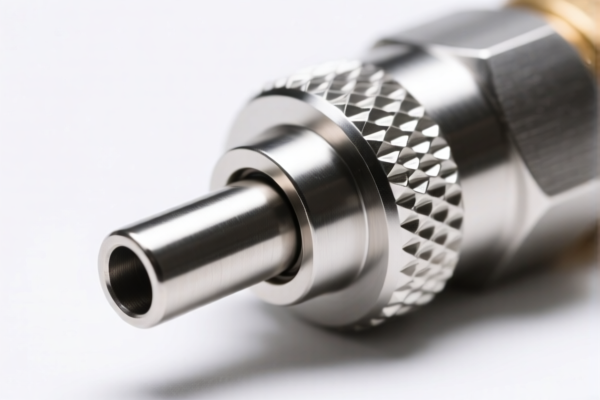
AI Analysis
⚡ Conductive Nozzle (Grounding Rods/Articles)
🌐 HS Code Reference & Clearance Guide | 2026 Latest Tariff Analysis | Professional Customs Strategy
📌 I. Product Definition & Classification: What Exactly is a "Conductive Nozzle"?
In the context of US Customs and Border Protection (CBP) and the provided data, a "Conductive Nozzle" refers to metal articles used for electrical grounding. While the term "nozzle" might imply fluid dispensing, in this specific trade context (HS Chapter 73), these are interpreted as Rods, bars, or other steel/iron articles designed for electrical grounding purposes.
Key Distinction:
- Electrical Grounding Rods (7326.90.86.05): Specifically designed or used for grounding electrical systems. These are specialized steel articles.
- General Steel Articles (7326.90.86.88): Any other steel articles not specifically described above. If the "nozzle" is not primarily for grounding, or if the grounding function is incidental, it may fall here.
⚠️ Critical Identification Point:
- If the product is specifically marketed, designed, or used for electrical grounding, it must be classified under7326.90.86.05.
- If the product is a generic steel fitting, connector, or "other" article without specific grounding certification or primary use, it falls under7326.90.86.88.
- Both categories are subject to the same high tariff structure in this dataset.
📦 II. HS Code Classification Details (2026 Latest Tariff Authority)
Based strictly on the provided data, the classification is as follows:
| HS Code | Product Description | Primary Use | Classification Logic |
|---|---|---|---|
7326.90.86.05 |
Rods for electrical grounding | Electrical grounding systems | Specific use: Electrical grounding. Made of iron/steel. |
7326.90.86.88 |
Other other (General Steel Articles) | General industrial applications | General use: Other iron/steel articles not otherwise specified. |
🔍 Important Note:
- Both HS Codes fall under Chapter 73 (Articles of Iron or Steel).
- Both are classified under Heading 7326 (Other articles of iron or steel) → Subheading 7326.90 (Other) → Specific National Subheadings (US HTS 8-digit).
- The distinction is between specific grounding rods vs. general other steel articles.
💰 III. 2026 Latest Tariff Rate Breakdown (Including Additional Taxes)
✅ Applicable Country: United States (US)
✅ Origin: China (CN)
✅ Effective Date: Based on provided data (Current applicable rates)
🎯 1. 7326.90.86.05 — Rods for Electrical Grounding
| Item | Content |
|---|---|
| Base Tariff | 2.9% (Ad valorem) |
| Section 301 Additional Tariff | 25.0% |
| Steel/Aluminum/Copper Additional Tariff | 50.0% |
| Total Tariff Rate | 77.9% |
| Tax Calculation | CIF Value × 77.9% |
| De Minimis Exemption | ❌ Not Applicable |
| Legal Basis | USHTS 7326.90.86.05 + Section 301 List 4C + Steel/Aluminum Tariff Actions |
📌 Explanation:
- The 2.9% is the standard USMF (US Melting Fee) or base duty for iron/steel articles.
- The 25% is the Section 301 tariff on Chinese goods.
- The 50% is the additional tariff specifically imposed on steel, aluminum, and copper articles under US trade actions.
- Total: 77.9% is extremely high. This is a heavy-duty import tax.
🎯 2. 7326.90.86.88 — Other Other (General Steel Articles)
| Item | Content |
|---|---|
| Base Tariff | 2.9% (Ad valorem) |
| Section 301 Additional Tariff | 25.0% |
| Steel/Aluminum/Copper Additional Tariff | 50.0% |
| Total Tariff Rate | 77.9% |
| Tax Calculation | CIF Value × 77.9% |
| De Minimis Exemption | ❌ Not Applicable |
| Legal Basis | USHTS 7326.90.86.88 + Section 301 List 4C + Steel/Aluminum Tariff Actions |
📌 Note:
- The tariff rate is identical to7326.90.86.05.
- This is because both are iron/steel articles subject to the 50% steel tariff and 25% Section 301 tariff.
- There is no tariff advantage to choosing7326.90.86.88over7326.90.86.05in this dataset.
🛠️ IV. Customs Clearance Practical Advice (Real-World Pitfall Avoidance)
✅ 1. Preparation Checklist (Essential Documents)
| Document | Required | Purpose |
|---|---|---|
| ✅ Product Specification Sheet | ✔️ | Must clearly state material (Steel/Iron), dimensions, and primary use (Grounding). |
| ✅ Product Photos | ✔️ | Show the item’s shape, threading, and any grounding-specific features (e.g., copper plating, clamps). |
| ✅ Commercial Invoice | ✔️ | Must describe goods accurately: “Steel Grounding Rod” or “Conductive Steel Nozzle for Electrical Grounding”. Avoid vague terms like “Metal Part”. |
| ✅ Statement of Use | ✔️ | If classified as 7326.90.86.05, provide a letter stating the product is exclusively for electrical grounding. |
| ✅ HS Code Pre-Ruling (Optional but Recommended) | ✔️ | To confirm classification and avoid misdeclaration penalties. |
✅ 2. Declaration Strategy (Key Tips)
🔥 “Be Specific, Don’t Generalize! Grounding = Grounding!”
| Scenario | Correct Declaration | Incorrect Declaration |
|---|---|---|
| Product is a grounding rod | 7326.90.86.05 – “Steel Grounding Rod” |
7326.90.86.88 – “Steel Fitting” (Risk of misclassification) |
| Product is a general steel nozzle | 7326.90.86.88 – “Steel Nozzle for General Use” |
7326.90.86.05 – “Grounding Rod” (If not used for grounding, this is false declaration) |
| Product is coated or plated | Same HS Code, but mention coating in specs | Ignore coating details |
⚠️ Warning:
- Misclassifying a grounding rod as a general article (7326.90.86.88) may lead to audits if CBP determines the primary use is grounding.
- However, since the tariff rate is the same (77.9%), the financial impact is identical. The risk is compliance and legal, not financial.
✅ 3. Special Cases & Handling
| Situation | Recommendation |
|---|---|
| Copper-Coated Steel Grounding Rods | Still classified under 7326.90.86.05 (or 86.88 if not primary use). The 50% steel tariff applies because the core is steel. |
| Grounding Clamps/Fittings | If not “rods,” they may fall under 7326.90.86.88. Ensure description matches “other steel articles.” |
| Non-Steel Grounding Products | If made of copper or aluminum, different HS Codes apply (Chapters 74, 75, 76). This data is for iron/steel only. |
| Used or Scrap Metal | Different tariffs apply. Ensure goods are new and manufactured. |
🌍 V. Global Market Comparison (2026 Latest)
| Country/Region | Recommended HS Code | Tariff Rate | Notes |
|---|---|---|---|
| 🇺🇸 USA | 7326.90.86.05 / .88 |
77.9% | High due to 50% steel tariff + 25% Section 301. |
| 🇨🇳 China | 7326.90.90.00 |
~5-10% | Lower tariffs for domestic production. |
| 🇪🇺 EU | 7326.90.98 |
~0-2% | No additional steel tariffs like US. |
| 🇬🇧 UK | 7326.90.98 |
~0-2% | Post-Brexit, aligned with EU low rates. |
| 🇮🇳 India | 7326.90.90 |
~10-15% | Moderate tariffs, no Section 301 equivalent. |
📌 Conclusion:
- USA is the most expensive market for steel grounding articles due to the 50% steel tariff.
- Consider supply chain diversification (e.g., Vietnam, Thailand) if possible, but ensure non-Chinese origin to avoid Section 301.
📌 VI. Common Mistakes & Pitfalls (Lessons Learned)
❌ Mistake 1: Calling it a “Nozzle” without explaining its electrical grounding purpose.
👉 Consequence: CBP may misclassify or request clarification, causing delays.
❌ Mistake 2: Assuming “Grounding Rods” have a different tariff.
👉 Consequence: None, in this dataset. Both codes have 77.9%. But accuracy is key for compliance.
❌ Mistake 3: Ignoring the 50% steel tariff.
👉 Consequence: Massive cost underestimation. Profit margins will be wiped out.
❌ Mistake 4: Using “Metal Part” as a generic description.
👉 Consequence: High risk of audits, penalties, and seizure.
✅ Correct Practice:
“Galvanized Steel Grounding Rod, 1/2” x 8ft, ASTM B117 Compliant, for Electrical Grounding Systems”
🎯 VII. Conclusion: Professional Declaration, Cost Control, Risk Mitigation
🎯 Key Takeaways:
🔹 Both HS Codes incur 77.9% total tariff (2.9% Base + 25% Section 301 + 50% Steel Tariff).
🔹 Accurate description is critical to avoid compliance issues, even if the rate is the same.
🔹 Consider origin diversification to mitigate high tariffs.
📌 Pro Tip:
If your grounding rods are made in Vietnam, Mexico, or Thailand, you may avoid the 25% Section 301 tariff (and possibly the 50% steel tariff, depending on origin rules).
Always apply for an Advance Ruling to confirm classification and tariff eligibility.
📣 Immediate Action:
📞 Consult a licensed customs broker.
📄 Provide clear product specs and photos.
🚀 Plan for 77.9% tariff in your cost model.
💡 Explore free trade agreements if shifting production.
✨ Precision in Classification, Precision in Profit!
💼 Every percentage point matters in international trade!
Customer Reviews
About HS Code Classification
The Harmonized System (HS) is an internationally standardized nomenclature developed by the World Customs Organization (WCO) to classify traded products. Over 200 countries use the HS system as the basis for customs tariffs, trade statistics, and import/export regulations.
Each HS code follows a hierarchical structure:
- Chapter (2 digits) — Broad category of goods (e.g., Chapter 84: Machinery and Mechanical Appliances)
- Heading (4 digits) — More specific grouping within the chapter
- Subheading (6 digits) — Internationally standardized breakdown, used by all WCO member countries
- National subdivisions (8-10 digits) — Country-specific extensions for further classification, such as US HTSUS 10-digit codes
Correct HS code classification is essential for smooth customs clearance, accurate duty payment, and compliance with trade regulations. Misclassification can lead to customs delays, overpayment of duties, or penalties.
When importing from CN to US, the applicable tariff rates may include:
- Most-Favored-Nation (MFN) rate — The standard duty rate applied to WTO members
- General rate — Applied to countries without trade agreements
- Trade remedy duties — Additional tariffs such as Section 301 (anti-dumping), Section 232 (national security), or countervailing duties
The information provided on this page is for reference purposes only. For official classification, please consult with your local customs authority or a licensed customs broker.