Conductive Plastic Pipe Fittings
CN → US| HS Code | Tariff Rate | Origin | Destination | Doc |
|---|---|---|---|---|
| 3926909987 | 22.8% | CN | US | Official Doc |
| 3926305000 | 22.8% | CN | US | Official Doc |
| 8481805040 | 38.0% | CN | US | Official Doc |
| 8481805090 | 38.0% | CN | US | Official Doc |
Product Images
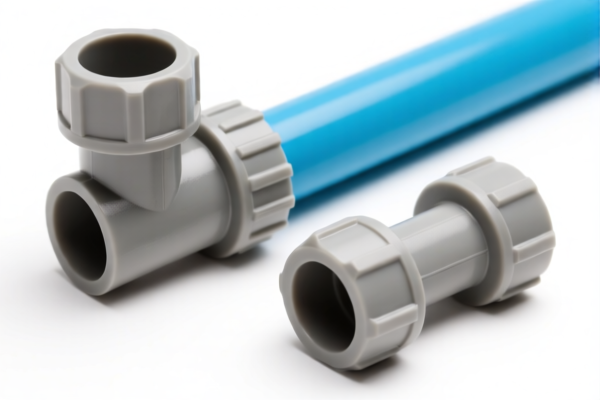
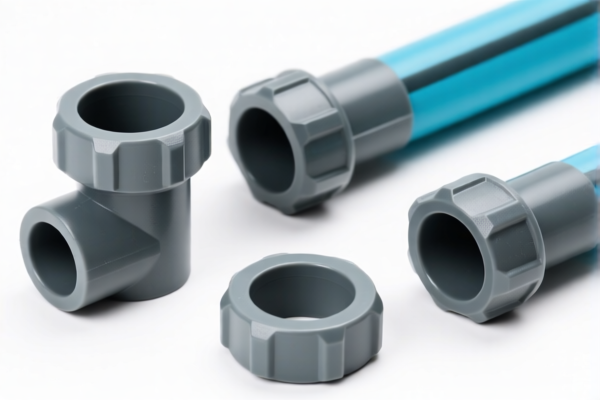
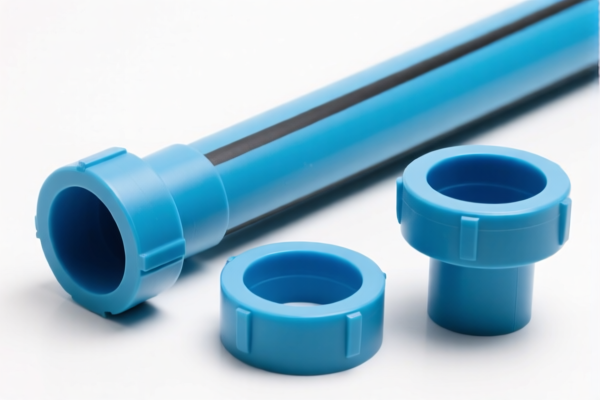
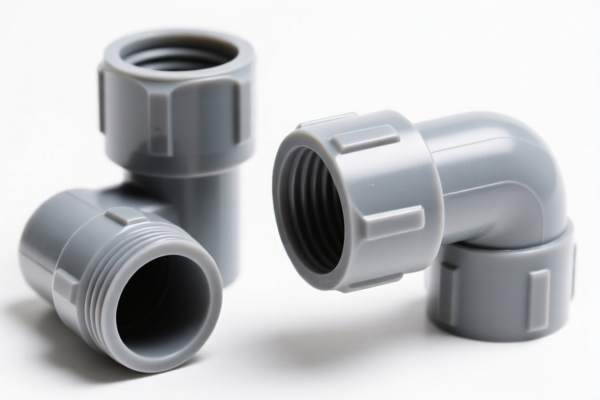
AI Analysis
🛠️ Conductive Plastic Pipe Fittings (导电塑料管件)
🌐 HS Code Reference & Customs Clearance Guide | 2026 Latest Tariff Analysis | Professional Clearance Strategy
📌 I. Product Definition & Classification: Do You Really Understand "Conductive Plastic Pipe Fittings"?
Conductive plastic pipe fittings are specialized components used in fluid or electrical conduction systems. They are typically made of plastic materials infused with conductive agents (such as carbon black or metal fibers) to provide grounding or signal transmission capabilities. In international trade, they are classified differently based on their functional shape and specific application.
The core distinction lies in whether they are viewed as "Accessories" (generic connectors) or "Valves/Apparatus" (functional control devices).
⚠️ Key Distinction Point:
- If the fitting acts as a simple connector, conduit, or furniture/vehicle accessory → Classify under Chapter 39 (Plastics and Articles Thereof) or 8544 related subheadings.
- If the fitting functions as a valve, stop-cock, tap, or similar pipeline apparatus → Classify under 8481 (Tap, Cock, Valve and Similar Apparatus for Pipes, Boiler Shells, Tanks, Vats or the Like).
📦 II. HS Code Classification Details (2026 Latest Tariff Authority Comparison)
| HS Code | Product Description | Applicable Scenario | Classification Logic |
|---|---|---|---|
3926.90.99.87 |
Plastic pipe fittings (conductive material), functioning as wire conduits or connectors | Used as electrical conduit fittings or general plastic connectors; shape matches wire conduit function. | ✅ Generic Accessory: Classified under "Other articles of plastics" because it serves a supporting role (conduit connection) rather than active flow control. |
3926.30.50.00 |
Plastic pipe fittings (conductive material), classified as accessories for furniture, vehicles, or similar uses | Used as mounting brackets, connector supports, or specialized fixtures for furniture/vehicle plumbing/electrical systems. | ✅ Specific Accessory: Classified under "Other articles for furniture, coachwork, or similar uses." |
8481.80.50.40 |
Plastic pipe fittings functioning as valves or apparatus components | The fitting has valve-like functionality (e.g., one-way valve, check valve) or acts as a critical component in a valve assembly. | ⚠️ Valve/Part: Classified under "Valves" or "Parts of valves." Note: Even if plastic, if it functions as a valve part, it may shift to Chapter 84. |
8481.80.50.90 |
Plastic pipe fittings conforming to pipeline apparatus category | Standard pipeline connectors used in fluid/gas transport systems where the primary function is connecting pipes within a pressurized system. | ⚠️ Pipeline Apparatus: Classified under "Other taps, cocks, valves." This is the most common classification for functional pipe connectors in industrial plumbing. |
🔍 Important Reminder:
- "Conductive" (导电性) does not change the HS Code chapter directly; it affects the material description but the function determines the chapter (Ch 39 vs. Ch 84).
- If the item is merely a connector without flow-control or valve mechanism,8481.80.50.90is often the most accurate for industrial pipe fittings.
- If it is strictly a wire conduit connector,3926.90.99.87is appropriate.
💰 III. 2026 Latest Tariff Rate Breakdown (Including Additional Duties & Policy Surcharges)
✅ Applicable Country: United States (US)
✅ Origin: China (CN)
✅ Effective Time: 2025/2026 (Current Trade Restrictions)
🎯 1. 3926.90.99.87 —— Plastic Pipe Fittings (Wire Conduit/Connector Type)
| Item | Content |
|---|---|
| Base Tariff | 5.3% |
| Section 301 Additional Tariff | +7.5% |
| Section 122 Tariff | +10.0% |
| Total Tariff Rate | 22.8% |
| Tax Calculation | CIF Value × 22.8% |
| De Minimis Eligibility | ❌ No (High tariff rate usually excludes low-value shipments from de minimis benefits) |
| Legal Basis Path | USITC:3926.90.99.87 → Section 301: Footnote 3 → Section 122: Executive Order |
📌 Explanation:
- This code falls under Section 301 (China-specific tariffs) and Section 122 (national security tariffs on specific plastic goods).
- The total burden of 22.8% is significant.
- Risk: High scrutiny on "plastic articles" from China due to Section 122.
🎯 2. 3926.30.50.00 —— Plastic Pipe Fittings (Furniture/Vehicle Accessory Type)
| Item | Content |
|---|---|
| Base Tariff | 5.3% |
| Section 301 Additional Tariff | +7.5% |
| Section 122 Tariff | +10.0% |
| Total Tariff Rate | 22.8% |
| Tax Calculation | CIF Value × 22.8% |
| De Minimis Eligibility | ❌ No |
| Legal Basis Path | USITC:3926.30.50.00 → Section 301 → Section 122 |
📌 Note:
- Same tax burden as3926.90.99.87.
- Classification as "furniture/vehicle accessory" must be justified by end-use (e.g., mounted inside a vehicle chassis).
🎯 3. 8481.80.50.40 —— Plastic Pipe Fittings (Valve/Part Type)
| Item | Content |
|---|---|
| Base Tariff | 3.0% |
| Section 301 Additional Tariff | +25.0% |
| Section 122 Tariff | +10.0% |
| Total Tariff Rate | 38.0% |
| Tax Calculation | CIF Value × 38.0% |
| De Minimis Eligibility | ❌ No |
| Legal Basis Path | USITC:8481.80.50.40 → Section 301 → Section 122 |
📌 Critical Warning:
- Although the base tariff (3.0%) is lower, the Section 301 surcharge is 25% (vs. 7.5% for Chapter 39).
- This results in a higher total rate (38.0%).
- Do NOT classify as valve part unless it is strictly a valve component. Misclassification here leads to massive cost increases.
🎯 4. 8481.80.50.90 —— Plastic Pipe Fittings (Pipeline Apparatus Type)
| Item | Content |
|---|---|
| Base Tariff | 3.0% |
| Section 301 Additional Tariff | +25.0% |
| Section 122 Tariff | +10.0% |
| Total Tariff Rate | 38.0% |
| Tax Calculation | CIF Value × 38.0% |
| De Minimis Eligibility | ❌ No |
| Legal Basis Path | USITC:8481.80.50.90 → Section 301 → Section 122 |
📌 Strategic Insight:
- This is the standard classification for industrial pipe connectors.
- However, the 38.0% total tax is the highest among the options.
- Optimization Strategy: If the fitting can be argued as a "wire conduit connector" or "general plastic article" rather than a "valve/pipeline apparatus," switching to Chapter 39 saves 15.2% in tariffs.
🛠️ IV. Customs Clearance Practical Advice (Combat Pitfall Guide)
✅ 1. Preparation Checklist (Non-negotiable)
| Document | Required | Explanation |
|---|---|---|
| ✅ Product Specification Sheet | ✔️ | Must detail: Material (e.g., PVC, PP, PE), Conductivity level, Pressure rating, Thread size. |
| ✅ Technical Diagram | ✔️ | Show if it has moving parts (valve) or is static (connector). Static = Ch 39; Moving/Controlling = Ch 84. |
| ✅ Product Photos | ✔️ | Clear shots of threading, markings, and any "Conductive" labels. |
| ✅ Commercial Invoice | ✔️ | Description must be precise: "Plastic Pipe Fitting, Conductive, Non-Valve Type" or "Plastic Valve Part." |
| ✅ Origin Certificate | ✔️ | Critical for Section 122 and 301 enforcement. |
✅ 2. Declaration Strategy (Key Mantra)
🔥 "Static Connector? Go Ch 39! Valve Function? Go Ch 84! Wrong Code = 38% Tax!"
| Scenario | Correct Declaration | Wrong Declaration | Consequence |
|---|---|---|---|
| Simple Connector (no moving parts) | 3926.90.99.87 (22.8%) |
8481.80.50.90 (38.0%) |
Overpaid 15.2% taxes |
| Conduit Fitting (for wires) | 3926.90.99.87 (22.8%) |
3926.30.50.00 (22.8%) |
Same tax, but Ch 84 risk if misdescribed |
| Valve/Check Valve | 8481.80.50.40 (38.0%) |
3926.90.99.87 (22.8%) |
Underpaid tax + Penalty! Customs will reassess. |
| Furniture Mount | 3926.30.50.00 (22.8%) |
8481.80.50.90 (38.0%) |
Overpaid 15.2% taxes |
✅ 3. Special Handling Tips
| Situation | Handling Advice |
|---|---|
| Conductive Material | Explicitly state "Non-metallic" in description. If metal parts are present, ensure they don't dominate the function. |
| Section 122 Scrutiny | Be prepared to prove the product is not a strategic plastic good excluded from exemptions. Keep supply chain docs ready. |
| Valve vs. Connector | If the fitting allows flow adjustment, it’s a valve. If it just connects, it’s a connector. This is the #1 cause of misclassification. |
| Mixed Shipments | Do not mix 3926 and 8481 items in one line item. Declare separately to avoid customs audits. |
🌍 V. Global Market Clearance Comparison (2026 Latest)
| Country/Region | Recommended HS Code | Tariff Rate | Certification | Note |
|---|---|---|---|---|
| 🇺🇸 USA | 3926.90.99.87 (if connector) |
22.8% | None specific | Avoid 8481 if possible (38.0%). |
| 🇨🇳 China | 3926.90.99.87 |
5.3% | CCC (if electrical) | No Section 301/122. |
| 🇪🇺 EU | 3926.90.99 |
6.5% | CE, RoHS | No major surcharges. |
| 🇬🇧 UK | 3926.90.99 |
6.5% | UKCA, RoHS | Post-Brexit alignment with EU. |
| 🇯🇵 Japan | 3926.90.90 |
6.0% | PSE (if electrical) | Stable rates. |
📌 Conclusion:
- USA is the most expensive market due to Section 301 (7.5% or 25%) and Section 122 (10%).
- Chapter 39 is strategically preferable to Chapter 84 for non-valve fittings, saving 15.2% in total duties.
- Ensure the product description explicitly denies "valve function" if claiming Chapter 39.
📌 VI. Common Errors & Pitfall Guide (Lessons Learned)
❌ Error 1: Classifying a simple plastic elbow connector as 8481.80.50.90 (Valve).
👉 Result: Paying 38.0% instead of 22.8%. Loss: 15.2% per unit.
❌ Error 2: Calling it a "Plastic Part" without specifying if it's for pipes or valves.
👉 Result: Customs delays, requests for technical clarification, possible reclassification to higher tariff.
❌ Error 3: Ignoring Section 122 (10%).
👉 Result: Even if Section 301 is avoided, Section 122 still applies to many plastic goods from China. Total minimum is 22.8%.
❌ Error 4: Mixing "Conductive" with "Electrical Wire" (HS 8544).
👉 Result: Wrong code. Pipe fittings are not insulated wires. Stick to 3926 or 8481.
✅ Correct Approach:
"Plastic Pipe Fitting, Conductive, for Water/Gas Conduit, Non-Valve, Male/Female Thread, Model XYZ"
🎯 VII. Conclusion: Precise Classification Saves Money!
🎯 Remember the Mantra:
🔹 "Static? Ch 39 (22.8%). Valve? Ch 84 (38.0%).
🔹 "Don't pay 38% for a connector! Use Ch 39 to save 15.2%!"
🔹 "Section 122 is always there (+10%). Factor it in!"
📌 Pro Tip:
If your product is conductive but not for pressurized pipelines (e.g., for static dissipation in warehousing), argue strongly for 3926.90.99.87.
If it controls flow (even minimally), it must go to 8481.80.50.90.
Pre-classification ruling is highly recommended to avoid post-import audits.
📣 Immediate Action:
📞 Contact a licensed customs broker.
📄 Provide technical drawings showing no moving parts.
🚀 Declare as3926.90.99.87if functionally a simple connector.
💼 Save 15.2% on every shipment!
✨ Professional clearance starts with precise classification!
💼 Every percentage point counts in the age of trade tariffs!
Customer Reviews
About HS Code Classification
The Harmonized System (HS) is an internationally standardized nomenclature developed by the World Customs Organization (WCO) to classify traded products. Over 200 countries use the HS system as the basis for customs tariffs, trade statistics, and import/export regulations.
Each HS code follows a hierarchical structure:
- Chapter (2 digits) — Broad category of goods (e.g., Chapter 84: Machinery and Mechanical Appliances)
- Heading (4 digits) — More specific grouping within the chapter
- Subheading (6 digits) — Internationally standardized breakdown, used by all WCO member countries
- National subdivisions (8-10 digits) — Country-specific extensions for further classification, such as US HTSUS 10-digit codes
Correct HS code classification is essential for smooth customs clearance, accurate duty payment, and compliance with trade regulations. Misclassification can lead to customs delays, overpayment of duties, or penalties.
When importing from CN to US, the applicable tariff rates may include:
- Most-Favored-Nation (MFN) rate — The standard duty rate applied to WTO members
- General rate — Applied to countries without trade agreements
- Trade remedy duties — Additional tariffs such as Section 301 (anti-dumping), Section 232 (national security), or countervailing duties
The information provided on this page is for reference purposes only. For official classification, please consult with your local customs authority or a licensed customs broker.