Conifer Farm Fence Panel
CN → US| HS Code | Tariff Rate | Origin | Destination | Doc |
|---|---|---|---|---|
| 4407190055 | 35.0% | CN | US | Official Doc |
| 3925900000 | 40.3% | CN | US | Official Doc |
| 4407190056 | 35.0% | CN | US | Official Doc |
| 4407190092 | 35.0% | CN | US | Official Doc |
| 4407190093 | 35.0% | CN | US | Official Doc |
Product Images
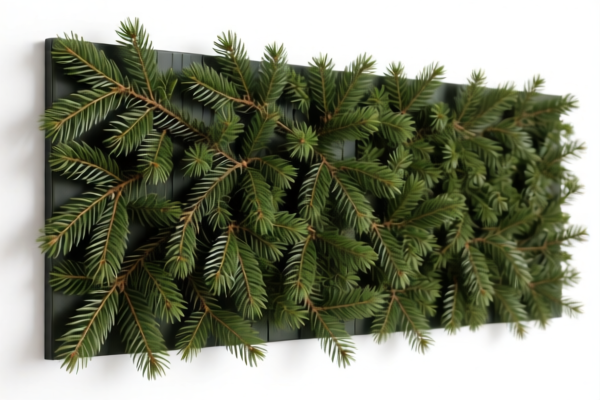

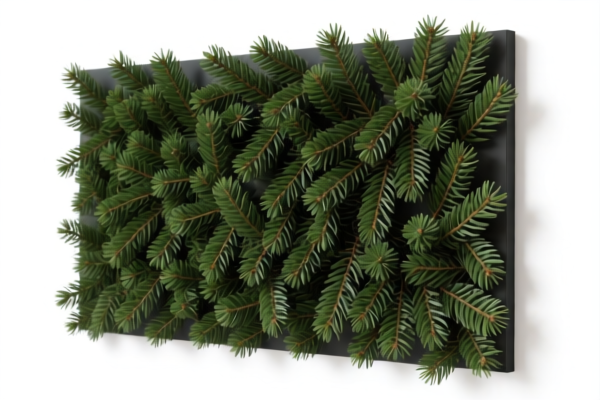

AI Analysis
🌲 Conifer Farm Fence Panel (Wooden Agricultural Barriers)
🌐 HS Code Reference & Customs Clearance Guide | 2026最新税则全解析 | Professional Clearance Strategy
📌 I. Product Definition & Classification: What Exactly is a "Conifer Farm Fence Panel"?
Conifer Farm Fence Panels are specialized agricultural and landscaping products used to create boundaries, protect livestock, or enhance garden aesthetics. In international trade, their classification hinges on two critical factors: 1. Material Composition: Are they solid wood (Coniferous), or processed/composite materials (Plastic)? 2. Processing Level: Are they simply sawn wood, or manufactured assemblies?
⚠️ Key Distinction Point:
- Solid Wood Panels: Made directly from coniferous trees (e.g., Pine, Spruce), sawn longitudinally → Classified under Chapter 44 (Wood).
- Plastic/Composite Panels: If the panel is inferred to be made of plastic materials (e.g., PVC, HDPE) for construction/fencing → Classified under Chapter 39 (Plastics).
📦 II. HS Code Classification Details (2026 Latest Tariff Authority)
| HS Code | Product Description | Material/State | Key Identification |
|---|---|---|---|
4407.19.00.55 |
Conifer Farm Fence Panel | Solid Wood (Coniferous), Longitudinally Sawn | Standard timber processing; raw fence slats |
4407.19.00.56 |
Conifer Farm Fence Panel | Solid Wood (Coniferous), Longitudinally Sawn | Similar to above; specific sub-category for agricultural use |
4407.19.00.92 |
Coniferous Wood Fence Panel | Solid Wood (Coniferous), Sliced/Sawn | General coniferous wood products for fencing |
4407.19.00.93 |
Coniferous Wood Fence Panel | Solid Wood (Coniferous), Planks | Board-like form, fitting longitudinal sawn characteristics |
3925.90.00.00 |
Fence Panel (Inferred Plastic) | Plastic (Construction/Garden Use) | If material is NOT wood but plastic/ceramic/composite |
🔍 Critical Warning:
- Wood vs. Plastic: If the product is made of plastic (even if colored like wood), it MUST be declared under 3925.90.00.00. Misclassifying plastic as wood (4407...) leads to severe penalties. - Processing Definition: Chapter 44 (4407) covers wood that is sawn, chipped, or peeled longitudinally. If the wood is further processed into complex assemblies with metal hinges, it might fall under Chapter 73 (Iron/Steel) or 46 (Basketwork), but simple "panels" stay in 44.
💰 III. 2026 Latest Tariff Rate Breakdown (Including Surcharges & Policy Add-ons)
✅ Applicable Country: United States (US)
✅ Origin: China (CN)
✅ Effective Date: Ongoing (2025-2026 Trade War Context)
🎯 1. Solid Wood Panels (4407.19.00.55, .56, .92, .93)
These codes share the exact same tax structure due to similar origin and material rules.
| Item | Content |
|---|---|
| Base Duty Rate | 0.0% (Ad Valorem) |
| Section 301 Duty (Trump/Biden Trade Tariff) | +25.0% |
| Section 122 Tariff (New Policy) | +10.0% |
| Total Effective Rate | 35.0% |
| Tax Calculation | CIF Value × 35% |
| De Minimis Exemption | ❌ NOT Eligible (deny_de_minimis) |
| Legal Basis Path | USITC:4407.19.00.xx → FOOTNOTE:301_China → FOOTNOTE:122_China |
📌 Explanation:
- 0% Base: The US generally imposes low or zero base duties on basic unprocessed/coniferous wood products. - +25% (Section 301): A long-standing tariff on Chinese goods to counter trade imbalances. - +10% (Section 122): A newer policy layer specifically targeting certain imports from China. - Total 35%: This is a high-cost entry for wood-based fence panels. You cannot ignore these surcharges.
🎯 2. Plastic Fence Panels (3925.90.00.00)
| Item | Content |
|---|---|
| Base Duty Rate | 5.3% (Ad Valorem) |
| Section 301 Duty (Trump/Biden Trade Tariff) | +25.0% |
| Section 122 Tariff (New Policy) | +10.0% |
| Total Effective Rate | 40.3% |
| Tax Calculation | CIF Value × 40.3% |
| De Minimis Exemption | ❌ NOT Eligible (deny_de_minimis) |
| Legal Basis Path | USITC:3925.90.00.00 → FOOTNOTE:301_China → FOOTNOTE:122_China |
📌 Explanation:
- 5.3% Base: Plastic building products have a higher base duty than raw wood. - Surcharge Stack: Same 25% + 10% additions apply. - Total 40.3%: This is 5.3% HIGHER than the wood category.
- Strategic Insight: Unless plastic panels are significantly cheaper to produce/ship, Wood Panels (35%) are more tariff-efficient than Plastic Panels (40.3%).
🛠️ IV. Customs Clearance Practical Advice (Real-World Pitfall Guide)
✅ 1. Required Documentation Checklist (Do Not Skip)
| Document | Must Provide? | Notes |
|---|---|---|
| ✅ Product Specification Sheet | ✔️ | Must explicitly state: "Material: Solid Coniferous Wood (e.g., Pine/Spruce)" or "Material: PVC/HDPE Plastic". Ambiguity = Risk. |
| ✅ Material Composition Certificate | ✔️ | For wood: Proof of species (Coniferous). For plastic: Proof of polymer type. |
| ✅ Commercial Invoice | ✔️ | Must match the HS Code description exactly. Avoid vague terms like "Fencing Parts." |
| ✅ Packing List | ✔️ | Detail weight and dimensions to verify CIF value. |
| ✅ Photos of Product & Label | ✔️ | Show grain texture (for wood) or mold marks (for plastic). |
✅ 2. Declaration Tips (Golden Rules)
🔥 "Material is King, Processing is Queen!"
| Scenario | Correct Declaration | Wrong Practice |
|---|---|---|
| Solid Wood Slats | 4407.19.00.55 (Coniferous, Sawn) |
Declare as "Plastic Fencing" → 40.3% (Overpay!) |
| Plastic Fencing | 3925.90.00.00 (Plastic Construction) |
Declare as "Wood" → Smuggling/Penalty Risk |
| Mixed Material (Wood + Metal Posts) | Split Declaration | Lump sum → Misclassification Risk |
| Pre-assembled Fence Kits | Check if "Assembly" changes Chapter | If fully assembled with hardware, may shift to Chapter 73 or 46 |
✅ 3. Special Handling
| Situation | Advice |
|---|---|
| Wood Treatment | If the wood is treated with chemicals (e.g., pressure-treated for rot resistance), declare "Treated Wood." Some treatments may require additional ISPM-15 phytosanitary certificates. |
| "122 Tariff" Trigger | The 10% Section 122 tariff is specific to Chinese origin. Ensure your Certificate of Origin (CO) is accurate. Re-exporting via a third country without substantial transformation does NOT exempt you. |
| De Minimis Loophole | ❌ DO NOT ATTEMPT. Both 35% and 40.3% rates are linked to deny_de_minimis. Small shipments (under $800) will still be seized or taxed. |
🌍 V. Global Market Comparison (2026 Update)
| Country/Region | Recommended HS Code | Total Duty (China Origin) | Notes |
|---|---|---|---|
| 🇺🇸 USA | 4407.19.00.55 (Wood) |
35.0% | Includes 25% (301) + 10% (122). High Cost. |
| 🇺🇸 USA | 3925.90.00.00 (Plastic) |
40.3% | Includes 5.3% Base + 25% + 10%. Highest Cost. |
| 🇪🇺 EU | 4407.19.00 |
~0-5% | No Section 301/122. Low duty if not subject to other trade defenses. |
| 🇨🇦 Canada | 4407.19.00 |
~0-5% | No major surcharges for agricultural wood. |
| 🇬🇧 UK | 4407.19.00 |
~0-5% | Post-Brexit tariffs generally lower for basic wood. |
📌 Conclusion:
- USA is the only market with punitive surcharges (35-40%).
- Wood is cheaper to import into the US than Plastic for this product category.
- EU/Canada/UK offer significant cost advantages. Consider supply chain diversification if targeting the US market heavily.
📌 VI. Common Mistakes & Pitfalls (Lessons Learned)
❌ Mistake 1: Declaring "Fence Panels" as General Wood Products without specifying "Coniferous"
👉 Consequence: Customs may reclassify to a higher base duty or require additional species verification.
❌ Mistake 2: Ignoring the Section 122 Tariff
👉 Consequence: Underpayment by 10%. Penalties + Interest applied retroactively.
❌ Mistake 3: Misidentifying Plastic as Wood
👉 Consequence: Fraud Allegations. If a plastic panel is declared as wood, you face not only the base duty difference but also potential criminal charges for tariff evasion.
❌ Mistake 4: Assuming De Minimis ($800) Applies
👉 Consequence: Package detained. All items taxed at the full 35-40% rate.
✅ Correct Approach:
"Coniferous Wood Fence Panel, Longitudinally Sawn, Untreated/Treated, For Agricultural Use, Origin: China"
🎯 VII. Conclusion: Precise Classification Saves Money!
🎯 Remember the Mantra:
🔹 "Wood vs. Plastic, 35% vs. 40%."
🔹 "301+122=35 (Wood) / 40 (Plastic). No Loophole!"
🔹 "Document Material Exactly, Avoid Penalties."
📌 Pro Tip:
If your Coniferous Fence Panels are sourced from Vietnam, Thailand, or Mexico, you may qualify for lower or zero Section 301/122 tariffs.
Action:
📞 Consult a Customs Broker for Country of Origin Verification.
🚀 Consider Supply Chain Restructuring to mitigate US tariff risks.
✨ Professional Clearance, Starting with Accurate Classification!
💼 Every Percent of Duty is a Dollar of Profit!
Customer Reviews
About HS Code Classification
The Harmonized System (HS) is an internationally standardized nomenclature developed by the World Customs Organization (WCO) to classify traded products. Over 200 countries use the HS system as the basis for customs tariffs, trade statistics, and import/export regulations.
Each HS code follows a hierarchical structure:
- Chapter (2 digits) — Broad category of goods (e.g., Chapter 84: Machinery and Mechanical Appliances)
- Heading (4 digits) — More specific grouping within the chapter
- Subheading (6 digits) — Internationally standardized breakdown, used by all WCO member countries
- National subdivisions (8-10 digits) — Country-specific extensions for further classification, such as US HTSUS 10-digit codes
Correct HS code classification is essential for smooth customs clearance, accurate duty payment, and compliance with trade regulations. Misclassification can lead to customs delays, overpayment of duties, or penalties.
When importing from CN to US, the applicable tariff rates may include:
- Most-Favored-Nation (MFN) rate — The standard duty rate applied to WTO members
- General rate — Applied to countries without trade agreements
- Trade remedy duties — Additional tariffs such as Section 301 (anti-dumping), Section 232 (national security), or countervailing duties
The information provided on this page is for reference purposes only. For official classification, please consult with your local customs authority or a licensed customs broker.