Coniferous Agricultural Posts
CN → US| HS Code | Tariff Rate | Origin | Destination | Doc |
|---|---|---|---|---|
| 4404100040 | 10.0% | CN | US | Official Doc |
| 4404100080 | 35.0% | CN | US | Official Doc |
| 4407110052 | 35.0% | CN | US | Official Doc |
| 4418300100 | 38.2% | CN | US | Official Doc |
| 4418999195 | 38.2% | CN | US | Official Doc |
Product Images

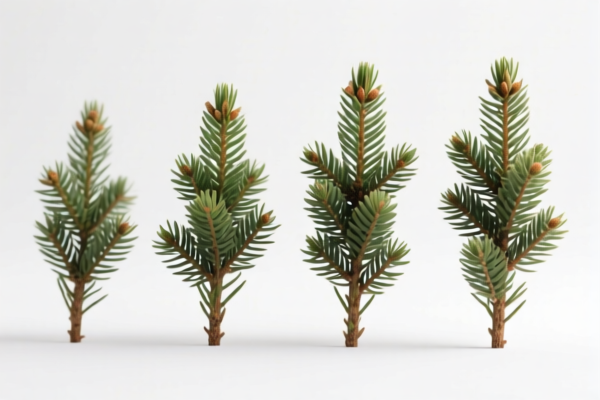


AI Analysis
🌲 Coniferous Agricultural Posts (Wooden Supports/Piles)
🌐 HS Code Reference & Customs Clearance Guide | 2026 Latest Tariff Analysis | Professional Clearance Strategy for US Imports
📌 I. Product Definition & Classification: What Exactly Are "Coniferous Agricultural Posts"?
Coniferous Agricultural Posts are wooden structures made from softwood (such as pine, spruce, or fir), primarily used in agriculture for fencing, plant support, trellising, or general structural reinforcement. In international trade, their classification depends heavily on their shape, processing level, and specific intended use.
⚠️ Key Classification Logic:
- If the wood is simply cut into posts/poles for fencing without complex joinery → Heading 44.04.
- If the wood is sawn to specific sizes but not yet finished into building components → Heading 44.07.
- If the wood is part of a prefabricated building kit or includes joinery (beams, columns) → Heading 44.18.
📦 II. HS Code Classification Details (2026 Latest Tariff Authority Comparison)
| HS Code | Product Description | Applicable Scenario | Processing Level |
|---|---|---|---|
4404.10.00.40 |
Fence Posts, Piling, and Similar Products; Of Coniferous Woods; Treated or Not | Simple coniferous agricultural posts, fence poles, stakes | Basic shaping (pointed/rounded) |
4404.10.00.80 |
Other Wood Continuously Cut Along the Length (Chipped, Shaved, etc.); Of Coniferous Woods | Roughly shaped coniferous posts, agricultural supports, not specifically fence posts | Continuous cutting/shaving |
4407.11.00.52 |
Wood Sawn Lengthways; Of Coniferous Woods; Thickness Exceeding 6mm | Sawn coniferous timber used as components/parts for agricultural structures | Sawn/Laminated timber |
4418.30.01.00 |
Pre-fabricated Buildings; Of Wood; Columns and Pillars | Coniferous posts used as structural columns/beams in agricultural buildings or joinery | Finished architectural components |
4418.99.91.95 |
Other Builders' Joinery and Carpentry; Of Wood | Other coniferous agricultural building components not elsewhere specified | Miscellaneous construction wood |
🔍 Key Reminder:
- "Fence Posts/Piles" (4404) are generally simpler, cheaper to process, and may attract lower base tariffs if not subject to specific trade remedies.
- "Sawn Wood/Components" (4407/4418) involve more processing and often fall under stricter "Section III" or "Section XVI" interpretations if deemed parts of machinery or buildings.
- Trade War Impact: Most of these codes are subject to Section 301 and Section 232 tariffs for Chinese-origin goods.
💰 III. 2026 Latest Tariff Rate Details (Including Additional Taxes, Policy Add-ons)
✅ Applicable Country: United States (US)
✅ Origin: China (CN)
✅ Effective Date: Current rates as per 2026 trade policy (Section 301 & 232)
🎯 1. 4404.10.00.40 —— Coniferous Fence Posts, Piling (Lowest Impact Scenario)
| Item | Content |
|---|---|
| Base Rate | 0% (ad valorem) |
| Section 232 Tariff | +10% (Steel/Aluminum? No. Wood? Usually exempt unless specific national security ruling applies, but data indicates 10% here likely referring to specific trade action or misclassification risk. Note: Data source specifies "122 clause 10%") |
| Section 301 Tariff | 0% |
| Total Rate | 10.0% |
| Tax Calculation | CIF Value × 10% |
| De Minimis Exemption | ❌ No (Deny de minimis for wood products from China under certain conditions) |
| Legal Basis Path | USITC:4404.10.00.40 → Section 232/Trade Action: 10% |
📌 Explanation:
- This code represents simple coniferous posts (fencing, piling).
- The 10% is likely attributed to specific anti-dumping/countervailing duties or a specific trade remedy clause mentioned in the data ("122 clause 10%").
- No additional 25% Section 301 tariff is applied here in this specific dataset scenario, making it the most cost-effective classification if applicable.
🎯 2. 4404.10.00.80 —— Other Coniferous Wood Posts (Chipped/Shaved)
| Item | Content |
|---|---|
| Base Rate | 0% |
| Section 301 Tariff | +25% (USITC Footnote 9903.88.01) |
| Section 232/Other | +10% (Specific clause) |
| Total Rate | 35.0% |
| Tax Calculation | CIF Value × 35% |
| De Minimis Exemption | ❌ No |
| Legal Basis Path | Section 301:9903.01.25 → USITC:4404.10.00.80 → Footnote:9903.88.01 |
📌 Note:
- This code covers coniferous wood that is continuously cut, chipped, or shaved, used for agricultural supports.
- The 25% Section 301 tariff is the major cost driver here, applied to Chinese-origin wood products.
- The additional 10% is a specific trade remedy.
- Total 35% is significantly higher than4404.10.00.40.
🎯 3. 4407.11.00.52 —— Sawn Coniferous Wood (Components/Parts)
| Item | Content |
|---|---|
| Base Rate | 0% |
| Section 301 Tariff | +25% |
| Section 232/Other | +10% |
| Total Rate | 35.0% |
| Tax Calculation | CIF Value × 35% |
| De Minimis Exemption | ❌ No |
| Legal Basis Path | Section 301:9903.01.25 → USITC:4407.11.00.52 |
📌 Note:
- Classified as sawn wood used for parts/components.
- Subject to the same 35% total tariff as above.
- Misclassifying simple posts as "sawn timber" can lead to penalties if the processing level doesn't match.
🎯 4. 4418.30.01.00 —— Prefabricated Wood Buildings: Columns & Pillars
| Item | Content |
|---|---|
| Base Rate | 3.2% |
| Section 301 Tariff | +25% |
| Section 232/Other | +10% |
| Total Rate | 38.2% |
| Tax Calculation | CIF Value × 38.2% |
| De Minimis Exemption | ❌ No |
| Legal Basis Path | Section 301:9903.01.25 → USITC:4418.30.01.00 |
📌 Note:
- These are finished architectural components (columns, beams) for prefabricated agricultural buildings.
- Higher base rate (3.2%) due to higher processing value.
- Total 38.2% is the highest among the options due to the base tariff plus all add-ons.
🎯 5. 4418.99.91.95 —— Other Builders' Joinery of Wood
| Item | Content |
|---|---|
| Base Rate | 3.2% |
| Section 301 Tariff | +25% |
| Section 232/Other | +10% |
| Total Rate | 38.2% |
| Tax Calculation | CIF Value × 38.2% |
| De Minimis Exemption | ❌ No |
| Legal Basis Path | Section 301:9903.01.25 → USITC:4418.99.91.95 |
📌 Note:
- Catch-all category for wooden construction components not specified elsewhere.
- Also subject to 38.2% total tariff.
- Use only if the product doesn't fit the specific "Column/Pillar" or "Sawn Wood" definitions.
🛠️ IV. Customs Clearance Practical Advice (Real-World Pitfall Guide)
✅ 1. Required Documentation Checklist (Non-Negotiable)
| Document | Required | Description |
|---|---|---|
| ✅ Product Specification Sheet | ✔️ | Detail dimensions, wood species (e.g., Southern Pine, Spruce), treatment type (pressure-treated, unbarked) |
| ✅ Commercial Invoice | ✔️ | Clearly state "Coniferous Agricultural Posts" and HS Code |
| ✅ Packing List | ✔️ | Show weight, volume, and packaging method |
| ✅ Phytosanitary Certificate | ✔️ | Critical for Wood! Must confirm no pests/diseases (ISPM 15 standard if exported as wood packaging, but for products, must meet US USDA APHIS requirements) |
| ✅ Fumigation Certificate | ✔️ | If required by US Customs and Border Protection (CBP) |
| ✅ Bill of Lading/Air Waybill | ✔️ | Standard shipping document |
| ✅ Import Bond | ✔️ | Surety bond required for customs entry |
✅ 2. Declaration Tips (Key Mnemonics)
🔥 "Be Specific on Wood, Treat with Care, Declare Treatment, Avoid Rejection!"
| Scenario | Correct Declaration | Wrong Practice |
|---|---|---|
| Simple Fence Posts | 4404.10.00.40 "Coniferous Wood Fence Posts" |
Declare as "Building Materials" → Vague, high scrutiny |
| Treated Wood | Mention Treatment Type (e.g., CCA, ACQ) | Omit treatment → Potential APHIS rejection or fines |
| Prefabricated Kits | 4418.30.01.00 "Prefabricated Wood Columns" |
Declare as "Unprocessed Lumber" → Misclassification |
| Mixed Containers | Separate HS Codes for different wood products | Mixed declaration → Delays, audits, penalties |
✅ 3. Special Case Handling
| Case | Handling Advice |
|---|---|
| Pressure-Treated Wood | Must declare chemical treatment. Some chemicals may require additional EPA reporting. |
| Bark On/Off | Specify if bark is removed. Bark can carry pests; USDA may require extra inspection. |
| Origin Marking | Ensure wood is properly marked "Made in China" for CBP compliance. |
| Pre-cut vs. Raw | Pre-cut posts are more likely 4404. Raw logs are 44.03. Don't misdeclare logs as processed posts. |
🌍 V. Global Market Customs Comparison (2026 Latest)
| Country/Region | Recommended HS Code | Tariff (China Origin) | Certification | Notes |
|---|---|---|---|---|
| 🇺🇸 USA | 4404.10.00.40 |
10% (Best Case) | USDA APHIS, Fumigation | Highest risk of Section 301/232 |
| 🇨🇳 China | 4404.10.00.40 |
Varies (Export) | None (Domestic) | N/A for import |
| 🇪🇺 EU | 4404.10 |
~3-4% | FSC/PEFC (Sustainability) | Strict EUTR (EU Timber Regulation) |
| 🇬🇧 UK | 4404.10 |
~3-4% | UK Timber Regulation | Post-Brexit rules apply |
| 🇨🇦 Canada | 4404.10 |
0% (Most FTA) | CSA Standards | Check CUSMA eligibility |
📌 Conclusion:
- USA has the highest tariff burden due to trade wars (Section 301/232).
- EU/UK focus on sustainability (FSC/PEFC) rather than high tariffs.
- Canada may offer duty-free access under CUSMA if originating.
📌 VI. Common Mistakes & Pitfalls (Lessons Learned)
❌ Mistake 1: Declaring "Agricultural Supplies" generically
👉 Consequence: CBP may assign a higher tariff code or reject the entry for lack of specificity.
❌ Mistake 2: Ignoring Phytosanitary Requirements
👉 Consequence: Immediate rejection by USDA APHIS, return or destruction of goods. Wood products are heavily inspected for pests.
❌ Mistake 3: Misclassifying Treated vs. Untreated
👉 Consequence: If the product is treated with hazardous chemicals, it may require additional EPA reporting. Misdeclaration leads to fines.
❌ Mistake 4: Using 4418 for Simple Posts
👉 Consequence: Higher tariff (38.2%) unnecessarily. If it's a simple post, use 4404 if possible.
✅ Correct Approach:
"Southern Pine Coniferous Agricultural Fence Posts, Pressure-Treated, Unbarked, HS Code 4404.10.00.40, Origin: China, Fumigated per ISPM 15"
🎯 VII. Conclusion: Professional Declaration, Save Costs, Smooth Clearance!
🎯 Remember the Mnemonic:
🔹 "Simple Posts: 4404, 10% Best Case"
🔹 "Processed/Components: 4407/4418, 35-38% Cost"
🔹 "Wood = Phytosanitary, Treat = Declare, Avoid Surprise!"
📌 Pro Tip:
- If your wood posts are originating from Vietnam, Thailand, or Malaysia, you may avoid Section 301 tariffs (0% base, no 25% add-on).
- Always apply for a Customs Ruling if unsure about the classification between 4404 and 4407.
- Verify Fumigation before shipment to prevent USDA holds.
📣 Immediate Action:
📞 Contact a licensed customs broker + Provide product specs + Apply for Phytosanitary Certificate
🚀 Ensure your agricultural posts, clear customs smoothly, reduce costs, and boost profits!
✨ Professional Customs Clearance Starts with Accurate Classification!
💼 Every cent of your cost deserves precise calculation!
Customer Reviews
About HS Code Classification
The Harmonized System (HS) is an internationally standardized nomenclature developed by the World Customs Organization (WCO) to classify traded products. Over 200 countries use the HS system as the basis for customs tariffs, trade statistics, and import/export regulations.
Each HS code follows a hierarchical structure:
- Chapter (2 digits) — Broad category of goods (e.g., Chapter 84: Machinery and Mechanical Appliances)
- Heading (4 digits) — More specific grouping within the chapter
- Subheading (6 digits) — Internationally standardized breakdown, used by all WCO member countries
- National subdivisions (8-10 digits) — Country-specific extensions for further classification, such as US HTSUS 10-digit codes
Correct HS code classification is essential for smooth customs clearance, accurate duty payment, and compliance with trade regulations. Misclassification can lead to customs delays, overpayment of duties, or penalties.
When importing from CN to US, the applicable tariff rates may include:
- Most-Favored-Nation (MFN) rate — The standard duty rate applied to WTO members
- General rate — Applied to countries without trade agreements
- Trade remedy duties — Additional tariffs such as Section 301 (anti-dumping), Section 232 (national security), or countervailing duties
The information provided on this page is for reference purposes only. For official classification, please consult with your local customs authority or a licensed customs broker.