Coniferous Pulpwood Industrial
CN → US| HS Code | Tariff Rate | Origin | Destination | Doc |
|---|---|---|---|---|
| 4403210130 | 35.0% | CN | US | Official Doc |
| 4401120000 | 35.0% | CN | US | Official Doc |
| 4403230142 | 35.0% | CN | US | Official Doc |
| 4401110000 | 35.0% | CN | US | Official Doc |
Product Images
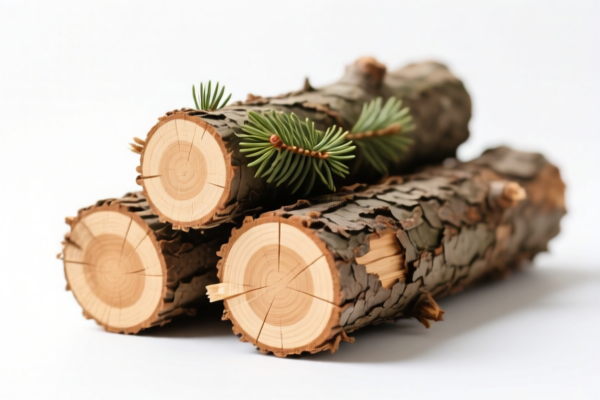
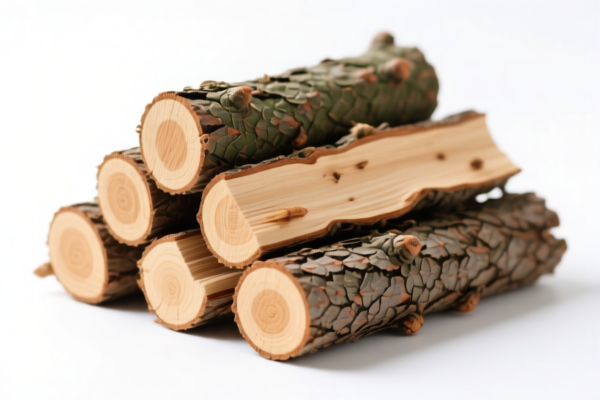
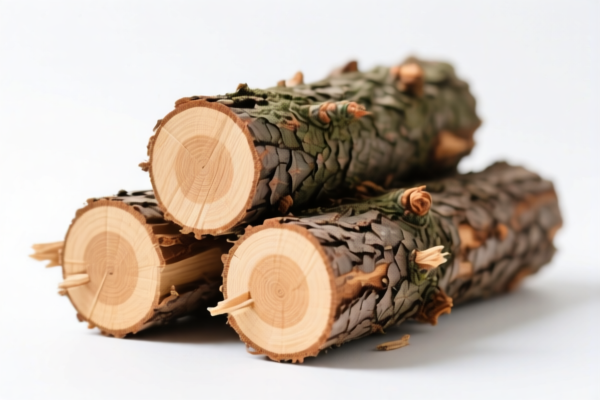
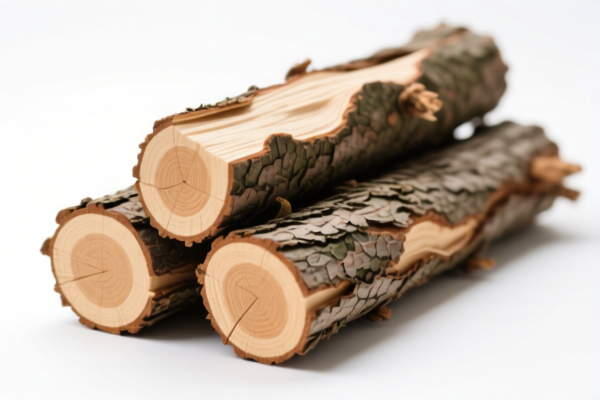
AI Analysis
🌲 Coniferous Pulpwood Industrial (Industrial Grade Coniferous Logs)
🌐 HS Code Reference & Customs Clearance Guide | 2026 Latest Tariff Analysis | Professional Customs Strategy
📌 I. Product Definition & Classification: What is "Coniferous Pulpwood Industrial"?
Coniferous Pulpwood Industrial refers to timber logs specifically intended for industrial processing, particularly for pulp and paper production. In international trade, these logs are primarily categorized based on their processing state (raw logs vs. fuel) and species type (coniferous/softwood).
The key distinction lies in whether the wood is classified as "Logs" (Chapter 44, Heading 4403) for structural or processing use, or "Wood in the Rough" (Chapter 44, Heading 4401) for fuel/energy purposes. For high-value industrial pulpwood, it is typically classified under Heading 4403 if it is seasoned or unseasoned timber intended for further conversion (sawing, planing, or pulping).
⚠️ Critical Distinction:
- If the logs are intended for energy/fuel (low-grade, mixed species, or non-specific softwood), they may fall under 4401.11 or 4401.12.
- If the logs are high-quality, specific coniferous species (e.g., Spruce, Pine) for pulp/structural use, they fall under 4403.21 or 4403.23.
- "Bottom-line" Codes: If the specific species cannot be determined or is a mix, customs may apply "catch-all" codes under 4401 or generic 4403 subheadings, triggering the same high tariffs.
📦 II. HS Code Classification Details (2026 Latest Tariff Authority Alignment)
Based on the provided <DATA>, here are the exact HS Codes applicable to Industrial Coniferous Pulpwood:
| HS Code | Product Description | Applicable Scenario | Key Characteristics |
|---|---|---|---|
4403.21.01.30 |
Industrial Logs, Matching Unprocessed Wood Primary Form | High-quality spruce/pine logs for direct pulp processing | ✅ Specific Coniferous; Unprocessed Raw Logs |
4403.23.01.42 |
Industrial Logs, Matching Other Coniferous "Bottom-line" Category | Generic/coniferous logs where specific species code 4403.21 doesn't apply | ✅ Coniferous; Generic/Unspecified Species |
4401.11.00.00 |
Industrial Logs, Matching Coniferous Fuel Wood Material & Form | Lower-grade coniferous logs intended for biomass/fuel | ✅ Coniferous; Fuel/Energy Purpose |
4401.12.00.00 |
Industrial Logs, Matching Non-Coniferous Fuel Wood "Bottom-line" Category | Note: Data indicates this is a "fallback" for industrial logs | ✅ Non-Coniferous/Mix; Fuel Purpose (Fallback) |
🔍 Important Reminder:
- Although the user input is "coniferous," the dataset includes4401.12.00.00as a "non-coniferous fuel wood fallback" (兜底类目). This implies that if the wood is deemed fuel grade rather than pulp grade, customs may force it into a different heading even if it is technically softwood.
- "Bottom-line" (兜底) Codes: These are used when specific species identification is insufficient or when the wood is a mixed lot. They carry the same high tariff rates as specific codes.
- Pulp vs. Fuel: The distinction between4403(Logs for processing) and4401(Wood for fuel) is critical for documentation, but the tariff rate remains identical (35%) for all these categories under the current US-China trade rules.
💰 III. 2026 Latest Tariff Rate Details (Including Additional Taxes & Policy Add-ons)
✅ Applicable Country: United States (US)
✅ Origin: China (CN)
✅ Effective Date: From 2025-11-10 onwards (including subsequent imports)
✅ Total Tariff Rate for ALL Listed Codes: 35.0%
All four HS Codes in the <DATA> share the exact same tax structure:
🎯 1. 4403.21.01.30 – Specific Coniferous Pulpwood Logs
| Item | Content |
|---|---|
| Base Tariff | 0.0% (Ad Valorem) |
| Section 301 Additional Tariff | +25.0% (USITC Footnote: China-origin wood products) |
| Section 122 Tariff (IEEPA) | +10.0% (Targeting specific Chinese imports, effective Nov 2025) |
| Total Rate | 35.0% |
| Tax Calculation | CIF Value × 35% |
| De Minimis Eligibility | ❌ NOT Eligible (Wood products are excluded from Section 321 de minimis) |
| Legal Basis Path | Section 301:4403 → IEEPA:122 → USITC:4403.21 |
📌 Explanation:
- "Section 301 25%": The longstanding US tariff on Chinese timber products under Trade Act Section 301.
- "Section 122 10%": A newer/specific tariff provision (likely referencing Executive Orders or USITC rulings under IEEPA) adding an extra 10% for Chinese wood products.
- Total 35%: This is a very high duty, significantly impacting profit margins.
🎯 2. 4401.11.00.00 & 4401.12.00.00 – Fuel Wood Logs (Coniferous & Non-Coniferous Fallback)
| Item | Content |
|---|---|
| Base Tariff | 0.0% |
| Section 301 Additional Tariff | +25.0% |
| Section 122 Tariff (IEEPA) | +10.0% |
| Total Rate | 35.0% |
| Tax Calculation | CIF Value × 35% |
| De Minimis Eligibility | ❌ NOT Eligible |
| Legal Basis Path | Section 301:4401 → IEEPA:122 |
📌 Note:
- Even if classified as "fuel wood" (4401), the 35% total tariff applies.
- There is no tariff advantage to classifying as fuel wood if it is imported from China.
- The "non-coniferous" code (4401.12) is included here as a "bottom-line" fallback for industrial logs that cannot be precisely identified as coniferous pulpwood.
🎯 3. 4403.23.01.42 – Other Coniferous Bottom-line Logs
| Item | Content |
|---|---|
| Base Tariff | 0.0% |
| Section 301 Additional Tariff | +25.0% |
| Section 122 Tariff (IEEPA) | +10.0% |
| Total Rate | 35.0% |
| Tax Calculation | CIF Value × 35% |
| De Minimis Eligibility | ❌ NOT Eligible |
📌 Key Point:
- This code is used when the specific species doesn't fit4403.21but is still coniferous industrial logs.
- Same 35% rate. No distinction in cost between specific and generic coniferous logs from China.
🛠️ IV. Customs Clearance Practical Advice (Real-World Pitfall Avoidance)
✅ 1. Required Documentation Checklist (Essential for Clearance)
| Document | Mandatory? | Purpose |
|---|---|---|
| ✅ Commercial Invoice | ✔️ | Must clearly state "Industrial Coniferous Logs" and HS Code. |
| ✅ Packing List | ✔️ | Detail volume (board feet/cubic meters), weight, and species breakdown. |
| ✅ Phytosanitary Certificate | ✔️ | CRITICAL: From origin country, confirming no pests/diseases (ISPM 15 compliant). |
| ✅ Species Identification Report | ✔️ | Lab test or expert verification if using "bottom-line" codes to avoid misclassification penalties. |
| ✅ Bill of Lading | ✔️ | Ensure description matches invoice and phytosanitary cert. |
| ✅ Proof of Origin | ✔️ | To confirm China origin (triggers Section 301 + 122 tariffs). |
✅ 2. Declaration Tips (Key Mantras)
🔥 "Species Must Be Clear, Phytosanitary is Key, 35% is Fixed, Don't Split Shipments!"
| Scenario | Correct Declaration | Wrong Practice |
|---|---|---|
| Mixed Species Logs | Use 4403.23.01.42 (Other Coniferous) or 4401.12 (Fuel Fallback) if non-coniferous mix |
❌ Declare as "Spruce" if it's mixed → Misclassification + Penalties |
| Fuel vs. Pulp Wood | If for pulp, use 4403; if for energy, use 4401 | ❌ Declaring pulpwood as fuel to look like "raw material" → High Scrutiny |
| Packaging | Ensure ISPM 15 stamps on pallets/fumigation certificates | ❌ Untreated wood → Rejection/Quarantine |
| Valuation | Declare CIF accurately (Cost + Insurance + Freight) | ❌ Under-declaring to save tax → Audits + Fines |
✅ 3. Special Cases Handling
| Case | Handling Advice |
|---|---|
| Origin from Vietnam/Mexico | If logs are genuine (not just transshipped) from Vietnam/Mexico, 35% tariff may be avoided. Apply for Certificate of Origin from that country. |
| "Bottom-line" Code Usage | If your logs are a mix of Spruce, Pine, and Fir, use 4403.23.01.42. Provide a species summary report. |
| Wood Pest Issues | US CBP and USDA APHIS are strict on wood. Phytosanitary Cert is non-negotiable. |
| Section 122 Tariff | This 10% is new/specific. Ensure your customs broker is aware of the effective date (Nov 2025) to avoid surprise duties. |
🌍 V. Global Market Comparison (2026 Latest)
| Country/Region | Recommended HS Code | Tariff (China Origin) | Certification Requirement | Notes |
|---|---|---|---|---|
| 🇺🇸 USA | 4403.21.01.30 / 4403.23.01.42 |
35% (0% Base + 25% Sec 301 + 10% Sec 122) | Phytosanitary + ISPM 15 | Highest Tariff Market |
| 🇨🇳 China | 4403.21.00.00 |
0-5% (Import Duty) | None (if domestic) | N/A for export |
| 🇪🇺 EU | 4403.21.00.00 |
0% (GSP/EBA if eligible) | FLEGT/VLPA (if African origin) | No Section 301/122 |
| 🇯🇵 Japan | 4403.21.00.00 |
3.2-5.0% | Phytosanitary | Lower tariffs than US |
📌 Conclusion:
- USA is the most expensive market for Chinese coniferous pulpwood due to Section 301 + Section 122.
- No HS Code variation reduces the 35% total rate for China-origin wood.
- Supply Chain Risk: Consider sourcing from Southeast Asia (Vietnam, Laos) or North America (Canada, US) to avoid these tariffs, if quality allows.
📌 VI. Common Errors & Pitfalls (Lessons Learned)
❌ Error 1: Declaring "Softwood Logs" without specifying species
👉 Consequence: Customs may assign "Other" (4403.23) or "Fuel" (4401) codes, leading to delayed clearance for additional species verification.
❌ Error 2: Forgetting Phytosanitary Certificate
👉 Consequence: Cargo held at port, fumigation required, or destruction. Costly delays.
❌ Error 3: Under-declaring Value to Save Tax
👉 Consequence: With 35% total duty, CBP audits are frequent. Penalties + Interest.
❌ Error 4: Using "Wood Chips" or "Sawdust" Code (4401.10) for Logs
👉 Consequence: Misclassification. Logs are raw timber, not fuel biomass. Different inspection protocols.
✅ Correct Approach:
"Industrial Coniferous Logs, Species: Picea abies & Pinus sylvestris, Unprocessed, for Pulp Production, Phytosanitary Certified, ISPM 15 Treated Packaging."
🎯 VII. Conclusion: Precision in Classification, Savings in Cost
🎯 Remember Mantras:
🔹 "35% is Fixed for China, Species Must Be Clear."
🔹 "Phytosanitary is Key, No Certificate, No Entry."
🔹 "Bottom-line Codes Don't Save Money, They Just Save Time in Classification."
📌 Tips:
- If your wood is from Canada or Russia, check if Section 301 still applies (usually NO for these origins).
- Pre-ruling: Consider applying for a CBP Pre-Ruling if your wood species are unique or mixed.
- Supplier Verification: Ensure your supplier provides legitimate species identification to avoid "Misdeclaration" flags.
📣 Immediate Action:
📞 Contact a Licensed Customs Broker + Provide Species List + Verify Phytosanitary Docs
🚀 Ensure Smooth Clearance, Avoid 35% Surprise Costs, Secure Your Supply Chain!
✨ Professional Customs Clearance Starts with Accurate Classification!
💼 Every Percentage Point of Tariff Impacts Your Bottom Line!
Customer Reviews
About HS Code Classification
The Harmonized System (HS) is an internationally standardized nomenclature developed by the World Customs Organization (WCO) to classify traded products. Over 200 countries use the HS system as the basis for customs tariffs, trade statistics, and import/export regulations.
Each HS code follows a hierarchical structure:
- Chapter (2 digits) — Broad category of goods (e.g., Chapter 84: Machinery and Mechanical Appliances)
- Heading (4 digits) — More specific grouping within the chapter
- Subheading (6 digits) — Internationally standardized breakdown, used by all WCO member countries
- National subdivisions (8-10 digits) — Country-specific extensions for further classification, such as US HTSUS 10-digit codes
Correct HS code classification is essential for smooth customs clearance, accurate duty payment, and compliance with trade regulations. Misclassification can lead to customs delays, overpayment of duties, or penalties.
When importing from CN to US, the applicable tariff rates may include:
- Most-Favored-Nation (MFN) rate — The standard duty rate applied to WTO members
- General rate — Applied to countries without trade agreements
- Trade remedy duties — Additional tariffs such as Section 301 (anti-dumping), Section 232 (national security), or countervailing duties
The information provided on this page is for reference purposes only. For official classification, please consult with your local customs authority or a licensed customs broker.