Coniferous Ring Wood
CN → US| HS Code | Tariff Rate | Origin | Destination | Doc |
|---|---|---|---|---|
| 4407190001 | 35.0% | CN | US | Official Doc |
| 4407190066 | 35.0% | CN | US | Official Doc |
Product Images
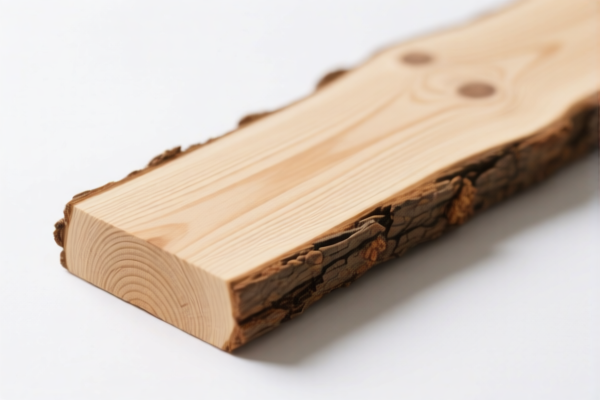
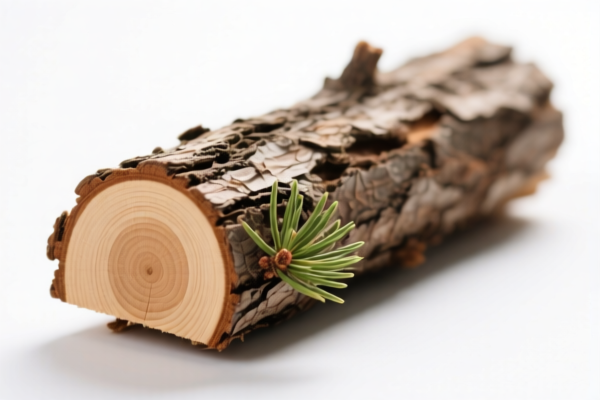
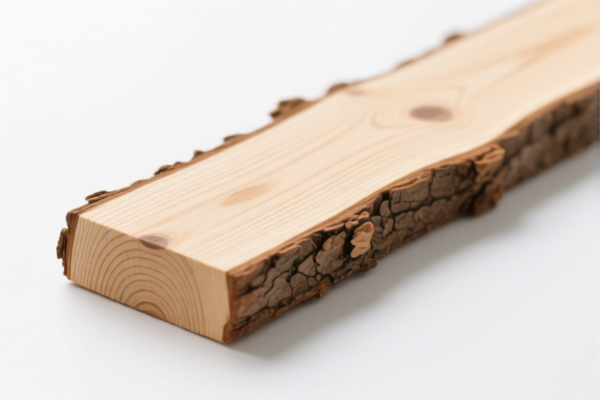
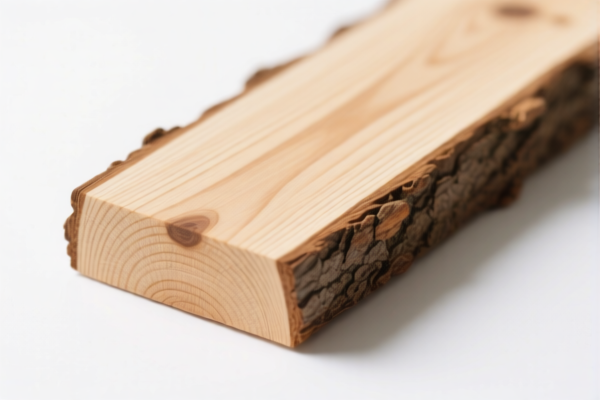
AI Analysis
🌲 Coniferous Ring Wood (Sawn/Sliced/Chipped Lengthwise)
🌐 HS Code Reference & Customs Clearance Guide | 2026 Latest Tariff Analysis | Professional Entry Strategy
📌 I. Product Definition & Classification: Do You Truly Understand "Coniferous Wood"?
Coniferous wood (often referred to as softwood in trade contexts, though technically distinct) is a critical raw material for construction, furniture, and packaging. In international trade, specifically under Chapter 44 of the Harmonized System (HS), it is classified based on processing method, species, and thickness.
The key distinction for "Coniferous Ring Wood" usually falls under HS Chapter 44.07:
"Wood sawn or chipped lengthwise, sliced or peeled, whether or not planed, sanded or end-jointed, of a thickness exceeding 6 mm."
⚠️ Key Classification Points:
- Processing: Must be lengthwise sawn, chipped, sliced, or peeled.
- Thickness: Must exceed 6 mm.
- Species: "Coniferous" includes pines, spruces, firs, larches, etc.
- Treatment/Finish: Determines if it is "Rough," "Planed," "Finger-jointed," or "End-jointed."
⚠️ Critical Distinction:
- If the wood is finger-jointed (small blocks joined to create longer lengths), it falls under specific subheadings.
- If it is Larch (Larix spp.) and rough (unprocessed), it has its own specific code.
- Do not confuse with HS 4406 (Railway Sleepers) or 4409 (Continuously Profiled).
📦 II. HS Code Classification Details (2026 Latest Tariff Authority对照)
Based on the provided data, here are the precise classifications for coniferous wood products:
| HS Code | Product Description | Application Scenario | Processing State |
|---|---|---|---|
4407.19.00.01 |
Other Coniferous Wood, Finger-jointed | Construction timber, engineered lumber, furniture components | ✅ Finger-jointed |
4407.19.00.66 |
Other Coniferous Wood, Larch (Larix spp.), Rough | Raw construction material, unprocessed timber | ✅ Rough (Not planed/sanded) |
🔍 Key Reminder:
-4407.19.00.01is for finger-jointed coniferous wood (other than larch or if not specified as rough larch).
-4407.19.00.66is specifically for Larch (Larix spp.) that is rough (un-treated, un-planed).
- Both are classified under 4407.19 ("Other" coniferous wood not elsewhere specified).
💰 III. 2026 Latest Tariff Rate Breakdown (Including Additional Duties)
✅ Applicable Country: United States (US)
✅ Origin: China (CN)
✅ Effective Time: 2025 onwards (Current Trade Policy)
🎯 1. 4407.19.00.01 —— Other Coniferous Wood, Finger-jointed
| Item | Content |
|---|---|
| Base Tariff | 0.0% (ad valorem) |
| Section 301 / Additional Tariff | +25.0% |
| Total Tariff | 25.0% |
| Tax Calculation | CIF Value × 25% |
| Legal Basis | USITC Tariff Schedule for Chapter 44, Section 301 List |
📌 Explanation:
- The base MFN (Most Favored Nation) rate for many coniferous wood products is 0%.
- However, due to Section 301 Trade Actions against China, a 25% additional tariff is applied to most wood products (including sawn wood, finger-jointed lumber).
- Total Cost Impact: Importers must budget for a 25% duty on the CIF value.
🎯 2. 4407.19.00.66 —— Other Coniferous Wood, Larch (Larix spp.), Rough
| Item | Content |
|---|---|
| Base Tariff | 0.0% (ad valorem) |
| Section 301 / Additional Tariff | +25.0% |
| Total Tariff | 25.0% |
| Tax Calculation | CIF Value × 25% |
| Legal Basis | USITC Tariff Schedule for Chapter 44, Section 301 List |
📌 Note:
- Despite being "Rough" and specifically "Larch," this code still incurs the 25% additional tariff.
- No exemption for Larch under current Section 301 exclusions (as of 2026).
- Total Tax: 25.0% applies uniformly to both finger-jointed and rough larch in this classification group.
🛠️ IV. Customs Clearance Practical Advice (Avoiding Pitfalls)
✅ 1. Required Documentation (Non-negotiable)
| Document | Must Provide? | Notes |
|---|---|---|
| ✅ Commercial Invoice | ✔️ | Must specify: "Coniferous Wood," species (e.g., Pine, Larch), thickness (>6mm), treatment status (Rough/Finger-jointed). |
| ✅ Packing List | ✔️ | Include net/gross weight, number of packages. |
| ✅ Phytosanitary Certificate | ✔️ | Critical for Wood Products. Issued by the exporting country’s plant protection agency. Must confirm pest-free status. |
| ✅ Fumigation Certificate | ✔️ | If required by ISPM 15 standards. Markings on wood must be visible. |
| ✅ Bill of Lading / Air Waybill | ✔️ | Consignee/Consignor details must match invoice. |
| ✅ Certificate of Origin | ✔️ | To verify origin (China) for tariff calculation. |
📌 Key Tip:
- No Phytosanitary Certificate = Automatic Rejection or Destruction.
- Wood products are heavily scrutinized for pests (e.g., pine wood nematode, bark beetles).
✅ 2. Declaration Tips (Critical Keywords)
🔥 "Specify Species, Specify Thickness, Specify Treatment!"
| Scenario | Correct Declaration | Wrong Declaration |
|---|---|---|
| Finger-jointed Lumber | 4407.19.00.01 - "Coniferous Wood, Finger-jointed, Pine, Thickness 20mm" |
"Wood Lumber" → Risk of misclassification |
| Rough Larch | 4407.19.00.66 - "Coniferous Wood, Larch (Larix spp.), Rough, Unplaned" |
"Softwood Planks" → Ambiguous, may be audited |
| Wood < 6mm | NOT 4407 → Likely 4408 or 4412 | Using 4407 → Denied Entry |
✅ 3. Special Considerations for Wood Products
| Issue | Handling Advice |
|---|---|
| ISPM 15 Compliance | Ensure all wood packaging (pallets, crates) has the IPP mark. If not, whole shipment may be detained. |
| Thickness Verification | Customs may inspect to confirm thickness > 6mm. If <6mm, it falls under different codes (e.g., 4408.10 for veneer sheets). |
| Species Identification | If the species is not declared, customs may assign the highest tariff code or require lab testing (DNA analysis), delaying clearance by weeks. |
| Treated vs. Untreated | "Rough" means untreated (no chemical treatment, no planing). If planed/sanded, it may still be 4407 but changes the "Other" classification. |
🌍 V. Global Market Comparison (2026)
| Country/Region | HS Code | Base Tariff | Additional Tariff | Total Tariff | Notes |
|---|---|---|---|---|---|
| 🇺🇸 USA | 4407.19.00.01 / .66 |
0% | +25% | 25% | Section 301 applies. Strict phytosanitary rules. |
| 🇨🇳 China | 4407.19.00.01 / .66 |
Varies (0-10%) | 0% | Low | China is a major importer of rough lumber. |
| 🇪🇺 EU | 4407.19.00 |
0% | 0% | 0% | Free trade for wood from many countries. Requires EUTR compliance (Timber Regulation). |
| 🇯🇵 Japan | 4407.19.00 |
0-1.5% | 0% | Low | Strict fumigation requirements. |
📌 Conclusion:
- USA: 25% tariff is significant. Plan for cost absorption or price adjustments.
- EU/Japan: Lower tariffs, but non-tariff barriers (phytosanitary, environmental compliance) are stricter.
📌 VI. Common Mistakes & Pitfalls (Lessons Learned)
❌ Mistake 1: Declaring "Wood" without specifying species or treatment.
👉 Consequence: Customs delays, potential misclassification, higher duty assessment.
❌ Mistake 2: Missing Phytosanitary Certificate.
👉 Consequence: Shipment rejected or fumigated at importer’s expense.
❌ Mistake 3: Ignoring ISPM 15 for packaging.
👉 Consequence: Whole container held until packaging is replaced/treated.
❌ Mistake 4: Confusing Finger-jointed with End-jointed or Veneer.
👉 Consequence: Incorrect HS Code → Audit or penalty.
✅ Correct Approach:
"Coniferous Wood, Sawed Lengthwise, Thickness 20mm, Species: Pine, Finger-Jointed, ISPM 15 Compliant Packaging, Phytosanitary Certificate Attached."
🎯 VII. Conclusion: Precision is Profit
🎯 Key Takeaways:
🔹 HS Codes
4407.19.00.01and.66both attract 25% additional tariff in the US.
🔹 Phytosanitary compliance is non-negotiable.
🔹 Specify species and treatment status clearly to avoid delays.
📌 Pro Tip:
If you are importing large volumes, consider Applying for a Tariff Exclusion (if available) or exploring third-country origin strategies (e.g., sourcing from Russia, Canada, or Europe to avoid Section 301). However, ensure strict origin compliance to avoid penalties.
📣 Immediate Action:
📞 Consult a licensed customs broker.
📄 Ensure all phytosanitary and fumigation documents are ready before shipping.
📦 Verify ISPM 15 markings on all wooden pallets.
✨ Professional clearance starts with accurate classification!
💼 Don’t let a 25% tariff surprise you—plan ahead!
Customer Reviews
About HS Code Classification
The Harmonized System (HS) is an internationally standardized nomenclature developed by the World Customs Organization (WCO) to classify traded products. Over 200 countries use the HS system as the basis for customs tariffs, trade statistics, and import/export regulations.
Each HS code follows a hierarchical structure:
- Chapter (2 digits) — Broad category of goods (e.g., Chapter 84: Machinery and Mechanical Appliances)
- Heading (4 digits) — More specific grouping within the chapter
- Subheading (6 digits) — Internationally standardized breakdown, used by all WCO member countries
- National subdivisions (8-10 digits) — Country-specific extensions for further classification, such as US HTSUS 10-digit codes
Correct HS code classification is essential for smooth customs clearance, accurate duty payment, and compliance with trade regulations. Misclassification can lead to customs delays, overpayment of duties, or penalties.
When importing from CN to US, the applicable tariff rates may include:
- Most-Favored-Nation (MFN) rate — The standard duty rate applied to WTO members
- General rate — Applied to countries without trade agreements
- Trade remedy duties — Additional tariffs such as Section 301 (anti-dumping), Section 232 (national security), or countervailing duties
The information provided on this page is for reference purposes only. For official classification, please consult with your local customs authority or a licensed customs broker.