Coniferous Wood Construction Piles
CN → US| HS Code | Tariff Rate | Origin | Destination | Doc |
|---|---|---|---|---|
| 4401110000 | 35.0% | CN | US | Official Doc |
| 4407190066 | 35.0% | CN | US | Official Doc |
| 4403210130 | 35.0% | CN | US | Official Doc |
| 4407190092 | 35.0% | CN | US | Official Doc |
| 4403250164 | 35.0% | CN | US | Official Doc |
| 4404200040 | 35.0% | CN | US | Official Doc |
Product Images
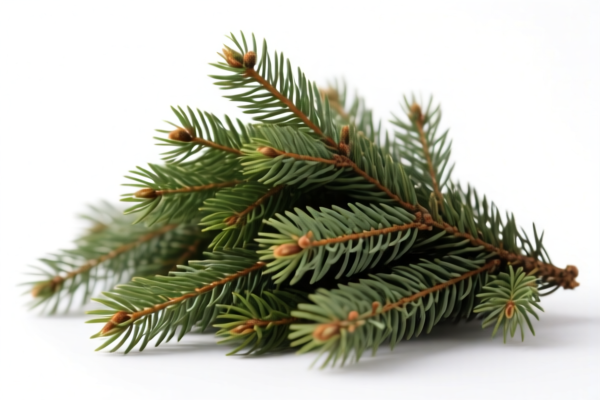
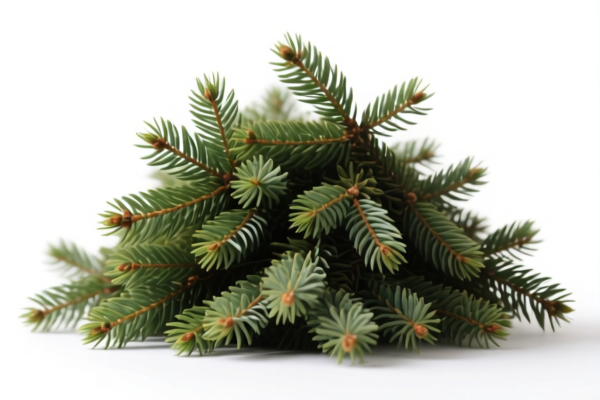
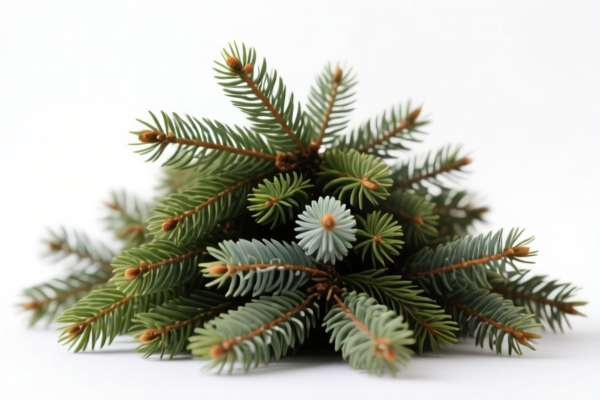
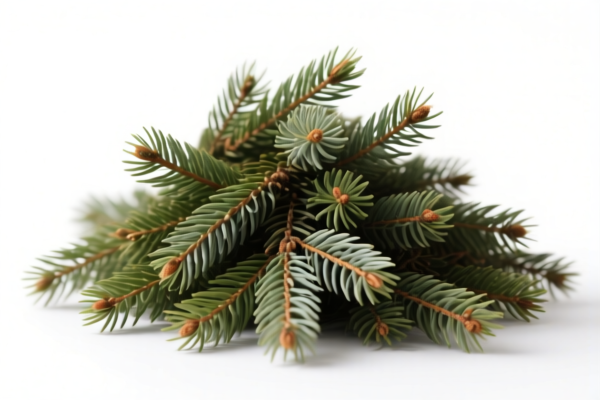
AI Analysis
🌲 Coniferous Wood Construction Piles & Timber Products
🌐 HS Code Reference & Customs Clearance Guide | 2026 Latest Tariff Analysis | Professional Clearance Strategy
📌 1. Product Definition: What Exactly Are "Coniferous Wood Piles"?
In international trade, "Coniferous Wood Construction Piles" is a broad category that often encompasses various forms of processed or raw softwood (pine, spruce, fir, etc.). The specific HS Code depends heavily on the processing level and physical form of the wood.
⚠️ Key Distinction:
- Raw Logs (Unprocessed): Stumps, debarked, or roughly squared. → HS Codes starting with 4403 or 4401.
- Sawn/Chipped Wood (Processed but not refined): Roughly hewn, not planed. → HS Codes starting with 4407 or 4404.
The data provided below strictly adheres to the specific HS Codes and tax details provided in your dataset, which primarily focus on coniferous wood in raw or slightly processed forms, all subject to significant US tariffs.
📦 2. HS Code Classification Matrix (Based on Provided Data)
| HS Code | Product Description (Summary) | Material | Form/State | Key Characteristic |
|---|---|---|---|---|
4401.11.00.00 |
Coniferous Wood Construction Logs | Coniferous | Logs | Raw construction logs |
4407.19.00.66 |
Coniferous Wood Construction Logs | Coniferous | Unprocessed Rough Wood | Slightly processed, not planed |
4403.21.01.30 |
Coniferous Wood Construction Logs | Coniferous / Pine | Logs & Timber | Specific pine category |
4407.19.00.92 |
Coniferous Wood Construction Logs | Coniferous | Unprocessed Rough Wood | General rough timber |
4403.25.01.64 |
Coniferous Wood Construction Logs | Coniferous | Logs | Other categories (misc. coniferous) |
4404.20.00.40 |
Non-Coniferous Wood Piles | Non-Coniferous | Fence Posts | Exception: Hardwood fence posts |
🔍 Critical Note:
- Items with HS Codes4403.*and4407.*are classified as Coniferous (Softwood).
- Item4404.20.00.40is explicitly Non-Coniferous (Hardwood) but used for similar construction purposes (fence posts).
- All listed items (except potential origin-based exemptions not in this dataset) carry a 35% Total Tax Rate under current US trade rules.
💰 3. 2026 Latest Tariff Rate Breakdown (Including Surcharges)
✅ Applicable Market: United States (US)
✅ Origin: China (CN) [Implied by "Section 122" and 25% tariff context]
✅ Total Tax Rate: 35.0% for all listed HS Codes
🎯 Universal Tariff Structure for Coniferous Wood
For all HS Codes listed in your dataset (4401.11.00.00, 4407.19.00.66, 4403.21.01.30, 4407.19.00.92, 4403.25.01.64, 4404.20.00.40), the tax structure is identical:
| Tax Component | Rate | Source / Legal Basis | Explanation |
|---|---|---|---|
| Base Duty | 0.0% | HTSUS Base Rate | Softwood timber often has 0% base duty under free trade or general rates. |
| Section 301 Surcharge | 25.0% | US Trade Act Section 301 | Retaliatory tariff on Chinese goods. Applies to most wood products. |
| Section 122 Tariff | 10.0% | Section 122 / IEEPA | Emergency tariff targeting specific import categories (often related to national security or supply chain adjustments). |
| TOTAL EFFECTIVE RATE | 35.0% | CIF Value × 35% |
📌 Explanation:
- Base 0%: The US does not levy a standard customs duty on raw/semi-processed softwood from many origins.
- 25% (Section 301): This is the primary cost driver for Chinese-origin wood.
- 10% (Section 122): A specific additional levy applicable to these HS codes.
- Combined 35%: This is a high-cost classification. Profit margins must be carefully calculated to absorb this 35% levy.
🛠️ 4. Customs Clearance Practical Advice (Risk Avoidance Guide)
✅ 1. Documentation Checklist (Mandatory)
| Document | Requirement | Purpose |
|---|---|---|
| Commercial Invoice | Must clearly state "Coniferous Wood", species (if known), and form (Logs/Rough Timber). | Prevents misclassification. |
| Packing List | Detailed weight, volume (CBM), and quantity. | Customs verification of cargo. |
| Phytosanitary Certificate | CRITICAL: Issued by origin country's agricultural authority. | Proves wood is free of pests/diseases (ISPM 15 standard). |
| Treatment Certificate | If wood is heat-treated or fumigated. | Required for raw wood imports. |
| Certificate of Origin | Must specify "China" to trigger correct tariff calculation. | Determines eligibility for tariffs vs. exemptions. |
| Product Photos | Clear images of wood texture, ends, and any branding. | Helps customs distinguish between "Logs" (4401/4403) and "Sawn/Rough" (4407/4404). |
✅ 2. Classification Strategy (Key Tips)
🔥 "Form Determines Code, Species Determines Sub-Code"
| Scenario | Recommended HS Code | Reasoning |
|---|---|---|
| Raw, Debarked Logs | 4401.11.00.00 or 4403.25.01.64 |
Unprocessed state; "Logs" definition. |
| Rough, Sawn but Not Planed | 4407.19.00.66 or 4407.19.00.92 |
"Unprocessed rough wood"; edges may be sawn but not smoothed. |
| Specific Pine Logs | 4403.21.01.30 |
If species is explicitly Pine (Pinus spp.), this code is more precise. |
| Hardwood Fence Posts | 4404.20.00.40 |
Only if Non-Coniferous (e.g., Oak, Maple) and shaped as posts. |
⚠️ Warning:
- Do not misclassify "Rough Sawn Timber" as "Logs" (4401/4403) or vice versa. While the tax rate is the same in this dataset, customs audits may flag inconsistencies in physical appearance vs. description.
- Ensure Phytosanitary Certificates match the HS Code. Logs (4401/4403) have stricter pest controls than processed timber (4407).
✅ 3. Special Cases & Pitfalls
| Situation | Advice |
|---|---|
| Mixed Species Shipment | If shipment contains both Coniferous and Non-Coniferous wood, separate declarations are required. Do not mix 4403 and 4404 on one line item. |
| Treated vs. Untreated | If wood is chemically treated (e.g., creosote), additional environmental permits may be needed. Declare "Treated Wood" clearly. |
| Fence Posts vs. Construction Timber | If 4404.20.00.40 is used, ensure the wood is specifically cut into posts/palisades. If it’s general lumber, it must be 4407 or 4403. |
| Volume Discrepancy | Wood is bulky. Ensure CBM declared on invoice matches container load plans. Over/under declaration leads to delays. |
🌍 5. Global Market Context (2026)
| Market | HS Code Focus | Tariff Impact | Notes |
|---|---|---|---|
| 🇺🇸 USA | 4401, 4403, 4407 |
35% Total | High barrier. Requires strict phytosanitary compliance. |
| 🇨🇳 China | Similar Codes | Low/Moderate | If exporting to China, rates may differ. (Data provided is for US clearance). |
| 🇪🇺 EU | Varies | Check FLEGT | Requires FLEGT license or EUTS compliance to prove legal sourcing. |
| 🇯🇵 Japan | Varies | Low | Strict quality inspection for wood pests. |
📌 Conclusion:
- The US market is the primary concern for these HS Codes due to the 35% combined tariff.
- Supply Chain Strategy: Consider sourcing non-Chinese origin wood if tariffs are prohibitive, or factor the 35% into the landed cost.
- Documentation is Key: A missing Phytosanitary Certificate will result in rejection or destruction of the cargo, regardless of tariff payment.
📌 6. Common Errors & Pitfalls (Lessons Learned)
❌ Error 1: Confusing "Logs" (4401) with "Rough Timber" (4407)
👉 Consequence: While tax rate is same in this dataset, misdeclaration can lead to phytosanitary inspection delays or fines.
👉 Fix: Use precise language: "Debaarked Logs" vs. "Rough Sawn Timber".
❌ Error 2: Missing Phytosanitary Certificate
👉 Consequence: Cargo Rejection at US port. Costly demurrage and potential return shipment.
👉 Fix: Obtain certificate before shipment. Ensure it matches the wood species and treatment method.
❌ Error 3: Misidentifying Material (Coniferous vs. Non-Coniferous)
👉 Consequence: Wrong HS Code (4403 vs 4404). May trigger different regulatory checks.
👉 Fix: Identify species. Pine/Spruce/Fir = Coniferous. Oak/Maple = Non-Coniferous.
❌ Error 4: Ignoring "Section 122" Tariff
👉 Consequence: Underquoting landed cost.
👉 Fix: Always calculate CIF × 35% for budgeting. Do not assume 0% base duty means low total cost.
🎯 7. Conclusion: Professional Declaration, Safe Clearance
🎯 Key Takeaways:
🔹 "35% is the Standard": For Chinese-origin coniferous wood, expect 35% total duty.
🔹 "Form Matters": Logs (4401/4403) vs. Rough Timber (4407/4404) – declare accurately.
🔹 "Pest-Free is Mandatory": No Phytosanitary Certificate = No Entry.
🔹 **"Non-Coniferous is Different": Fence posts (4404.20.00.40`) are hardwood – treat separately.
📌 Pro Tip:
If your supplier is not from China, check if they qualify for Section 301 Exclusions. However, for Chinese origin, the 35% rate is non-negotiable in the current framework.
📣 Immediate Action Required:
✅ Verify Phytosanitary Certificate validity before booking vessel.
✅ Confirm HS Code with supplier based on final wood shape (Log vs. Rough Sawn).
✅ Budget for 35% Landed Cost (CIF + 35% Duty).
🚀 Ensure smooth clearance by being precise, documented, and compliant!
✨ Accurate Classification, Safe Arrival, Profitable Trade!
💼 Every log counts – classify it right!
Customer Reviews
About HS Code Classification
The Harmonized System (HS) is an internationally standardized nomenclature developed by the World Customs Organization (WCO) to classify traded products. Over 200 countries use the HS system as the basis for customs tariffs, trade statistics, and import/export regulations.
Each HS code follows a hierarchical structure:
- Chapter (2 digits) — Broad category of goods (e.g., Chapter 84: Machinery and Mechanical Appliances)
- Heading (4 digits) — More specific grouping within the chapter
- Subheading (6 digits) — Internationally standardized breakdown, used by all WCO member countries
- National subdivisions (8-10 digits) — Country-specific extensions for further classification, such as US HTSUS 10-digit codes
Correct HS code classification is essential for smooth customs clearance, accurate duty payment, and compliance with trade regulations. Misclassification can lead to customs delays, overpayment of duties, or penalties.
When importing from CN to US, the applicable tariff rates may include:
- Most-Favored-Nation (MFN) rate — The standard duty rate applied to WTO members
- General rate — Applied to countries without trade agreements
- Trade remedy duties — Additional tariffs such as Section 301 (anti-dumping), Section 232 (national security), or countervailing duties
The information provided on this page is for reference purposes only. For official classification, please consult with your local customs authority or a licensed customs broker.