Coniferous Wood Fence Board
CN → US| HS Code | Tariff Rate | Origin | Destination | Doc |
|---|---|---|---|---|
| 4407190092 | 35.0% | CN | US | Official Doc |
| 4407190093 | 35.0% | CN | US | Official Doc |
| 3925900000 | 40.3% | CN | US | Official Doc |
| 4407190056 | 35.0% | CN | US | Official Doc |
| 4407190055 | 35.0% | CN | US | Official Doc |
Product Images
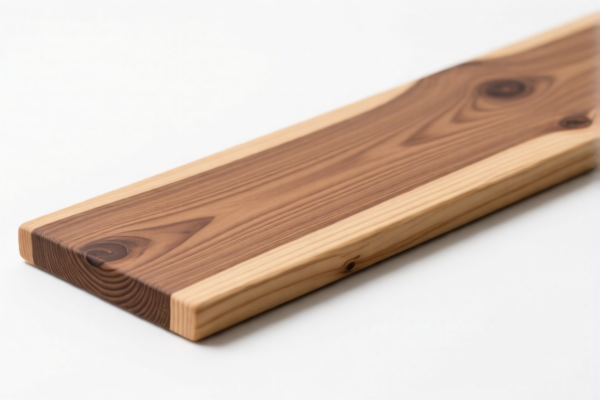
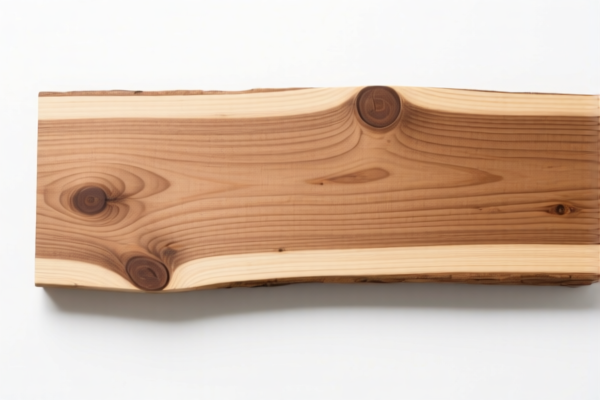
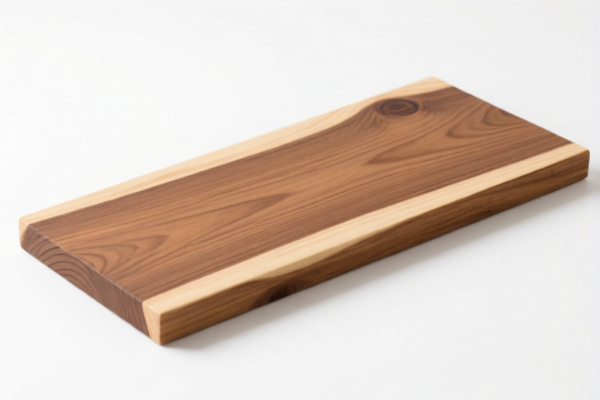
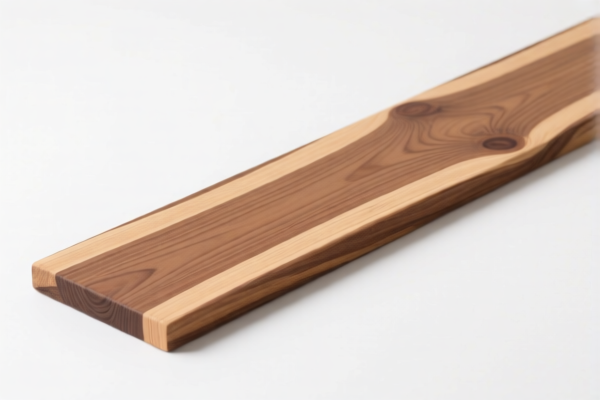
AI Analysis
🌲 Coniferous Wood Fence Board (Pine/Fir Spruce Fence Boards)
🌐 HS Code Reference & Customs Clearance Guide | 2026 Latest Tariff Analysis | Professional Clearance Strategy
📌 1. Product Definition & Classification: Do You Really Understand "Coniferous Wood Fence Boards"?
Coniferous wood fence boards are essential components for agricultural, residential, and commercial fencing. In international trade, they are classified based on material (Coniferous) and processing form (Longitudinally sawn or sliced).
Key Distinction:
- If the material is wood (even if used for fencing), it falls under Chapter 44 (Wood and Articles of Wood).
- If the material is plastic (often used in modern "farm fences"), it falls under Chapter 39 (Plastics and Articles Thereof).
- ⚠️ Critical Point: Even if labeled as a "fence board," the material determines the HS Code, not the end-use. Wooden fence boards are not classified as construction materials under Chapter 76 or 73, but as processed wood.
📦 2. HS Code Classification Details (2026 Latest Tariff Authority Comparison)
| HS Code | Product Description | Material/Form | Application |
|---|---|---|---|
4407.19.00.92 |
Coniferous wood fence boards, material: coniferous wood, form: longitudinally sawn or sliced timber. | Wood (Coniferous) | Agricultural/Residential Fencing |
4407.19.00.93 |
Coniferous wood fence boards, material: coniferous trees, form: boards, meeting characteristics of longitudinally sawn/sliced timber. | Wood (Coniferous) | Agricultural/Residential Fencing |
4407.19.00.56 |
Coniferous farm fence boards, material: coniferous species, form: longitudinally sawn wood. | Wood (Coniferous) | Farm/Rural Fencing |
4407.19.00.55 |
Coniferous farm fence boards, material: coniferous wood, form: longitudinally sawn wood. | Wood (Coniferous) | Farm/Rural Fencing |
3925.90.00.00 |
Coniferous farm fence boards, inferred use: construction/gardening fence components, likely plastic material, fits other categories. | Plastic (Inferred) | Modern/Farm Fencing |
🔍 Key Reminder:
- All wooden fence boards (Pine, Fir, Spruce) fall under 4407.19 with specific sub-codes based on slight processing variations.
- If the product is plastic but marketed as "fence board," it must be declared under 3925.90. Misclassification can lead to severe penalties.
💰 3. 2026 Latest Tariff Rate Details (Including Additional Taxes & Policy Surcharges)
✅ Applicable Country: United States (US)
✅ Origin: China (CN)
✅ Effective Date: 2025/2026 (Current Import Regulations)
🎯 1. Wooden Fence Boards (4407.19.00.92, 4407.19.00.93, 4407.19.00.55, 4407.19.00.56)
| Item | Content |
|---|---|
| Base Tariff | 0.0% (ad valorem) |
| Additional Tariff (Section 301) | +25.0% |
| IEEPA Surcharge (Section 122) | +10.0% |
| Total Tariff | 35.0% |
| Tax Calculation | CIF Value × 35% |
| De Minimis Exemption | ❌ Not Applicable |
| Legal Basis | USITC Footnote 9903.88.01 → IEEPA Section 122 → Section 301 |
📌 Explanation:
- Base Tariff 0%: Wood products often have low base duties under GATT.
- 25% Section 301 Tariff: Imposed on many Chinese wood products as part of trade tensions.
- 10% IEEPA Surcharge: Additional levy under the International Emergency Economic Powers Act for specific Chinese imports.
- Total 35%: This is a high tariff. Importers must factor this into cost calculations.
🎯 2. Plastic Fence Boards (3925.90.00.00)
| Item | Content |
|---|---|
| Base Tariff | 5.3% (ad valorem) |
| Additional Tariff (Section 301) | +25.0% |
| IEEPA Surcharge (Section 122) | +10.0% |
| Total Tariff | 40.3% |
| Tax Calculation | CIF Value × 40.3% |
| De Minimis Exemption | ❌ Not Applicable |
| Legal Basis | USITC Footnote 9903.88.01 → IEEPA Section 122 → Section 301 |
📌 Note:
- If the fence board is plastic, the base tariff is higher (5.3%), but the additional taxes are the same.
- Total 40.3%: Even higher than wooden boards.
- Critical: Ensure the material is correctly declared. If you declare plastic as wood, or vice versa, customs will reclassify and charge the higher rate + penalties.
🛠️ 4. Customs Clearance Practical Advice (Practical Pitfall Avoidance Guide)
✅ 1. Required Documentation Checklist (All Required)
| Document | Required | Description |
|---|---|---|
| ✅ Product Specification | ✔️ | Must clearly state material (Wood vs. Plastic), dimensions, treatment (e.g., pressure-treated, raw). |
| ✅ Material Certificate | ✔️ | Proof of coniferous species (Pine, Fir, Spruce) if wood. |
| ✅ Product Photos | ✔️ | Clear images showing texture, grain (if wood) or smoothness (if plastic). |
| ✅ Commercial Invoice | ✔️ | Must specify "Coniferous Wood Fence Boards" or "Plastic Fence Components" accurately. |
| ✅ Packing List | ✔️ | Detail weight, volume, and number of pieces. |
| ✅ Phytosanitary Certificate | ✔️ | Mandatory for Wood: Proof of treatment against pests (ISPM 15 standard). |
| ✅ Fumigation Certificate | ✔️ | Required for wooden products to prevent invasive species. |
✅ 2. Declaration Tips (Key Mantra)
🔥 "Material First, Treatment Second, Name Precise, Tariff Predictable!"
| Scenario | Correct Declaration | Wrong Practice |
|---|---|---|
| Wooden Fence Board | 4407.19.00.XX + Phytosanitary Cert |
Declaring as "Construction Material" → 0% base but wrong classification |
| Plastic Fence Board | 3925.90.00.00 |
Declaring as "Wood" → Penalty for fraud |
| Pressure-Treated Wood | Specify "Pressure-Treated" in description | Hiding treatment → Customs inspection delay |
| Mixed Shipments (Wood + Plastic) | Split declaration | Combining → Higher overall tax or rejection |
✅ 3. Special Case Handling
| Situation | Handling Advice |
|---|---|
| Pressure-Treated Wood | Must provide Fumigation/Heat Treatment Certificate (ISPM 15). Without it, shipment will be quarantined or destroyed. |
| Raw vs. Processed | Ensure description matches "Longitudinally Sawn" (4407). If planed or molded, different codes may apply. |
| OEM Custom Sizes | Provide drawings to confirm dimensions. Minor variations usually don’t change HS code, but major differences might. |
| Plastic Alternative | If switching from wood to plastic, ensure the product description reflects "Plastic" clearly to avoid misclassification. |
🌍 5. Global Market Comparison (2026 Latest)
| Country/Region | Recommended HS Code | Tariff (China Origin) | Certification | Notes |
|---|---|---|---|---|
| 🇺🇸 USA | 4407.19.00.XX (Wood) 3925.90.00.00 (Plastic) |
35% (Wood) 40.3% (Plastic) |
ISPM 15 (Wood) | High tariffs, strict phytosanitary checks |
| 🇨🇳 China | 4407.19 |
Low/Zero (Export) | N/A | Export-friendly, but check US import rules |
| 🇪🇺 EU | 4407.19 |
~20% (Wood) | PEFC/FSC (Sustainability) | Strict environmental regulations |
| 🇦🇺 Australia | 4407.19 |
~5-10% (Wood) | IPPC (ISPM 15) | Strict biosecurity |
📌 Conclusion:
- USA imposes 35-40.3% tariffs on these products, making cost control critical.
- Wood requires ISPM 15 phytosanitary treatment. Failure to comply results in rejection.
- Plastic alternatives are more expensive due to higher base tariffs.
📌 6. Common Errors & Pitfalls (Lessons Learned)
❌ Error 1: Declaring wooden fence boards without a Phytosanitary Certificate.
👉 Consequence: Shipment quarantined, fumigated at importer’s cost, or returned.
❌ Error 2: Declaring plastic fence boards as "Wood."
👉 Consequence: Customs reclassification, penalty, and potential fraud investigation.
❌ Error 3: Ignoring the 10% IEEPA Surcharge.
👉 Consequence: Unexpected 35-40% total tax instead of just the base rate.
❌ Error 4: Using vague terms like "Fencing Material" instead of "Coniferous Wood Fence Board."
👉 Consequence: Customs delays for classification review.
✅ Correct Practice:
"Coniferous Wood Fence Boards, Pine, Longitudinally Sawn, Pressure-Treated, ISPM 15 Certified, HS Code 4407.19.00.92"
🎯 7. Conclusion: Professional Clearance, Time-Saving, Cost-Effective!
🎯 Remember the Mantra:
🔹 "Material Defines Code, Treatment Clears Border, Tariffs are High, Declare with Care!"
🔹 "Wood 35%, Plastic 40.3%, No Phytosanitary Cert = No Entry!"
📌 Tip:
If your wooden fence boards are sourced from Vietnam, Thailand, or Malaysia (not China), you may avoid Section 301 and IEEPA surcharges, reducing the tariff to the base rate (0-5%).
👉 Recommendation: Consider supply chain diversification to mitigate US tariff risks.
📣 Immediate Action:
📞 Contact a professional customs broker + Provide Phytosanitary Certificate + Apply for HS Code Advance Ruling if unsure.
🚀 Ensure your fence boards clear customs smoothly, avoid delays, and maximize profit margins!
✨ Professional Clearance Starts with Accurate Classification!
💼 Every dollar of tax paid should be optimized!
Customer Reviews
About HS Code Classification
The Harmonized System (HS) is an internationally standardized nomenclature developed by the World Customs Organization (WCO) to classify traded products. Over 200 countries use the HS system as the basis for customs tariffs, trade statistics, and import/export regulations.
Each HS code follows a hierarchical structure:
- Chapter (2 digits) — Broad category of goods (e.g., Chapter 84: Machinery and Mechanical Appliances)
- Heading (4 digits) — More specific grouping within the chapter
- Subheading (6 digits) — Internationally standardized breakdown, used by all WCO member countries
- National subdivisions (8-10 digits) — Country-specific extensions for further classification, such as US HTSUS 10-digit codes
Correct HS code classification is essential for smooth customs clearance, accurate duty payment, and compliance with trade regulations. Misclassification can lead to customs delays, overpayment of duties, or penalties.
When importing from CN to US, the applicable tariff rates may include:
- Most-Favored-Nation (MFN) rate — The standard duty rate applied to WTO members
- General rate — Applied to countries without trade agreements
- Trade remedy duties — Additional tariffs such as Section 301 (anti-dumping), Section 232 (national security), or countervailing duties
The information provided on this page is for reference purposes only. For official classification, please consult with your local customs authority or a licensed customs broker.