Coniferous Wood Fence Panel
CN → US| HS Code | Tariff Rate | Origin | Destination | Doc |
|---|---|---|---|---|
| 4407190001 | 35.0% | CN | US | Official Doc |
| 4407190092 | 35.0% | CN | US | Official Doc |
Product Images
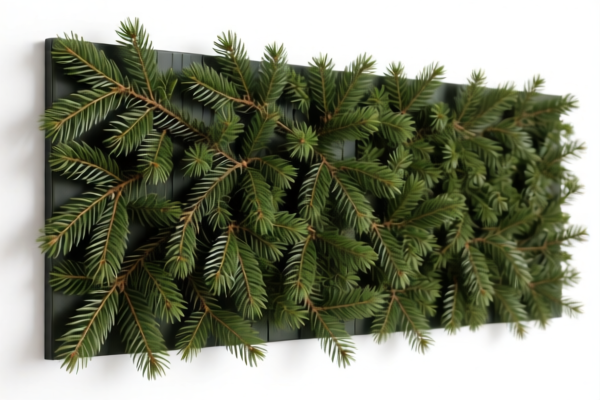

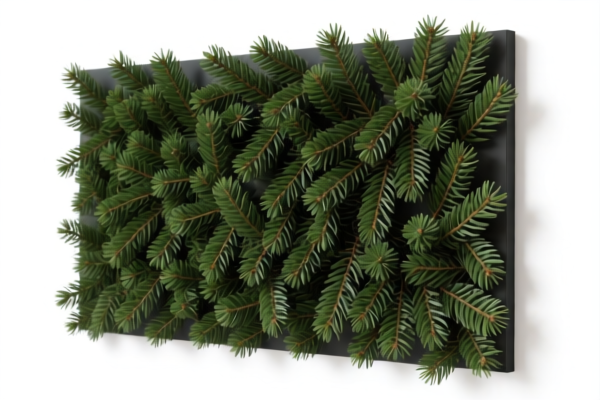
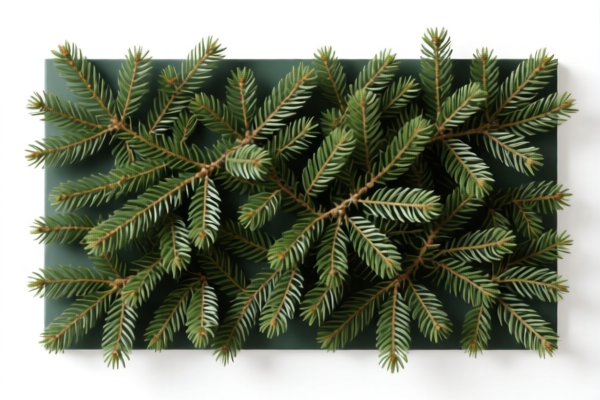
AI Analysis
🪵 Coniferous Wood Fence Panel (Wood Sawn/Chipped Lengthwise)
🌐 HS Code Reference & Customs Clearance Guide | 2026 Updated Tariff Rules | Expert-Level Clearance Strategy
📌 I. Product Definition & Classification: Do You Really Understand "Wood Fence Panels"?
Wood fence panels, specifically those made from coniferous wood (such as pine, spruce, or fir), are primarily categorized under Chapter 44 of the Harmonized System as processed wood, not finished furniture or construction materials. In international trade, the key distinction lies in the processing method and thickness.
Rough/Lumber Boards (Planks): Wood sawn, chipped, sliced, or peeled, whether or not planed, sanded, or end-jointed, with a thickness exceeding 6 mm. This includes finger-jointed boards and rough-sawn timber used for DIY or industrial fencing.
⚠️ Key Distinction:
- If the wood is sawn lengthwise, sliced, or peeled (regardless of planing/sanding) and is >6mm thick, it falls under Heading 4407.
- If it is merely "cut to size" without being processed through sawing/chipping/slicing machinery in the specific manner defined by HS notes, it might fall under different categories, but standard fence panels from raw logs are 4407.
- Finger-Jointed: Common in high-quality fence panels to use short pieces of wood. These are explicitly covered under "Other" subcategories of 4407.19.
📦 II. HS Code Classification Details (2026 Latest Tariff Authority Comparison)
Based on your input data, we strictly adhere to the provided HS codes.
| HS Code | Product Description | Applicable Scenario | Tax Rate Details |
|---|---|---|---|
4407.19.00.01 |
Wood sawn/chipped lengthwise, sliced/peeled (>6mm), Coniferous: Other Finger-jointed | High-quality fence panels made from finger-jointed coniferous wood (e.g., pine, spruce) for premium outdoor use. | Base: 0.0% Additional: 25.0% Total: 25.0% |
4407.19.00.92 |
Wood sawn/chipped lengthwise, sliced/peeled (>6mm), Coniferous: Other Other: Not treated: Other: Rough | Rough-sawn, untreated coniferous wood planks/boards for fencing. Includes basic, unpainted, unvarnished lumber. | Base: 0.0% Additional: 25.0% Total: 25.0% |
🔍 Critical Note:
- Both codes fall under Coniferous Wood (4407.19).
- The difference lies in the processing state:
-4407.19.00.01: Specifically for Finger-Jointed products.
-4407.19.00.92: For Rough, Untreated, Other forms (non-finger-jointed).
- Both carry a total tariff of 25.0%, but misclassification can lead to customs delays or penalties.
💰 III. 2026 Latest Tariff Rate Breakdown (Detailed Tax Clauses)
✅ Applicable Country: United States (US)
✅ Origin: China (CN)
✅ Effective Time: 2025/2026 (Current Tariff Regime)
🎯 1. 4407.19.00.01 – Coniferous Wood, Finger-Jointed
| Item | Content |
|---|---|
| Base Tariff | 0% (ad valorem) |
| Additional Tariff (Section 301) | +25.0% |
| Total Tax Rate | 25.0% |
| Tax Calculation | CIF Value × 25% |
| De Minimis Exemption | ❌ Not Applicable (Deny de minimis for HS 4407 under current trade policies) |
| Legal Basis | USITC HTSUS 4407.19.00.01 → Section 301 List 4A |
📌 Explanation:
- The 0% base tariff reflects standard MFN rates for wood products.
- The +25% additional tariff is imposed under Section 301 of the Trade Act of 1974 against Chinese imports.
- No duty drawback or de minimis exemption applies for this category.
🎯 2. 4407.19.00.92 – Coniferous Wood, Rough/Untreated/Other
| Item | Content |
|---|---|
| Base Tariff | 0% (ad valorem) |
| Additional Tariff (Section 301) | +25.0% |
| Total Tax Rate | 25.0% |
| Tax Calculation | CIF Value × 25% |
| De Minimis Exemption | ❌ Not Applicable |
| Legal Basis | USITC HTSUS 4407.19.00.92 → Section 301 List 4A |
📌 Note:
- Despite being "rough" or "untreated," it is still subject to the same 25% additional tariff as finger-jointed wood.
- "Untreated" means no chemical preservatives, paints, or stains have been applied. If treated, it may fall under HS 4406 (Railway Sleepers) or 4421 (Other Wood Articles), but standard fencing boards are 4407.
🛠️ IV. Customs Clearance Practical Advice (Avoid Pitfalls)
✅ 1. Required Documentation Checklist
| Document | Required | Description |
|---|---|---|
| ✅ Commercial Invoice | ✔️ | Must clearly state "Coniferous Wood Fence Panel" and specify "Finger-Jointed" or "Rough/Uncut". |
| ✅ Packing List | ✔️ | Detail dimensions, weight, and number of pieces. |
| ✅ Wood Treatment Certificate | ✔️ | ISPM 15 Certificate is mandatory if wood is raw and unprocessed, to prevent pest import. |
| ✅ Bill of Lading/Air Waybill | ✔️ | Standard shipping document. |
| ✅ Product Photos | ✔️ | Show grain, thickness, and end-joints (if finger-jointed) to verify HS code. |
| ✅ Country of Origin Certificate | ✔️ | Confirm CN origin to assess Section 301 applicability. |
✅ 2. Declaration Tips (Key Phrases)
🔥 "Be Precise: 'Sawn Lengthwise' > 'Panel'!"
| Scenario | Correct Declaration | Incorrect Declaration |
|---|---|---|
| Fence Panel made of Pine Planks | 4407.19.00.92 – "Coniferous Wood, Sawn Lengthwise, Rough" |
"Wooden Fence Panel" (Too vague → Risk of audit) |
| High-End Fence Panel (Finger-Jointed) | 4407.19.00.01 – "Coniferous Wood, Finger-Jointed" |
"Furniture Part" → Wrong Chapter! |
| Treated/Stained Wood Panel | Check 4406 or 4421 | 4407.19.00.92 → If treated, it's not "Untreated"! |
✅ 3. Special Considerations
| Situation | Recommendation |
|---|---|
| Wood Thickness ≤6mm | Not 4407! Check 4408 (Veneers) or 4421 (Other wood articles). |
| Treated with Preservatives | May fall under 4406 (Railway Sleepers) if specific, or 4421. Requires ISPM 15. |
| Kit for Assembly | If sold as a kit with metal posts, declare separately. Wood parts → 4407. |
| Origin: Non-China | If from Canada/Russia, no 25% tariff applies. Provide Certificate of Origin. |
🌍 V. Global Market Comparison (2026 Update)
| Country/Region | Recommended HS Code | Tariff (CN Origin) | Certification | Notes |
|---|---|---|---|---|
| 🇺🇸 USA | 4407.19.00.01 / .92 |
25% | ISPM 15 | High duty due to Section 301. |
| 🇨🇳 China | 4407.19.00.01 / .92 |
0% | None | Domestic trade, no tariff. |
| 🇪🇺 EU | 4407.19.00.01 / .92 |
0% (if MFN) | FSC/PEFC preferred | No Section 301, but strict phytosanitary rules. |
| 🇬🇧 UK | 4407.19.00.01 / .92 |
0% (if UK-China FTA avail.) | UKCA/Phytosanitary | Check post-Brexit tariffs. |
| 🇯🇵 Japan | 4407.19.00.01 / .92 |
0-5% | Phytosanitary | CITES if exotic species. |
📌 Conclusion:
- USA is the highest-cost market for Chinese coniferous wood products due to the 25% Section 301 tariff.
- EU/UK/Japan are more favorable tariff-wise, but phytosanitary controls are extremely strict.
📌 VI. Common Mistakes & Pitfalls (Lessons Learned)
❌ Mistake 1: Declaring "Wood Fence Panel" without specifying "Sawn Lengthwise" or "Thickness"
👉 Consequence: Customs may reclassify under 4421 (Other Wood Articles) with different duties, causing delays.
❌ Mistake 2: Forgetting ISPM 15 for raw wood
👉 Consequence: Shipment held, fumigated, or returned at importer's expense. Mandatory for raw wood!
❌ Mistake 3: Claiming "Treated" when it is "Untreated"
👉 Consequence: Misdeclaration. If treated, it may require chemical safety disclosures (TSCA in USA).
❌ Mistake 4: Using "Finger-Jointed" for rough-sawn planks
👉 Consequence: Wrong HS code (4407.19.00.01 vs .92). While tax is same, accuracy prevents audits.
✅ Correct Practice:
"Coniferous Wood Fence Panels, Sawn Lengthwise, Pine, Untreated, Rough, 1.5m x 2m, ISPM 15 Marked, HS Code 4407.19.00.92"
🎯 VII. Conclusion: Professional Declaration, Save Cost!
🎯 Remember:
🔹 "Wood >6mm, Sawn Lengthwise = 4407"
🔹 "Finger-Jointed = .01, Rough/Untreated = .92"
🔹 "25% Tariff for CN Origin to USA"
🔹 "ISPM 15 is Non-Negotiable for Raw Wood"
📌 Tips:
- If your wood is treated with fire retardants or preservatives, consult a customs broker for 4406 or 4421 classification.
- For USA imports, budget for 25% additional duty.
- For EU/UK, ensure phytosanitary certificates are perfect to avoid detention.
📣 Immediate Action:
📞 Contact a licensed customs broker + Provide Product Photos + Verify ISPM 15 Marking
🚀 Let your wood panels clear smoothly, avoid fines, and protect your margin!
✨ Professional Clearance Starts with Accurate Classification!
💼 Every percentage point of tariff counts!
Customer Reviews
About HS Code Classification
The Harmonized System (HS) is an internationally standardized nomenclature developed by the World Customs Organization (WCO) to classify traded products. Over 200 countries use the HS system as the basis for customs tariffs, trade statistics, and import/export regulations.
Each HS code follows a hierarchical structure:
- Chapter (2 digits) — Broad category of goods (e.g., Chapter 84: Machinery and Mechanical Appliances)
- Heading (4 digits) — More specific grouping within the chapter
- Subheading (6 digits) — Internationally standardized breakdown, used by all WCO member countries
- National subdivisions (8-10 digits) — Country-specific extensions for further classification, such as US HTSUS 10-digit codes
Correct HS code classification is essential for smooth customs clearance, accurate duty payment, and compliance with trade regulations. Misclassification can lead to customs delays, overpayment of duties, or penalties.
When importing from CN to US, the applicable tariff rates may include:
- Most-Favored-Nation (MFN) rate — The standard duty rate applied to WTO members
- General rate — Applied to countries without trade agreements
- Trade remedy duties — Additional tariffs such as Section 301 (anti-dumping), Section 232 (national security), or countervailing duties
The information provided on this page is for reference purposes only. For official classification, please consult with your local customs authority or a licensed customs broker.