Coniferous Wood Posts
CN → US| HS Code | Tariff Rate | Origin | Destination | Doc |
|---|---|---|---|---|
| 7308906000 | 85.0% | CN | US | Official Doc |
| 7308909590 | 85.0% | CN | US | Official Doc |
| 4418300100 | 38.2% | CN | US | Official Doc |
| 4418999195 | 38.2% | CN | US | Official Doc |
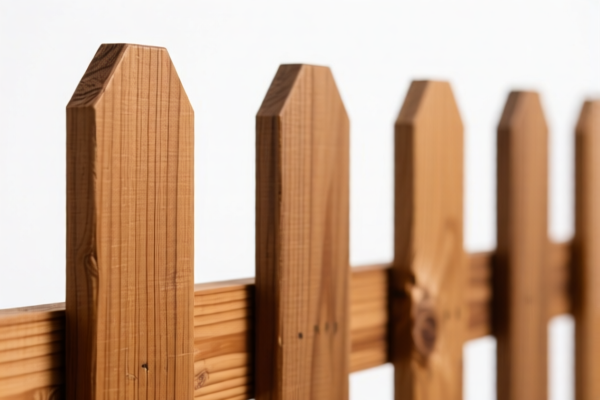
Product Images



AI Analysis
🌲 Coniferous Wood Posts (Agricultural Support Structures)
🌐 HS Code Reference & Customs Clearance Guide | 2026 Latest Tariff Analysis | Professional Clearance Strategy
📌 I. Product Definition & Classification: What Are "Coniferous Wood Posts"?
Coniferous wood posts, often referred to as agricultural stakes or poles, are essential structural components used in farming, viticulture, and greenhouse construction. They provide vertical support for crops, fencing, or trellises. In international trade, these products are classified based on their material composition and structural form.
There are two primary material categories for these posts: 1. Iron/Steel Posts: Often coated or treated for outdoor durability, these fall under steel structural articles. 2. Coniferous Wood Posts: Made from softwood (pine, fir, spruce, etc.), these are classified as wood products.
⚠️ Critical Distinction:
- If the post is made of steel/iron → It is classified under Chapter 73 (Articles of Iron or Steel).
- If the post is made of coniferous wood → It is classified under Chapter 44 (Wood and Articles of Wood).
- Misclassification Risk: Declaring steel posts as wood (or vice versa) can lead to severe penalties, as the tariff rates differ drastically (85% vs. 38.2%).
📦 II. HS Code Classification Details (2026 Latest Tariff Authority)
| HS Code | Product Description | Material | Structural Form | Applicable Scenario |
|---|---|---|---|---|
7308.90.60.00 |
Coniferous Agricultural Posts (Steel/Iron) | Iron or Steel | Column, Support, Pole | Steel agricultural stakes, treated metal poles |
7308.90.95.90 |
Structural Parts of Iron/Steel | Iron or Steel | Structural Component | Generic steel support structures for agriculture |
4418.30.01.00 |
Coniferous Wood Posts | Coniferous Wood | Post/Piling | Wooden stakes, pine/fir agricultural poles |
4418.99.91.95 |
Other Wood Construction Articles | Coniferous Wood | Structural Wood Part | Specialized wooden structural components, other wood poles |
🔍 Key Reminder:
- Steel Posts (7308...) are subject to higher tariffs (85%) due to USITC Section 301 and Section 122 measures.
- Wooden Posts (4418...) have a lower total tariff (38.2%), making them potentially more cost-effective if logistics allow.
- Do not mix materials in a single shipment declaration without clear segregation, as this triggers customs audits.
💰 III. 2026 Latest Tariff Rate Breakdown (Including Surcharges & Policy Add-ons)
✅ Applicable Country: United States (US)
✅ Country of Origin: China (CN)
✅ Effective Date: From 2025-11-10 onwards (for subsequent imports)
🎯 1. Steel/Iron Posts (7308.90.60.00 & 7308.90.95.90)
| Item | Content |
|---|---|
| Base Tariff | 0.0% (ad valorem) |
| USITC Surcharge (Section 301) | +25.0% |
| Section 122 Surcharge | +10.0% (Specific to Steel/Aluminum/Copper) |
| Section 122 Surcharge (Steel) | +50.0% (Specific to Steel products under specific provisions) |
| Total Tariff Rate | 85.0% |
| Tax Calculation | CIF Value × 85% |
| De Minimis Eligibility | ❌ No (denied_de_minimis) |
| Legal Basis Path | USITC:7308.90.60.00 → FOOTNOTE:301.88.01 → IEEPA:9903.01.25 |
📌 Explanation:
- The 25% USITC surcharge is part of the Section 301 trade remedy against China.
- The 10% + 50% Section 122 surcharge applies specifically to steel imports, bringing the total to 85%.
- This is an extremely high tariff, significantly impacting cost competitiveness.
🎯 2. Coniferous Wood Posts (4418.30.01.00 & 4418.99.91.95)
| Item | Content |
|---|---|
| Base Tariff | 3.2% (ad valorem) |
| USITC Surcharge (Section 301) | +25.0% |
| Section 122 Surcharge | +10.0% |
| Total Tariff Rate | 38.2% |
| Tax Calculation | CIF Value × 38.2% |
| De Minimis Eligibility | ❌ No (denied_de_minimis) |
| Legal Basis Path | USITC:4418.30.01.00 → FOOTNOTE:301.88.01 → IEEPA:9903.01.25 |
📌 Note:
- While still subject to Section 301 and Section 122 surcharges, the base tariff for wood is higher (3.2%), but the total rate (38.2%) is less than half of the steel rate (85%).
- Wooden posts are significantly more tariff-efficient for US importers.
🛠️ IV. Customs Clearance Practical Advice (Avoid Pitfalls)
✅ 1. Documentation Checklist (Mandatory)
| Document | Required? | Description |
|---|---|---|
| ✅ Product Specification Sheet | ✔️ | Must specify material (Wood vs. Steel), dimensions, treatment (e.g., pressure-treated, galvanized) |
| ✅ Material Certificate | ✔️ | Critical for distinguishing Chapter 44 (Wood) vs. Chapter 73 (Steel) |
| ✅ Commercial Invoice | ✔️ | Clearly state "Coniferous Wood Posts" or "Steel Support Poles" |
| ✅ Packing List | ✔️ | Detail weight, volume, and number of posts per carton |
| ✅ Phytosanitary Certificate | ✔️ | Mandatory for Wood (4418...) to prove no pests/diseases |
| ✅ Fumigation Certificate | ✔️ | Required for wood packaging or untreated wood |
⚠️ Warning:
- For wooden posts, failure to provide a Phytosanitary Certificate will result in quarantine hold or return.
- For steel posts, ensure no "wooden packaging" (pallets/crates) is untreated, as this also triggers phytosanitary checks.
✅ 2. Declaration Tips (Key Rules)
🔥 “Material First, Structure Second, Declare Precisely!”
| Scenario | Correct Declaration | Incorrect Practice |
|---|---|---|
| Wooden Stakes | 4418.30.01.00 "Coniferous Wood Posts" |
Misdeclare as steel to avoid wood regulations → Penalty + Return |
| Galvanized Steel Poles | 7308.90.60.00 "Steel Support Poles" |
Declare as "Agricultural Equipment" → Incorrect Chapter |
| Mixed Shipment (Wood + Steel) | Separate HS Codes on Invoice | Mixed declaration → Customs Audit Delay |
| Wood with Metal Bands | Declare as Wood (if wood is main content) | Declare as Steel if metal is minor → Incorrect |
✅ 3. Special Case Handling
| Scenario | Handling Advice |
|---|---|
| Pressure-Treated Wood | Must declare chemical treatment; ensure compliance with EPA/USDA regulations |
| Steel Posts with Wooden Caps | If steel is the primary material, classify under 7308... |
| Custom-Fit Agricultural Frames | If assembled, may still fall under 7308... or 4418... depending on material |
| Re-used/Recycled Wood | Higher scrutiny for pests; strict phytosanitary checks required |
🌍 V. Global Market Comparison (2026 Latest)
| Country/Region | Recommended HS Code | Tariff Rate | Certification Requirements | Notes |
|---|---|---|---|---|
| 🇺🇸 USA | 4418.30.01.00 (Wood) |
38.2% | Phytosanitary + Fumigation | Steel: 85% |
| 🇺🇸 USA | 7308.90.60.00 (Steel) |
85.0% | None (but high cost) | Avoid if possible |
| 🇪🇺 EU | 4418.30.00.00 |
~5-15% | FSC/PEFC (Sustainability) | No Section 301/122 |
| 🇨🇳 China | 4418.30.00.00 |
0-5% | None | Export-friendly |
| 🇬🇧 UK | 4418.30.00.00 |
~5% | UKCA/FSC | Post-Brexit rules |
📌 Conclusion:
- USA is the most costly market for these imports due to Section 301 and Section 122 surcharges.
- Wooden posts (38.2%) are far more competitive than steel posts (85%) in the US market.
- EU/UK markets do not apply Section 122/301 surcharges, making them more attractive for steel posts, but wood still requires sustainability certifications.
📌 VI. Common Mistakes & Pitfall Guide (Lessons Learned)
❌ Mistake 1: Declaring Steel Posts as Wood
👉 Consequence: Customs detects metal content → Penalty + Back Taxes + 85% Tariff Retroactively Applied
❌ Mistake 2: Omitting Phytosanitary Certificate for Wood
👉 Consequence: Quarantine Hold, Fumigation at Importer’s Expense, or Return/Destroy
❌ Mistake 3: Using Generic Terms Like "Agricultural Supports"
👉 Consequence: Customs cannot classify → Delay in Release
❌ Mistake 4: Not Separating Wood and Steel in Mixed Shipments
👉 Consequence: Customs Audit, potential reclassification of entire shipment at highest rate
✅ Correct Practice:
“Coniferous Wood Posts, Pine, Treated, Length 2m, Diameter 5cm, Phytosanitary Cert No. XXX”
OR
“Galvanized Steel Support Poles, Length 2m, Diameter 5cm, Steel Article”
🎯 VII. Conclusion: Smart Classification, Cost Savings, Efficient Clearance!
🎯 Key Takeaway:
🔹 “Wood vs. Steel: Tariff Difference is Huge!”
🔹 Wood: 38.2% | Steel: 85%
🔹 Always provide Phytosanitary Certs for Wood!🔹 “HS Code Determines Your Cost! One Wrong Digit, Costs Double!”
📌 Pro Tip:
- If you are shipping wooden posts, ensure FSC/PEFC certification is included for better market acceptance in EU/UK.
- For US imports, consider supply chain diversification (e.g., sourcing wood from non-China origins) to avoid Section 301/122 surcharges.
- Always apply for Advance Ruling if uncertain about material composition or treatment status.
📣 Immediate Action:
📞 Contact a Licensed Customs Broker + Provide Product Photos + Obtain Phytosanitary Cert
🚀 Ensure Smooth Clearance, Minimize Tariffs, Maximize Profit!
✨ Professional Clearance Starts with Accurate Classification!
💼 Every Dollar Saved in Tariffs is Pure Profit!
Customer Reviews
About HS Code Classification
The Harmonized System (HS) is an internationally standardized nomenclature developed by the World Customs Organization (WCO) to classify traded products. Over 200 countries use the HS system as the basis for customs tariffs, trade statistics, and import/export regulations.
Each HS code follows a hierarchical structure:
- Chapter (2 digits) — Broad category of goods (e.g., Chapter 84: Machinery and Mechanical Appliances)
- Heading (4 digits) — More specific grouping within the chapter
- Subheading (6 digits) — Internationally standardized breakdown, used by all WCO member countries
- National subdivisions (8-10 digits) — Country-specific extensions for further classification, such as US HTSUS 10-digit codes
Correct HS code classification is essential for smooth customs clearance, accurate duty payment, and compliance with trade regulations. Misclassification can lead to customs delays, overpayment of duties, or penalties.
When importing from CN to US, the applicable tariff rates may include:
- Most-Favored-Nation (MFN) rate — The standard duty rate applied to WTO members
- General rate — Applied to countries without trade agreements
- Trade remedy duties — Additional tariffs such as Section 301 (anti-dumping), Section 232 (national security), or countervailing duties
The information provided on this page is for reference purposes only. For official classification, please consult with your local customs authority or a licensed customs broker.