Coniferous Wood Waste
CN → USProduct Images
AI Analysis
🌲 Coniferous Wood Waste (Wood Waste & Scrap)
🌐 HS Code Reference & Customs Clearance Guide | 2026 Latest Tariff Analysis | Professional Clearance Strategy
📌 1. Product Definition & Classification: What is "Coniferous Wood Waste"?
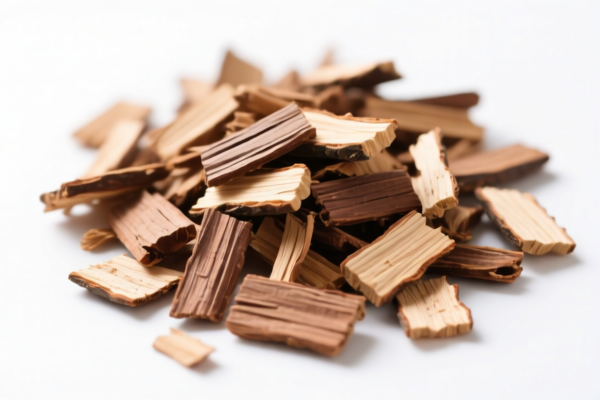
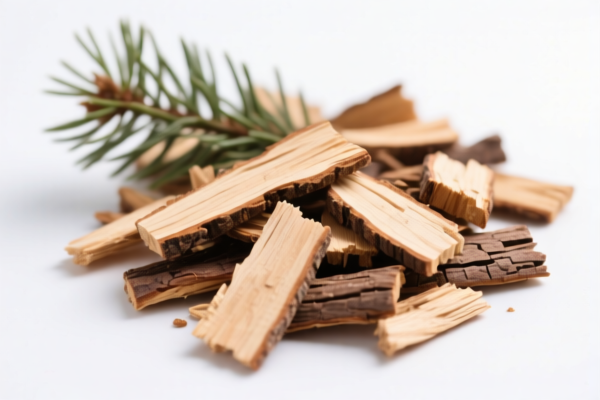
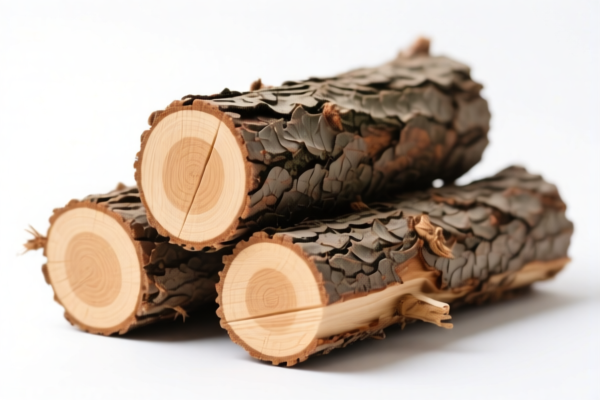
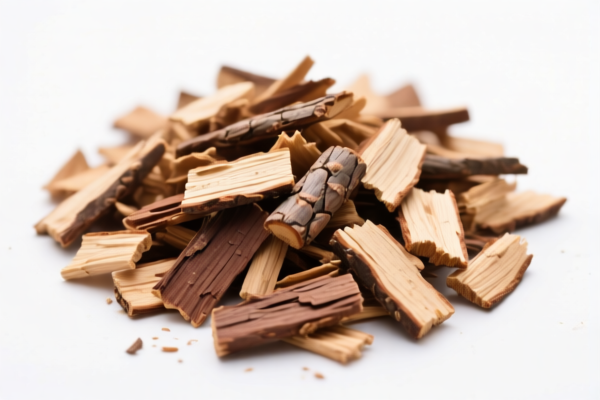
"Coniferous Wood Waste" generally refers to the remnants, offcuts, shavings, sawdust, bark, or unprocessed logs of coniferous trees (such as pine, spruce, fir, cedar) that are no longer suitable for their primary structural purpose but may have value for energy, recycling, or pulp production.
In international trade, this category is strictly divided based on processing level and intent:
- Raw Wood Waste/Scrap (8301.90 / 4401.40): Unprocessed chips, sawdust, or logs that are simply discarded or sold for biomass fuel/pulp.
- Processed Wood Waste: If the waste has been further processed into pellets or briquettes, it may fall under different codes.
⚠️ Key Distinction Point:
- If the material is raw, unprocessed, or only chipped/sawn into small pieces → It typically falls under Chapter 44 (Wood) or Chapter 83 (Scrap).
- If it is processed into pellets/briquettes for fuel → It falls under 4401.40.
- Note: "Scrap of wood" was moved from Chapter 83 to 4401.40 in recent HS code revisions to better reflect its nature as a fuel/raw material rather than metal scrap.
📦 2. HS Code Classification Details (2026 Latest Tariff Authority)
| HS Code | Product Description | Applicable Scenario | Processing Level |
|---|---|---|---|
4401.40.00.00 |
Wood waste and scrap; whether or not agglomerated (e.g., pellets, briquettes) | Pine sawdust, wood chips, bark, recycled wood scraps for fuel/pulp | ⚙️ Processed or Agglomerated |
4401.31.00.00 |
Wood in chips or shavings (Coniferous) | Fresh wood chips from sawmills, not yet agglomerated | ⚙️ Chipped/Shaved |
4401.30.90.00 |
Wood in chips or shavings (Non-Coniferous) | Not applicable (For hardwoods like oak, maple) | ❌ N/A |
8302.90.00.00 |
Base metal fittings (Old Definition) | Historical - Previously wood scrap was here, now corrected to Ch 44 | ❌ Incorrect |
4401.21.00.00 |
Wood pellets (Coniferous) | Specifically compressed cylindrical fuel pellets | ⚙️ Highly Processed |
🔍 Critical Reminder:
- Since the 2017 HS Code revision, "Wood Waste and Scrap" are explicitly classified under 4401.40, NOT under Chapter 83 (Scrap of base metals).
- 8301.90 is for base metal scraps (iron, copper, etc.). Misclassifying wood waste as metal scrap (8301) can lead to severe penalties.
- If the wood is charred or partially burned for energy, it may still fall under 4401.40 if it meets the definition of "waste and scrap."
💰 3. 2026 Latest Tariff Rates Breakdown (Including Surcharges & Policies)
✅ Applicable Country: United States (US)
✅ Country of Origin: China (CN)
✅ Effective Date: From November 10, 2025 (and subsequent imports)
🎯 1. 4401.40.00.00 —— Wood Waste and Scrap (Coniferous)
| Item | Content |
|---|---|
| Base Rate | 0% (ad valorem) |
| USITC Surcharges | +25% (from USITC Footnote 9903.88.01) |
| IEEPA Surcharge | +10% (Targeting China/HK products, effective Nov 10, 2025) |
| Total Rate | 35% |
| Tax Calculation | CIF Value × 35% |
| De Minimis Exemption | ❌ Not Eligible (deny_de_minimis) |
| Legal Basis Path | IEEPA:9903.01.25 → IEEPA:9903.01.24 → USITC:4401.40.00.00 → FOOTNOTE:9903.88.01 |
📌 Explanation:
- The 25% USITC surcharge is part of the Section 301 tariffs targeting specific Chinese imports, including certain wood products.
- The 10% IEEPA surcharge is a new layer added in late 2025 specifically targeting Chinese-origin goods.
- Total 35% is a significant barrier, though lower than electronics or steel.
- Note: This rate applies to both raw chips and agglomerated pellets/waste.
🎯 2. 4401.31.00.00 —— Wood in Chips or Shavings (Coniferous)
| Item | Content |
|---|---|
| Base Rate | 0% |
| USITC Surcharges | +25% |
| IEEPA Surcharge | +10% |
| Total Rate | 35% |
| Tax Calculation | CIF Value × 35% |
| De Minimis Exemption | ❌ Not Eligible |
📌 Note:
- Wood chips (even if unagglomerated) often face the same tariff pressure as processed waste in the US market due to trade policies.
- Ensure the declaration specifies "Coniferous" to avoid misclassification.
🛠️ 4. Customs Clearance Practical Advice (Battle-Tested Pitfall Guide)
✅ 1. Required Documentation Checklist (No Omissions)
| Document | Mandatory? | Explanation |
|---|---|---|
| ✅ Product Specification | ✔️ | Must specify: Type of wood (Coniferous), Form (Chips/Shavings/Pellets), Moisture Content (<20% recommended) |
| ✅ ISPM 15 Phytosanitary Certificate | ✔️ | CRITICAL: Wood waste is subject to strict pest control rules. Must be fumigated or heat-treated. |
| ✅ Phytosanitary Certificate | ✔️ | Issued by the exporting country's agricultural authority. |
| ✅ Commercial Invoice | ✔️ | Clearly state: "Coniferous Wood Waste/Scrap for Energy/Pulp" |
| ✅ Packing List | ✔️ | Detail net/gross weight, number of bags/pallets |
| ✅ Non-Wood Material Declaration | ✔️ | Confirm no soil, insects, or other prohibited contaminants are present. |
✅ 2. Declaration Tips (Key Mantra)
🔥 "Clean Wood, Certify Phytosanitary, Declare Form Clearly!"
| Scenario | Correct Declaration | Wrong Approach |
|---|---|---|
| Raw Wood Chips | 4401.31.00.00 - "Wood Chips, Coniferous, Unagglomerated" |
Vague term "Wood Scrap" → Risk of 15% penalty |
| Wood Pellets | 4401.40.00.00 - "Wood Waste and Scrap, Agglomerated" |
Misclassifying as "Fuel Oil" → Severe penalty |
| With Soil/Contaminants | Do Not Import | Trying to hide contamination → Customs seizure & destruction |
| Mixed Hardwood/Coniferous | 4401.40.00.00 (General) |
Forcing specific sub-code → Audit risk |
✅ 3. Special Cases Handling
| Scenario | Handling Advice |
|---|---|
| OEM Recycled Wood | Provide proof of recycling process. Ensure no treated wood (paint, preservatives) is mixed in, as this may be hazardous waste. |
| Wood Waste for Animal Bedding | Must meet higher hygiene standards. Declare specifically as "Animal Bedding Material" if applicable. |
| Charred Wood (Biochar) | If carbonized >20%, it may be classified under 3803.00.00.00 (Wood Tar, etc.) or 2523.90.00.00. Check with customs for biochar-specific rules. |
| Used Wood Packaging (Pallets) | If for disposal, declare as waste. If for reuse, must have ISPM 15 marks. |
🌍 5. Global Market Clearance Comparison (2026 Latest)
| Country/Region | Recommended HS Code | Tariff | Certification | Notes |
|---|---|---|---|---|
| 🇺🇸 USA | 4401.40.00.00 |
35% (China) | ISPM 15 + Phytosanitary | High tariff, strict pest control |
| 🇨🇳 China | 4401.40.00.00 |
0% | Phytosanitary | Import allowed for energy/pulp |
| 🇪🇺 EU | 4401.40 |
0% (if REACH compliant) | ISPM 15 + REACH | Strict on pesticides/halogens |
| 🇯🇵 Japan | 4401.40 |
0-10% | Phytosanitary | Strict on soil contamination |
| 🇬🇧 UK | 4401.40 |
0-10% | ISPM 15 | Post-Brexit rules apply |
📌 Conclusion:
- Phytosanitary Compliance is Non-Negotiable: All countries demand proof that wood waste is pest-free.
- USA Tariff is the Highest: The 35% rate makes US imports of Chinese wood waste expensive. Consider sourcing from non-China origins (e.g., Vietnam, Malaysia) if possible to mitigate IEEPA surcharges.
📌 6. Common Mistakes & Pitfalls (Lessons Learned)
❌ Mistake 1: Classifying wood waste as "Scrap of Base Metals" (8301)
👉 Consequence: Rejection by Customs, fines for misdeclaration. Wood is not metal!
❌ Mistake 2: Forgetting the Phytosanitary Certificate
👉 Consequence: Goods held at port for fumigation or destroyed. Very costly!
❌ Mistake 3: Declaring "Mixed Wood" without specifying coniferous content
👉 Consequence: Higher scrutiny, potential delay for verification of wood type.
❌ Mistake 4: Mixing hazardous treated wood (e.g., railway sleepers with creosote) with regular waste
👉 Consequence: Classified as Hazardous Waste (Chapter 38 or 39), requiring expensive special disposal permits.
✅ Correct Practice:
"Coniferous Wood Chips, Unprocessed, Fumigated under ISPM 15 Standard, for Pulp Production, Certificate No. XYZ, Origin: China"
🎯 7. Conclusion: Professional Declaration, Risk-Free Clearance!
🎯 Remember the Mantra:
🔹 "Phytosanitary is King, ISPM 15 is the Ticket."
🔹 "Wood Waste is 4401, Not 8301!"
🔹 "Clean Wood, Clear Customs!"
📌 Pro Tip:
If your wood waste is originating from Vietnam or Thailand, you may avoid the IEEPA 10% surcharge and potentially reduce total tariffs to 25% (only USITC).
Consider Advance Ruling from US Customs (CBP) if your product is borderline (e.g., slightly processed wood scraps).
📣 Immediate Action:
📞 Contact your customs broker to confirm ISPM 15 compliance with the exporting country.
🚀 Ensure your supplier provides ** fumigation certificates** before shipment to avoid port delays.
✨ Professional clearance starts with accurate classification!
💼 Your profit margin depends on avoiding surprise tariffs and delays!
Customer Reviews
About HS Code Classification
The Harmonized System (HS) is an internationally standardized nomenclature developed by the World Customs Organization (WCO) to classify traded products. Over 200 countries use the HS system as the basis for customs tariffs, trade statistics, and import/export regulations.
Each HS code follows a hierarchical structure:
- Chapter (2 digits) — Broad category of goods (e.g., Chapter 84: Machinery and Mechanical Appliances)
- Heading (4 digits) — More specific grouping within the chapter
- Subheading (6 digits) — Internationally standardized breakdown, used by all WCO member countries
- National subdivisions (8-10 digits) — Country-specific extensions for further classification, such as US HTSUS 10-digit codes
Correct HS code classification is essential for smooth customs clearance, accurate duty payment, and compliance with trade regulations. Misclassification can lead to customs delays, overpayment of duties, or penalties.
When importing from CN to US, the applicable tariff rates may include:
- Most-Favored-Nation (MFN) rate — The standard duty rate applied to WTO members
- General rate — Applied to countries without trade agreements
- Trade remedy duties — Additional tariffs such as Section 301 (anti-dumping), Section 232 (national security), or countervailing duties
The information provided on this page is for reference purposes only. For official classification, please consult with your local customs authority or a licensed customs broker.