Constant Temperature Faucet Smart Toilet Spray Gun Set
CN → US| HS Code | Tariff Rate | Origin | Destination | Doc |
|---|---|---|---|---|
| 3924905650 | 20.9% | CN | US | Official Doc |
| 3924900500 | 20.6% | CN | US | Official Doc |
| 7324100050 | 88.4% | CN | US | Official Doc |
| 8481805090 | 38.0% | CN | US | Official Doc |
| 8481809050 | 37.0% | CN | US | Official Doc |
Product Images
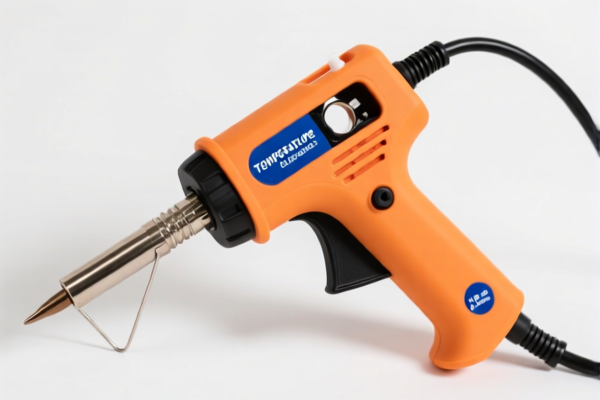
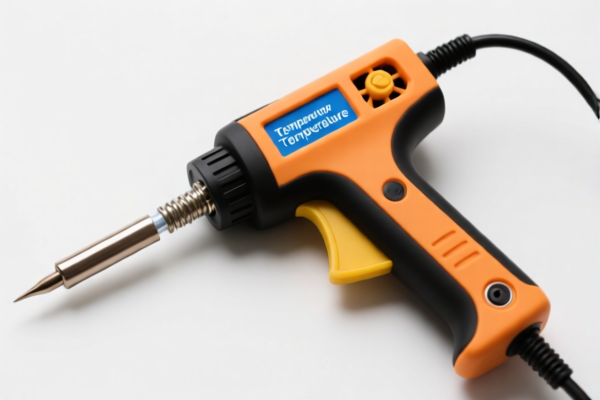
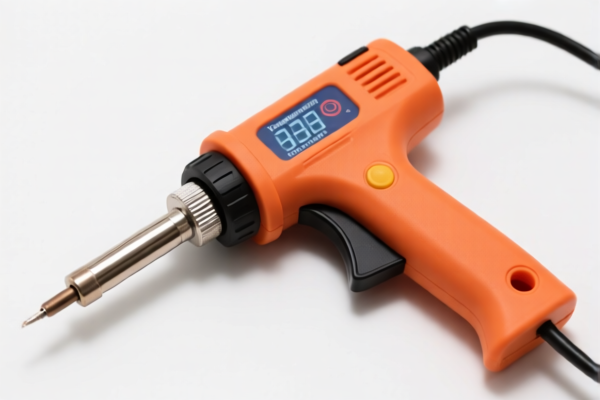
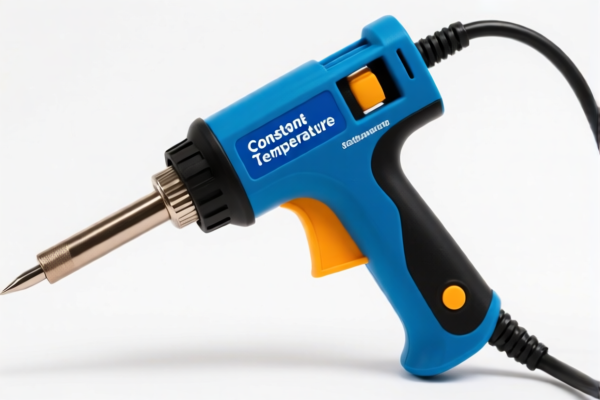
AI Analysis
🚿 Constant Temperature Faucet Smart Toilet Spray Gun Set
🌐 HS Code Reference & Customs Clearance Guide | 2026 Latest Tariff Analysis | Professional Clearance Strategy 📌 1. Product Definition: What is this "Spray Gun Set" really?
A Constant Temperature Faucet Smart Toilet Spray Gun Set is not just a simple garden hose nozzle. It is a sophisticated bathroom hygiene assembly that typically includes: * The Spray Gun (Nozzle): The handheld device used for bidet-style cleaning or cleaning the toilet bowl. * Hoses & Connectors: Flexible tubing connecting the gun to the water source. * Valves/Control Mechanisms: Internal mechanisms to regulate water pressure and temperature. * Mounting Hardware: Brackets and fittings for installation.
⚠️ Key Classification Logic:
The HS Code depends heavily on the dominant material and the primary function: - If the set is primarily Plastic (hoses, gun body, fittings) → It falls under Chapter 39. - If it is primarily Metal (brass/stainless steel valves, gun body) → It falls under Chapter 73 (Steel/Iron) or Chapter 84 (Valves/Pipes). - Crucial Distinction: Is it a "Sanitary Article" (used for hygiene) or a "Valve/Pipe System" (used for flow control)? Customs often scrutinizes this.
📦 2. HS Code Classification Details (2026 Latest Tariff Authority Mapping)
Based on the provided <DATA>, here are the four possible classifications. The correct one depends on the material composition of the main components.
| HS Code | Product Description | Material Dominance | Applicable Scenario |
|---|---|---|---|
3924.90.56.50 |
Plastic sanitary articles; used for bidet/smart toilet spray gun sets | Plastic | The gun body, hose, and handle are primarily plastic. This is the most common classification for standard consumer "bidet sprayers." |
3924.90.05.00 |
Other plastic sanitary articles, for household use | Plastic | General plastic bathroom accessories if the specific "spray gun set" code is disputed, but still plastic-based. |
7324.10.00.50 |
Iron/Steel sanitary fixtures; for metal material spray gun sets | Steel/Iron | The gun body and main valve are made of stainless steel or plated iron. High durability, premium models. |
8481.80.50.90 |
Other pipe and valve apparatus; for non-specific material spray guns | Mixed/Valve-focused | If the customs authority views the item primarily as a valve/control device rather than a "sanitary article." Common for brass-heavy assemblies. |
8481.80.90.50 |
Other valves and similar appliances; for spray gun equipment | Mixed/Valve-focused | Another valve classification if the "pipe/valve apparatus" code is rejected. Often used for complex mixing valves included in the set. |
🔍 Critical Note:
- Plastic Set: Use3924.90.56.50. This is the lowest tax burden (20.9%). - Metal Set: Use7324.10.00.50. This is the highest tax burden (88.4%) due to the "Steel/Aluminum/Copper" surcharge. - Valve Classification: Use8481.80.50.90or8481.80.90.50if the product is deemed a "valve system" rather than a "sanitary tool." Tax burden is high (37-38%).
💰 3. 2026 Latest Tariff Rate Breakdown (Including Surcharges & Policy Add-ons)
✅ Applicable Country: United States (US)
✅ Origin: China (CN)
✅ Effective Date: Ongoing (Section 301 & 122 Clauses)
🎯 1. 3924.90.56.50 – Plastic Sanitary Articles (Recommended for Most Sets)
| Item | Detail |
|---|---|
| Base Tariff | 3.4% (Ad valorem) |
| Section 301 Surcharge | +7.5% |
| Section 122 Surcharge | +10% |
| Total Tariff Rate | 20.9% |
| Tax Calculation | CIF Value × 20.9% |
| De Minimis Eligibility | ❌ No (Section 301 and 122 tariffs usually override de minimis) |
| Legal Basis Path | HTSUS:3924.90.56.50 → USITC:Section301 → USTR:Section122 |
📌 Interpretation:
- This is the most cost-effective classification if the product is plastic. - The "Section 122" tariff (10%) is often applied to goods under specific agricultural or consumer categories, adding to the cost. - Total Effective Tax: 20.9%.
🎯 2. 3924.90.05.00 – Other Plastic Sanitary Articles
| Item | Detail |
|---|---|
| Base Tariff | 3.1% |
| Section 301 Surcharge | +7.5% |
| Section 122 Surcharge | +10% |
| Total Tariff Rate | 20.6% |
| Tax Calculation | CIF Value × 20.6% |
| De Minimis Eligibility | ❌ No |
| Legal Basis Path | HTSUS:3924.90.05.00 → USITC:Section301 → USTR:Section122 |
📌 Interpretation:
- Slightly cheaper (20.6%) than56.50, but risky if the product is specifically a "bidet spray set," which matches56.50more precisely. Misclassification can lead to audits.
🎯 3. 7324.10.00.50 – Steel/Iron Sanitary Fixtures
| Item | Detail |
|---|---|
| Base Tariff | 3.4% |
| Section 301 Surcharge | +25.0% |
| Section 122 Surcharge | +10% |
| Additional Surcharge | +50% (Steel/Aluminum/Copper Specific) |
| Total Tariff Rate | 88.4% |
| Tax Calculation | CIF Value × 88.4% |
| De Minimis Eligibility | ❌ No |
| Legal Basis Path | HTSUS:7324.10.00.50 → USITC:Steel/Aluminum → USTR:Section301 → Section122 |
📌 Interpretation:
- Extremely High Tax! If your "spray gun" has a metal body, customs may apply the 50% steel surcharge. - Warning: Do not declare a metal gun as plastic to avoid this. It is fraud. However, if it’s mostly plastic with metal parts, argue for Chapter 39.
🎯 4. 8481.80.50.90 & 8481.80.90.50 – Valves & Pipe Apparatus
| Item | Detail |
|---|---|
| Base Tariff | 3.0% (for 50.90) / 2.0% (for 90.50) |
| Section 301 Surcharge | +25.0% |
| Section 122 Surcharge | +10% |
| Total Tariff Rate | 38.0% (for 50.90) / 37.0% (for 90.50) |
| Tax Calculation | CIF Value × 38.0% or 37.0% |
| De Minimis Eligibility | ❌ No |
| Legal Basis Path | HTSUS:8481.80.50.90 → USITC:Section301 → Section122 |
📌 Interpretation:
- If customs classifies the set as a "valve system" (because it controls water flow/temperature), it falls here. - Tax: 37-38%. This is significantly higher than the plastic sanitary classification. - Strategy: Provide evidence that the primary use is hygiene/sanitary (Chapter 39), not just water control (Chapter 84).
🛠️ 4. Customs Clearance Practical Advice (Battle-Tested Tips)
✅ 1. Documentation Checklist (Non-Negotiable)
| Document | Required? | Purpose |
|---|---|---|
| ✅ Product Photos (Clear) | ✔️ | Show material: Is the gun plastic or metal? Show the entire set. |
| ✅ Bill of Materials (BOM) | ✔️ | List materials by weight % to justify Chapter 39 vs 73/84. |
| ✅ Function Description | ✔️ | Emphasize "Hygiene," "Bidet," "Sanitary" – not "Valve Control." |
| ✅ Commercial Invoice | ✔️ | Must match HS Code exactly. Use "Plastic Sanitary Sprayer" not "Pipe Valve." |
| ✅ Certificate of Origin | ✔️ | Required for Section 301/122 verification. |
✅ 2. Declaration Strategy (Key Mantras)
🔥 "Plastic Body? Say 'Sanitary'. Metal Body? Pay 88%. Valve Core? Say '38%'. Don't Lie!"
| Scenario | Recommended Declaration | Risk |
|---|---|---|
| Mainly Plastic Gun + Hose | 3924.90.56.50 (Plastic Sanitary) |
✅ Lowest Tax (20.9%). Justify with photos. |
| Mainly Metal Gun | 7324.10.00.50 (Steel Sanitary) |
❌ Highest Tax (88.4%). Hard to avoid if material is steel. |
| Mixed Material (Valve Focus) | 8481.80.50.90 (Valve Apparatus) |
⚠️ Medium-High Tax (38%). If internal mixing valve is complex. |
| Ambiguous Classification | 3924.90.05.00 (Other Plastic) |
⚠️ Risk of Audit. Only use if 56.50 is clearly inapplicable. |
✅ 3. Special Case Handling
| Situation | Recommendation |
|---|---|
| "Smart" Electronics Included | If it has a digital temp display, does it move to Chapter 90? No, usually still sanitary if core function is spray. Keep in Chapter 39. |
| Brass Valves Inside | If the valve is brass, customs may push for Chapter 84. Counter-argument: The external visible product is a sanitary tool. Provide weight comparison (Plastic > Metal). |
| Set Packaging | Declare the entire set under one HS Code. Do not split into "gun," "hose," and "valve." Splitting triggers 89%+ tax on accessories. |
🌍 5. Global Market Comparison (2026 Latest)
| Market | Recommended HS Code | Est. Tariff (China Origin) | Key Certification |
|---|---|---|---|
| 🇺🇸 USA | 3924.90.56.50 |
20.9% (Plastic) | None specific, but check FTC labeling |
| 🇪🇺 EU | 3924.90.10 |
~5-7% (Duty) | CE, RoHS, WQA (Water Quality) |
| 🇨🇳 China | 3924.90.90 |
~5-10% | CCC (if electronic), Quality Inspection |
| 🇦🇺 Australia | 3924.90.00 |
~5% | SAA (Electrical Safety if heated) |
📌 Conclusion:
- USA is the most complex due to Section 301 & 122 tariffs. - Plastic classification is the only way to keep taxes under 25% in the US. - Metal or Valve classification doubles or triples the cost.
📌 6. Common Mistakes & Pitfalls (Blood-Learned Lessons)
❌ Mistake 1: Declaring a Plastic Gun as a Valve (8481)
👉 Consequence: Tax jumps from 20.9% to 38%. Unnecessary cost.
❌ Mistake 2: Declaring a Metal Gun as Plastic (3924)
👉 Consequence: Customs inspection finds steel. Penalty + Back Tariffs + 88.4% Tax Retrospectively.
❌ Mistake 3: Splitting the set into "Spray Gun" and "Hose"
👉 Consequence: Hose may be taxed as a textile or rubber accessory at higher rates. Always declare as a Set.
❌ Mistake 4: Ignoring the "Smart" Electronics
👉 Consequence: If it has a circuit board for temp control, ensure it doesn't trigger Chapter 85. Usually overridden by Sanitary function, but document it.
✅ Correct Approach:
"Plastic Bidet Spray Gun Set, including hose and bracket, for household sanitary use. Model XYZ. No electronic heating element."
🎯 7. Conclusion: Professional Declaration, Save Money, Ensure Compliance!
🎯 Remember the Mantra:
🔹 "Plastic Body? Go 3924. Metal Body? Prepare 88%. Valve Core? Expect 38%."
🔹 "HS Code Determines Tax. 20% vs 88% is a Life-Changing Difference."
📌 Pro Tip:
If your product is 51% plastic by weight and used for hygiene, fight for 3924.90.56.50.
If it’s brass/plastic mix, provide a BOM to prove plastic is dominant.
If it’s all metal, accept the 88.4% or redesign to use more plastic/ceramic.
📣 Immediate Action:
📞 Send Product Photos + Material % Breakdown to Your Freight Forwarder.
🚀 Secure the 20.9% Rate. Avoid the 88.4% Trap.
✨ Professional Clearance Starts with Accurate Classification!
💼 Your Profit Margin Depends on This Tax Rate!
Customer Reviews
About HS Code Classification
The Harmonized System (HS) is an internationally standardized nomenclature developed by the World Customs Organization (WCO) to classify traded products. Over 200 countries use the HS system as the basis for customs tariffs, trade statistics, and import/export regulations.
Each HS code follows a hierarchical structure:
- Chapter (2 digits) — Broad category of goods (e.g., Chapter 84: Machinery and Mechanical Appliances)
- Heading (4 digits) — More specific grouping within the chapter
- Subheading (6 digits) — Internationally standardized breakdown, used by all WCO member countries
- National subdivisions (8-10 digits) — Country-specific extensions for further classification, such as US HTSUS 10-digit codes
Correct HS code classification is essential for smooth customs clearance, accurate duty payment, and compliance with trade regulations. Misclassification can lead to customs delays, overpayment of duties, or penalties.
When importing from CN to US, the applicable tariff rates may include:
- Most-Favored-Nation (MFN) rate — The standard duty rate applied to WTO members
- General rate — Applied to countries without trade agreements
- Trade remedy duties — Additional tariffs such as Section 301 (anti-dumping), Section 232 (national security), or countervailing duties
The information provided on this page is for reference purposes only. For official classification, please consult with your local customs authority or a licensed customs broker.