Construction Building Protective Film
CN → US| HS Code | Tariff Rate | Origin | Destination | Doc |
|---|---|---|---|---|
| 4823906000 | 35.0% | CN | US | Official Doc |
| 4811411000 | 35.0% | CN | US | Official Doc |
| 3919102055 | 40.8% | CN | US | Official Doc |
| 3921905010 | 39.8% | CN | US | Official Doc |
| 3921904010 | 39.2% | CN | US | Official Doc |
Product Images
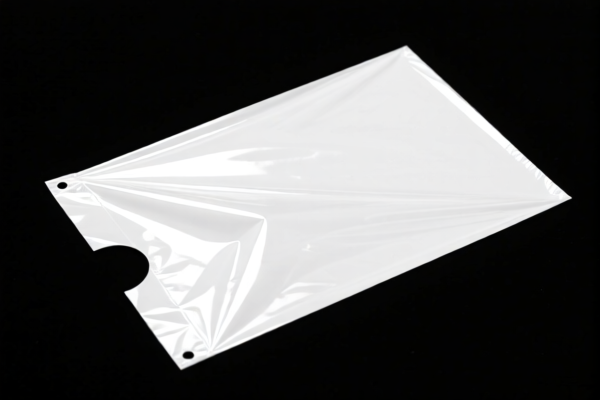
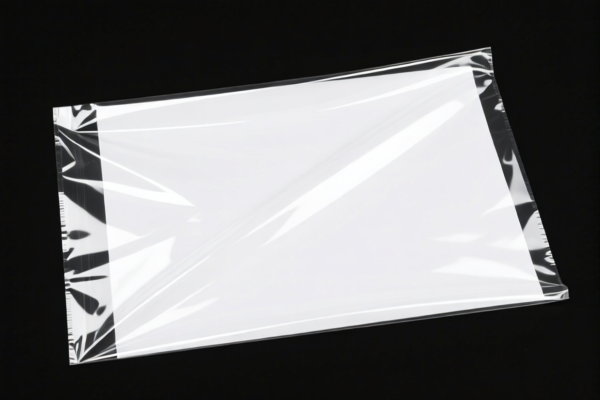
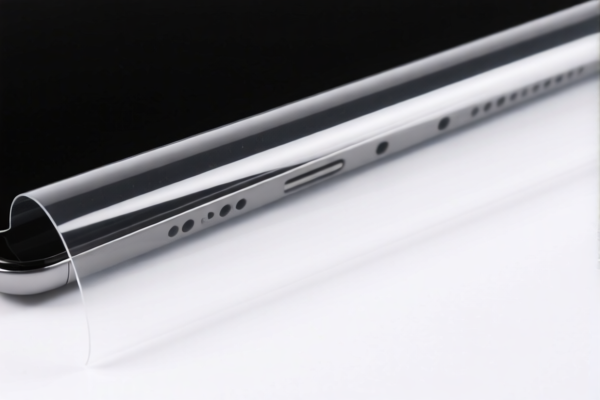
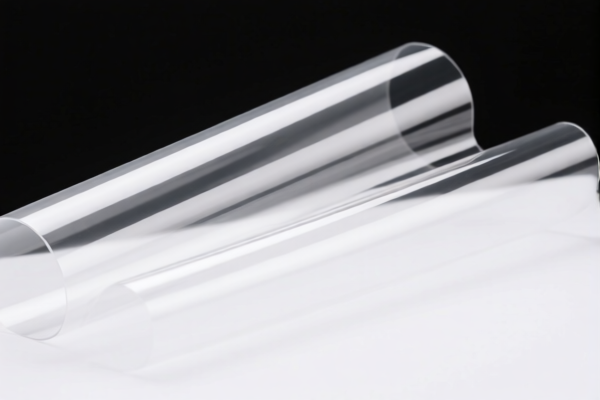
AI Analysis
🏗️ Construction Building Protective Film (Protective Membrane)
🌐 HS Code Reference & Customs Clearance Guide | 2026 Latest Tariff Analysis | Professional Strategy for US Imports from China
📌 1. Product Definition & Classification: Do You Understand "Protective Film"?
Construction Building Protective Film is a critical material used in construction to protect surfaces (glass, metal, stone, tiles) during installation and curing. In international trade, its classification depends heavily on material composition and form.
Key Distinction Points: * Paper/Coated Paper Based: If the film is made of coated paper or cardboard with adhesive properties, it falls under Chapter 48. * Plastic/Polymer Based: If the film is made of plastic (PE, PP, PVC, etc.), it falls under Chapter 39.
⚠️ Critical Logic: - Paper-like structure/texture → Likely HS 4823.90.60.00 or 4811.41.10.00. - Plastic/Membrane structure → Likely HS 3919.10.20.55, 3921.90.50.10, or 3921.90.40.10.
📦 2. HS Code Classification Details (2026 Latest Tariff Authority)
| HS Code | Product Description | Applicability Scenario | Material Logic |
|---|---|---|---|
4823.90.60.00 |
Other paper/cardboard articles (pads, gaskets, seals) | Fits "coated paper/cardboard" logic; inferred from "film" morphology being paper-like or coated. | ✅ Paper/Coated Paper |
4811.41.10.00 |
Self-adhesive paper/ cardboard strips | Matches "self-adhesive tape/film" morphology; common for construction protection without material conflict. | ✅ Paper/Adhesive Paper |
3919.10.20.55 |
Plastic rolls/films, flat shape, non-electrical | Material inference: Construction film is usually plastic; morphology: flat film; use: non-electrical, non-fiber-reinforced. | ✅ Plastic |
3921.90.50.10 |
Other plastic films/sheets | Inferred as "plastic film"; fits "other plastic membrane" category; no material conflict. | ✅ Plastic |
3921.90.40.10 |
Other plastic plates, sheets, films | Construction film is plastic; fits "other plastic plate/sheet/film"; no material conflict. | ✅ Plastic |
🔍 Key Reminder: - Plastic films are generally more common for high-performance construction protection (weather resistance, strength). - Paper-based films are cheaper, often used for temporary protection indoors or on rough surfaces. - Misclassification Risk: Declaring plastic as paper (or vice versa) can lead to customs detention and reclassification penalties.
💰 3. 2026 Latest Tariff Rate Details (Including Additional Taxes & Policy Surcharge)
✅ Applicable Country: United States (US)
✅ Origin: China (CN)
✅ Effective Date: From November 10, 2025 (including subsequent imports)
🎯 1. 4823.90.60.00 & 4811.41.10.00 —— Paper/Coated Paper Based Protective Film
| Item | Content |
|---|---|
| Base Tariff | 0% (ad valorem) |
| USITC Surcharge | +25% (under USITC Footnote 9903.88.01, Section 301) |
| IEEPA Surcharge | +10% (针对中国/香港产品,自2025年11月10日起) |
| Total Rate | 35% |
| Tax Calculation | CIF Value × 35% |
| De Minimis Exemption | ❌ Not Eligible (deny_de_minimis) |
| Legal Basis Path | IEEPA:9903.01.25 → IEEPA:9903.01.24 → USITC:4823.90.60.00/4811.41.10.00 → FOOTNOTE:9903.88.01 |
📌 Explanation: - "USITC Surcharge 25%": From Section 301 of the U.S. Trade Act. - "IEEPA 10%": Additional tariff on Chinese products under the International Emergency Economic Powers Act. - Total 35%: High cost for paper-based films. Must be factored into pricing.
🎯 2. 3919.10.20.55 —— Plastic Film (Rolls, Flat, Non-Electrical)
| Item | Content |
|---|---|
| Base Tariff | 5.8% |
| USITC Surcharge | +25% |
| IEEPA Surcharge | +10% |
| Total Rate | 40.8% |
| Tax Calculation | CIF Value × 40.8% |
| De Minimis Exemption | ❌ Not Eligible |
| Legal Basis Path | IEEPA:9903.01.24 → USITC:3919.10.20.55 |
📌 Note: - Higher base tariff than paper, but same surcharges. - Common for durable, weather-resistant construction films.
🎯 3. 3921.90.50.10 —— Other Plastic Films/Sheets
| Item | Content |
|---|---|
| Base Tariff | 4.8% |
| USITC Surcharge | +25% |
| IEEPA Surcharge | +10% |
| Total Rate | 39.8% |
| Tax Calculation | CIF Value × 39.8% |
| De Minimis Exemption | ❌ Not Eligible |
🎯 4. 3921.90.40.10 —— Other Plastic Plates, Sheets, Films
| Item | Content |
|---|---|
| Base Tariff | 4.2% |
| USITC Surcharge | +25% |
| IEEPA Surcharge | +10% |
| Total Rate | 39.2% |
| Tax Calculation | CIF Value × 39.2% |
| De Minimis Exemption | ❌ Not Eligible |
📌 Summary of Plastic HS Codes: - Lowest Total Rate:
3921.90.40.10at 39.2%. - Highest Total Rate:3919.10.20.55at 40.8%. - Paper-based (4823/4811) is 35%, which is the lowest total tariff among all options.
🛠️ 4. Customs Clearance Practical Advice (Real-World Pitfall Guide)
✅ 1. Preparation Checklist (Must-Haves)
| Document | Required | Notes |
|---|---|---|
| ✅ Product Spec Sheet | ✔️ | Must specify material (Plastic vs. Paper), thickness, width, length, adhesive type. |
| ✅ Product Photos | ✔️ | Clear images of the roll, label, and application example. |
| ✅ Commercial Invoice | ✔️ | Must clearly state "Protective Film for Construction" and correct HS Code. |
| ✅ Packing List | ✔️ | Include net/gross weight, dimensions. |
| ✅ Material Declaration | ✔️ | Explicitly state: "100% Plastic (PE/PP)" OR "Coated Paper". |
| ✅ Third-Party Test Report | ✔️ | If claiming environmental compliance (RoHS/REACH), though not mandatory for tariff, helpful for disputes. |
✅ 2. Declaration Tips (Key Mnemonic)
🔥 "Material First, Morphology Second, Name Precise, Tariff Lower!"
| Scenario | Correct Declaration | Wrong Approach |
|---|---|---|
| Plastic Film | 3921.90.40.10 (or similar) |
Declaring as "Paper" → High risk of penalty. |
| Paper Film | 4811.41.10.00 or 4823.90.60.00 |
Declaring as "Plastic" → Overpayment of tax. |
| Mixed Packaging | Declare as single unit if functionally complete | Splitting rolls and cores → Complex assessment. |
| Varying Thickness | Use most representative HS Code or consult CBP | Assume all thicknesses fit one code → Risk of misclassification. |
✅ 3. Special Circumstances
| Situation | Handling Advice |
|---|---|
| OEM Custom Film | Provide client order + design specs. Ensure material matches declaration. |
| Adhesive Type | If adhesive is solvent-based, may require additional environmental declarations. |
| Recycled Content | If claiming "recycled," provide proof to avoid "false green" claims. |
| Pre-Clearance Ruling | Highly Recommended for large shipments. Obtain an Advance Ruling from CBP to lock in HS Code and tax rate. |
🌍 5. Global Market Comparison (2026 Latest)
| Country/Region | Recommended HS Code | Tariff Rate (China Origin) | Notes |
|---|---|---|---|
| 🇺🇸 USA | 4811.41.10.00 (Paper) or 3921.90.40.10 (Plastic) |
35% (Paper) / 39.2% (Plastic) | High surcharges due to Section 301 & IEEPA. |
| 🇨🇳 China | 4811.41.10.00 or 3921.90.40.10 |
~5-10% (Import Duty) | Lower base rates; no US surcharges. |
| 🇪🇺 EU | 3921.90 or 4811.41 |
~6.5% (Standard) | No US-style surcharges; VAT applies. |
| 🇦🇺 Australia | 3921.90 or 4811.41 |
~5% | Lower duties; GST applies. |
📌 Conclusion: - USA is the most expensive market for Chinese-made protective films due to additional tariffs. - Paper-based films (
4811/4823) have a lower total tariff (35%) than most plastic options. - Plastic films offer better durability but higher tax burden.
📌 6. Common Mistakes & Pitfalls (Blood & Tears Lessons)
❌ Mistake 1: Declaring "Plastic" film as "Paper" to save tax.
👉 Consequence: Customs inspection reveals plastic → Penalty + Back Taxes + Possible Blacklist.
❌ Mistake 2: Declaring "Paper" film as "Plastic" out of habit.
👉 Consequence: Paying 39.2% instead of 35% → Unnecessary Cost.
❌ Mistake 3: Vague description: "Protective Film" without material.
👉 Consequence: Customs may assign the highest possible code → Highest Tax Rate.
❌ Mistake 4: Ignoring IEEPA surcharge.
👉 Consequence: Unexpected 10% hike on top of 301 tariffs → Profit Margin Erosion.
✅ Correct Approach:
"PE Protective Film, 0.05mm, Clear, 1000m Roll, Self-Adhesive, for Construction Use"
HS Code:3921.90.40.10
Total Tariff: 39.2%OR
"Coated Paper Protective Tape, 50mm, Clear, 100m Roll, Self-Adhesive"
HS Code:4811.41.10.00
Total Tariff: 35%
🎯 7. Conclusion: Professional Declaration, Save Time, Reduce Costs!
🎯 Remember the Mnemonic:
🔹 "Material First: Paper 35, Plastic ~39-40."
🔹 "Declare Accurately: Plastic is not Paper, Paper is not Plastic."
🔹 "Check IEEPA: 10% Extra for China Origin, Don't Forget!"
📌 Pro Tip:
If your film is originating from Vietnam, Mexico, or Thailand, you may apply for IEEPA Exemption, reducing tariffs to 0%~5%.
Strongly Recommend: Apply for an Advance Ruling (CBP Ruling) before shipping to lock in the correct HS Code and avoid disputes.
📣 Immediate Action:
📞 Contact a licensed customs broker + Provide product specs + Apply for HS Code Pre-Ruling
🚀 Ensure smooth customs clearance, minimize tax burden, and maximize profit!
✨ Professional Clearance Starts with Accurate Classification!
💼 Every Cent of Cost Deserves Precise Calculation!
Customer Reviews
About HS Code Classification
The Harmonized System (HS) is an internationally standardized nomenclature developed by the World Customs Organization (WCO) to classify traded products. Over 200 countries use the HS system as the basis for customs tariffs, trade statistics, and import/export regulations.
Each HS code follows a hierarchical structure:
- Chapter (2 digits) — Broad category of goods (e.g., Chapter 84: Machinery and Mechanical Appliances)
- Heading (4 digits) — More specific grouping within the chapter
- Subheading (6 digits) — Internationally standardized breakdown, used by all WCO member countries
- National subdivisions (8-10 digits) — Country-specific extensions for further classification, such as US HTSUS 10-digit codes
Correct HS code classification is essential for smooth customs clearance, accurate duty payment, and compliance with trade regulations. Misclassification can lead to customs delays, overpayment of duties, or penalties.
When importing from CN to US, the applicable tariff rates may include:
- Most-Favored-Nation (MFN) rate — The standard duty rate applied to WTO members
- General rate — Applied to countries without trade agreements
- Trade remedy duties — Additional tariffs such as Section 301 (anti-dumping), Section 232 (national security), or countervailing duties
The information provided on this page is for reference purposes only. For official classification, please consult with your local customs authority or a licensed customs broker.