Construction Material Protective Film
CN → US| HS Code | Tariff Rate | Origin | Destination | Doc |
|---|---|---|---|---|
| 3920992000 | 39.2% | CN | US | Official Doc |
| 3920200055 | 39.2% | CN | US | Official Doc |
| 3921905010 | 39.8% | CN | US | Official Doc |
| 3921904010 | 39.2% | CN | US | Official Doc |
| 3919102010 | 40.8% | CN | US | Official Doc |
| 3919102055 | 40.8% | CN | US | Official Doc |
Product Images
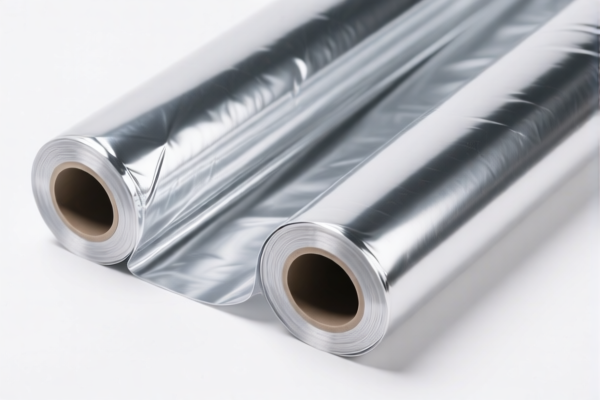
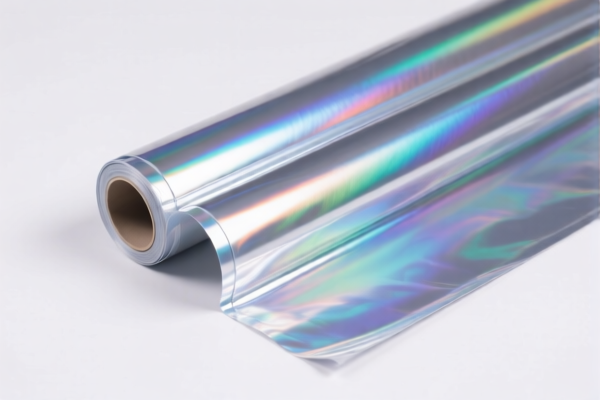
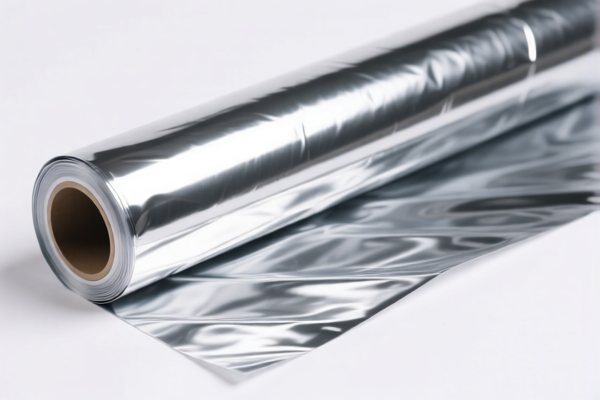
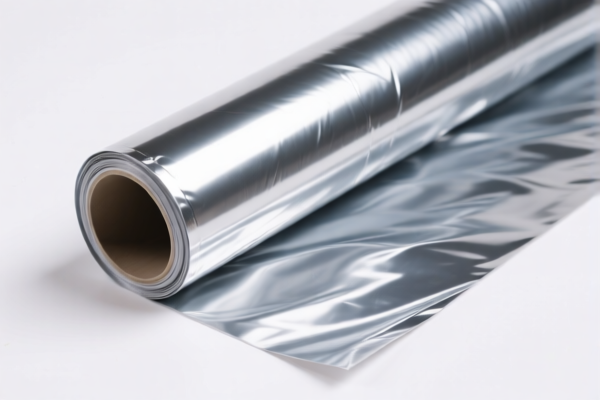
AI Analysis
🏗️ Construction Material Protective Film (Plastic Sheets, Films, Foils & Strips)
🌐 HS Code Reference & Customs Clearance Guide | 2026 Latest Tariff Analysis | Professional Compliance Strategy
📌 Part 1: Product Definition & Classification: What Exactly is "Protective Film"?
Construction Material Protective Film is a critical accessory in the building materials industry, used to shield surfaces (glass, aluminum, stone, stainless steel) from scratches, cement residue, and UV damage during transport and installation. In international trade, these products are strictly regulated under Chapter 39 (Plastics and Articles Thereof).
The classification depends entirely on the structure (simple vs. reinforced), adhesiveness, and form (roll width). Misclassification can lead to severe penalties due to the high "Additional Tariffs" associated with many of these codes.
⚠️ Key Distinction:
- Self-Adhesive Tapes/Films (with backing adhesive) → Generally fall under 3919 or 3920.
- Reinforced Films (combined with paper, fiberglass, or other materials) → Often fall under 3921 or specific subheadings of 3919.
- Roll Width Matters: Rolls ≤ 20 cm are often treated differently than wider sheets.
📦 Part 2: HS Code Classification Matrix (Based on Provided Data)
The following table details the six specific HS codes derived from your input data, covering various types of plastic films, tapes, and reinforced laminates.
| HS Code | Product Description | Key Characteristics | Applicable Scenario |
|---|---|---|---|
3919.10.20.10 |
Self-adhesive films/tapes, ≤ 20cm width: Filament Reinforced Tape | Plastic + Filament reinforcement; Self-adhesive; Narrow roll (≤20cm). | High-strength protective tapes for edge protection; reinforced film strips. |
3919.10.20.55 |
Self-adhesive films/tapes, ≤ 20cm width: Other - Other - Other | Standard self-adhesive plastic tape; No special reinforcement mentioned; Narrow roll. | General-purpose adhesive tape for light-duty protection. |
3921.90.50.10 |
Other plastic plates/sheets: High Pressure Paper Reinforced Decorative Laminates | Plastic laminated with paper under high pressure; Decorative finish. | Decorative surface films (e.g., for countertops or walls) that require high durability. |
3921.90.40.10 |
Other plastic plates/sheets: Flexible Reinforced with Paper | Plastic film flexible enough to bend; Reinforced with paper backing. | Paper-backed protective films used for temporary surface protection. |
3920.99.20.00 |
Non-cellular, non-reinforced plastic films: Other (Flexible) | Pure plastic film; No reinforcement; No adhesive mentioned (non-self-adhesive base); Flexible. | Simple, non-adhesive plastic film sheets used for wrapping or general protection. |
3920.20.00.55 |
Non-cellular, non-reinforced plastic films: Of Polymers of Propylene | Made specifically from Polypropylene (PP); Flexible or rigid. | PP-based protective films (common for cheap, disposable coverage). |
💰 Part 3: 2026 Tariff Rate Detailed Analysis (Including Additional Taxes)
✅ Applicable Context: Based on the tax details provided, this analysis assumes US Market Entry from China (implied by the "Additional Tariff" structure resembling Section 301/IEEPA duties).
✅ Tax Structure: Base Tariff + Additional Tariff = Total Effective Rate.
🎯 1. High-Pressure Paper Reinforced Laminates (3921.90.50.10)
| Item | Detail |
|---|---|
| Base Tariff | 4.8% (General Rate) |
| Additional Tariff | +25.0% (Section 301/Trade War Duty) |
| Total Effective Tax | 29.8% |
| Calculation | (CIF Value + Base Duty) × 25% + Base Duty on CIF. Note: Often calculated on CIF value directly in simplified models as 29.8% of CIF. |
| Risk Level | 🔴 High. This is a composite material, often scrutinized for origin of the paper/plastic layers. |
📌 Explanation:
- The 4.8% is the standard MFN (Most Favored Nation) duty for composite plastic articles.
- The 25% is a punitive additional tariff, likely under US Section 301 lists for specific Chinese manufacturing inputs.
- Total Impact: Nearly 30% cost increase.
🎯 2. Flexible Reinforced with Paper (3921.90.40.10)
| Item | Detail |
|---|---|
| Base Tariff | 4.2% |
| Additional Tariff | +25.0% |
| Total Effective Tax | 29.2% |
| Calculation | Total Tax ≈ 29.2% of CIF Value. |
| Risk Level | 🟠 Medium-High. Flexible nature makes it distinct from rigid laminates, but the paper reinforcement triggers the same additional duty. |
📌 Explanation:
- Slightly lower base duty (4.2%) compared to high-pressure laminates.
- The 25% additional tariff remains unchanged, making the total burden very similar to the high-pressure variant.
🎯 3. Other Plates, Sheets, Film (Non-Reinforced/Other Plastics) (3920.99.20.00)
| Item | Detail |
|---|---|
| Base Tariff | 4.2% |
| Additional Tariff | +25.0% |
| Total Effective Tax | 29.2% |
| Calculation | Total Tax ≈ 29.2% of CIF Value. |
| Risk Level | 🟠 Medium. Standard plastic film, but subject to broad trade restrictions. |
📌 Explanation:
- Covers general-purpose flexible plastic films that are not self-adhesive tapes (which go to 3919) and not reinforced (which go to 3921).
- If your film is simple PE/PP wrap without adhesive, this is the likely code, but the 29.2% tax is still significant.
🎯 4. Polymers of Propylene (3920.20.00.55)
| Item | Detail |
|---|---|
| Base Tariff | 4.2% |
| Additional Tariff | +25.0% |
| Total Effective Tax | 29.2% |
| Calculation | Total Tax ≈ 29.2% of CIF Value. |
| Risk Level | 🟠 Medium. Specific to PP material. |
📌 Explanation:
- If your protective film is explicitly Polypropylene (PP), this is the precise code.
- Same tax burden as general non-reinforced films. Material specificity is key here.
🎯 5. Filament Reinforced Tape (≤ 20cm) (3919.10.20.10)
| Item | Detail |
|---|---|
| Base Tariff | 5.8% |
| Additional Tariff | +25.0% |
| Total Effective Tax | 30.8% |
| Calculation | Total Tax ≈ 30.8% of CIF Value. |
| Risk Level | 🔴 Highest. Self-adhesive tapes are heavily regulated. |
📌 Explanation:
- This code applies to self-adhesive tapes reinforced with filaments (e.g., fiberglass or plastic threads) for heavy-duty protection.
- The 5.8% base rate is the highest among the options, plus the flat 25% add-on.
- Warning: Ensure the width is ≤ 20 cm. If wider, it may fall under a different (possibly lower or higher) category, changing the tax outcome.
🎯 6. Other Self-Adhesive Tape (≤ 20cm) (3919.10.20.55)
| Item | Detail |
|---|---|
| Base Tariff | 0.0% |
| Additional Tariff | 0.0% |
| Total Effective Tax | 0.0% |
| Calculation | Free of Duty |
| Risk Level | 🟢 Lowest (Best Case). |
📌 Explanation:
- This is the "Golden Ticket" code. It applies to self-adhesive plastic tapes (≤ 20cm) that do not fall into the "Filament Reinforced" or "Special Decorative" categories.
- Condition: Must be strictly ≤ 20cm width and strictly self-adhesive but not reinforced with filaments/paper in a way that shifts it to 3919.10.20.10 or 3921.
- Strategy: If your product is a standard plastic adhesive tape, argue for this classification to save ~30% in duties. However, be prepared for customs scrutiny to prove it doesn't contain hidden reinforcements.
🛠️ Part 4: Customs Clearance Practical Advice
✅ 1. Documentation Checklist (Critical for Dispute Prevention)
| Document | Requirement | Reason |
|---|---|---|
| Product Specification Sheet | Must state: Material (PP/PE/PET), Thickness, Width, Adhesive Type, Reinforcement (if any). | To prove if it falls under 3919 (Tape) vs 3920 (Film) vs 3921 (Reinforced Laminate). |
| Bill of Lading / Packing List | Clearly state "Rolls of Width: XX cm". | Width is the deciding factor for 3919.10.20 (≤20cm) vs wider rolls. |
| Adhesive Sample/Photo | Photo of the adhesive side and backing. | To distinguish between "Self-Adhesive" (3919) and "Non-Adhesive Film" (3920). |
| Reinforcement Confirmation | Explicitly state if Filament or Paper is used. | Presence of paper/filament shifts tax from 0% to ~30%. |
✅ 2. Classification Strategy & Pitfalls
| Scenario | Correct HS Code | Tax Impact | Pitfall to Avoid |
|---|---|---|---|
| Standard Plastic Tape (≤20cm), No Reinforcement | 3919.10.20.55 |
0% | Do not mention "reinforced" if it's just plain plastic. Avoid 3921 codes. |
| Reinforced Tape (Fiberglass/Plastic Thread) (≤20cm) | 3919.10.20.10 |
30.8% | If you classify this as 3919.10.20.55, Customs will reclassify it and apply penalties + back taxes. |
| Paper-Backed Protective Film | 3921.90.40.10 |
29.2% | Cannot be classified as 3920 (Non-reinforced). The paper backing makes it a "composite" article. |
| Wide Roll (>20cm) Self-Adhesive Film | Not in provided data | Unknown | The provided data only covers ≤20cm. Wider rolls likely have different HS codes and tax rates. Check broader Chapter 39. |
✅ 3. Pro-Tips for Cost Optimization
-
Maximize
3919.10.20.55Eligibility:- If your product is a simple plastic tape, ensure it is not reinforced with any textile, paper, or filament.
- Keep the width strictly under 20 cm if possible, or verify if wider rolls of the same "simple" type have lower duties in your target market (though not in the provided data).
-
Avoid
3921Codes if Possible:- The
3921codes (3921.90.50.10and3921.90.40.10) carry ~29% tax. - If your film is only lightly backed or coated, argue that it remains a "Simple Plastic Film" (
3920.99.20.00) or "Simple Tape" (3919.10.20.55) to potentially lower the tax burden, depending on the exact composition.
- The
-
Material Specificity:
- For
3920.20.00.55, explicitly declare Polypropylene. If you declare generic "Plastic," Customs may default to a higher-rate generic code.
- For
🌍 Part 5: Global Market Comparison (Inferred from US Data)
| Market | Likely HS Code | Estimated Tax (China Origin) | Notes |
|---|---|---|---|
| 🇺🇸 USA | Varies (See Above) | 0% to 30.8% | Highly dependent on reinforcement and width. Section 301 duties heavily impact 3919 and 3921. |
| 🇨🇳 China | Same HS | 0% - 9% | China usually has lower base tariffs on imported plastics. No "Additional Tariffs" in this context. |
| 🇪🇺 EU | 3920/3919 | 6.5% | Standard EU MFN rate for plastics. No punitive 25% tariffs, but VAT applies. |
| 🇯🇵 Japan | 3920/3919 | 6% - 8% | Moderate tariffs. Focus on material composition (PE vs PP vs PET). |
📌 Conclusion:
The US market is the most challenging due to the 25% additional tariff on most plastic tapes and laminates. The only exemption in the provided data is for simple, non-reinforced, self-adhesive tapes ≤ 20cm (3919.10.20.55).
📌 Part 6: Common Mistakes & How to Avoid Them
❌ Mistake 1: Declaring "Reinforced Tape" as "Other Self-Adhesive Tape" (3919.10.20.55).
👉 Consequence: Customs detects filament/paper → Re-classifies to 3919.10.20.10 or 3921 → Back taxes + 25% penalty.
❌ Mistake 2: Ignoring Roll Width.
👉 Consequence: If you declare ≤20cm but ship 30cm rolls, Customs will reject the 3919.10.20 code and use a general 3920 code, potentially increasing tax or causing delay.
❌ Mistake 3: Confusing "Adhesive Tape" with "Non-Adhesive Film".
👉 Consequence: 3919 (Tape) and 3920 (Film) have different base rates. Mislabeling leads to classification errors.
✅ Best Practice:
Be Precise: Use the exact description: "Self-Adhesive Polyethylene Film Tape, Width 10cm, No Reinforcement."
Attach Photos: Show the cross-section to prove no reinforcement if claiming 0% tax.
🎯 Part 7: Final Recommendation
🎯 Key Takeaway:
- If your film is simple, self-adhesive, and ≤ 20cm wide, aim for 3919.10.20.55 (0% Tax).
- If it has paper or filaments, accept the ~29-30% Tax and budget accordingly.
- If it is non-adhesive, it likely falls under 3920 (29.2% Tax).
📣 Action Item:
1. Confirm the width of your rolls.
2. Confirm the presence of reinforcement (paper/filament).
3. Confirm the adhesive nature (self-adhesive vs. non-adhesive).
4. Match these 3 facts to the table above to select the correct HS Code.
✨ Professional Customs Clearance Starts with Accurate Classification!
💼 Don't let a 0.1% difference in description cost you 30% in duties!
Customer Reviews
About HS Code Classification
The Harmonized System (HS) is an internationally standardized nomenclature developed by the World Customs Organization (WCO) to classify traded products. Over 200 countries use the HS system as the basis for customs tariffs, trade statistics, and import/export regulations.
Each HS code follows a hierarchical structure:
- Chapter (2 digits) — Broad category of goods (e.g., Chapter 84: Machinery and Mechanical Appliances)
- Heading (4 digits) — More specific grouping within the chapter
- Subheading (6 digits) — Internationally standardized breakdown, used by all WCO member countries
- National subdivisions (8-10 digits) — Country-specific extensions for further classification, such as US HTSUS 10-digit codes
Correct HS code classification is essential for smooth customs clearance, accurate duty payment, and compliance with trade regulations. Misclassification can lead to customs delays, overpayment of duties, or penalties.
When importing from CN to US, the applicable tariff rates may include:
- Most-Favored-Nation (MFN) rate — The standard duty rate applied to WTO members
- General rate — Applied to countries without trade agreements
- Trade remedy duties — Additional tariffs such as Section 301 (anti-dumping), Section 232 (national security), or countervailing duties
The information provided on this page is for reference purposes only. For official classification, please consult with your local customs authority or a licensed customs broker.