Controlled Throw Target House
CN → US| HS Code | Tariff Rate | Origin | Destination | Doc |
|---|---|---|---|---|
| 9506993500 | 17.5% | CN | US | Official Doc |
| 9506996080 | 21.5% | CN | US | Official Doc |
Product Images
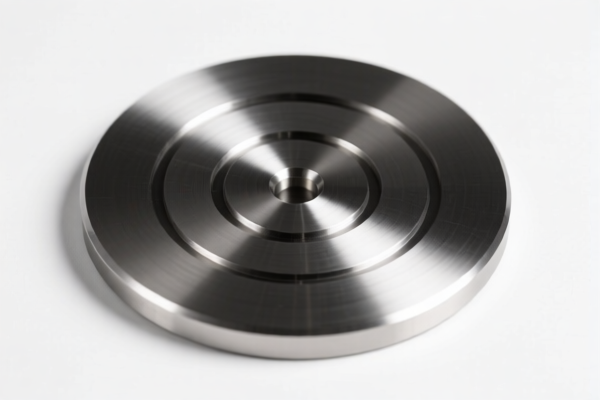
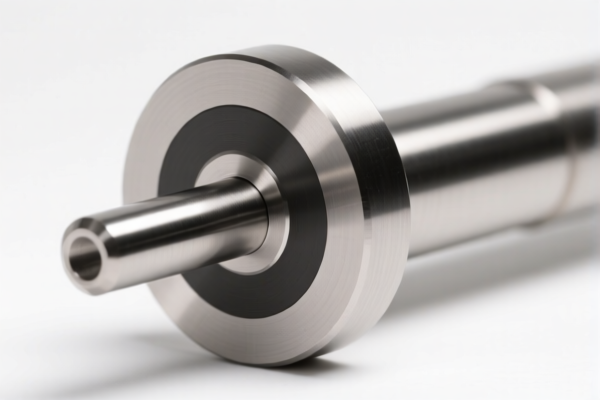
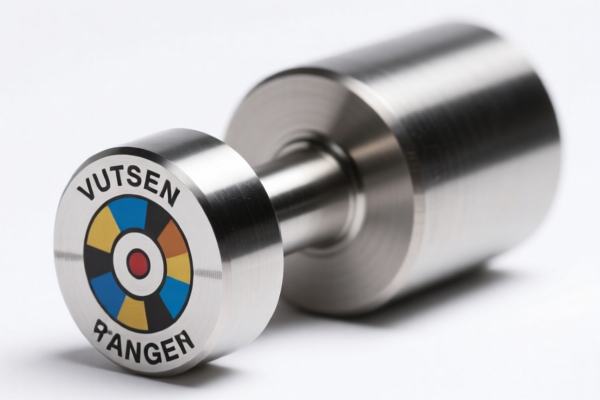
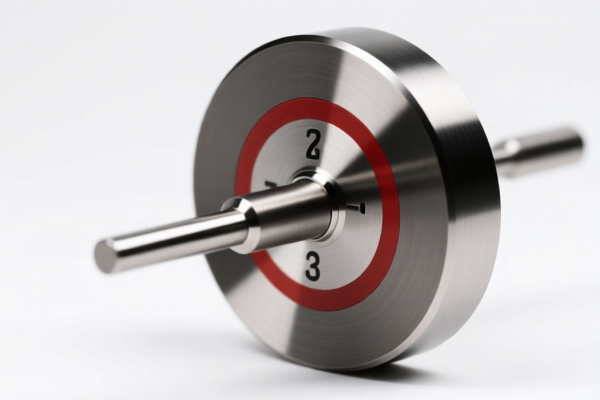
AI Analysis
🎯 Control Throw Target House (Clay Pigeon Shooting)
🌐 HS Code Reference & Customs Clearance Guide | 2024/2026 Latest Tariff Analysis | Professional Clearance Strategy
📌 I. Product Definition & Classification: What is a "Control Throw Target House"?
A Control Throw Target House (often referred to as a Clay Target Thrower or Trap Machine) is a mechanical device used in sporting clays, trap shooting, and skeet shooting. It launches clay targets (clay pigeons) into the air for recreational or competitive shooting sports.
In international trade, these are classified under Chapter 95: Toys, games, and sports requisites; specifically, articles and equipment for outdoor games and sports.
⚠️ Critical Distinction:
- Shooting Firearms (Guns, Rifles, Shotguns) → Chapter 93
- Ammunition (Shells, Bullets) → Chapter 96
- Targets & Launching Equipment → Chapter 95
This product is NOT a firearm. It is sports equipment. However, its classification depends on whether it is an integrated machine or components/accessories.
📦 II. HS Code Classification Details (Based on Provided Data)
The provided data contains two specific HS Codes for this category. Here is the precise mapping for "Control Throw Target House" and associated parts.
| HS Code | Product Description | Applicability |
|---|---|---|
| 9506.99.35.00 | Skeet Targets (Articles and equipment for general physical exercise, gymnastics, athletics, other sports...; swimming pools...: Other: Other: Skeet targets) |
Directly Applicable if: The import consists primarily of clay targets used in skeet/shooting sports, or if the "Control Throw Target House" is imported alongside/primarily for the consumption of targets. Note: Some jurisdictions classify the machine itself here if it is considered part of the "skeet target" system. |
| 9506.99.60.80 | Other Articles for Sports (...Other: Other: Other Other) |
Directly Applicable if: The import is the mechanical throwing machine/house itself (the housing, motor, and launcher), or parts/accessories that do not fit specific sub-categories like "skates" or "balls". This is the "catch-all" for specialized sports machinery not explicitly listed. |
🔍 Key Clarification:
- If you are importing Clay Pigeons (Targets): Use 9506.99.35.00.
- If you are importing the Mechanical House/Thrower: Use 9506.99.60.80 (as "Other Other" sports equipment).
- Parts & Accessories: Generally follow the classification of the main machine. If the machine is 9506.99.60.80, parts are likely also 9506.99.60.80 unless specified otherwise.
💰 III. 2026 Latest Tariff Rate Analysis (Detailed Breakdown)
✅ Applicable Country: United States (US)
✅ Origin: China (CN)
✅ Effective Time: Current/2026 Projection
🎯 1. HS Code: 9506.99.35.00 (Skeet Targets)
| Item | Detail |
|---|---|
| Basic Tariff | 0.0% (Ad Valorem) |
| Additional Tariff (Section 301) | +7.5% |
| Total Effective Rate | 7.5% |
| Tax Calculation | CIF Value × 7.5% |
| De Minimis Exemption | ❌ Not Applicable (Section 301 tariffs generally do not apply to de minimis shipments under $800 if explicitly taxed, but structure suggests standard filing). Note: Ensure proper documentation. |
| Legal Basis | HTSUS 9506.99.35.00 + Section 301 List 4C |
📌 Explanation:
- Clay targets are considered low-value consumables.
- The 7.5% additional tariff is due to Section 301 actions against Chinese imports.
- Total Cost Impact: Low, but must be declared accurately.
🎯 2. HS Code: 9506.99.60.80 (Other Sports Equipment / Machines)
| Item | Detail |
|---|---|
| Basic Tariff | 4.0% (Ad Valorem) |
| Additional Tariff (Section 301) | +7.5% |
| Metal Surcharge (Steel/Aluminum/Copper) | +50% (If the house/machine is primarily made of steel, aluminum, or copper components) |
| Total Effective Rate | 11.5% (Standard) OR 61.5% (If Metal Surcharge Applies) |
| Tax Calculation | CIF Value × Total Rate |
| Legal Basis | HTSUS 9506.99.60.80 + Section 301 + Metal Product Surcharge |
📌 Critical Alert:
- Standard Rate (11.5%): If the "Control Throw Target House" is classified as general sports equipment without heavy reliance on base metals triggering the surcharge.
- Metal Surcharge Rate (61.5%): If the Customs and Border Protection (CBP) determines the article is made of steel, aluminum, or copper (e.g., the housing, launcher arm, or motor casing), an additional 50% applies on top of the 4% + 7.5%.
- Recommendation: Verify material composition. If the unit is lightweight plastic/composite, you may avoid the 50% surcharge. If it’s a heavy-duty metal trap house, budget for ~61.5%.
🛠️ IV. Customs Clearance Practical Advice (Pitfall Avoidance)
✅ 1. Required Documentation Checklist
| Document | Required? | Notes |
|---|---|---|
| Commercial Invoice | ✅ | Must clearly state "Clay Target Thrower" or "Skeet Targets". Do not use vague terms like "Shooting Equipment" alone. |
| Product Specifications | ✅ | Include dimensions, weight, power supply (if electric), and material composition (plastic vs. metal). |
| Material Declaration | ✅ | Crucial for 9506.99.60.80. Specify % of Steel/Aluminum/Copper to determine if the 50% surcharge applies. |
| HS Code Justification | ✅ | Provide reasoning: "Mechanical device for launching clay targets in sporting sports, classified under 9506.99.60.80 as sports equipment." |
| FCC Certification | ✅ | If the target house is electric/motorized and used in the US, FCC compliance may be required for the motor/control unit. |
✅ 2. Declaration Strategy & Tips
🔥 "Materials Matter, Classification Clarity Saves Millions!"
| Scenario | Correct HS Code | Risk |
|---|---|---|
| Importing Clay Pigeons (Targets) | 9506.99.35.00 |
Low Risk. Rate: 7.5%. |
| Importing Full Electric Trap House (Plastic/Composite Body) | 9506.99.60.80 |
Medium Risk. Rate: 11.5%. |
| Importing Full Trap House (Heavy Metal Body) | 9506.99.60.80 |
HIGH RISK. Rate: 61.5%. Must declare material. |
| Importing Parts (Launcher Arm, Spring, Motor) | Follow Main Machine | If main is metal, parts may also trigger surcharge. |
📌 Tip:
- If you are importing a mix of machines and targets, split the shipment or declare them separately on the entry.
- Targets →9506.99.35.00(7.5%)
- Machines →9506.99.60.80(11.5% or 61.5%)
- Do NOT lump them under one code if the rates differ significantly. This can trigger audits.
✅ 3. Special Situations
| Situation | Handling Advice |
|---|---|
| Electric vs. Gas-Powered | Electric units may require additional safety certifications (UL/ETL) and FCC. Gas-powered are purely mechanical but still fall under 9506.99.60.80. |
| "Control" Feature | If the house has a remote control or digital interface, it is still a sports article (Ch 95), NOT an electronic device (Ch 85), as its primary function is sports. |
| Used Equipment | Same HS Code applies. Ensure condition is declared. |
🌍 V. Global Market Comparison (2026)
| Country/Region | Recommended HS Code | Estimated Tariff | Notes |
|---|---|---|---|
| 🇺🇸 USA | 9506.99.60.80 or 9506.99.35.00 |
7.5% - 61.5% | Depends on material and code. High scrutiny on metal content. |
| 🇨🇳 China (Import) | 9506.99 (Similar) | ~0-5% | No additional Section 301. |
| 🇪🇺 EU | 9506.99 | 0% | Generally duty-free for sports equipment. |
| 🇨🇦 Canada | 9506.99.35/60 | 0% | Free trade (CUSMA) may apply. |
📌 Conclusion:
- The USA is the most complex market due to Section 301 and Metal Surcharges.
- EU/Canada are favorable with low or zero tariffs.
- Cost Saving Tip: If exporting to the US, consider composite material houses to avoid the 50% metal surcharge.
📌 VI. Common Errors & Pitfalls (Lessons Learned)
❌ Error 1: Declaring "Shooting Guns" for Target Houses
👉 Consequence: Shipment held by CBP for firearms violation. Heavy Penalties.
✅ Fix: Clearly label as "Sports Equipment" or "Clay Target Thrower".
❌ Error 2: Ignoring Material Composition for 9506.99.60.80
👉 Consequence: Underpayment of duties (paying 11.5% instead of 61.5%). CBP will audit and demand back duties + interest.
✅ Fix: Provide a Bill of Materials (BOM) showing % of steel/aluminum.
❌ Error 3: Lump-sum declaration of Targets and Machines
👉 Consequence: Incorrect tariff application. If targets are 7.5% and machines are 61.5%, lumping causes underpayment.
✅ Fix: Separate line items on the commercial invoice and entry summary.
🎯 VII. Conclusion: Smart Clearance, Lower Costs!
🎯 Key Takeaways:
🔹 Targets =
9506.99.35.00→ 7.5% Total
🔹 Metal Machine =9506.99.60.80→ 61.5% Total (Avoid if possible!)
🔹 Non-Metal Machine =9506.99.60.80→ 11.5% Total
🔹 Declare Separately to optimize tax liability.
🔹 Material Declaration is the key to avoiding the 50% surcharge.
📌 Pro Tip:
For 9506.99.60.80, if your product is primarily plastic or composite, emphasize this in your invoice description: "Clay Target Thrower, Housing Made of High-Impact Polymer/Composite, Minimal Metal Components." This supports the 11.5% rate.
📣 Immediate Action:
📞 Verify Material % with your manufacturer.
📄 Prepare Separate Invoices for targets vs. machines.
🚀 Consult a Customs Broker to pre-classify your specific model before shipment to the US.
✨ Professional Clearance Starts with Precision!
💼 Every Percent Counts in Your Margin!
Customer Reviews
About HS Code Classification
The Harmonized System (HS) is an internationally standardized nomenclature developed by the World Customs Organization (WCO) to classify traded products. Over 200 countries use the HS system as the basis for customs tariffs, trade statistics, and import/export regulations.
Each HS code follows a hierarchical structure:
- Chapter (2 digits) — Broad category of goods (e.g., Chapter 84: Machinery and Mechanical Appliances)
- Heading (4 digits) — More specific grouping within the chapter
- Subheading (6 digits) — Internationally standardized breakdown, used by all WCO member countries
- National subdivisions (8-10 digits) — Country-specific extensions for further classification, such as US HTSUS 10-digit codes
Correct HS code classification is essential for smooth customs clearance, accurate duty payment, and compliance with trade regulations. Misclassification can lead to customs delays, overpayment of duties, or penalties.
When importing from CN to US, the applicable tariff rates may include:
- Most-Favored-Nation (MFN) rate — The standard duty rate applied to WTO members
- General rate — Applied to countries without trade agreements
- Trade remedy duties — Additional tariffs such as Section 301 (anti-dumping), Section 232 (national security), or countervailing duties
The information provided on this page is for reference purposes only. For official classification, please consult with your local customs authority or a licensed customs broker.