Cooking Stove
CN → US| HS Code | Tariff Rate | Origin | Destination | Doc |
|---|---|---|---|---|
| 8417800000 | 38.9% | CN | US | Official Doc |
| 8417100000 | 37.9% | CN | US | Official Doc |
| 8514190000 | 35.0% | CN | US | Official Doc |
| 8514399000 | 36.3% | CN | US | Official Doc |
| 7321111030 | 90.7% | CN | US | Official Doc |
| 7321113010 | 85.0% | CN | US | Official Doc |
Product Images
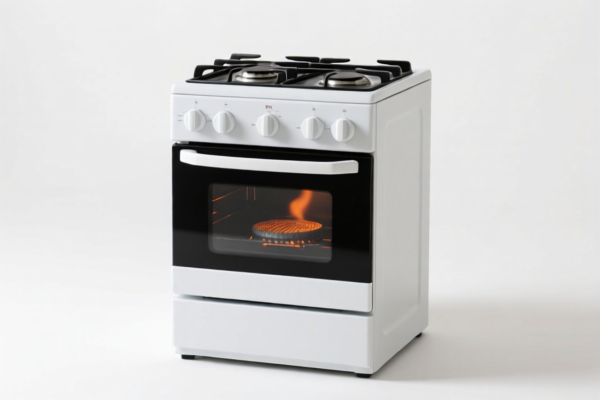
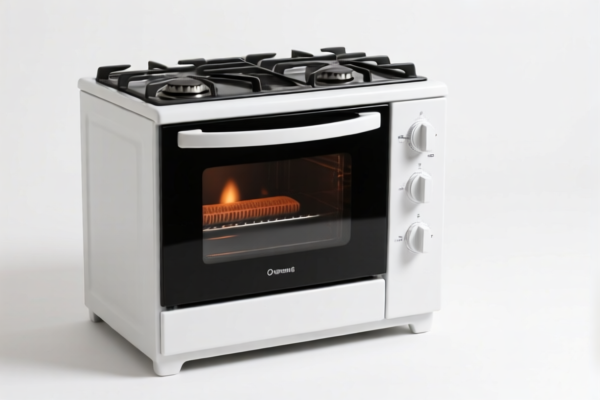
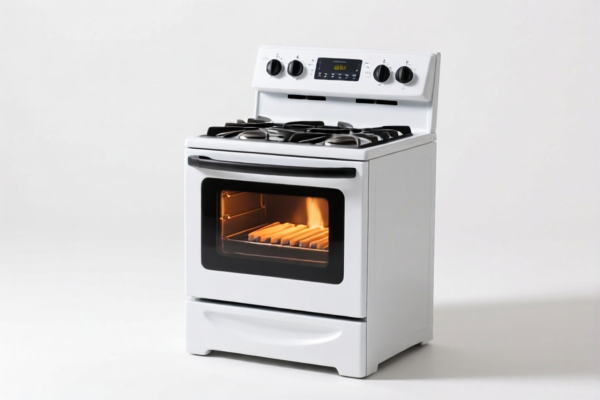
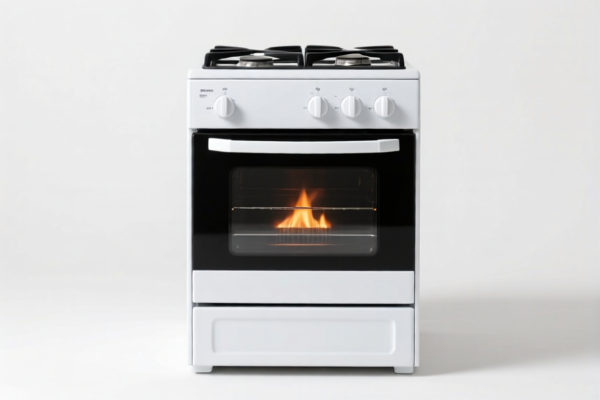
AI Analysis
🍳 Cooking Stove (炉子/炉灶)
🌐 HS Code Reference & Customs Clearance Guide | 2026 Latest Tariff Analysis | Professional Entry Strategy
📌 I. Product Definition & Classification: What is a "Cooking Stove"?
A "Cooking Stove" (炉子) is a broad term in international trade that typically refers to appliances used for heating, cooking, or industrial processing. However, in customs classification, the specific type of fuel (electric vs. non-electric) and the material (metal vs. other) drastically change the HS Code and the resulting tax burden.
Key Distinction: * Non-Electric/Industrial/ Laboratory Ovens: Falls under Chapter 84 (Mechanical/Non-electrical heating). * Electric Ovens/Stoves: Falls under Chapter 85 (Electrical machinery). * Household Iron/Steel Stoves: Falls under Chapter 73 (Articles of Iron or Steel).
⚠️ Critical Note:
- If the stove is electric and used for industrial/laboratory purposes, it may be classified under 8514.
- If it is a household iron/steel stove (like a traditional wood/coal stove or simple gas burner frame), it may be classified under 7321.
- The data provided indicates significant tax differences based on these distinctions.
📦 II. HS Code Classification Details (Based on Provided Data)
The following table summarizes the six possible HS Codes derived from the term "Cooking Stove" (炉子), along with their usage and tax rates.
| HS Code | Product Description | Matching Logic / Summary | Total Tax Rate |
|---|---|---|---|
| 8417.80.00.00 | Other non-electric industrial/laboratory furnaces | Matches "Stove" as a heating device. No conflict with "non-electric" features. Defaulted to true due to missing electric indicators. | 38.9% |
| 8417.10.00.00 | Industrial/ Laboratory Ovens & Furnaces | Matches "Stove" as an oven/furnace for roasting/melting. No conflict with metal roasting uses. | 37.9% |
| 8514.19.00.00 | Other electric industrial/laboratory furnaces | Infers "Stove" is a heating device. Matches "Electric Industrial/Lab Oven." No material/form conflict. | 35.0% |
| 8514.39.90.00 | Other electric heating industrial/laboratory equipment | Matches "Stove" with "Electric Furnace." Classified under "Other" residual category. Assumed electric heating based on common sense. | 36.3% |
| 7321.11.10.30 | Iron/Steel Household Stoves (Cooking Range) | Matches "Stove" as a household cooking appliance. Assumes metal material (iron/steel) by common sense. | 90.7% |
| 7321.11.30.10 | Iron/Steel Household Stoves (Other) | Matches "Stove" usage. Assumes metal material. Similar to above but different sub-code. | 85.0% |
🔍 Key Insight:
- Electric Industrial/Lab Stoves (8514 series) have the lowest total tax (35.0% - 36.3%).
- Non-Electric Industrial/Lab Stoves (8417 series) have moderate tax (37.9% - 38.9%).
- Household Iron/Steel Stoves (7321 series) have the HIGHEST tax (85.0% - 90.7%) due to the 50% additional tariff on steel/aluminum/copper products.
💰 III. 2026 Latest Tariff Rate Breakdown (Detailed Tax Components)
✅ Applicable Country: United States (US)
✅ Origin: China (CN)
✅ Effective Date: Post-November 2025 (Including Section 301 and IEEPA tariffs)
🎯 1. Electric Industrial/Laboratory Stoves (8514.19.00.00 & 8514.39.90.00)
| Item | Content |
|---|---|
| Base Rate | 0.0% (for 8514.19) / 1.3% (for 8514.39) |
| Section 301 Tariff (USITC) | +25% (Added Tariff) |
| IEEPA Tariff | +10% (针对中国/香港产品) |
| Steel/Aluminum/Copper Add-on | 0% (Not applicable to Chapter 85 electrical goods) |
| Total Tax Rate | 35.0% (for 8514.19) 36.3% (for 8514.39) |
| Calculation | CIF Value × Total Rate |
| De Minimis Exemption? | ❌ No |
| Legal Basis | IEEPA:9903.01.24 → USITC:8514.19.00.00 |
📌 Explanation:
- The 0% base rate for electric furnaces is attractive, but the 25% Section 301 and 10% IEEPA tariffs make the total 35%.
- This is significantly cheaper than household metal stoves.
🎯 2. Non-Electric Industrial/Laboratory Stoves (8417.80.00.00 & 8417.10.00.00)
| Item | Content |
|---|---|
| Base Rate | 3.9% (for 8417.80) / 2.9% (for 8417.10) |
| Section 301 Tariff (USITC) | +25% |
| IEEPA Tariff | +10% |
| Steel/Aluminum/Copper Add-on | 0% |
| Total Tax Rate | 38.9% (for 8417.80) 37.9% (for 8417.10) |
| Calculation | CIF Value × Total Rate |
| De Minimis Exemption? | ❌ No |
| Legal Basis | IEEPA:9903.01.24 → USITC:8417.80.00.00 |
📌 Explanation:
- Non-electric stoves have a slightly higher base rate but the same additional tariffs, resulting in 37.9% - 38.9%.
- This is still much lower than household iron/steel stoves.
🎯 3. Household Iron/Steel Stoves (7321.11.10.30 & 7321.11.30.10)
| Item | Content |
|---|---|
| Base Rate | 0.0% (for 7321.11.30) / 5.7% (for 7321.11.10.30) |
| Section 301 Tariff (USITC) | +25% |
| IEEPA Tariff | +10% |
| Steel/Aluminum/Copper Add-on | +50% (Specific to Steel Products) |
| Total Tax Rate | 85.0% (for 7321.11.30) 90.7% (for 7321.11.10.30) |
| Calculation | CIF Value × Total Rate |
| De Minimis Exemption? | ❌ No |
| Legal Basis | IEEPA:9903.01.24 → USITC:7321.11.10.30 + Steel Add-on: 50% |
📌 Explanation:
- This is the most expensive category!
- The 50% additional tariff on steel products combined with 25% (Section 301) and 10% (IEEPA) leads to a total of 85% - 90.7%.
- Reason: The data assumes these are "Iron/Steel" household stoves, triggering the harsh steel tariffs.
🛠️ IV. Customs Clearance Practical Advice (Pitfall Avoidance Guide)
✅ 1. Prepare the Following Documents (Missing Any Will Delay Clearance)
| Document | Mandatory? | Description |
|---|---|---|
| ✅ Product Specification Sheet | ✔️ | Must clearly state: Electric vs. Non-Electric, Material (Steel vs. Ceramic/Glass), Usage (Industrial vs. Household). |
| ✅ Circuit Diagram/Power Rating | ✔️ | Critical for distinguishing between 8514 (Electric) and 8417/7321 (Non-Electric). |
| ✅ Product Photos (with Nameplate) | ✔️ | Show model number, brand, input voltage (e.g., 110V/220V for electric, or gas/coal for non-electric). |
| ✅ Commercial Invoice | ✔️ | Must specify "Cooking Stove" and clarify End Use (e.g., "Industrial Oven" vs. "Household Kitchen Range"). |
| ✅ Certificate of Origin (CO) | ✔️ | Required for US Customs. |
✅ 2. Declaration Tips (Key Mnemonic)
🔥 "Electrify Industrial, Avoid Steel Household!"
| Scenario | Correct HS Code | Reason | Tax Rate |
|---|---|---|---|
| Electric Industrial Oven | 8514.19.00.00 |
Electric, Industrial Use | 35.0% (Best) |
| Electric Lab Furnace | 8514.39.90.00 |
Electric, Lab Use | 36.3% |
| Non-Electric Industrial Furnace | 8417.80.00.00 |
Non-Electric, Industrial | 38.9% |
| Household Steel Stove | 7321.11.10.30 |
Steel, Household | 90.7% (Avoid if possible) |
| Household Steel Stove (Other) | 7321.11.30.10 |
Steel, Household | 85.0% |
⚠️ Warning:
- If you import a household stainless steel stove, it will be classified under 7321, incurring a 50% steel tariff on top of others.
- If it is an electric heating element used in an industrial setting, classify under 8514 to save ~50% in taxes.
✅ 3. Special Cases
| Situation | Recommendation |
|---|---|
| Multi-Function Appliance (e.g., Electric Pressure Cooker) | Declare as "Electric Cooking Appliance" under 7321 or 8516 depending on exact type. Check if it falls under "Small Household Electrical Appliances." |
| Industrial Kiln | Declare as "Industrial Furnace" under 8417 or 8514. Provide technical specs proving industrial use. |
| Wood/Coal Burning Stove | Declare as "Non-Electric Furnace" under 8417. Ensure no electric components are present. |
| Cast Iron Stove | High Risk. Likely 7321. Consider if it can be classified as a "Part of a Stove" or "Heating Element" to avoid steel tariff. |
🌍 V. Global Market Comparison (2026 Update)
| Country/Region | Recommended HS Code | Total Tax Rate | Notes |
|---|---|---|---|
| 🇺🇸 USA | 8514.19.00.00 |
35.0% | Best for Electric Industrial. Avoid 7321 (90.7%). |
| 🇨🇳 China | 8514.19.00.00 |
Low | No Section 301/IEEPA. Base rate applies. |
| 🇪🇺 EU | 8514.19.00.00 |
Varies | Generally lower than US. Check CE certification. |
| 🇬🇧 UK | 8514.19.00.00 |
Varies | Post-Brexit rules apply. |
📌 Conclusion:
- USA has the highest tariffs for steel products (50% add-on).
- Electric Industrial Stoves are the most tax-efficient entry point into the US.
- Household Steel Stoves are the most expensive due to steel tariffs.
📌 VI. Common Mistakes & Pitfalls (Blood Tears Lessons)
❌ Mistake 1: Declaring an Electric Industrial Oven as a Household Stove (7321)
👉 Result: Pay 90.7% instead of 35.0%. Huge Loss!
❌ Mistake 2: Declaring a Household Steel Stove as an Industrial Furnace (8417/8514)
👉 Result: Customs will reject based on product design (size, controls, safety features). Demurrage + Retransshipment Costs!
❌ Mistake 3: Omitting Material Info for Household Stoves
👉 Result: Customs will assume "Steel" and apply the 50% steel tariff. Always declare material!
❌ Mistake 4: Confusing Electric vs. Non-Electric
👉 Result: Wrong HS Code. If declared as Non-Electric but is Electric, Penalty + Back Tax!
✅ Correct Practice:
"Electric Industrial Furnace, Model XYZ, 220V, 5kW, Used for Laboratory Heating, Not for Household Use."
🎯 VII. Conclusion: Professional Declaration Saves Money!
🎯 Remember the Mnemonic:
🔹 "Electric Industrial: 35% (Win!)
🔹 Non-Electric Industrial: 38% (Okay)
🔹 Household Steel: 90% (Pain!)"🔹 "Check the Material! Check the Power Source! Save 55%!"
📌 Tip:
If your product is a Household Stove, consider if it can be redesigned or marketed as an Electric Heating Component for industrial use to shift from 7321 to 8514.
Apply for an Advance Ruling (Pre-classification) with US Customs to confirm the HS Code before shipment.
📣 Immediate Action:
📞 Contact a professional customs broker + Provide Product Specs + Apply for HS Code Pre-classification
🚀 Let your "Cooking Stove" clear customs smoothly, legally, and profitably!
✨ Professional Clearance Starts with Accurate Classification!
💼 Every Dollar of Tax Saved is Pure Profit!
Customer Reviews
About HS Code Classification
The Harmonized System (HS) is an internationally standardized nomenclature developed by the World Customs Organization (WCO) to classify traded products. Over 200 countries use the HS system as the basis for customs tariffs, trade statistics, and import/export regulations.
Each HS code follows a hierarchical structure:
- Chapter (2 digits) — Broad category of goods (e.g., Chapter 84: Machinery and Mechanical Appliances)
- Heading (4 digits) — More specific grouping within the chapter
- Subheading (6 digits) — Internationally standardized breakdown, used by all WCO member countries
- National subdivisions (8-10 digits) — Country-specific extensions for further classification, such as US HTSUS 10-digit codes
Correct HS code classification is essential for smooth customs clearance, accurate duty payment, and compliance with trade regulations. Misclassification can lead to customs delays, overpayment of duties, or penalties.
When importing from CN to US, the applicable tariff rates may include:
- Most-Favored-Nation (MFN) rate — The standard duty rate applied to WTO members
- General rate — Applied to countries without trade agreements
- Trade remedy duties — Additional tariffs such as Section 301 (anti-dumping), Section 232 (national security), or countervailing duties
The information provided on this page is for reference purposes only. For official classification, please consult with your local customs authority or a licensed customs broker.