Cookware Protective Cover
CN → US| HS Code | Tariff Rate | Origin | Destination | Doc |
|---|---|---|---|---|
| 6307908995 | 17.0% | CN | US | Official Doc |
| 3926904510 | 38.5% | CN | US | Official Doc |
| 3926305000 | 22.8% | CN | US | Official Doc |
| 7326190080 | 87.9% | CN | US | Official Doc |
| 7326908688 | 87.9% | CN | US | Official Doc |
Product Images
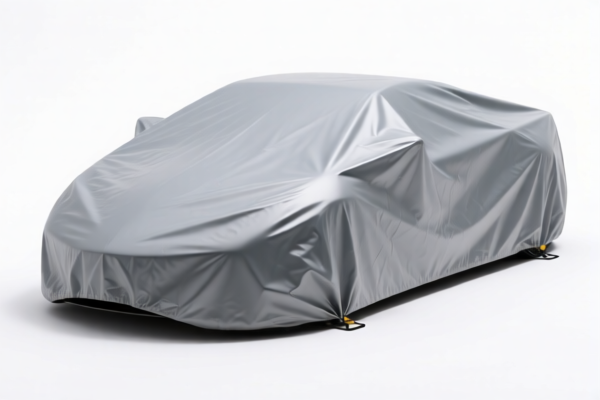
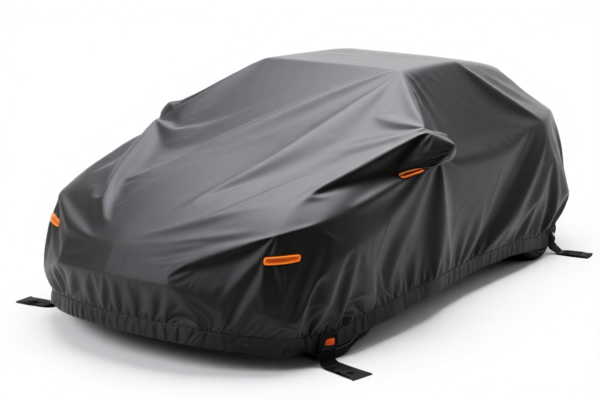
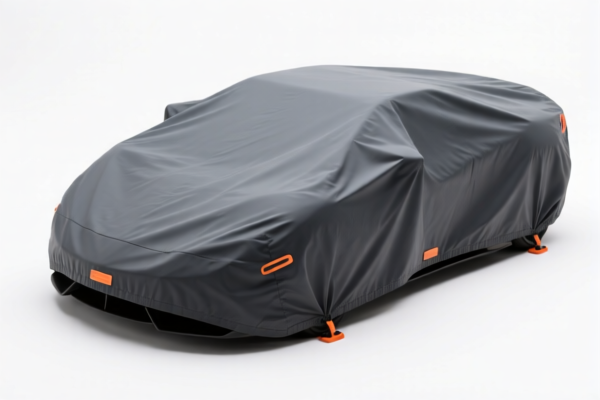
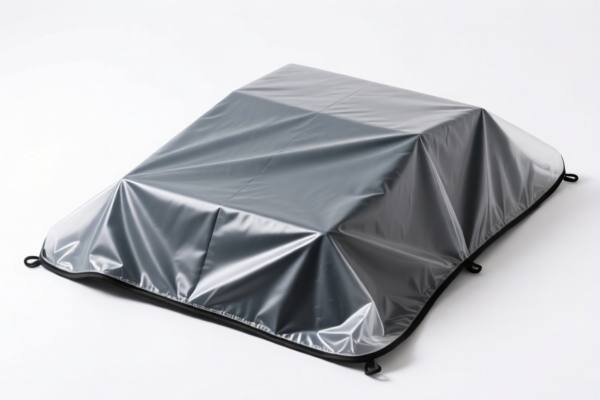
AI Analysis
🛡️ Cookware Protective Covers: HS Code Classification & 2026 US Customs Clearance Guide
🌐 HS Code Reference & Customs Strategy | 2026 Latest Tariff Analysis | Professional Clearance Guide
📌 I. Product Definition & Classification: What Exactly Is a "Cookware Protective Cover"?
Cookware protective covers are accessories designed to shield pots, pans, woks, and lids from dust, scratches, grease, and damage during storage or transit. In international trade, their classification depends heavily on material composition and primary function.
They are generally categorized into two main groups: 1. Silicone/Textile Covers: Often used as heat-resistant pot holders, silicone mats, or fabric dust covers. 2. Plastic/Metal Gaskets or Caps: Often used as sealing lids, gaskets, or rigid protective shells for specific cookware parts.
⚠️ Key Distinction Point: - If the item is a soft cover (silicone/fabric) for dust/heat protection → Likely falls under Textiles/Plastics (Ch. 39/63) or Miscellaneous Manufactured Articles (Ch. 63). - If the item is a sealing gasket or rigid cap (plastic/metal) → Likely falls under Plastics (Ch. 39) or Iron/Steel (Ch. 73).
📦 II. HS Code Classification Details (Based on Provided Data)
The following HS Codes are derived from the provided data, categorized by material and function.
1. Textile/Fabric & Miscellaneous Soft Covers
🏷️ HS Code:
6307.90.89.95- Summary: Goods belonging to other made-up articles; likely silicone or textile material; considered a functional small item fitting the "other" category under residual principles. - Total Tax: 17.0% - Tax Breakdown: - Base Duty: 7.0% - Additional Duty: 0.0% - Section 301 (122 Clause): 10%
2. Plastic Gaskets/Seals/Protective Caps
🏷️ HS Code:
3926.90.45.10- Summary: Material inferred as plastic; form factors as gaskets/washers for sealing or protection; fits the "other plastic articles" category under gaskets. - Total Tax: 38.5% - Tax Breakdown: - Base Duty: 3.5% - Additional Duty: 25.0% - Section 301 (122 Clause): 10%🏷️ HS Code:
3926.30.50.00- Summary: Material inferred as plastic; fits other plastic articles; classified as other connection/accessory parts with no obvious conflict. - Total Tax: 22.8% - Tax Breakdown: - Base Duty: 5.3% - Additional Duty: 7.5% - Section 301 (122 Clause): 10%
3. Metal (Iron/Steel) Protective Shells/Accessories
🏷️ HS Code:
7326.19.00.80- Summary: Based on the residual rule for other iron/steel articles; inferred metal/steel material; classified as other miscellaneous items with no material conflict. - Total Tax: 87.9% - Tax Breakdown: - Base Duty: 2.9% - Additional Duty: 25.0% - Section 301 (122 Clause): 10% - Steel/Aluminum/Copper Additional Tariff: +50% (Note: High total tax suggests cumulative application of USITC 301 duties and potential additional steel tariffs)🏷️ HS Code:
7326.90.86.88- Summary: Material inferred as metal (iron/steel); fits other iron/steel articles; form factor as non-specific auxiliary articles fitting the "other" category. - Total Tax: 87.9% - Tax Breakdown: - Base Duty: 2.9% - Additional Duty: 25.0% - Section 301 (122 Clause): 10% - Steel/Aluminum/Copper Additional Tariff: +50%
💰 III. 2026 Latest Tariff Rate Detailed Explanation (USA Market)
✅ Applicable Country: United States (US) ✅ Origin: China (CN) ✅ Effective Time: Post-2025 (Including 2026)
🎯 1. Lowest Tax Option: Textile/Miscellaneous Soft Covers
HS Code:
6307.90.89.95| Item | Detail | |------|--------| | Base Duty | 7.0% | | Section 301 Duty | 10% | | Additional USITC Duty | 0.0% | | Total Effective Rate | 17.0% | | Calculation | CIF Value × 17% | | De Minimis Eligibility | ❌ No (Subject to Section 301) |📌 Interpretation: - This is the most cost-effective classification for flexible covers (silicone/fabric). - The "122 Clause" refers to specific Section 301 tariff items targeting Chinese imports. - Advice: If your product is a soft, flexible cover, aim for this classification to minimize costs.
🎯 2. Medium Tax Option: Plastic Accessories/Gaskets
HS Code:
3926.30.50.00(Better than3926.90.45.10) | Item | Detail | |------|--------| | Base Duty | 5.3% | | Section 301 Duty | 10% | | Additional USITC Duty | 7.5% | | Total Effective Rate | 22.8% | | Calculation | CIF Value × 22.8% | | De Minimis Eligibility | ❌ No |📌 Interpretation: - If the cover is a rigid plastic part (e.g., a clip or connector), this code is preferable to
3926.90.45.10(38.5%). - Advice: Ensure the product is clearly defined as an "accessory" or "connection part" rather than a general "other plastic article" to potentially qualify for this lower rate.
🎯 3. Highest Tax Option: Metal Cookware Parts
HS Codes:
7326.19.00.80/7326.90.86.88| Item | Detail | |------|--------| | Base Duty | 2.9% | | Section 301 Duty | 10% | | Additional USITC Duty | 25.0% | | Steel/Aluminum Tariff | 50% | | Total Effective Rate | 87.9% | | Calculation | CIF Value × 87.9% | | De Minimis Eligibility | ❌ No |📌 Interpretation: - Extremely High Cost. If your "protective cover" is made of steel or aluminum, the tax burden is prohibitive. - Critical Warning: Do not classify metal protective parts under these codes if you can possibly avoid it. Consider if the item can be classified as a plastic accessory or textile item instead.
🛠️ IV. Customs Clearance Practical Advice (Battle-Tested Tips)
✅ 1. Required Documentation Checklist (Non-Negotiable)
| Document | Required? | Description |
|---|---|---|
| ✅ Product Specification Sheet | ✔️ | Detail material (e.g., "100% Food-Grade Silicone," "Polypropylene," "Carbon Steel"). |
| ✅ Material Composition Statement | ✔️ | Crucial for distinguishing between Ch. 39 (Plastic), Ch. 63 (Textile), and Ch. 73 (Metal). |
| ✅ Product Photos (Clear) | ✔️ | Show the item in use, covering a pot/lid, to prove its function as a "cover." |
| ✅ Commercial Invoice | ✔️ | Must match the HS Code and description precisely. |
| ✅ Packing List | ✔️ | Ensure no mixed shipments of metal/plastic/textile unless properly segregated. |
✅ 2. Declaration Strategy (Key Mantras)
🔥 “Material Dictates Code, Function Supports Claim!”
| Scenario | Correct Declaration | Wrong Practice |
|---|---|---|
| Soft Silicone/Fabric Cover | "Silicone Pot Holder & Dust Cover, Heat Resistant" → 6307.90.89.95 |
Declaring as "Metal Lid" → 87.9% |
| Plastic Clip/Connector | "Plastic Cookware Accessory, Connection Part" → 3926.30.50.00 |
Declaring as "General Plastic Good" → 38.5% |
| Metal Protective Shell | "Steel Cookware Shell" → 7326.90.86.88 |
Avoid if possible due to 87.9% tax |
✅ 3. Special Case Handling
| Situation | Recommendation |
|---|---|
| Mixed Material Products | If a cover has a silicone top and a metal rim, declare based on the essential character (usually the silicone part) to avoid the high metal tax. Provide a detailed breakdown. |
| OEM/Private Label | Ensure the invoice states the actual material, not just the brand name. Customs may inspect for material truthfulness. |
| Gift Sets | If sold as a "Gift Set" with cookware, the entire set may be classified under the cookware HS code (often lower for steel pots but higher for non-cookware accessories). Check if the cover is considered an "accessory" to the pot. |
🌍 V. Global Market Comparison (2026 Outlook)
| Market | Recommended HS Code | Est. Tariff (China Origin) | Key Requirement |
|---|---|---|---|
| 🇺🇸 USA | 6307.90.89.95 |
17.0% | Section 301 Disclosure |
| 🇪🇺 EU | 6307.90.90 |
~6.8% | CE/RoHS if applicable |
| 🇨🇳 China | 6307.90.90 |
5.0% | CCC Certification (if electrical) |
| 🇯🇵 Japan | 6307.90.90 |
7.0% | FSC Compliance |
📌 Conclusion: - The USA market is the most complex due to Section 301 tariffs. - Textile/Silicone (
6307) is the safest and cheapest entry point for protective covers. - Metal (7326) should be avoided unless absolutely necessary, as the 87.9% tax erodes all profit margins.
📌 VI. Common Mistakes & Pitfalls (Learn from Others' Pain)
❌ Mistake 1: Declaring a silicone cover as "Metal Lid" to avoid scrutiny. 👉 Consequence: Customs inspection reveals material mismatch → Seizure + Fine + Back Taxes (87.9%).
❌ Mistake 2: Ignoring the "Plastic" sub-category nuance.
👉 Consequence: Using 3926.90.45.10 (38.5%) instead of 3926.30.50.00 (22.8%) → Unnecessary 15.7% extra cost.
❌ Mistake 3: Failing to disclose Section 301 duty responsibility. 👉 Consequence: Clearance delay, demurrage charges, and potential liability for unpaid duties.
✅ Correct Approach:
"Silicone Cookware Protective Cover, Heat-Resistant, Non-Stick Coating, Model ABC"
🎯 VII. Conclusion: Smart Classification, Higher Profits!
🎯 Remember the Mantra:
🔹 "Soft is Best (17%), Plastic is Okay (22%), Metal is Expensive (87.9%)."
🔹 "Material Truthfulness Saves Your Business!"
📌 Pro Tip:
If your protective covers are made of silicone or fabric, strongly advocate for classification under 6307.90.89.95. This is the most competitive rate in the US market for this product type. For plastic parts, ensure they are described as "accessories" or "connectors" to potentially qualify for 3926.30.50.00.
📣 Immediate Action:
📞 Contact your freight forwarder with detailed material specs.
📄 Request a Pre-Ruling from CBP if the material is ambiguous.
🚀 Optimize your supply chain to avoid high-tax metal classifications for simple protective items.
✨ Professional Clearance Starts with Accurate Classification!
💼 Every Percent of Tax Matters!
Customer Reviews
About HS Code Classification
The Harmonized System (HS) is an internationally standardized nomenclature developed by the World Customs Organization (WCO) to classify traded products. Over 200 countries use the HS system as the basis for customs tariffs, trade statistics, and import/export regulations.
Each HS code follows a hierarchical structure:
- Chapter (2 digits) — Broad category of goods (e.g., Chapter 84: Machinery and Mechanical Appliances)
- Heading (4 digits) — More specific grouping within the chapter
- Subheading (6 digits) — Internationally standardized breakdown, used by all WCO member countries
- National subdivisions (8-10 digits) — Country-specific extensions for further classification, such as US HTSUS 10-digit codes
Correct HS code classification is essential for smooth customs clearance, accurate duty payment, and compliance with trade regulations. Misclassification can lead to customs delays, overpayment of duties, or penalties.
When importing from CN to US, the applicable tariff rates may include:
- Most-Favored-Nation (MFN) rate — The standard duty rate applied to WTO members
- General rate — Applied to countries without trade agreements
- Trade remedy duties — Additional tariffs such as Section 301 (anti-dumping), Section 232 (national security), or countervailing duties
The information provided on this page is for reference purposes only. For official classification, please consult with your local customs authority or a licensed customs broker.