Cookware and Peelers
CN → US| HS Code | Tariff Rate | Origin | Destination | Doc |
|---|---|---|---|---|
| 8205513030 | 38.7% | CN | US | Official Doc |
| 7615109100 | 70.6% | CN | US | Official Doc |
| 7615107155 | 63.1% | CN | US | Official Doc |
| 8205517500 | 38.7% | CN | US | Official Doc |
| 8215995000 | 15.3% | CN | US | Official Doc |
Product Images
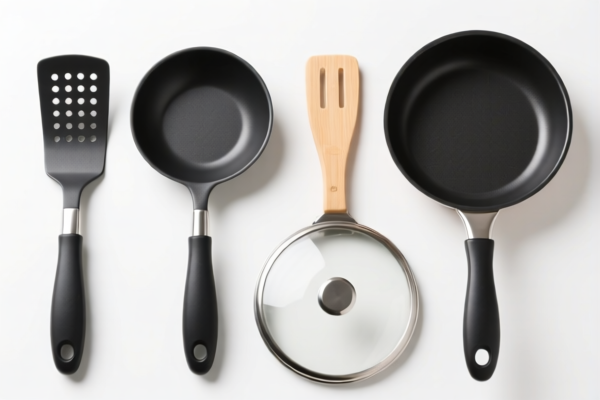
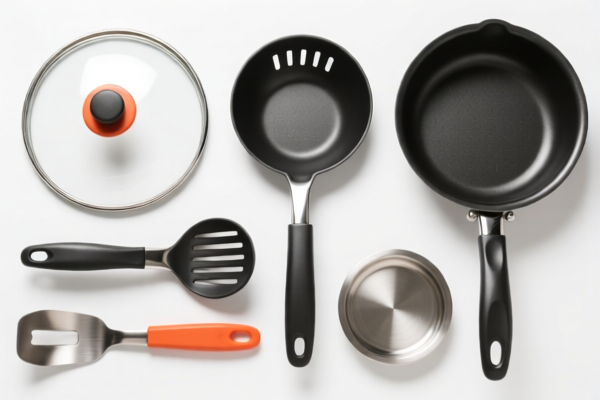
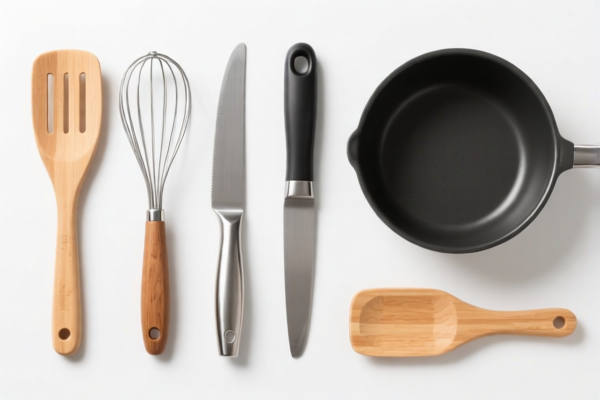
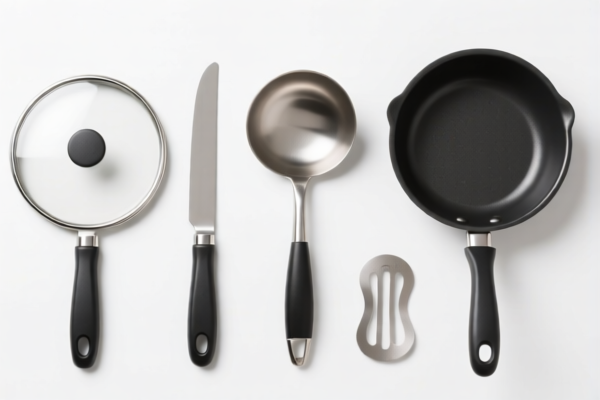
AI Analysis
🍳 Cookware & Peelers (Kitchen Utensils)
🌐 HS Code Reference & Customs Clearance Guide | 2026 Latest Tariff Analysis | Professional Clearance Strategy
📌 I. Product Definition & Classification: Are You Classifying "Kitchen Tools" Correctly?
"Cookware" (pots, pans, woks) and "Peelers" (vegetable peelers, fruit peelers) are essential kitchen and tableware items. In international trade, their classification depends heavily on material (Iron/Steel vs. Aluminum) and function (Hand Tools vs. Tableware).
⚠️ Key Distinction Point:
- If made of Iron or Steel and used as hand tools (like peelers) or general kitchenware → Often falls under Chapter 82 (Tools/Implements).
- If made of Aluminum and used for cooking → Often falls under Chapter 76 (Articles of Aluminum).
- Material Assumption: Since the input is generic, we infer based on common market products: Iron/Steel for peelers, Aluminum/Stainless Steel for cookware.
📦 II. HS Code Classification Details (2026 Latest Tariff Authority Comparison)
| HS Code | Product Description | Application Scenario | Material Logic | Total Tax Rate |
|---|---|---|---|---|
8205.51.30.30 |
Peelers: Other hand tools, of steel, for household purposes | Vegetable/Fruit Peelers (Steel/Iron) | Steel/Iron | 38.7% |
7615.10.91.00 |
Cookware: Other articles for table/kitchen, of aluminum, not steel | Aluminum Pots/Pans | Aluminum | 70.6% |
7615.10.71.55 |
Cookware: Other articles for table/kitchen, of aluminum, not steel (Alternative) | Aluminum Woks/Cooks | Aluminum | 63.1% |
8205.51.75.00 |
Peelers: Other hand tools, for household purposes (Steel) | Generic Steel Peelers | Steel/Iron | 38.7% |
8215.99.50.00 |
Kitchen Utensils: Knives, forks, spoons, and other tableware/kitchen items | Mixed Kitchen Tools (Base Metal/Plastic) | Base Metal/Plastic | 15.3% |
🔍 Key Reminder:
- Steel/Iron Peelers generally fall under 8205.51 (Hand Tools).
- Aluminum Cookware generally falls under 7615.10 (Articles of Aluminum).
- Generic Kitchen Tools may sometimes fall under 8215.99 if they are considered "other tableware" rather than strict "hand tools" or "aluminum articles."
💰 III. 2026 Latest Tariff Rate Breakdown (Including Surtaxes & Policy Add-ons)
✅ Applicable Country: United States (US)
✅ Origin: China (CN)
✅ Effective Time: 2025 November 10 onwards (including subsequent imports)
🎯 1. 8205.51.30.30 & 8205.51.75.00 — Steel/Iron Peelers (Hand Tools)
These two codes share the same tax structure because both are classified as household hand tools made of steel/iron.
| Item | Content |
|---|---|
| Base Rate | 3.7% (Ad Valorem) |
| Section 301 Surcharge | +25.0% (From USITC Footnote 9903.88.01) |
| Section 122 / IEEPA Surcharge | +10.0% (Against China/HK products) |
| Total Tax Rate | 38.7% |
| Tax Calculation | CIF Value × 38.7% |
| De Minimis Exemption | ❌ Not Applicable (deny_de_minimis) |
| Legal Path | IEEPA:9903.01.25 → USITC:8205.51.30.30 / 8205.51.75.00 |
📌 Explanation:
- Base 3.7%: Standard MFN rate for hand tools.
- 25% Section 301: Standard trade war surcharge on Chinese goods.
- 10% IEEPA: Additional emergency economic power surcharge for Chinese products.
- Total 38.7%: High cost for steel peelers entering the US.
🎯 2. 7615.10.91.00 — Aluminum Cookware (High Surcharge)
Aluminum kitchen articles face a significant additional surcharge specifically targeting steel, aluminum, and copper products.
| Item | Content |
|---|---|
| Base Rate | 3.1% (Ad Valorem) |
| Section 301 Surcharge | +7.5% (Specific to this subheading under Section 301) |
| Section 122 / IEEPA Surcharge | +10.0% (Against China/HK products) |
| Steel/Aluminum/Copper Additional Surcharge | +50.0% (Specific Section 301 addition for metals) |
| Total Tax Rate | 70.6% |
| Tax Calculation | CIF Value × 70.6% |
| De Minimis Exemption | ❌ Not Applicable (deny_de_minimis) |
| Legal Path | IEEPA:9903.01.25 → USITC:7615.10.91.00 → FOOTNOTE:Steel/Aluminum/Copper |
📌 Warning:
- This is the highest tax category in the list.
- The 50% additional tariff is specifically for steel, aluminum, and copper articles under Section 301.
- Aluminum cookware is extremely costly to import into the US from China.
🎯 3. 7615.10.71.55 — Aluminum Cookware (Alternative Subheading)
A slightly different aluminum cookware classification with a lower Section 301 base, but still subject to the heavy metal surcharge.
| Item | Content |
|---|---|
| Base Rate | 3.1% (Ad Valorem) |
| Section 301 Surcharge | 0.0% (This specific subheading has 0% base Section 301) |
| Section 122 / IEEPA Surcharge | +10.0% (Against China/HK products) |
| Steel/Aluminum/Copper Additional Surcharge | +50.0% (Specific Section 301 addition for metals) |
| Total Tax Rate | 63.1% |
| Tax Calculation | CIF Value × 63.1% |
| De Minimis Exemption | ❌ Not Applicable (deny_de_minimis) |
| Legal Path | IEEPA:9903.01.25 → USITC:7615.10.71.55 → FOOTNOTE:Steel/Aluminum/Copper |
📌 Note:
- 63.1% is lower than7615.10.91.00(70.6%) but still very high.
- The 50% surcharge is unavoidable for aluminum articles of Chinese origin.
🎯 4. 8215.99.50.00 — Other Kitchen/Table Utensils (Lowest Tax)
This code is for "other" kitchen items, possibly including mixed materials or specific utensils not covered elsewhere. It avoids the heavy metal surcharges.
| Item | Content |
|---|---|
| Base Rate | 5.3% (Ad Valorem) |
| Section 301 Surcharge | 0.0% |
| Section 122 / IEEPA Surcharge | +10.0% (Against China/HK products) |
| Total Tax Rate | 15.3% |
| Tax Calculation | CIF Value × 15.3% |
| De Minimis Exemption | ❌ Not Applicable (deny_de_minimis) |
| Legal Path | IEEPA:9903.01.25 → USITC:8215.99.50.00 |
📌 Strategy:
- 15.3% is the most tax-efficient option among the choices.
- However, classification must be accurate. If the item is clearly "steel hand tool" (peeler) or "aluminum cookware," it cannot be forced into this category without risking customs seizure or penalties.
🛠️ IV. Customs Clearance Practical Advice (Battle-Tested Pitfall Guide)
✅ 1. Required Documentation Checklist (Non-Negotiable)
| Document | Must Provide | Description |
|---|---|---|
| ✅ Product Specifications | ✔️ | Material composition (e.g., "Stainless Steel 304," "Aluminum Alloy"), dimensions, weight. |
| ✅ Product Photos | ✔️ | Clear images of the item, including handles, blades, and any markings. |
| ✅ Commercial Invoice | ✔️ | Must state: "Kitchen Utensils: Peelers/Cookware," not vague terms like "Gifts." |
| ✅ Packing List | ✔️ | Detail quantities and weights per package. |
| ✅ Material Declaration | ✔️ | Explicitly state if "Steel," "Aluminum," or "Plastic coated." |
| ✅ Country of Origin | ✔️ | Certificate of Origin (CO) if applicable for any potential exemptions (rare for China/US). |
✅ 2. Classification Strategy (Key Mnemonic)
🔥 “Material Dictates Chapter, Tool Dictates Code!”
| Scenario | Correct HS Code | Wrong Approach | Consequence |
|---|---|---|---|
| Steel Peelers | 8205.51.30.30 or 8205.51.75.00 (38.7%) |
Classify as 8215.99 (15.3%) |
Customs audit, back taxes + penalties |
| Aluminum Pots | 7615.10.91.00 (70.6%) or 7615.10.71.55 (63.1%) |
Classify as 8215.99 (15.3%) |
High risk of seizure due to metal surcharge evasion |
| Mixed Kitchen Set | Depends on main item | Split incorrectly | Delayed clearance |
✅ 3. Special Handling Cases
| Case | Handling Advice |
|---|---|
| OEM Custom Peelers | Provide OEM contract + design specs. If steel, use 8205. |
| Non-Stick Coating | If aluminum core + non-stick coating, still classified as Aluminum (7615.10). |
| Plastic Handle Steel Blade | Still classified as Steel Hand Tool (8205) because the blade is the functional part. |
| Aluminum Handle Steel Blade | Still classified as Steel Hand Tool (8205) if the blade is steel. |
🌍 V. Global Market Clearance Comparison (2026 Latest)
| Country/Region | Recommended HS Code | Estimated Tax (China Origin) | Certifications Required | Notes |
|---|---|---|---|---|
| 🇺🇸 USA | 8205.51 or 7615.10 |
38.7% – 70.6% | None (General) | Highest Tax due to Section 301 + IEEPA. |
| 🇨🇳 China | 8205.51 or 7615.10 |
0% - 5% | None | Low import tax into China. |
| 🇪🇺 EU | 8205.51 or 7615.10 |
0% - 6% | CE (if applicable) | No heavy surcharges like US. |
| 🇬🇧 UK | 8205.51 or 7615.10 |
0% - 6% | UKCA | Post-Brexit, generally low. |
| 🇨🇦 Canada | 8205.51 or 7615.10 |
0% - 5% | None | CUSMA benefits if from US/Mexico. |
📌 Conclusion:
- The US market is significantly more expensive for Chinese-made kitchenware due to layered tariffs.
- Aluminum cookware faces the steepest penalties (up to 70.6%).
- Steel peelers are moderately expensive (38.7%).
- Strategic Suggestion: Consider sourcing from Vietnam or Mexico to bypass Section 301 tariffs, though rules of origin must be strictly met.
📌 VI. Common Mistakes & Pitfall Guide (Lessons from Tears)
❌ Mistake 1: Calling "Aluminum Pots" "Kitchen Tools" to get 15.3% tax.
👉 Result: Customs recognizes the material (Aluminum) and applies the 50% metal surcharge + back taxes. Fine + Delay!
❌ Mistake 2: Calling "Steel Peelers" "Tableware" to avoid hand-tool rates.
👉 Result: Peelers are defined as hand tools in HTSUS. Misclassification leads to audits. Penalties!
❌ Mistake 3: Ignoring the "IEEPA 10%" surcharge.
👉 Result: Underestimating total landed cost by 10% on every shipment. Profit Erosion!
✅ Correct Action:
“Vegetable Peeler, Stainless Steel Blade, Plastic Handle, Model XYZ”
“Aluminum Non-Stick Frying Pan, 10 inch, Model ABC”
🎯 VII. Conclusion: Precise Classification, Cost Control!
🎯 Remember:
🔹 “Steel Peelers = 38.7% | Aluminum Pots = 63-70% | Generic = 15.3% (Risky)”
🔹 “Material is Key! Don’t hide Aluminum under ‘Kitchen Tools’!”
🔹 “US Tariffs are High, Plan Ahead or Relocate Supply Chain!”
📌 Pro Tip:
If your products are originating from Vietnam, Mexico, or Thailand, you may qualify for IEEPA/Section 301 exemptions.
Recommendation: Apply for an Advance Ruling from CBP before shipping large volumes to avoid clearance shocks.
📣 Immediate Action:
📞 Consult a Licensed Customs Broker + Provide Material Specs + File for Advance Ruling
🚀 Ensure Smooth Customs Clearance, Maximize Profit Margins!
✨ Professional Customs Clearance Starts with Accurate Classification!
💼 Every Cent of Tax Saved is Profit Earned!
Customer Reviews
About HS Code Classification
The Harmonized System (HS) is an internationally standardized nomenclature developed by the World Customs Organization (WCO) to classify traded products. Over 200 countries use the HS system as the basis for customs tariffs, trade statistics, and import/export regulations.
Each HS code follows a hierarchical structure:
- Chapter (2 digits) — Broad category of goods (e.g., Chapter 84: Machinery and Mechanical Appliances)
- Heading (4 digits) — More specific grouping within the chapter
- Subheading (6 digits) — Internationally standardized breakdown, used by all WCO member countries
- National subdivisions (8-10 digits) — Country-specific extensions for further classification, such as US HTSUS 10-digit codes
Correct HS code classification is essential for smooth customs clearance, accurate duty payment, and compliance with trade regulations. Misclassification can lead to customs delays, overpayment of duties, or penalties.
When importing from CN to US, the applicable tariff rates may include:
- Most-Favored-Nation (MFN) rate — The standard duty rate applied to WTO members
- General rate — Applied to countries without trade agreements
- Trade remedy duties — Additional tariffs such as Section 301 (anti-dumping), Section 232 (national security), or countervailing duties
The information provided on this page is for reference purposes only. For official classification, please consult with your local customs authority or a licensed customs broker.