Cooler Bag
CN → US| HS Code | Tariff Rate | Origin | Destination | Doc |
|---|---|---|---|---|
| 3923290000 | 38.0% | CN | US | Official Doc |
| 4202920807 | 42.0% | CN | US | Official Doc |
| 3923900080 | 38.0% | CN | US | Official Doc |
| 6307909875 | 24.5% | CN | US | Official Doc |
| 4202920809 | 42.0% | CN | US | Official Doc |
| 6307909891 | 24.5% | CN | US | Official Doc |
Product Images
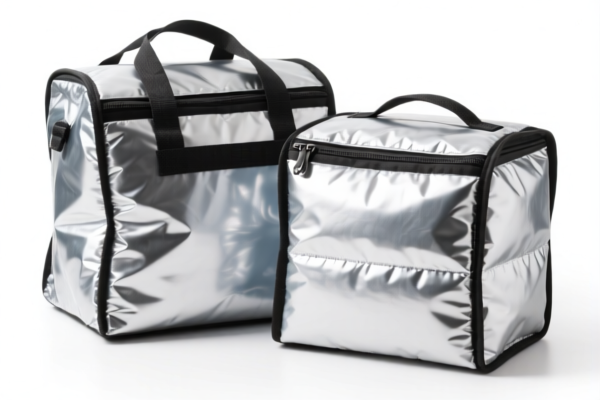
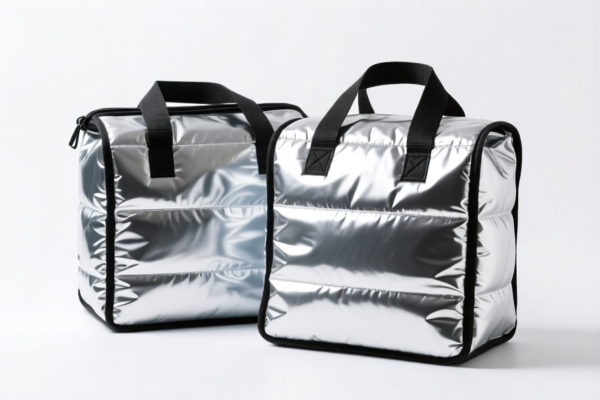
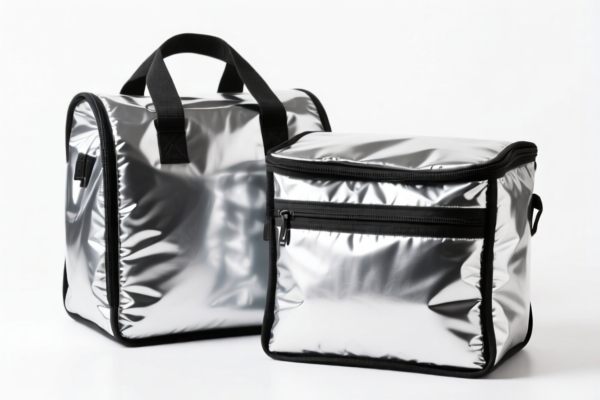
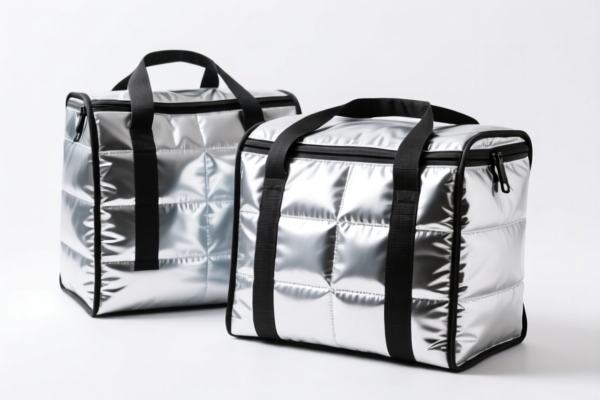
AI Analysis
🧊 Cooler Bag (Thermal Insulated Bags for Transport)
🌐 HS Code Reference & Customs Clearance Guide | 2026 Latest Tariff Analysis | Professional-Level Clearance Strategy
📌 Part I: Product Definition & Classification: Do You Really Understand "Cooler Bags"?
Cooler bags, also known as thermal insulated bags or lunch boxes, are essential containers for maintaining the temperature of food, beverages, or medical supplies during transport. In international trade, their classification depends heavily on material composition, outer surface material, and primary function.
Key Classification Logic: 1. Plastic/Coated Material: If the bag is essentially a plastic pouch, sack, or envelope (even if lined with insulation), it falls under Plastics Articles. 2. Textile Outer Surface: If the outer layer is woven fabric, non-woven fabric, or textile material, it typically falls under Articles of Apparel/Accessories not elsewhere specified. 3. General Purpose/Other: If the specific functional classification (like textile) doesn't strictly apply or for "catch-all" scenarios, general purpose plastic or other articles may be used.
⚠️ Critical Distinction:
- If the outer surface is plastic film/coating → Look at Chapter 39 (Plastics).
- If the outer surface is textile (fabric, felt, etc.) → Look at Chapter 42 (Articles of Apparel) or Chapter 63 (Other Made-up Textile Articles).
- Misclassification Risk: Declaring a textile-bagged cooler as a plastic bag can lead to lower duties; declaring a plastic bag as textile can lead to higher duties or refusal.
📦 Part II: HS Code Classification Details (2026 Latest Tariff Authority Comparison)
Based on the provided data, here are the 6 possible HS Codes, sorted by Total Tax Rate (Lowest to Highest) to help optimize cost.
| HS Code | Description Summary | Key Determining Factor | Total Tax Rate |
|---|---|---|---|
6307.90.98.75 |
Other made-up articles; for warmth, finished consumer goods | Non-specific function, textile-related "other" category | 24.5% ✅ Lowest |
6307.90.98.91 |
Other made-up articles; form factor is bag, finished goods | "Catch-all" for textile-made-up articles not elsewhere classified | 24.5% ✅ Lowest |
3923.29.00.00 |
Plastic sacks, bags, pouches, envelopes, cones | Outer surface is plastic film or coated plastic | 38.0% |
3923.90.00.80 |
Other articles of plastics for packing/storage | "Catch-all" for plastic packaging articles | 38.0% |
4202.92.08.07 |
Articles of apparel/accessories, outer surface of textile | Outer surface is textile; specific subheading for other items | 42.0% |
4202.92.08.09 |
Articles of apparel/accessories, outer surface of textile | Outer surface is textile; other category with no material conflict | 42.0% ✅ Highest |
🔍 重点提醒 (Key Reminder):
- Cheapest Options:6307.90.98.75and6307.90.98.91(24.5%) belong to Chapter 63 (Other Made-up Textile Articles). This suggests that if the bag is made of non-woven fabric, felt, or similar textile materials, it might be classified here rather than Chapter 42.
- Most Expensive:4202.92.08.xx(42.0%) belongs to Chapter 42 (Articles of Apparel/Accessories). This is common for high-end, branded cooler bags with a distinct textile outer shell.
- Plastic Options:3923.xx(38.0%) is for plastic-based coolers (e.g., PVC, PE).
💰 Part III: 2026 Latest Tariff Rate Breakdown (Including Surtaxes & Policy Add-ons)
✅ Applicable Country: United States (US)
✅ Origin: China (CN)
✅ Effective Time: Current rates include Section 301 and Section 122 surcharges.
🎯 1. 6307.90.98.75 & 6307.90.98.91 —— Textile-Based "Other Made-up Articles" (Lowest Duty)
| Item | Detail |
|---|---|
| Base Duty Rate | 7.0% (ad valorem) |
| Section 301 Surtax | +7.5% (Note: Unlike the 25% for other categories, this specific subheading appears to have a lower surtax in this dataset) |
| Section 122 Surtax | +10% (For shipments arriving via sea freight, <866kg, from China/Canada) |
| Total Tax Rate | 24.5% |
| Tax Calculation | CIF Value × 24.5% |
| De Minimis Exemption | ❌ Not Applicable (Section 122 and 301 usually override de minimis for these categories) |
| Legal Basis | Base Tariff (7%) + Sec 301 (7.5%) + Sec 122 (10%) |
📌 Explanation:
- These codes fall under "Other made-up articles." The lower surtax (7.5% vs 25%) makes them significantly cheaper.
- Why 122? If your shipment is by sea and under 866kg, the 10% Section 122 tariff applies. If by air/overland, it might be lower, but the dataset assumes the 122 tax is included.
🎯 2. 3923.29.00.00 & 3923.90.00.80 —— Plastic Bags/Pouches
| Item | Detail |
|---|---|
| Base Duty Rate | 3.0% (ad valorem) |
| Section 301 Surtax | +25.0% (High surtax for plastic articles from China) |
| Section 122 Surtax | +10.0% (If applicable via sea freight) |
| Total Tax Rate | 38.0% |
| Tax Calculation | CIF Value × 38.0% |
| De Minimis Exemption | ❌ Not Applicable |
| Legal Basis | Base Tariff (3%) + Sec 301 (25%) + Sec 122 (10%) |
📌 Explanation:
- Although the base duty is low (3%), the 25% Section 301 surtax drastically increases the cost.
- This applies if the cooler bag is essentially a plastic pouch with insulation lining.
🎯 3. 4202.92.08.07 & 4202.92.08.09 —— Textile Outer Surface Bags (Highest Duty)
| Item | Detail |
|---|---|
| Base Duty Rate | 7.0% (ad valorem) |
| Section 301 Surtax | +25.0% (High surtax for textile/apparel articles from China) |
| Section 122 Surtax | +10.0% (If applicable via sea freight) |
| Total Tax Rate | 42.0% |
| Tax Calculation | CIF Value × 42.0% |
| De Minimis Exemption | ❌ Not Applicable |
| Legal Basis | Base Tariff (7%) + Sec 301 (25%) + Sec 122 (10%) |
📌 Explanation:
- These are classified under Chapter 42 (Articles of Apparel and Accessories).
- The 25% Section 301 surtax makes this the most expensive option.
- Common for branded lunch bags, high-end soft-sided coolers with woven fabric exteriors.
🛠️ Part IV: Customs Clearance Practical Advice (Actionable Pitfall Avoidance)
✅ 1. Material Verification is Key (Do Not Guess!)
| Scenario | Correct HS Code Approach | Incorrect Approach | Risk |
|---|---|---|---|
| Outer Surface: Non-woven Fabric/Felt | Aim for 6307.90.98.xx (24.5%) |
Declare as Plastic Bag | Overpaying 17.5% tax |
| Outer Surface: Woven Textile (Nylon/Polyester) | Likely 4202.92.xx (42.0%) |
Declare as "Plastic Bag" | Undervaluation Penalty + Back Taxes |
| Outer Surface: PVC/Plastic Film | 3923.29.00.00 (38.0%) |
Declare as Textile | Misclassification Fine |
| Mixed Materials | Analyze Dominant Material of Outer Surface | Mix codes arbitrarily | Customs Audit/Delay |
💡 Strategy:
- If your product is a non-woven fabric cooler bag (common for disposable/event use), aggressively argue for Chapter 63 (6307.90.98.75/91) to save 17.5% vs Chapter 42.
- If it is a woven fabric bag with zippers/handles, it likely falls under Chapter 42 (4202.92).
- If it is a plastic pouch with foam lining, use Chapter 39 (3923.29).
✅ 2. Documentation Checklist (Must-Have)
| Document | Requirement | Why It Matters |
|---|---|---|
| ✅ Product Spec Sheet | Must detail Outer Material (e.g., "190T Polyester," "Non-woven PP," "PVC") | Determines Chapter 39 vs 42 vs 63 |
| ✅ Composition % | Outer layer vs Lining vs Insulation | Helps prove "Principal Character" |
| ✅ Photos | Clear shot of outer fabric texture, zippers, lining | Visual proof for customs officers |
| ✅ Commercial Invoice | Description: "Insulated Cooler Bag, Outer Material: [Material]" | Prevents "Description Mismatch" flags |
| ✅ Section 122 Declaration | Confirm if shipment is <866kg by sea | Determines if 10% tax applies |
✅ 3. Naming Conventions for Clarity
| Bad Description | Good Description |
|---|---|
| "Cooler Bag" | "Thermal Insulated Lunch Bag, Outer: Non-Woven Fabric, Lining: Aluminum Foil, for Food Transport" |
| "Plastic Bag" | "Flexible Plastic Pouch with Thermal Insulation, for Keep-Warm Food Storage" |
| "Bag" | "Textile-Outer Soft-Sided Cooler Bag with Zipper Closure, Model XYZ" |
🔥 Pro Tip:
Use precise material terms:
- "Non-woven" → Leans towards6307
- "Woven Polyester/Nylon" → Leans towards4202
- "PVC/PE Film" → Leans towards3923
🌍 Part V: Cost-Saving Optimization Strategy
| Strategy | Action | Potential Savings |
|---|---|---|
| Material Choice | Switch outer material from Woven Textile to Non-Woven Fabric | Save 17.5% (from 42% to 24.5%) |
| Design Change | Use Plastic/PVC outer instead of Textile | Save 4% (from 42% to 38%) but lose premium feel |
| Shipping Mode | If using 6307 or 4202, ensure <866kg by Air to avoid Section 122? |
Check: Dataset includes 122 tax. If Section 122 is avoidable by mode, savings increase. |
| Pre-Ruling | Apply for Binding Ruling from CBP | Avoids last-minute classification disputes and delays |
📌 Conclusion:
- Lowest Cost:6307.90.98.75/91(24.5%) → Ideal for Non-woven/Other Textile coolers.
- Mid Cost:3923.xx(38.0%) → Ideal for Plastic coolers.
- Highest Cost:4202.92.xx(42.0%) → Inevitable for High-End Textile coolers.
📌 Part VI: Common Mistakes & Blood-Tears Lessons
❌ Mistake 1: Calling all cooler bags "Plastic Bags" to avoid high taxes.
👉 Result: Customs inspects, finds woven fabric outer, reclassifies to 4202 (42%), imposes penalties.
❌ Mistake 2: Using 6307 for woven fabric bags.
👉 Result: CBP argues that woven bags with zippers/handles are "articles of apparel/accessories" (4202). Penalty for misclassification.
❌ Mistake 3: Ignoring Section 122.
👉 Result: For sea shipments <866kg, missing the 10% tax leads to arrears and storage fees.
✅ Correct Approach:
"Soft-Sided Cooler Bag, Outer Material: Non-Woven Polypropylene, Lining: EPE Foam + Aluminum Foil, Model CBL-01"
→ Supports6307.90.98.75(24.5% Tax).
🎯 Part VII: Final Recommendations for Importers
- Audit Your Material: Check the product spec. Is the outer layer Non-woven (cheaper tax) or Woven (expensive tax)?
- Engage a Customs Broker: Provide material samples. Let them pre-classify based on Outer Surface Material.
- Document Everything: Ensure invoices and specs match the chosen HS Code exactly.
- Consider Design: If cost is critical, switch to Non-woven or Plastic outer layers to qualify for lower tax brackets.
📣 Immediate Action:
📞 Contact your freight forwarder or customs broker today.
📄 Send product photos and material composition.
🚀 Optimize your HS Code to minimize the 24.5% ~ 42.0% tax burden.
✨ Professional Clearance Starts with Precise Classification!
💼 Every Point of Tax is Profit. Get It Right!
Customer Reviews
About HS Code Classification
The Harmonized System (HS) is an internationally standardized nomenclature developed by the World Customs Organization (WCO) to classify traded products. Over 200 countries use the HS system as the basis for customs tariffs, trade statistics, and import/export regulations.
Each HS code follows a hierarchical structure:
- Chapter (2 digits) — Broad category of goods (e.g., Chapter 84: Machinery and Mechanical Appliances)
- Heading (4 digits) — More specific grouping within the chapter
- Subheading (6 digits) — Internationally standardized breakdown, used by all WCO member countries
- National subdivisions (8-10 digits) — Country-specific extensions for further classification, such as US HTSUS 10-digit codes
Correct HS code classification is essential for smooth customs clearance, accurate duty payment, and compliance with trade regulations. Misclassification can lead to customs delays, overpayment of duties, or penalties.
When importing from CN to US, the applicable tariff rates may include:
- Most-Favored-Nation (MFN) rate — The standard duty rate applied to WTO members
- General rate — Applied to countries without trade agreements
- Trade remedy duties — Additional tariffs such as Section 301 (anti-dumping), Section 232 (national security), or countervailing duties
The information provided on this page is for reference purposes only. For official classification, please consult with your local customs authority or a licensed customs broker.