Copper Terminal
CN → US| HS Code | Tariff Rate | Origin | Destination | Doc |
|---|---|---|---|---|
| 8536904000 | 35.0% | CN | US | Official Doc |
| 7419805050 | 85.0% | CN | US | Official Doc |
| 7419200050 | 85.0% | CN | US | Official Doc |
| 7412200090 | 88.0% | CN | US | Official Doc |
| 7412200085 | 88.0% | CN | US | Official Doc |
Product Images
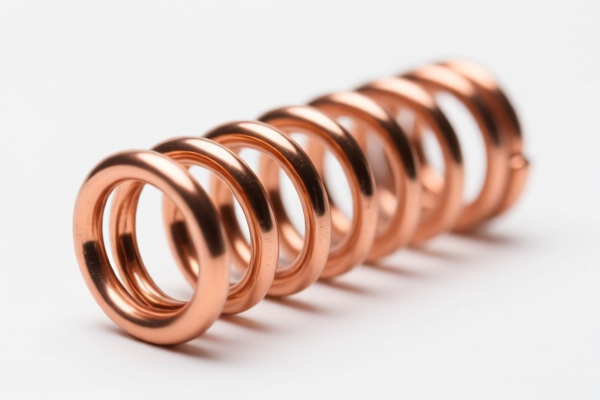
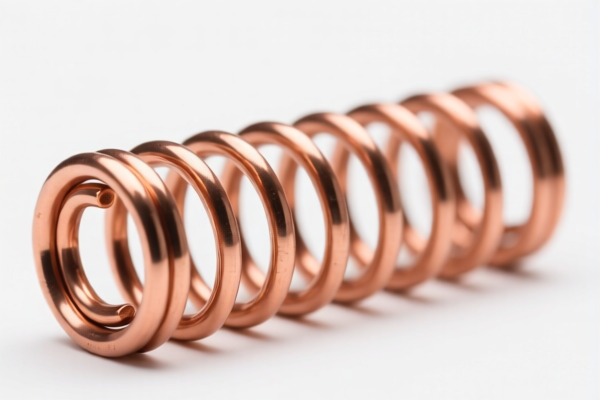
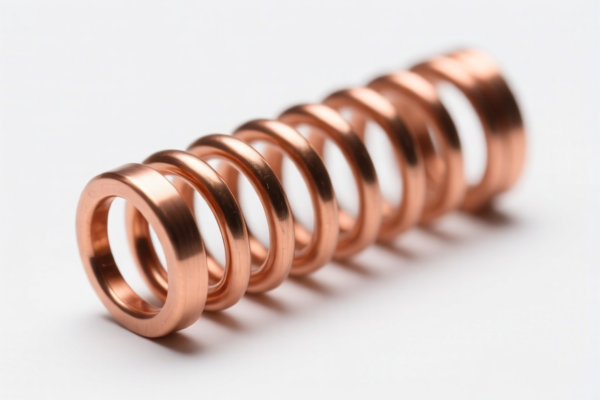
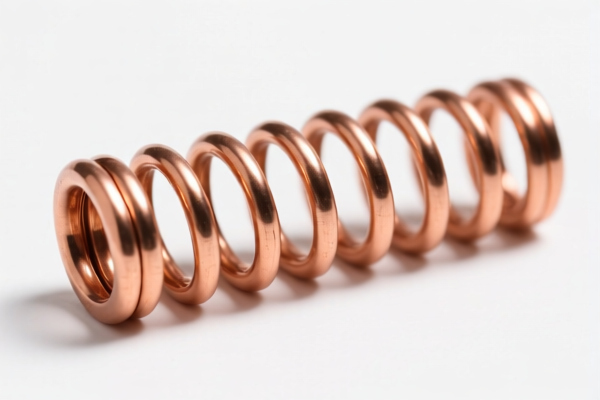
AI Analysis
⚡ Copper Terminals (Electrical Connectors & Fittings)
🌐 HS Code Classification & Customs Clearance Guide | 2026 Latest Tariff Analysis | Professional Strategy for Electrical Components
📌 1. Product Definition: What Exactly is a "Copper Terminal"?
In international trade, Copper Terminals are ambiguous goods that straddle the line between electrical components and metal fittings. Their classification depends entirely on their primary function and physical characteristics:
- Electrical Connectors: Designed to establish electrical continuity between two wires or components (insulated or bare, often with crimping features). These fall under Chapter 85.
- Metal Fittings/Accessories: Designed for mechanical connection, fluid/gas transport, or structural support, made primarily of copper. These fall under Chapter 74.
⚠️ Critical Distinction:
- If the item is primarily an electrical connection device (voltage ≤ 1,000V) → HS 8536.90.40.00
- If the item is a mechanical copper fitting/connector without specific electrical insulation or circuit-breaking function → HS 74xx.xx.xx.xx
📦 2. HS Code Classification Matrix (2026 Latest Tariff Reference)
Based on the provided data, here are the precise classifications, tax rates, and logical justifications for Copper Terminals.
| HS Code | Product Description | Classification Logic | Total Tax Rate | Tax Breakdown |
|---|---|---|---|---|
8536.90.40.00 |
Electrical Connectors (Copper Terminal as an electrical device) | Recognized as an electrical connector for circuits up to 1,000V. This is the most accurate classification for functional electrical terminals used in wiring harnesses or PCBs. | 35.0% | • Base Duty: 0.0% • Additional Duty (Section 301): 25.0% • Section 122 Tariff: 10% |
7419.80.50.50 |
Copper Products (General Copper Terminal) | Classified as a generic copper article based on material composition rather than electrical function. Used when the electrical function is secondary or undefined. | 85.0% | • Base Duty: 0.0% • Additional Duty (Section 301): 25.0% • Section 122 Tariff: 10% • Special Surtax (Steel/Aluminum/Copper): 50% |
7419.20.00.50 |
Other Copper Articles (Fallback for Metal Products) | A catch-all category for metal products lacking a specific use description. Applied when the terminal cannot be definitively linked to a specific fitting or electrical standard. | 85.0% | • Base Duty: 0.0% • Additional Duty (Section 301): 25.0% • Section 122 Tariff: 10% • Special Surtax (Steel/Aluminum/Copper): 50% |
7412.20.00.90 |
Pipe Fittings (Copper Connector as a Mechanical Fitting) | Classified as a pipe fitting/accessory (connector). Assumes the "terminal" is a mechanical joint for tubing, not an electrical contact. | 88.0% | • Base Duty: 3.0% • Additional Duty (Section 301): 25.0% • Section 122 Tariff: 10% • Special Surtax (Steel/Aluminum/Copper): 50% |
7412.20.00.85 |
Threaded/Non-threaded Fittings (Copper Alloy Pipe Accessory) | Specific subtype of pipe fittings. Applies if the connector has threads or is a specific alloy-based attachment for piping systems. | 88.0% | • Base Duty: 3.0% • Additional Duty (Section 301): 25.0% • Section 122 Tariff: 10% • Special Surtax (Steel/Aluminum/Copper: 50% |
🔍 Key Insight:
- Electrical vs. Mechanical: The single biggest risk is misclassifying an electrical terminal as a metal fitting.
- Tax Penalty: Misclassifying an electrical connector (8536) as a copper article (7419) or pipe fitting (7412) increases the total tax from 35% to 85-88%.
- Why such high taxes for Chapter 74? The 50% surtax for "Steel, Aluminum, Copper Products" under Section 122 drastically inflates the rate for non-electrical copper items.
💰 3. Detailed Tariff Breakdown & Legal Basis (2026)
✅ Applicable Country: United States (US)
✅ Origin: China (CN)
✅ Effective Date: November 10, 2025 (and ongoing)
🎯 Case 1: Correct Electrical Classification (8536.90.40.00)
- Product: Crimp terminals, spade connectors, PCB headers (Voltage ≤ 1,000V).
- Tax Structure:
- Base Rate: 0% (Free trade for electrical parts under certain conditions).
- Section 301 Tariff: +25% (USITC Footnote 9903.88.01).
- Section 122 Tariff: +10% (Specific to certain Chinese imports).
- TOTAL: 35%
- Legal Path:
IEEPA:9903.01.25→USITC:8536.90.40.00→FOOTNOTE:9903.88.01
🎯 Case 2: Incorrect/Misclassified Metal Product (7419.80.50.50 or 7412.20.00.xx)
- Product: Bare copper lugs, pipe connectors, generic copper fittings.
- Tax Structure:
- Base Rate: 0% (for 7419) or 3% (for 7412).
- Section 301 Tariff: +25%.
- Section 122 Tariff: +10%.
- Special Surtax (Copper): +50% (This is the critical differentiator).
- TOTAL: 85% (for 7419) or 88% (for 7412).
- Legal Path:
IEEPA:9901.25→USITC:7419.80.50.50→FOOTNOTE:9903.88.01→SURTAX:COPPER_50%
📌 Warning:
The 50% surtax for copper products is a massive penalty if applied to goods that should be classified as electrical accessories. Always argue for Chapter 85 if the item has an electrical purpose.
🛠️ 4. Customs Clearance Practical Advice (Avoiding Pitfalls)
✅ 1. Documentation Checklist (Mandatory)
| Document | Required? | Purpose |
|---|---|---|
| Product Specification Sheet | ✔️ | Must explicitly state Voltage Rating (e.g., "For circuits up to 1,000V") and Material (Copper). |
| Technical Diagram | ✔️ | Show electrical contacts, insulation status, and intended electrical assembly. |
| Product Photos | ✔️ | Close-ups of the crimping area, contact points, and any insulation. |
| Commercial Invoice | ✔️ | Use precise description: "Copper Electrical Terminal Connector, for Wiring Harness, Voltage ≤ 1kV". |
| Origin Certificate | ✔️ | If non-China origin, may reduce tariffs. |
✅ 2. Declaration Strategy (Critical!)
| Scenario | Correct HS Code | Wrong HS Code | Consequence |
|---|---|---|---|
| Electrical Terminal (Wiring Harness) | 8536.90.40.00 (35%) |
7419.80.50.50 (85%) |
Overpayment by 50% + Potential Audit |
| Pipe Fitting (Plumbing) | 7412.20.00.85 (88%) |
8536.90.40.00 (35%) |
Underpayment Risk (Misclassification Penalty) |
| Uninsulated Lug (Ambiguous) | 8536.90.40.00 (Preferred) |
7419.20.00.50 (85%) |
Risk of 50% Surtax if electrical function is not proven |
🔥 Pro Tip:
"Declare the Function, Not Just the Material!"
- If it connects electricity → Chapter 85.
- If it connects pipes/structure → Chapter 74.
- Never use generic terms like "Copper Piece" or "Fitting" in the commercial invoice. Use "Electrical Connector" or "Terminal Block".
✅ 3. Special Cases
| Case | Recommendation |
|---|---|
| Insulated Terminals | Strongly classify under 8536.90.40.00. The insulation proves electrical intent. |
| Bare Copper Lugs | Provide a letter of explanation stating they are used exclusively in electrical circuits. Avoid 7419. |
| Mixed Containers | Ensure the invoice lists Electrical Connectors separately from any Plumbing Fittings. Do not lump them together. |
🌍 5. Global Market Comparison (2026)
| Market | Recommended HS Code | Tax Rate (China Origin) | Key Certification |
|---|---|---|---|
| 🇺🇸 USA | 8536.90.40.00 |
35% (Avoid 7419 at 85%) |
UL, CSA (Optional but recommended) |
| 🇨🇳 China | 8536.90.40.00 |
0% (Import Duty) | CCC (If for internal market) |
| 🇪🇺 EU | 8536.90.40.00 |
0% (Under most FTAs) | CE, RoHS, REACH |
| 🇬🇧 UK | 8536.90.40.00 |
0% (Post-Brexit Tariffs) | UKCA |
📌 Conclusion:
- The USA is the only major market with high additional tariffs for this product.
- Misclassification in the US is extremely costly due to the 50% copper surtax.
- Always strive for8536.90.40.00for electrical terminals.
📌 6. Common Mistakes & Pitfalls (Learn from Others' Pain)
❌ Mistake 1: Labeling electrical terminals as "Copper Fittings" or "Connectors" (without "electrical" qualifier).
👉 Result: Customs may default to Chapter 74 (Metal Products) → 85% Tax.
❌ Mistake 2: Failing to specify Voltage Rating.
👉 Result: Customs may doubt the electrical nature → Default to 7419 → 85% Tax.
❌ Mistake 3: Using generic HS codes like 8536.90.99 (Other Electrical).
👉 Result: 8536.90.40.00 is more specific and often has lower or equal tax. Always use the most specific code.
✅ Correct Practice:
"Copper Crimp Terminal, Insulated, for Electrical Wiring, 600V Rated, Model XYZ"
🎯 7. Conclusion: Precision Saves Money!
🎯 Golden Rule:
"If it carries electricity, it’s Chapter 85. If it carries gas/liquid, it’s Chapter 74. Misclassify, and you pay 50% extra!"
📌 Final Tip:
- If your product is bare copper (no insulation), provide a detailed usage statement (e.g., "Used in EV battery packs for electrical connection") to justify 8536.90.40.00.
- Consider applying for an Advance Ruling (ACE) from US Customs to lock in the 35% rate before shipment.
✨ Professional Customs Clearance Starts with Accurate Classification!
💼 Don’t let a 50% surtax erase your profit margin!
Customer Reviews
About HS Code Classification
The Harmonized System (HS) is an internationally standardized nomenclature developed by the World Customs Organization (WCO) to classify traded products. Over 200 countries use the HS system as the basis for customs tariffs, trade statistics, and import/export regulations.
Each HS code follows a hierarchical structure:
- Chapter (2 digits) — Broad category of goods (e.g., Chapter 84: Machinery and Mechanical Appliances)
- Heading (4 digits) — More specific grouping within the chapter
- Subheading (6 digits) — Internationally standardized breakdown, used by all WCO member countries
- National subdivisions (8-10 digits) — Country-specific extensions for further classification, such as US HTSUS 10-digit codes
Correct HS code classification is essential for smooth customs clearance, accurate duty payment, and compliance with trade regulations. Misclassification can lead to customs delays, overpayment of duties, or penalties.
When importing from CN to US, the applicable tariff rates may include:
- Most-Favored-Nation (MFN) rate — The standard duty rate applied to WTO members
- General rate — Applied to countries without trade agreements
- Trade remedy duties — Additional tariffs such as Section 301 (anti-dumping), Section 232 (national security), or countervailing duties
The information provided on this page is for reference purposes only. For official classification, please consult with your local customs authority or a licensed customs broker.