Copper waste and scrap
CN → US| HS Code | Tariff Rate | Origin | Destination | Doc |
|---|---|---|---|---|
| 7404003020 | 35.0% | CN | US | Official Doc |
| 7404006020 | 35.0% | CN | US | Official Doc |
| 7402000000 | 35.0% | CN | US | Official Doc |
| 7112920100 | 35.0% | CN | US | Official Doc |
| 7112910100 | 35.0% | CN | US | Official Doc |
Product Images
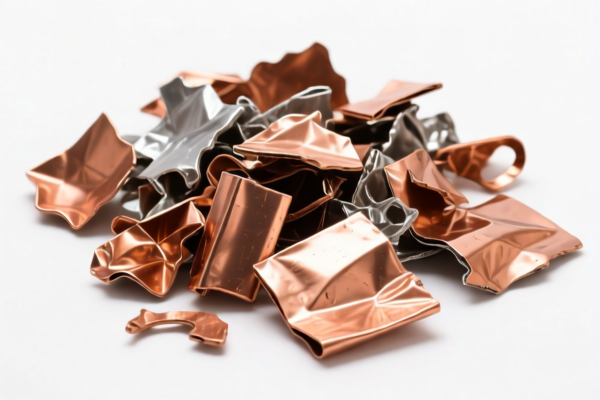

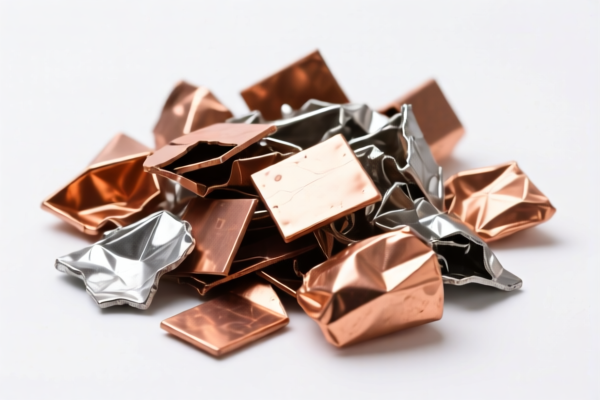
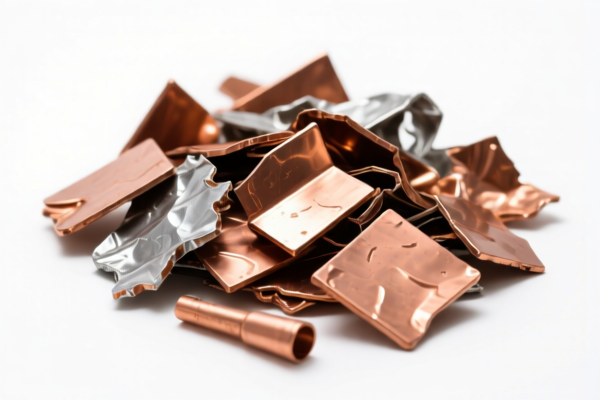
AI Analysis
🟢 Copper Waste & Scrap (Metallic Recoverable Sources)
🌐 HS Code Reference & Customs Clearance Guide | 2026 Latest Tariff Analysis | Professional Entry Strategies
📌 I. Product Definition: What is "Copper Waste and Scrap"?
Copper waste and scrap refer to metallic materials containing copper that are no longer suitable for their original intended use due to damage, obsolescence, or manufacturing defects. In international trade, these materials are strictly categorized based on their purity, origin (refined vs. unrefined), and physical form.
Key Distinction:
- Refined Copper Scrap: Materials derived from primary refined copper (high purity).
- Unrefined/Cathode-like Scrap: Materials resembling primary copper cathodes or unrefined ingots, often with impurities.
- Precious Metal By-products: Scrap containing precious metals (Gold/Silver) extracted from copper processing.
⚠️ Critical Classification Point:
- If the material is waste/scrap of refined copper → Falls under 7404.00.60.20 or 7404.00.30.20.
- If the material resembles unrefined copper/cathodes (primary shape features) → Falls under 7402.00.00.00.
- If the scrap contains precious metals (Au/Ag) as by-products → Falls under 7112.92.01.00 or 7112.91.01.00.
📦 II. HS Code Classification Matrix (2026 Latest Tariff Authority)
| HS Code | Product Description | Applicable Scenario | Key Characteristic |
|---|---|---|---|
7404.00.30.20 |
Copper Waste and Scrap (General) | General industrial copper waste, wires, pipes cut into scrap | Base: Copper |
7404.00.60.20 |
Refined Copper Waste and Scrap | Scrap derived specifically from refined copper products (high purity) | Base: Refined Copper |
7402.00.00.00 |
Unrefined Copper / Cathode-like Scrap | Scrap resembling primary copper cathodes or unrefined forms | Feature: Unrefined/Primary Shape |
7112.92.01.00 |
Waste of Precious Metals (Gold/Silver bearing) | Copper scrap containing significant precious metal residues | Base: Precious Metals |
7112.91.01.00 |
Waste of Precious Metals (General) | General precious metal waste/scrap (non-gold specific) | Base: Precious Metals |
🔍 Important Note:
- 7404.xxxx codes are for common copper scrap. The distinction between30.20and60.20often lies in the refined status of the source material.
- 7402.00.00.00 is unique: it applies to copper waste that retains the physical form of unrefined copper (e.g., cathodes, anodes, or primary ingots made of scrap).
- 7112.xxxx codes apply only if the primary value or regulatory concern is the precious metal content (Au/Ag) within the waste.
💰 III. 2026 Latest Tariff Rate Breakdown (Including Additional Duties)
✅ Applicable Country: United States (US)
✅ Origin: China (CN)
✅ Effective Date: November 10, 2025 (and subsequent imports)
🎯 1. 7404.00.30.20 & 7404.00.60.20 —— Standard & Refined Copper Scrap
| Item | Content |
|---|---|
| Base Tariff | 0.0% (ad valorem) |
| Section 301 Additional Duty | +25.0% (USITC Footnote 9903.74) |
| Section 122 (IEEPA) Duty | +10.0% (Targeting China/HK specific goods) |
| Total Tariff Rate | 35.0% |
| Tax Calculation | CIF Value × 35% |
| De Minimis Exemption | ❌ Not Available (deny_de_minimis) |
| Legal Basis Path | Section 301 + Section 122 (IEEPA) → USITC:7404.xxxx.xxxx |
📌 Explanation:
- 0% Base: Copper scrap is often duty-free in normal trade.
- +25% Section 301: Standard punitive tariff on Chinese goods under the 301 Investigation.
- +10% Section 122: Additional tariff under the International Emergency Economic Powers Act (IEEPA), specifically targeting certain Chinese industrial materials.
- Total 35%: This is a high-cost barrier. Importers must account for this in landed cost calculations.
🎯 2. 7402.00.00.00 —— Unrefined/Cathode-like Copper Scrap
| Item | Content |
|---|---|
| Base Tariff | 0.0% |
| Section 301 Additional Duty | +25.0% |
| Section 122 (IEEPA) Duty | +10.0% |
| Total Tariff Rate | 35.0% |
| Tax Calculation | CIF Value × 35% |
| De Minimis Exemption | ❌ Not Available |
| Legal Basis Path | Section 301 + Section 122 → USITC:7402.00.00.00 |
📌 Explanation:
- Despite resembling "primary" copper, waste forms are still subject to the same aggressive tariff structure as other copper products under Section 301.
- No distinction in total rate (35%) between refined and unrefined waste forms for US imports from China.
🎯 3. 7112.92.01.00 & 7112.91.01.00 —— Precious Metal Waste (from Copper)
| Item | Content |
|---|---|
| Base Tariff | 0.0% |
| Section 301 Additional Duty | +25.0% |
| Section 122 (IEEPA) Duty | +10.0% |
| Total Tariff Rate | 35.0% |
| Tax Calculation | CIF Value × 35% |
| De Minimis Exemption | ❌ Not Available |
| Legal Basis Path | Section 301 + Section 122 → USITC:7112.xxxx.xxxx |
📌 Explanation:
- Even though classified under Chapter 71 (Precious Metals), if the origin is China and the good is subject to Section 301 and Section 122, the 35% total rate applies.
- Note: Precious metal recovery operations must ensure the primary character of the good is the precious metal waste, not copper waste, to justify Chapter 71 classification. Misclassification can lead to penalties.
🛠️ IV. Customs Clearance Practical Advice (Real-World Pitfall Guide)
✅ 1. Documentation Checklist (Non-negotiable)
| Document | Required | Explanation |
|---|---|---|
| ✅ Certificate of Origin | ✔️ | Must declare CN origin to trigger correct tariffs. |
| ✅ Commodity Description | ✔️ | Must specify "Copper Waste," "Refined/Unrefined," and "Scrap Form." |
| ✅ MSDS / Hazardous Material Info | ✔️ | If copper waste contains oil, solvents, or hazardous coatings. |
| ✅ Import License (if applicable) | ✔️ | Some states require environmental permits for scrap metal import. |
| ✅ Commercial Invoice | ✔️ | Clearly state CIF value, unit price, and HS Code. |
| ✅ Packing List | ✔️ | Detail weight (Gross/Net) and packaging type. |
✅ 2. Declaration Best Practices
🔥 "Precise Description, Correct Chapter, Avoid Confusion!"
| Scenario | Correct Declaration | Common Mistake |
|---|---|---|
| Copper Wires (Stripped) | 7404.00.60.20 (Refined Scrap) |
Misdeclaring as 7402 (Unrefined) → Audit risk |
| Copper Cathodes (Scrap) | 7402.00.00.00 |
Misdeclaring as 7404 → Potential duty error |
| Gold-bearing Copper Slag | 7112.92.01.00 (Precious Metal Waste) |
Misdeclaring as 7404 → Underpayment if Au value is high |
| Mixed Metal Scrap | Separate by primary material | Mixed declaration → Rejection or Seizure |
✅ 3. Special Handling for Section 122 & 301
| Issue | Mitigation Strategy |
|---|---|
| High Tariff Cost (35%) | Calculate landed cost early; consider sourcing from non-China origins if possible. |
| Customs Scrutiny | Ensure samples are available for testing (purity analysis) to prove HS Code accuracy. |
| Section 122 Specifics | Verify if the specific copper form is listed under IEEPA Proclamation 10913. |
🌍 V. Global Market Comparison (2026 Latest)
| Country/Region | Recommended HS Code | Tariff (China Origin) | Certification | Notes |
|---|---|---|---|---|
| 🇺🇸 USA | 7404.00.60.20 / 7404.00.30.20 |
35% (Base 0 + 301 + 122) | EPA Guidelines | High tariff barrier; strict environmental checks. |
| 🇨🇳 China | 7404 |
5% (Import) | N/A | Export from China is unrestricted; Import to China varies. |
| 🇪🇺 EU | 7404 |
0% (Most FTA) | WEEE Compliance | No Section 301/122 equivalents; eco-standards apply. |
| 🇻🇳 Vietnam | 7404 |
Varies (FTA) | N/A | Potential transshipment risk if re-exporting to US. |
📌 Conclusion:
- The US market is the most expensive for Chinese copper scrap due to the 35% combined tariff.
- EU and other markets do not have equivalent punitive tariffs, making them more competitive for recycling/refining.
📌 VI. Common Errors & Pitfall Guide (Lessons Learned)
❌ Error 1: Declaring Refined Copper Scrap as Unrefined (7402) to avoid scrutiny.
👉 Consequence: If purity tests show refined status, penalties apply, and goods may be seized.
❌ Error 2: Ignoring Section 122 tariff in cost calculations.
👉 Consequence: Unexpected 10% cost increase → Loss of profit margin.
❌ Error 3: Mixing Precious Metal Waste with Base Metal Scrap.
👉 Consequence: Misclassification under 7404 instead of 7112 → Potential tax evasion allegations if Au/Ag value is high.
❌ Error 4: Not providing Hazardous Material Data for oiled copper scrap.
👉 Consequence: Customs rejection, fines, or return shipment.
✅ Correct Approach:
“Copper Wire Scrap, Stripped, Refined, HS 7404.00.60.20, Origin: China, CIF: $10,000”
🎯 VII. Conclusion: Professional Declaration, Cost Control, Compliance!
🎯 Key Takeaways:
🔹 “35% Total Duty is Non-Negotiable for China Origin” (0% Base + 25% 301 + 10% 122).
🔹 “Precise HS Code Matters”:7404vs.7402vs.7112changes classification, not the rate, but impacts regulatory compliance.
🔹 “De Minimis Does Not Apply”: Small shipments are NOT exempt from this tariff.
📌 Pro Tip:
If your copper scrap originates from Vietnam, Mexico, or Malaysia, it may be exempt from Section 301 and 122 tariffs (subject to substantial transformation rules).
✅ Action:
📞 Consult a licensed customs broker + Verify Origin Certificates + Apply for Advance Ruling if unsure.
🚀 Optimize your supply chain to avoid the 35% US tariff burden!
✨ Professional Customs Clearance Starts with Accurate Classification!
💼 Every Percent of Tariff Counts in Recycling Margins!
Customer Reviews
About HS Code Classification
The Harmonized System (HS) is an internationally standardized nomenclature developed by the World Customs Organization (WCO) to classify traded products. Over 200 countries use the HS system as the basis for customs tariffs, trade statistics, and import/export regulations.
Each HS code follows a hierarchical structure:
- Chapter (2 digits) — Broad category of goods (e.g., Chapter 84: Machinery and Mechanical Appliances)
- Heading (4 digits) — More specific grouping within the chapter
- Subheading (6 digits) — Internationally standardized breakdown, used by all WCO member countries
- National subdivisions (8-10 digits) — Country-specific extensions for further classification, such as US HTSUS 10-digit codes
Correct HS code classification is essential for smooth customs clearance, accurate duty payment, and compliance with trade regulations. Misclassification can lead to customs delays, overpayment of duties, or penalties.
When importing from CN to US, the applicable tariff rates may include:
- Most-Favored-Nation (MFN) rate — The standard duty rate applied to WTO members
- General rate — Applied to countries without trade agreements
- Trade remedy duties — Additional tariffs such as Section 301 (anti-dumping), Section 232 (national security), or countervailing duties
The information provided on this page is for reference purposes only. For official classification, please consult with your local customs authority or a licensed customs broker.