Copy Machine Special Paper Roll
CN → US| HS Code | Tariff Rate | Origin | Destination | Doc |
|---|---|---|---|---|
| 4811908030 | 35.0% | CN | US | Official Doc |
| 4811909030 | 35.0% | CN | US | Official Doc |
| 4823906700 | 35.0% | CN | US | Official Doc |
| 4823908680 | 35.0% | CN | US | Official Doc |
| 4803004000 | 35.0% | CN | US | Official Doc |
Product Images
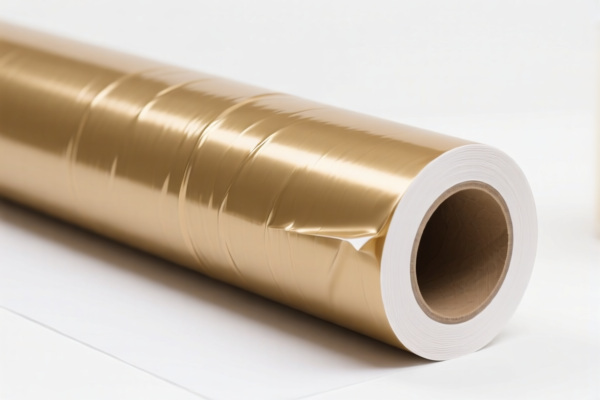
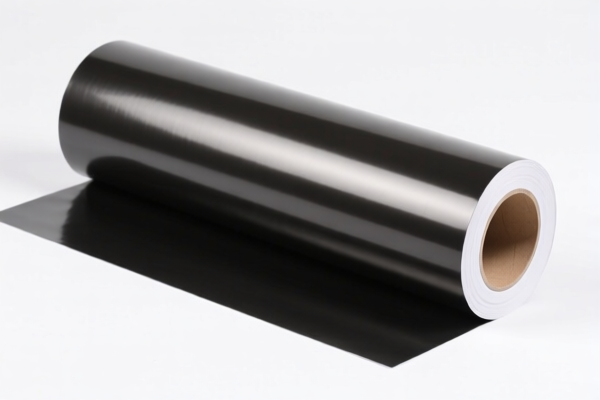
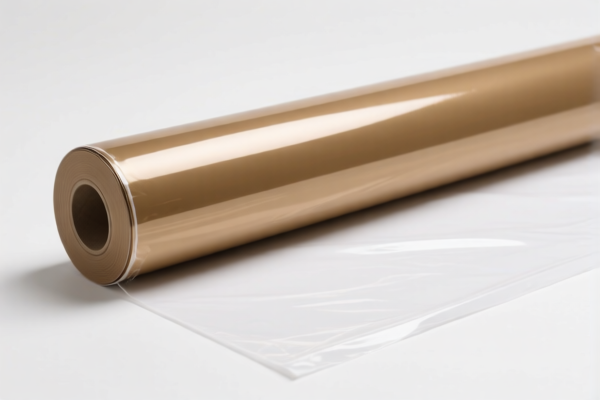
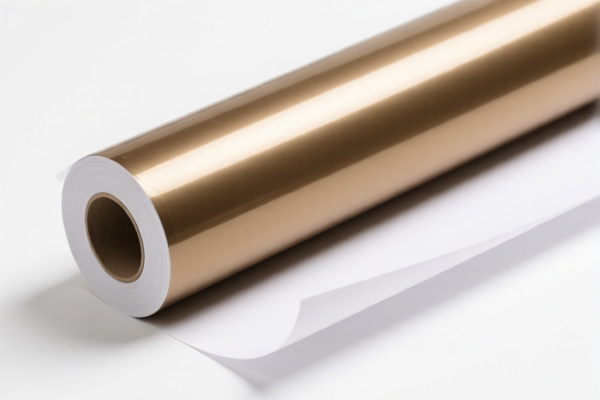
AI Analysis
📄 Copy Machine Special Paper Roll (Fax/Copy Paper Rolls)
🌐 HS Code Reference & Customs Clearance Guide | 2026 Latest Tariff Analysis | Professional Clearance Strategy
📌 I. Product Definition & Classification: What Exactly is "Copy Machine Special Paper"?
"Copy Machine Special Paper Rolls" refer to paper products specifically manufactured in a cylindrical roll format for use in automatic data processing machines (fax machines, copiers, or thermal printers). In international trade, these are classified based on their material composition and processing level:
- Thermal Coated Paper Rolls (热敏涂布纸): Paper coated with a heat-sensitive chemical layer that darkens when exposed to heat. Used primarily in fax machines and receipt printers.
- Standard/Plain Paper Rolls (普通纸卷/纯棉纸): Uncoated paper rolls, often used in high-volume office copiers or specific industrial printing applications.
⚠️ Key Distinction Point:
- If the paper is chemically treated to react to heat (turns black) → Classify under 4811.90 (Coated/Processed Paper).
- If the paper is raw, uncoated, or merely cut into rolls without special coating → Classify under 4823.90 (Other Paper Articles) or 4803.00 (Tissue/Cellulose Fibers).
📦 II. HS Code Classification Details (2026 Latest Tariff Authority Comparison)
Based on the provided data, here are the four specific HS Codes applicable to this product category:
| HS Code | Product Description | Application Scenario | Key Characteristics |
|---|---|---|---|
4811.90.80.30 |
Thermal Fax Paper Rolls | Fax machines, thermal printers | Material: Thermal coated paper; Form: Rolls. Directly matches the definition of thermal paper products. |
4811.90.90.30 |
General Fax Paper Rolls (Thermal/Coated Category) | Fax machines, general office use | Material: Paper; Form: Rolls. A broader category for thermal/coated paper products not specified in other subheadings. |
4823.90.67.00 |
Pure Cotton Paper Rolls for Copying | High-end copiers, archival copying | Material: Paper (specifically cotton-based); Form: Cut/Processed Rolls. Falls under "Other paper articles." |
4823.90.86.80 |
Pure Cotton Paper Rolls (Catch-all Category) | Generic copy machine use | Material: Paper; Category: Paper/Cardboard/Cellulose products. Used as a residual/fallback category for paper items. |
4803.00.40.00 |
Pure Cotton Paper Rolls (Raw Stock) | Industrial copying, raw material supply | Material: Pure Cotton Paper; Form: Rolls; Use: Copying. Classified under "Raw Paper" (Tissue/Cellulose fibers). |
🔍 Critical Reminder:
- Thermal Paper (used in faxes) MUST be classified under 4811 because it is chemically processed/coated. Misclassifying thermal paper as plain paper (4823/4803) is a common compliance error.
- Cotton Paper rolls are typically classified under 4823 (finished articles) or 4803 (raw material/tissue) depending on whether they are considered "finished goods for immediate use" or "raw stock."
- All the HS codes listed above carry the same tariff structure due to US trade policies (see Section III).
💰 III. 2026 Latest Tariff Rate Details (Including Surcharges & Policy Add-ons)
✅ Applicable Country: United States (US)
✅ Country of Origin: China (CN)
✅ Effective Time: Ongoing (Based on 2025-2026 Trade Policies)
🎯 1. All Listed HS Codes (4811.90.80.30, 4811.90.90.30, 4823.90.67.00, 4823.90.86.80, 4803.00.40.00)
| Item | Content |
|---|---|
| Basic Tariff Rate | 0% (ad valorem) |
| Section 301 Surcharge | +25% (USITC Footnote related to Chinese imports) |
| Section 122 Surcharge | +10% (Specific trade remedy/add-on tariff) |
| Total Tariff Rate | 35% |
| Tax Calculation | CIF Value × 35% |
| De Minimis Eligibility | ❌ Not Eligible (Section 301 and 122 tariffs generally exclude de minimis exemption for direct shipments from China) |
| Legal Basis Path | USITC:4811.90 / 4823.90 / 4803.00 → Section 301: 25% → Section 122: 10% |
📌 Explanation:
- "Basic Tariff 0%": Under normal MFN (Most Favored Nation) treatment, paper products often have low or zero base duties.
- "Section 301 Surcharge 25%": This is the standard punitive tariff imposed on a wide range of Chinese goods under the Trade Act of 1974.
- "Section 122 Surcharge 10%": This refers to additional tariffs enacted under Section 122 of the Trade Act of 1974 (or similar specific provisions depending on the exact current enforcement period cited in your data).
- Total 35%: This is a high-cost entry barrier. For every $1,000 CIF value, you will pay $350 in duties alone.
🛠️ IV. Customs Clearance Practical Advice (Battle-Tested Pitfall Avoidance)
✅ 1. Preparation Checklist (Non-negotiable)
| Document | Required | Description |
|---|---|---|
| ✅ Product Specification Sheet | ✔️ | Must explicitly state: "Thermal Coated" OR "Cotton/Pure Paper". Crucial for distinguishing between 4811 and 4823/4803. |
| ✅ Chemical Composition Statement | ✔️ | For thermal paper: Confirm it contains leuco dyes/developers. For cotton paper: Confirm fiber content. |
| ✅ Product Photos (Clear) | ✔️ | Show the roll ends (layering), label, and any branding. |
| ✅ Commercial Invoice | ✔️ | Must clearly state: "Paper Rolls for Fax Machine" or "Copy Paper Rolls". Avoid vague terms like "Office Supplies". |
| ✅ Packing List | ✔️ | Detail net weight, gross weight, and number of rolls per carton. |
| ✅ Certificate of Origin (CO) | ✔️ | Required to prove origin (China). If originating from Vietnam/Malaysia, CO may help reduce tariffs (subject to trade rules). |
✅ 2. Declaration Tips (Key Mantras)
🔥 "Label Thermal, Label Cotton, HS Code Precision Saves Money!"
| Scenario | Correct Declaration | Wrong Practice |
|---|---|---|
| Thermal Paper (Fax) | 4811.90.80.30 or 4811.90.90.30 |
Mislabel as "Copy Paper" (4823) → Risk of reclassification + penalties. |
| Cotton Paper (Copy) | 4823.90.67.00 / 4823.90.86.80 |
Mislabel as "Thermal" → Incorrect chemical description. |
| Raw Cotton Rolls | 4803.00.40.00 |
Mislabel as "Finished Goods" → May face duty scrutiny if deemed unfinished. |
| Mixed Shipments | Separate HS Codes on Invoice | Mixed on one line → Customs may assess highest duty or reject shipment. |
✅ 3. Special Handling Cases
| Case | Handling Suggestion |
|---|---|
| OEM/Private Label | Ensure the invoice matches the brand owner. If importing for a US brand, ensure the supplier is declared correctly. |
| "Thermal" vs. "Non-Thermal" | If unsure, provide a lab test report. Customs may seize and test. Thermal paper is strictly regulated under 4811. |
| Cotton Content > 100% | Pure cotton paper is a premium item. Ensure the description matches "100% Cotton Lint" if claiming 4803.00.40.00. |
| Roll Diameter/Weight | Specify dimensions. Extremely large rolls might be classified differently (e.g., as raw material vs. finished good). |
🌍 V. Global Market Comparison (2026 Latest)
| Country/Region | Recommended HS Code | Tariff (China Origin) | Certification | Notes |
|---|---|---|---|---|
| 🇺🇸 USA | 4811.90 / 4823.90 / 4803.00 |
35% (25% Sec 301 + 10% Sec 122) | None specific | High Cost. Avoid if possible. |
| 🇨🇳 China | 4811.90 / 4823.90 |
0% - 5% | CCC (if applicable) | Low tariff. Domestic trade favored. |
| 🇪🇺 EU | 4811.90 / 4823.90 |
0% - 6.5% | CE (if packaging) | Lower tariffs. No Section 301 equivalent. |
| 🇲🇽 Mexico | 4811.90 / 4823.90 |
0% (under USMCA if qualified) | NOM | Check rules of origin carefully. |
| 🇬🇧 UK | 4811.90 / 4823.90 |
0% - 5% | UKCA | Post-Brexit rules apply. |
📌 Conclusion:
- The USA is the most expensive market for these goods due to the 35% total tariff.
- EU, UK, and Mexico offer significantly lower duty burdens.
- Consider supply chain diversification (e.g., sourcing from Vietnam or Malaysia) to mitigate US tariffs, provided Rules of Origin are strictly met.
📌 VI. Common Errors & Pitfall Guide (Lessons Learned)
❌ Mistake 1: Using "Copy Paper" as the product name for Thermal Paper.
👉 Consequence: Customs may reject the HS code 4823 (plain paper) and reclassify to 4811 (processed paper), leading to duty reassessment or delays.
Fix: Always specify "Thermal" or "Heat-sensitive".
❌ Mistake 2: Declaring Cotton Paper as "Standard Wood Pulp Paper".
👉 Consequence: If audited, discrepancy in material composition leads to penalties.
Fix: Clearly state "100% Cotton" or "Cotton Blend" on the invoice.
❌ Mistake 3: Ignoring Section 122 Tariffs.
👉 Consequence: Calculating only 25% (Section 301) and failing to pay the additional 10%, leading to debt collection and shipment hold.
Fix: Always budget for the full 35% on Chinese-origin paper rolls.
❌ Mistake 4: Improper Packaging Description.
👉 Consequence: If rolls are poorly protected and arrive damaged, insurance claims may be denied if packaging doesn't meet standard export requirements.
Fix: Use sturdy cartons, moisture-proof wrapping, and clear "Fragile" labels.
✅ Best Practice:
"Thermal Paper Rolls for Fax Machine, 100mm Width, 15m Length, Heat-Sensitive Coating, Model XYZ, Made in China"
🎯 VII. Conclusion: Smart Classification, Smarter Savings!
🎯 Remember Mantras:
🔹 "Thermal = 4811, Cotton = 4823/4803, Always 35% in USA."
🔹 "HS Code decides your cost, 35% is steep, plan your supply chain early!"
📌 Pro Tip:
If your paper rolls are originating from Vietnam, Malaysia, Thailand, or Mexico, you may apply for Exemption from Section 301 and 122 Tariffs, reducing the rate to 0%-5%.
Recommend Applying for a Binding Ruling (Advance Ruling) with US Customs (CBP) to confirm the correct HS code and tariff liability before shipping.
📣 Call to Action:
📞 Contact a licensed Customs Broker + Provide Product Samples/Specs + Apply for Pre-Ruling
🚀 Ensure your Copy Machine Paper Rolls clear US Customs Smoothly, Efficiently, and Profitably!
✨ Professional Clearance Starts with Precise Classification!
💼 Every Cent of Duty Saved is Pure Profit!
Customer Reviews
About HS Code Classification
The Harmonized System (HS) is an internationally standardized nomenclature developed by the World Customs Organization (WCO) to classify traded products. Over 200 countries use the HS system as the basis for customs tariffs, trade statistics, and import/export regulations.
Each HS code follows a hierarchical structure:
- Chapter (2 digits) — Broad category of goods (e.g., Chapter 84: Machinery and Mechanical Appliances)
- Heading (4 digits) — More specific grouping within the chapter
- Subheading (6 digits) — Internationally standardized breakdown, used by all WCO member countries
- National subdivisions (8-10 digits) — Country-specific extensions for further classification, such as US HTSUS 10-digit codes
Correct HS code classification is essential for smooth customs clearance, accurate duty payment, and compliance with trade regulations. Misclassification can lead to customs delays, overpayment of duties, or penalties.
When importing from CN to US, the applicable tariff rates may include:
- Most-Favored-Nation (MFN) rate — The standard duty rate applied to WTO members
- General rate — Applied to countries without trade agreements
- Trade remedy duties — Additional tariffs such as Section 301 (anti-dumping), Section 232 (national security), or countervailing duties
The information provided on this page is for reference purposes only. For official classification, please consult with your local customs authority or a licensed customs broker.