Cork Stopper
CN → US| HS Code | Tariff Rate | Origin | Destination | Doc |
|---|---|---|---|---|
| 3926909989 | 22.8% | CN | US | Official Doc |
| 4503106000 | 35.0% | CN | US | Official Doc |
| 4504104700 | 35.0% | CN | US | Official Doc |
| 4503102000 | 35.0% | CN | US | Official Doc |
| 4503106000 | 35.0% | CN | US | Official Doc |
Product Images


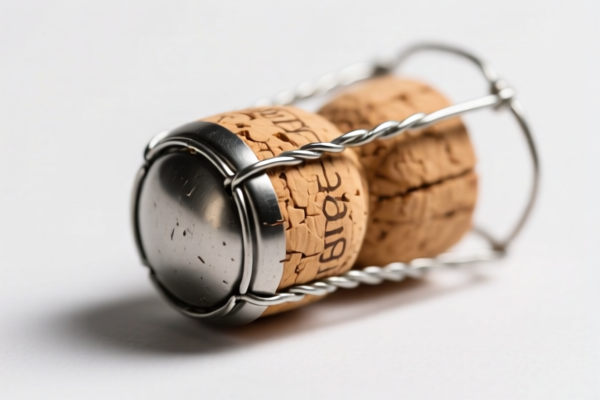

AI Analysis
🍷 Cork Stoppers (Cork Bouchons)
🌐 HS Code Reference & Customs Clearance Guide | 2026 Latest Tariff Analysis | Professional Clearance Strategy
📌 I. Product Definition & Classification: Do You Really Understand "Cork Stoppers"?
Cork stoppers are the classic sealing solution for wine, spirits, and other beverages. In international trade, they are primarily classified based on their material composition (natural cork vs. synthetic/composite) and form.
Natural Cork (Quercus suber): Harvested from the bark of the cork oak tree; known for elasticity and permeability.
Composite/Synthetic Cork: Made from cork dust bound with plastic, or entirely synthetic materials (polyethylene, PVC).
⚠️ Key Distinction Point:
- If the product is made from natural cork and fits the specific subheadings for "corks and stoppers," it falls under Chapter 45.
- If the product is a composite (e.g., cork dust + plastic binder) or entirely plastic, it may fall under Chapter 39 (Plastics) as a residual category.
- Misclassification Risk: Classifying a natural cork stopper as plastic can lead to incorrect duty rates and potential customs penalties.
📦 II. HS Code Classification Details (2026 Latest Tariff Authoritative Comparison)
| HS Code | Product Description | Application Scenario | Material Composition |
|---|---|---|---|
4503.10.20.00 |
Cork stoppers and stoppers, of natural cork | Natural wine corks, single-piece natural cork | ✅ Natural Cork |
4503.10.47.00 |
Cork stoppers and stoppers, of agglomerated cork | Agglomerated cork (cork granules bonded together) | ✅ Agglomerated Natural Cork |
4503.10.60.00 |
Cork stoppers and stoppers, other | Other cork stoppers not elsewhere specified | ✅ Natural Cork / Composite* |
3926.90.99.89 |
Other articles of plastics and articles of other materials of heading 3901 to 3914 | Composite corks with significant plastic binding; synthetic stoppers | ❌ Plastic/Composite |
🔍 Key Reminder:
-4503.10.xxxxxxapplies to products where cork is the primary material and they are specifically designed as stoppers.
-3926.90.99.89applies if the product is deemed an "article of plastics" or a composite where the plastic nature dominates or it doesn't fit the specific cork subheadings. Note: The data suggests this code is used for "soft wood/plastic composite" when no specific material conflict exists, acting as a residual category.
💰 III. 2026 Latest Tariff Rate Detailed Explanation (Including Additional Duties & Policy Surcharges)
✅ Applicable Country: USA (US)
✅ Origin: China (CN)
✅ Effective Date: 2025 November 10 onwards (including subsequent imports)
🎯 1. 4503.10.20.00 / 4503.10.47.00 / 4503.10.60.00 —— Natural Cork Stoppers
| Item | Content |
|---|---|
| Base Tariff | 0.0% (ad valorem) |
| Section 301 (Addl. Tariff) | +25.0% |
| Section 122 Tariff | +10.0% |
| Total Tax Rate | 35.0% |
| Tax Calculation | CIF Value × 35% |
| De Minimis Eligibility | ❌ Not Eligible (deny_de_minimis) |
| Legal Basis Path | Base: 0% → Section 301: +25% → Section 122: +10% |
📌 Explanation:
- "Base Tariff 0%": Natural cork products historically enjoy low or zero base tariffs under HTSUS 4503.
- "Section 301 25%": The standard additional tariff imposed on many Chinese goods under the Trump/Biden trade policies.
- "Section 122 10%": A specific additional tariff applied under Section 122 of the Trade Expansion Act of 1962 (often cited in recent data for specific material categories or broader trade actions).
- Total 35%: This is a high tariff burden. Importers must budget accordingly.
🎯 2. 3926.90.99.89 —— Plastic/Composite Articles (Residual)
| Item | Content |
|---|---|
| Base Tariff | 5.3% (ad valorem) |
| Section 301 (Addl. Tariff) | +7.5% (Note: Data indicates 7.5% here, possibly a specific subset or partial application) |
| Section 122 Tariff | +10.0% |
| Total Tax Rate | 22.8% |
| Tax Calculation | CIF Value × 22.8% |
| De Minimis Eligibility | ❌ Not Eligible (deny_de_minimis) |
| Legal Basis Path | Base: 5.3% → Section 301: +7.5% → Section 122: +10% |
📌 Explanation:
- Why is this lower?: Some plastic/composite items may fall under different Section 301 sub-categories or have different base rates.
- Risk: Misclassifying a natural cork stopper as this code could lead to underpayment of duties (if the correct rate is 35%) and severe penalties from CBP.
- Interpretation: The summary states "inferring material as soft wood/plastic composite... fits the residual category of 'other plastic articles'". This classification is only valid if the product is not purely natural cork or doesn't meet the strict definitions of 4503.
🛠️ IV. Customs Clearance Practical Advice (Battle-Hardened Pitfall Guide)
✅ 1. Documentation Checklist (No Exceptions)
| Document | Required | Description |
|---|---|---|
| ✅ Product Specification Sheet | ✔️ | Must specify material: "100% Natural Cork" vs. "Agglomerated Cork" vs. "Cork-Plastic Composite". |
| ✅ Material Composition Certificate | ✔️ | Lab report proving cork content %. Critical for 4503 vs. 3926. |
| ✅ Product Photos (Clear) | ✔️ | Show texture, cross-section, and any labels. Distinguish between solid natural cork and granulated agglomerated cork. |
| ✅ Commercial Invoice | ✔️ | Clearly state "Cork Stoppers for Wine" and specify origin. |
| ✅ Bill of Lading/Air Waybill | ✔️ | Standard shipping docs. |
| ✅ Certificate of Origin (CO) | ✔️ | Essential for proving China origin (and thus applying the correct 301/122 tariffs). |
✅ 2. Declaration Tips (Key Mantras)
🔥 "Natural Cork is 4503, Plastic/Composite is 3926. Get it wrong, and you pay the price!"
| Scenario | Correct Declaration | Wrong Practice |
|---|---|---|
| 100% Natural Cork | 4503.10.20.00 or 4503.10.47.00 |
Misclassifying as plastic → Potential audit/penalty. |
| Agglomerated Cork | 4503.10.47.00 |
Declaring as natural cork → Mismatch in material description. |
| Cork + Plastic Binders | 3926.90.99.89 (if composite dominates) |
Declaring as 4503 → If cork % is low, CBP may reclassify. |
| Synthetic Corks | 3926.90.99.89 |
Declaring as natural cork → False declaration. |
✅ 3. Special Situations
| Situation | Handling Advice |
|---|---|
| Mixed Shipments | Separate natural cork and plastic corks in the invoice. Do not lump them under one HS Code. |
| Cork with Plastic Rings | If the plastic is merely a decorative ring, the primary character (cork) usually dictates 4503. However, if the plastic structure is essential, 3926 may apply. Consult a customs broker. |
| Small Samples (De Minimis) | ❌ Cannot use 800 USD De Minimis exemption. Both 35% and 22.8% rates deny de minimis clearance. You must file formal entry (CBP Form 7501). |
🌍 V. Global Market Comparison (2026 Latest)
| Country/Region | Recommended HS Code | Tariff (China Origin) | Certifications | Notes |
|---|---|---|---|---|
| 🇺🇸 USA | 4503.10.xxxxxx |
35.0% (301+122) | FDA (food contact), Prop 65 | High duty. Plan costs. |
| 🇺🇸 USA | 3926.90.99.89 |
22.8% (301+122) | FDA, Prop 65 | Only for composites/synthetics. |
| 🇪🇺 EU | 4503.10 |
0% | FSC Certification (Sustainability) | No Section 301/122 equivalent. |
| 🇨🇳 China | 4503.10 |
0-2% | N/A | Low export duty. |
📌 Conclusion:
- USA is the most expensive market for cork stoppers due to Section 301 and Section 122 tariffs.
- EU offers zero duty for natural cork, making it a preferred export destination if logistics allow.
- Do not rely on De Minimis (Section 321) for these items in the USA.
📌 VI. Common Errors & Pitfall Guide (Lessons Learned)
❌ Error 1: Declaring Composite Cork as Natural Cork (4503)
👉 Consequence: If CBP finds plastic content exceeds threshold, they will reclassify to 3926. While the rate might be lower (22.8% vs 35%), it triggers an audit for misdeclaration and potential fraud penalties.
❌ Error 2: Assuming Small Shipments are Duty-Free (De Minimis)
👉 Consequence: Seizure or Demurrage. These HS codes explicitly deny de minimis entry. You must pay duties at clearance, even for small packages.
❌ Error 3: Vague Description: "Cork Stuff"
👉 Consequence: Customs may assign a generic, higher tax code. Always specify "Cork Stoppers" and material type.
✅ Correct Practice:
"Wine Cork Stoppers, Natural Cork, Diameter 24mm, Length 45mm, Model XYZ, FSC Certified"
🎯 VII. Conclusion: Professional Declaration, Cost Control, Efficiency!
🎯 Remember the Mantra:
🔹 "Natural Cork is 4503 (35% Tax), Composite is 3926 (22.8% Tax). No De Minimis!"
🔹 "Material is Key: 100% Cork vs. Bound Cork. Declare accurately or face penalties."
📌 Pro Tip:
If your cork stoppers are sourced from Portugal, Spain, or Italy (not China), they may be exempt from Section 301 and Section 122 tariffs when imported to the USA!
✅ Strategy: Check the country of origin. Non-China origin natural cork stoppers often enjoy 0% total tariff in the USA.
🚀 Action: If possible, shift sourcing to EU or other non-China origins to save 35% in duties.
📣 Immediate Action:
📞 Contact a licensed customs broker.
📄 Provide material composition reports.
🌍 Evaluate non-China sourcing options for tariff optimization.
✨ Professional Customs Clearance Starts with Accurate Classification!
💼 Every Penny Saved is Profit Gained!
Customer Reviews
About HS Code Classification
The Harmonized System (HS) is an internationally standardized nomenclature developed by the World Customs Organization (WCO) to classify traded products. Over 200 countries use the HS system as the basis for customs tariffs, trade statistics, and import/export regulations.
Each HS code follows a hierarchical structure:
- Chapter (2 digits) — Broad category of goods (e.g., Chapter 84: Machinery and Mechanical Appliances)
- Heading (4 digits) — More specific grouping within the chapter
- Subheading (6 digits) — Internationally standardized breakdown, used by all WCO member countries
- National subdivisions (8-10 digits) — Country-specific extensions for further classification, such as US HTSUS 10-digit codes
Correct HS code classification is essential for smooth customs clearance, accurate duty payment, and compliance with trade regulations. Misclassification can lead to customs delays, overpayment of duties, or penalties.
When importing from CN to US, the applicable tariff rates may include:
- Most-Favored-Nation (MFN) rate — The standard duty rate applied to WTO members
- General rate — Applied to countries without trade agreements
- Trade remedy duties — Additional tariffs such as Section 301 (anti-dumping), Section 232 (national security), or countervailing duties
The information provided on this page is for reference purposes only. For official classification, please consult with your local customs authority or a licensed customs broker.