Corn Husk Woven Floor Mat
CN → US| HS Code | Tariff Rate | Origin | Destination | Doc |
|---|---|---|---|---|
| 4602198000 | 37.3% | CN | US | Official Doc |
| 4602191800 | 39.5% | CN | US | Official Doc |
| 9403893020 | 35.0% | CN | US | Official Doc |
| 9403893010 | 35.0% | CN | US | Official Doc |
Product Images
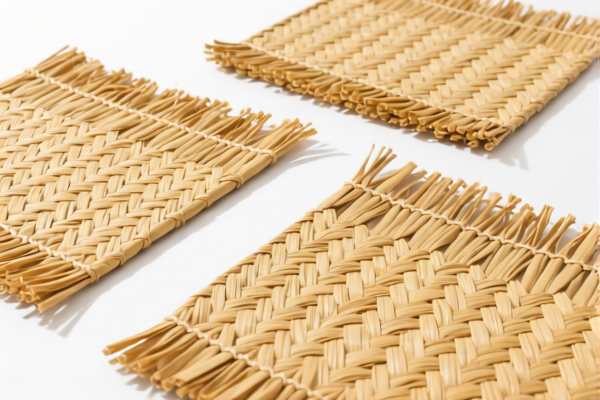
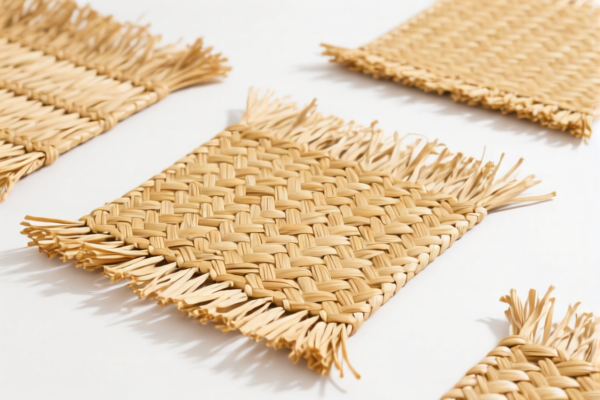
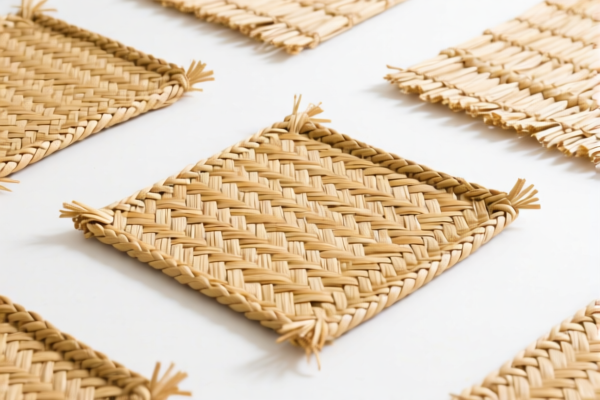
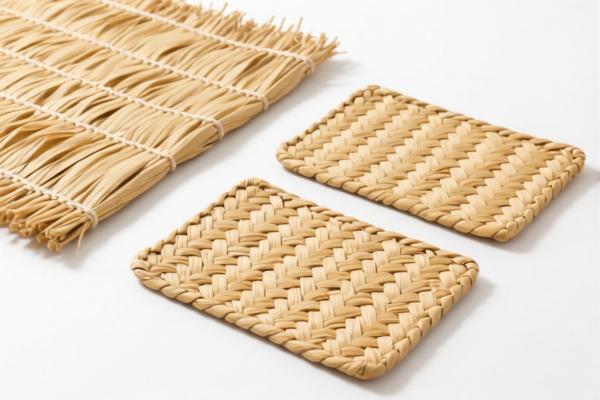
AI Analysis
🌿 Corn Husk Woven Floor Mats (Natural Fiber Home Decor)
🌐 HS Code Reference & Customs Clearance Guide | 2026 Latest Tariff Analysis | Professional Entry Strategy
📌 I. Product Definition & Classification: What Exactly Are "Corn Husk Mats"?
Corn Husk Woven Floor Mats are eco-friendly home decor items made from dried corn husks (plant material). In international trade, they are categorized based on their material composition and functional form. The classification hinges on whether customs views them as woven crafts (Chapter 46) or household furniture/furnishings (Chapter 94).
Key Distinction Points: * Craft/Woven Product: If viewed primarily as a woven article made of vegetable materials → Chapter 46. * Household Furnishing: If viewed as a specific type of mat/floor covering akin to rugs or small furniture items → Chapter 94.
⚠️ Critical Classification Logic:
- If the mat is strictly defined as a "basket or bag" variant or general "woven vegetable material article" → 4602.19.
- If the mat is defined as "other furniture" or "homeware made of similar materials" (like rattan/wicker) → 9403.89.
📦 II. HS Code Classification Details (2026 Latest Tariff Alignment)
Based on the provided data, here are the four specific HS Codes applicable to Corn Husk Woven Floor Mats, with their corresponding tax structures.
| HS Code | Product Description | Classification Logic | Total Tax Rate (China Origin to US) |
|---|---|---|---|
| 4602.19.80.00 | Corn Husk Woven Mats: Material = Plant material; Form = Woven mat. Fits the definition of "Woven articles of vegetable materials." | Chapter 46: Wickerwork, basketware, and other woven goods. | 37.3% |
| 4602.19.18.00 | Corn Husk Woven Mats: Material = Corn husk (plant); Form = Woven mat. Extended category under "Baskets and Bags." | Chapter 46: Specifically categorized under basketry/woven extensions. | 39.5% |
| 9403.89.30.20 | Corn Husk Woven Mats: Material = Similar plant fiber/Rattan/Wicker; Form = Woven mat. Classified as "Other Furniture/Homeware." | Chapter 94: Furniture and furniture parts. Views mats as "floor furnishings" similar to rattan furniture. | 35.0% |
| 9403.89.30.10 | Corn Husk Woven Mats: Material = Plant fiber-like; Form = Homeware (Mat). Fits "Other Material Furniture/Homeware" logic. | Chapter 94: Broad category for household items not elsewhere specified. | 35.0% |
🔍 Key Insight:
- Chapter 46 (4602.19) treats the item as a woven craft. It generally carries a higher base tariff (2.3% - 4.5%).
- Chapter 94 (9403.89) treats the item as furniture/homeware. It often has a 0% base tariff but still incurs the same trade war surcharges.
- Result: Chapter 94 codes offer a lower total effective tax rate (35.0%) compared to Chapter 46 codes (37.3% - 39.5%).
💰 III. 2026 Latest Tariff Rate Breakdown (Including Additional Duties)
✅ Applicable Country: United States (US)
✅ Origin: China (CN)
✅ Effective Date: 2025 onwards (Including Section 301 and IEEPA measures)
🎯 1. 4602.19.80.00 – Woven Articles of Vegetable Materials
| Item | Detail |
|---|---|
| Base Tariff | 2.3% (Ad Valorem) |
| Section 301 Surcharge | +25.0% (Trade War Tariff) |
| IEEPA 122-Clause Surcharge | +10.0% (New对华 Additional Duty) |
| Total Effective Rate | 37.3% |
| Tax Calculation | CIF Value × 37.3% |
| De Minimis Exemption? | ❌ No (High-risk category for Section 301) |
| Legal Basis Path | Section 301: Footnote 9903.88.01 → IEEPA: 9903.01.24 → USITC: 4602.19.80.00 |
📌 Explanation:
- The 25% is the standard Section 301 duty on Chinese goods.
- The 10% is the IEEPA 122-Clause duty, specifically targeting certain categories of imports from China.
- Total: 37.3%.
🎯 2. 4602.19.18.00 – Baskets/Bags Extension (Corn Husk)
| Item | Detail |
|---|---|
| Base Tariff | 4.5% |
| Section 301 Surcharge | +25.0% |
| IEEPA 122-Clause Surcharge | +10.0% |
| Total Effective Rate | 39.5% |
| Tax Calculation | CIF Value × 39.5% |
| De Minimis Exemption? | ❌ No |
| Legal Basis Path | Section 301: Footnote 9903.88.01 → IEEPA: 9903.01.24 → USITC: 4602.19.18.00 |
📌 Note:
- This code has a higher base tariff (4.5%) compared to the other 4602 code, leading to a higher total tax (39.5%).
- Avoid this code if possible; it offers no advantage.
🎯 3. 9403.89.30.20 – Other Furniture/Homeware (Rattan/Plant Fiber)
| Item | Detail |
|---|---|
| Base Tariff | 0.0% |
| Section 301 Surcharge | +25.0% |
| IEEPA 122-Clause Surcharge | +10.0% |
| Total Effective Rate | 35.0% |
| Tax Calculation | CIF Value × 35.0% |
| De Minimis Exemption? | ❌ No |
| Legal Basis Path | Section 301: Footnote 9903.88.01 → IEEPA: 9903.01.24 → USITC: 9403.89.30.20 |
📌 Explanation:
- Best Option for Cost: The base tariff is 0%, but you still pay the 25% + 10% surcharges.
- Total savings: 2.3% - 4.5% lower than Chapter 46 codes.
🎯 4. 9403.89.30.10 – Other Material Furniture/Homeware
| Item | Detail |
|---|---|
| Base Tariff | 0.0% |
| Section 301 Surcharge | +25.0% |
| > IEEPA 122-Clause Surcharge | +10.0% |
| Total Effective Rate | 35.0% |
| Tax Calculation | CIF Value × 35.0% |
| De Minimis Exemption? | ❌ No |
| Legal Basis Path | Section 301: Footnote 9903.88.01 → IEEPA: 9903.01.24 → USITC: 9403.89.30.10 |
📌 Note:
- Identical tax structure to9403.89.30.20.
- Use this if the product is considered a "general homeware item" rather than specific "rattan-like" furniture.
🛠️ IV. Customs Clearance Practical Advice (Avoiding Pitfalls)
✅ 1. Document Checklist (Mandatory)
| Document | Required? | Notes |
|---|---|---|
| ✅ Product Specifications | ✔️ | Material: 100% Corn Husk. Structure: Woven. Dimensions. |
| ✅ Material Composition Sheet | ✔️ | Must confirm Vegetable Origin (not synthetic plastic imitation). |
| ✅ Product Photos | ✔️ | Clear images showing texture, weave, and lack of rigid furniture legs (if claiming 9403). |
| ✅ Commercial Invoice | ✔️ | Describe as "Woven Floor Mat, Natural Corn Husk." Avoid vague terms like "Decor." |
| ✅ Packing List | ✔️ | Weight and dimensions per carton. |
| ✅ Origin Certificate | ✔️ | Proves Chinese origin (triggers the surcharges, but necessary for compliance). |
✅ 2. Declaration Strategy (Key Mnemonic)
🔥 "Woven vs. Furniture: Choose 9403 to Save!"
| Scenario | Recommended HS Code | Why? |
|---|---|---|
| Strict Woven Craft | 4602.19.80.00 |
If customs insists it's a "woven article" and not furniture. |
| Eco-Friendly Homeware | 9403.89.30.20 |
Recommended: Lower tax (35%). Argue it's a "rattan-style mat." |
| General Homeware | 9403.89.30.10 |
Alternative for "other furniture" if 30.20 is rejected. |
| Basket-Style Mat | 4602.19.18.00 |
Avoid: Highest tax (39.5%). Only use if explicitly shaped like a basket. |
⚠️ Warning:
- Do not declare as "Carpet" (570X.XX) without evidence of backing/knotting, as it may be reclassified.
- Do not split shipments into "Corn Husks" + "Fabric" to avoid taxes; this is fraud and triggers penalties.
✅ 3. Special Handling
| Situation | Advice |
|---|---|
| OEM Custom Colors | Provide dye reports to prove natural material (not synthetic). |
| Combined with Plastic | If >50% synthetic, it may fall under Chapter 39 (Plastics) with different taxes. |
| Rattan-Style Claim | To justify 9403, ensure the mat has a "furniture-like" quality (sturdy, rigid weave). |
| De Minimis (Section 321) | ❌ Not Applicable. Corn Husk Mats from China are subject to Section 301 + IEEPA, so small packages do NOT escape duty. |
🌍 V. Global Market Comparison (2026)
| Market | Recommended HS Code | Total Tax (China) | Notes |
|---|---|---|---|
| 🇺🇸 USA | 9403.89.30.20 |
35.0% | Best balance of classification and tax. |
| 🇺🇸 USA | 4602.19.80.00 |
37.3% | Alternative if 9403 is rejected. |
| 🇪🇺 EU | 4601.92.00 |
~5-10% | No Section 301/IEEPA. Lower taxes, but different classification. |
| 🇨🇳 China | 4602.19.80.00 |
2.3% | No export duties for raw woven goods. |
📌 Conclusion:
- The USA is the most expensive market due to 35%+ combined duties.
- Classification as Furniture (9403) saves 2.3-4.5% vs. Woven Crafts (4602).
📌 VI. Common Mistakes & Pitfalls (Lessons Learned)
❌ Mistake 1: Declaring as "Rug" (570X)
👉 Consequence: Customs may reject it if no knotting/backing is found → Delay + Re-inspection.
❌ Mistake 2: Using 4602.19.18.00 without justification
👉 Consequence: Paying 39.5% instead of 35%. No benefit.
❌ Mistake 3: Claiming "De Minimis" exemption for small orders
👉 Consequence: 100% Seizure. Corn Husk Mats are subject to IEEPA Section 301.
❌ Mistake 4: Vague Description "Household Item"
👉 Consequence: Customs assigns highest possible duty → Audit Risk.
✅ Correct Approach:
"Woven Floor Mat, 100% Natural Corn Husk, No Synthetic Backing, Decorative Home Furnishing, HS Code 9403.89.30.20"
🎯 VII. Conclusion: Professional Declaration, Cost Efficiency!
🎯 Remember:
🔹 "9403 saves you 4%, 4602 costs you more!"
🔹 "No De Minimis for China Origin – Plan Your Tariffs!"
📌 Pro Tip:
If your corn husk mats are sourced from Vietnam or Thailand, you may qualify for IEEPA Exemptions, reducing taxes to 0-10%.
Recommendation: Apply for an Advance Ruling (Pre-classification) from CBP before bulk shipment to lock in the 35.0% rate.
📣 Take Action Now:
📞 Consult a licensed customs broker
📸 Provide product photos proving "Woven Vegetable Material"
🚀 Clear Customs Smoothly, Maximize Margins!
✨ Professional Classification, Starting with the Right HS Code!
💼 Every Percent Counts in Global Trade!
Customer Reviews
About HS Code Classification
The Harmonized System (HS) is an internationally standardized nomenclature developed by the World Customs Organization (WCO) to classify traded products. Over 200 countries use the HS system as the basis for customs tariffs, trade statistics, and import/export regulations.
Each HS code follows a hierarchical structure:
- Chapter (2 digits) — Broad category of goods (e.g., Chapter 84: Machinery and Mechanical Appliances)
- Heading (4 digits) — More specific grouping within the chapter
- Subheading (6 digits) — Internationally standardized breakdown, used by all WCO member countries
- National subdivisions (8-10 digits) — Country-specific extensions for further classification, such as US HTSUS 10-digit codes
Correct HS code classification is essential for smooth customs clearance, accurate duty payment, and compliance with trade regulations. Misclassification can lead to customs delays, overpayment of duties, or penalties.
When importing from CN to US, the applicable tariff rates may include:
- Most-Favored-Nation (MFN) rate — The standard duty rate applied to WTO members
- General rate — Applied to countries without trade agreements
- Trade remedy duties — Additional tariffs such as Section 301 (anti-dumping), Section 232 (national security), or countervailing duties
The information provided on this page is for reference purposes only. For official classification, please consult with your local customs authority or a licensed customs broker.