Corrosion resistant Foam Rubber Sheet
CN → US| HS Code | Tariff Rate | Origin | Destination | Doc |
|---|---|---|---|---|
| 4016990500 | 20.9% | CN | US | Official Doc |
| 4016100000 | 35.0% | CN | US | Official Doc |
| 3921135000 | 39.2% | CN | US | Official Doc |
| 3921131500 | 41.5% | CN | US | Official Doc |
| 4008210000 | 35.0% | CN | US | Official Doc |
Product Images
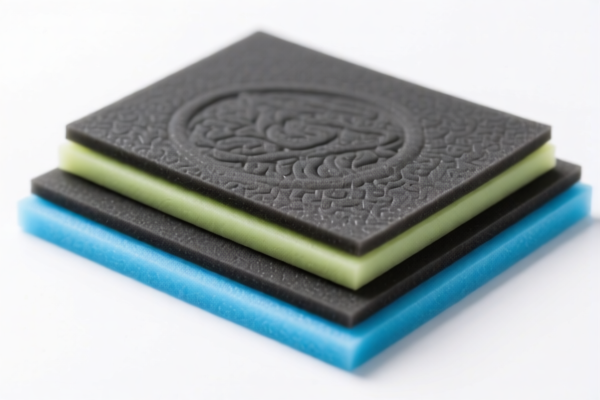
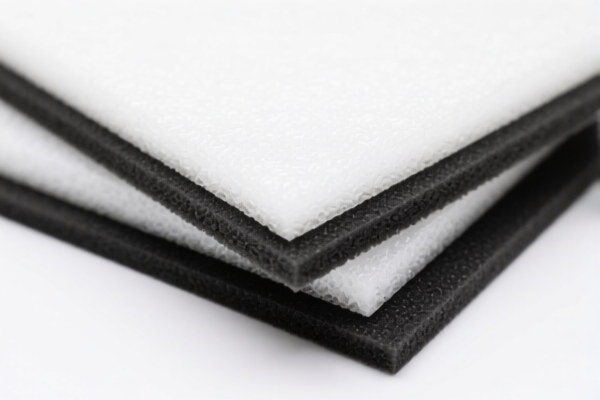
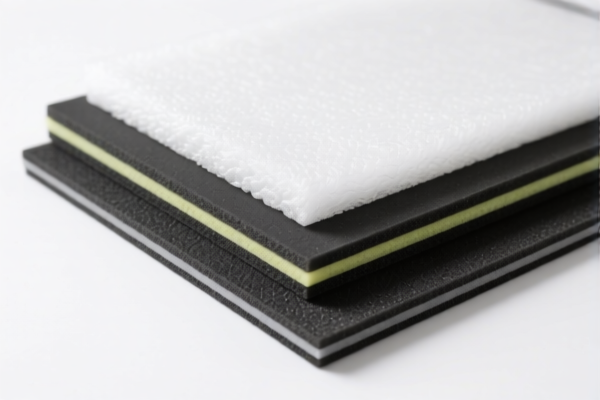
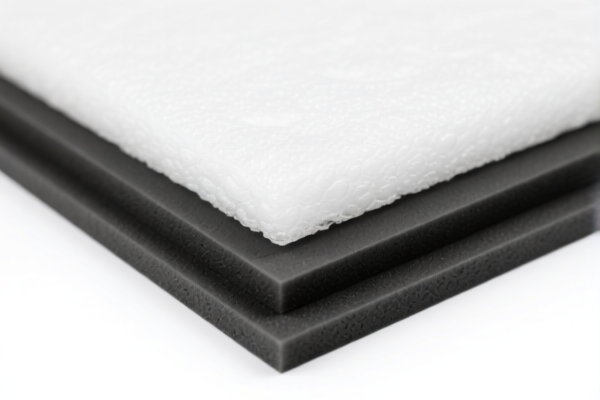
AI Analysis
🛡️ Corrosion Resistant Foam Rubber Sheet (耐腐蚀泡沫橡胶片)
🌐 HS Code Reference & Customs Clearance Guide | 2026 Latest Tariff Analysis | Professional Entry Strategy
📌 I. Product Definition & Classification: Understanding the Material nuances
"Corrosion Resistant Foam Rubber Sheet" is a generic term used in industrial sealing, buffering, and insulation. However, customs classification strictly depends on the specific polymer chemistry (e.g., vulcanized rubber vs. polyurethane) and the structural form (e.g., open-cell foam vs. honeycomb structure). Misclassification can lead to significant tariff discrepancies, as duties range from 20.9% to 41.5%.
⚠️ Critical Distinction Points:
- Vulcanized Rubber (Natural/Synthetic): Falls under Chapter 40. Generally lower base duties but subject to Section 301/122 tariffs.
- Polyurethane (PU) Foam: Falls under Chapter 39. Often carries higher base duties combined with trade war tariffs.
- Honeycomb/Multi-cell Structure: Specific subheadings exist for honeycomb rubber, which may differ in base duty rates compared to standard foam sheets.
📦 II. HS Code Classification Matrix (2026 Latest Tariff Data)
Based on the provided data, here are the 5 specific classifications for "Corrosion Resistant Foam Rubber Sheet":
| HS Code | Product Description | Material/Structure Inference | Total Tax Rate |
|---|---|---|---|
4016.99.05.00 |
Corrosion-resistant foam rubber sheet | Vulcanized Rubber (Sulfur-cured), Sheet form | 20.9% |
4016.10.00.00 |
Corrosion-resistant foam rubber sheet | Rubber, Honeycomb or multi-cell structure | 35.0% |
4008.21.00.00 |
Rubber corrosion-resistant plate/sheet | Non-Foam Rubber (Solid/Rubber Plate) | 35.0% |
3921.13.50.00 |
Corrosion-resistant foam rubber sheet | Polyurethane Foam Rubber (Inferred) | 39.2% |
3921.13.15.00 |
Corrosion-resistant foam rubber sheet | Foam Rubber (PU or Synthetic Rubber) | 41.5% |
🔍 Key Observation:
- The lowest tax rate (20.9%) applies to standard vulcanized rubber sheets (4016.99.05.00).
- The highest tax rate (41.5%) applies to specific Polyurethane/Synthetic Rubber foam sheets (3921.13.15.00).
- There is a significant gap (14.1%) between4016.99.05.00and4016.10.00.00, despite both being rubber, due to structural differences (Honeycomb vs. General).
💰 III. Detailed Breakdown of Tariff Rates (Section 301 & 122)
✅ Context: US Import from China (CN)
✅ Components: Base Duty + Section 301 (Add-on) + Section 122 (Reciprocal)
🎯 1. 4016.99.05.00 — Vulcanized Rubber Foam Sheet (Most Favorable)
| Component | Rate | Source |
|---|---|---|
| Base Duty | 3.4% | HTSUS General Rate |
| Section 301 Add-on | 7.5% | USITC Footnote (Trade War) |
| Section 122 Tariff | 10.0% | Reciprocal Tariff |
| Total Effective Rate | 20.9% | Sum of above |
📌 Analysis: This is the most cost-effective classification. It requires the product to be vulcanized rubber (not specifically honeycomb) and sheet form.
⚠️ Note: If your product is "Honeycomb" rubber, this code does not apply.
🎯 2. 4016.10.00.00 — Honeycomb/Multi-cell Rubber
| Component | Rate | Source |
|---|---|---|
| Base Duty | 0.0% | HTSUS Zero Rate |
| Section 301 Add-on | 25.0% | USITC Footnote |
| Section 122 Tariff | 10.0% | Reciprocal Tariff |
| Total Effective Rate | 35.0% | Sum of above |
📌 Analysis: Despite a 0% base duty, the high Section 301 tariff (25%) makes it more expensive than
4016.99.05.00. This code is strictly for honeycomb or multi-cellular rubber structures.
🎯 3. 3921.13.50.00 — Polyurethane Foam (Inferred)
| Component | Rate | Source |
|---|---|---|
| Base Duty | 4.2% | HTSUS Plastics Chapter |
| Section 301 Add-on | 25.0% | USITC Footnote |
| Section 122 Tariff | 10.0% | Reciprocal Tariff |
| Total Effective Rate | 39.2% | Sum of above |
📌 Analysis: Classifying under Chapter 39 (Plastics/Polymers) triggers the higher 25% Section 301 tariff. This is typical for Polyurethane (PU) based foams.
🎯 4. 3921.13.15.00 — Synthetic/PU Foam Rubber
| Component | Rate | Source |
|---|---|---|
| Base Duty | 6.5% | HTSUS Plastics Chapter |
| Section 301 Add-on | 25.0% | USITC Footnote |
| Section 122 Tariff | 10.0% | Reciprocal Tariff |
| Total Effective Rate | 41.5% | Sum of above |
📌 Analysis: The highest duty. Applies to specific sub-categories of foam rubber/plastic sheets, often those not covered by other specific rubber headings. Avoid if possible unless the material is strictly synthetic foam.
🎯 5. 4008.21.00.00 — Rubber Plate (Non-Foam)
| Component | Rate | Source |
|---|---|---|
| Base Duty | 0.0% | HTSUS Rubber Chapter |
| Section 301 Add-on | 25.0% | USITC Footnote |
| Section 122 Tariff | 10.0% | Reciprocal Tariff |
| Total Effective Rate | 35.0% | Sum of above |
📌 Analysis: This code is for solid/rubber plates, NOT foam. If your product is truly "foam," this code is incorrect and may lead to customs rejection or reclassification penalties. It only applies if the product is dense, non-porous rubber.
🛠️ IV. Customs Clearance Strategy & Recommendations
✅ 1. Material Verification (Crucial Step)
Before shipping, you MUST confirm the exact material composition with your manufacturer: - Is it Vulcanized Rubber? (Look for sulfur curing, natural/synthetic rubber base). - Is it Polyurethane (PU)? (Look for "PU Foam," "Polyol," "Isocyanate"). - Is it Honeycomb? (Does it have a hexagonal/structured open-cell design?)
🚫 Risk: Declaring PU as "Rubber" to get the lower 20.9% tax is customs fraud. CBP (Customs and Border Protection) routinely tests material composition.
✅ 2. Optimizing for Lowest Duty (20.9%)
If your product is a standard vulcanized rubber foam sheet (not honeycomb, not PU), aim for 4016.99.05.00.
| Strategy | Action |
|---|---|
| Product Description | "Vulcanized Rubber Foam Sheet, Corrosion Resistant, Non-Honeycomb" |
| Material Spec | Provide MSDS/SDS showing rubber content (Natural/SBR/EPDM) and vulcanization process. |
| Structure | Confirm it is not honeycomb or multi-cellular structure (which would trigger 4016.10.00.00). |
✅ 3. Documentation Checklist
| Document | Requirement |
|---|---|
| Commercial Invoice | Clearly state "HS Code: 4016.99.05.00" and "Country of Origin: China". |
| Material Data Sheet (MSDS) | Must explicitly state the polymer type (e.g., "EPDM Rubber") and that it is vulcanized. |
| Product Photos | Show cross-section to prove it is foam (pores visible) but NOT honeycomb. |
| Bill of Lading | Ensure description matches invoice. |
✅ 4. Common Pitfalls to Avoid
| Mistake | Consequence |
|---|---|
| Using "Rubber" too broadly | If you are PU foam, 4016.99.05.00 is wrong. You will be hit with the higher PU tax (39.2%+) + penalties. |
| Ignoring "Honeycomb" Structure | If your foam has a structured hexagonal pattern, it must go to 4016.10.00.00 (35%), even if it feels like standard foam. |
| Confusing Plate vs. Foam | If you ship solid rubber plates but declare 4016.99.05.00 (Foam), CBP may flag it for not matching the physical product. Use 4008.21.00.00 for solid plates. |
🌍 V. Global Market Comparison (2026 Context)
| Market | Likely HS Code | Est. Duty Impact | Key Note |
|---|---|---|---|
| 🇺🇸 USA | 4016.99.05.00 |
20.9% (Total) | Best for vulcanized rubber. High Section 301/122 impact. |
| 🇨🇳 China | 4016.99.05.00 |
~3-5% (Import) | No Section 301. Standard MFN rates apply. |
| 🇪🇺 EU | 4016.99 |
~3-4% | No "Section 122" equivalent. Simpler tariff structure. |
| 🇬🇧 UK | 4016.99 |
~3-5% | Post-Brexit tariffs similar to EU for many goods. |
📌 Conclusion for US Importers:
The 20.9% rate for4016.99.05.00is significantly lower than the 35-41.5% range for other codes.
Action: Verify if your specific foam product can be classified as standard vulcanized rubber (non-honeycomb). If yes, this code offers the best savings. If it is PU or Honeycomb, the cost is higher but unavoidable without re-engineering the material.
📌 VI. Final Recommendation
🎯 For Maximum Savings:
If your product is Vulcanized Rubber Foam (Non-Honeycomb) → Use4016.99.05.00(20.9%).🎯 If Product is Honeycomb:
Use4016.10.00.00(35.0%).🎯 If Product is Polyurethane (PU):
Use3921.13.50.00(39.2%) or3921.13.15.00(41.5%).🎯 If Product is Solid Rubber Plate:
Use4008.21.00.00(35.0%).💡 Pro Tip: Always request a Pre-Clearance Ruling from CBP if the material is ambiguous. The cost of a ruling is far less than the cost of a 20%+ tariff discrepancy or detained cargo.
✨ Clear Customs, Save Costs, Stay Compliant!
💼 Your Supply Chain Efficiency Starts with Accurate HS Codes!
Customer Reviews
About HS Code Classification
The Harmonized System (HS) is an internationally standardized nomenclature developed by the World Customs Organization (WCO) to classify traded products. Over 200 countries use the HS system as the basis for customs tariffs, trade statistics, and import/export regulations.
Each HS code follows a hierarchical structure:
- Chapter (2 digits) — Broad category of goods (e.g., Chapter 84: Machinery and Mechanical Appliances)
- Heading (4 digits) — More specific grouping within the chapter
- Subheading (6 digits) — Internationally standardized breakdown, used by all WCO member countries
- National subdivisions (8-10 digits) — Country-specific extensions for further classification, such as US HTSUS 10-digit codes
Correct HS code classification is essential for smooth customs clearance, accurate duty payment, and compliance with trade regulations. Misclassification can lead to customs delays, overpayment of duties, or penalties.
When importing from CN to US, the applicable tariff rates may include:
- Most-Favored-Nation (MFN) rate — The standard duty rate applied to WTO members
- General rate — Applied to countries without trade agreements
- Trade remedy duties — Additional tariffs such as Section 301 (anti-dumping), Section 232 (national security), or countervailing duties
The information provided on this page is for reference purposes only. For official classification, please consult with your local customs authority or a licensed customs broker.