Cosmetic Box
CN → US| HS Code | Tariff Rate | Origin | Destination | Doc |
|---|---|---|---|---|
| 3923102000 | 35.0% | CN | US | Official Doc |
| 4202999000 | 55.0% | CN | US | Official Doc |
| 3923109000 | 38.0% | CN | US | Official Doc |
| 3926901000 | 20.9% | CN | US | Official Doc |
| 4202929315 | 52.6% | CN | US | Official Doc |
Product Images
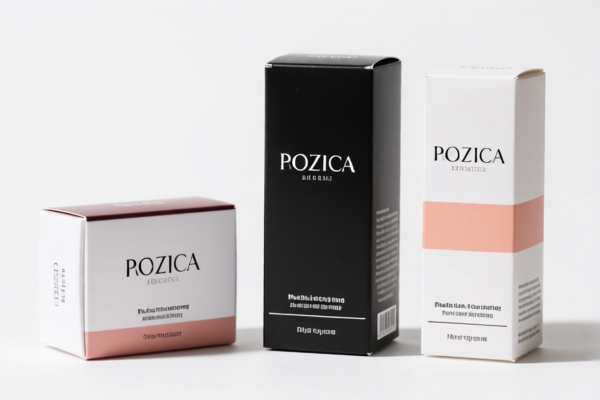
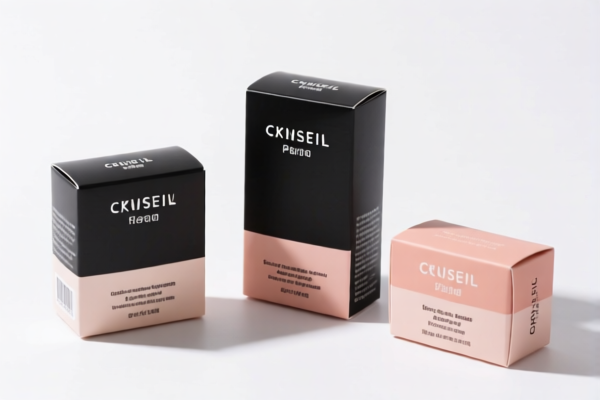
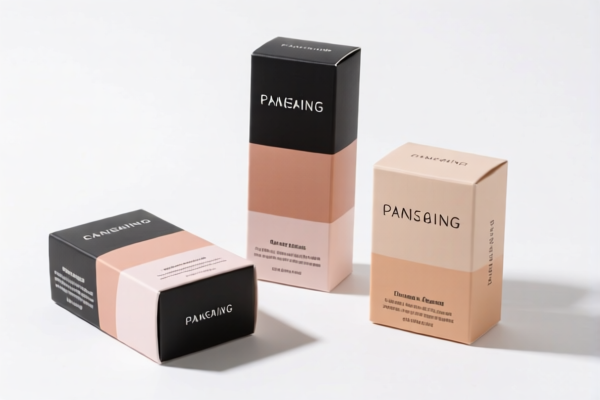
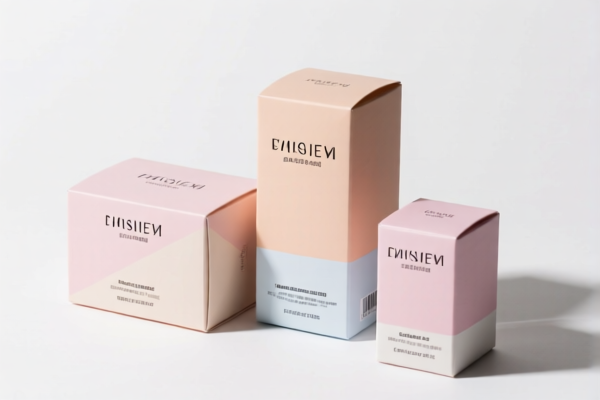
AI Analysis
📦 Cosmetic Boxes (Containers for Personal Care)
🌐 HS Code Reference & Customs Clearance Guide | 2024 Latest Tariff Full Analysis | Professional-Grade Clearance Strategy
📌 I. Product Definition & Classification: Do You Really Understand “Cosmetic Boxes”?
A Cosmetic Box is a broad term used in the global trade of personal care items. It generally refers to rigid containers used for packaging, storing, or organizing cosmetics, skincare products, or toiletries. In international trade, the classification is highly sensitive to material composition. Without specific material details, customs authorities rely on common sense inference, often prioritizing plastic or textile materials, leading to vastly different tax liabilities.
⚠️ Key Distinction:
- If made of Plastic (hard/soft): Falls under Chapter 39 (Plastics).
- If made of Textile/Fabric (soft/rigid): Falls under Chapter 42 (Articles of Textile Materials).
- If made of Paper/Cardboard: Falls under Chapter 48 (Paper) or Chapter 46 (Basketwork), but often grouped with general containers if not specified.
📦 II. HS Code Classification Details (Based on Provided Data)
The following analysis is strictly based on the provided dataset, which offers five possible classifications for "Cosmetic Box" based on inferred materials and usage.
| HS Code | Product Description | Inference Basis | Total Tax Rate | Key Tax Components |
|---|---|---|---|---|
3923.10.20.00 |
Plastic Storage Boxes/Containers | Inferred as plastic based on common usage; matches "packaging/storage" characteristics. | 35.0% | Base: 0%, Section 301: 25%, Section 122: 10% |
4202.99.90.00 |
Other Containers & Bags (Textile/Fabric) | Matches container usage; inferred material could be plastic, textile, or cardboard. | 55.0% | Base: 20%, Section 301: 25%, Section 122: 10% |
3923.10.90.00 |
Other Plastic Boxes/Pallets | Matches "boxes, cases, pallets" category; inferred as plastic packaging. | 38.0% | Base: 3%, Section 301: 25%, Section 122: 10% |
3926.90.10.00 |
Other Plastic Articles | Inferred plastic material; classified as "other articles" similar to buckets/pails in function. | 20.9% | Base: 3.4%, Section 301: 7.5%, Section 122: 10% |
4202.92.93.15 |
Containers with Textile Outer Surface | Inferred textile outer surface based on "no conflict" principle for containers. | 52.6% | Base: 17.6%, Section 301: 25%, Section 122: 10% |
🔍 Critical Insight:
- The tax rate ranges from 20.9% to 55.0%.
- Plastic-based classifications (3923.xx,3926.xx) generally have lower base tariffs but are subject to Section 301 (US-China Trade War) and Section 122 tariffs.
- Textile-based classifications (4202.xx) have higher base tariffs (17.6%-20%) plus the same additional tariffs.
💰 III. 2024 Latest Tariff Rate Breakdown (Including Surcharges)
✅ Applicable Country: United States (US)
✅ Origin: China (CN)
✅ Effective Time: Current Trade Policy (Section 301 & 122)
🎯 1. 3923.10.20.00 —— Plastic Storage Box (Lowest Plastic Option)
| Item | Detail |
|---|---|
| Base Duty | 0% |
| USITC Surcharge (Sec 301) | +25.0% |
| IEEPA Surcharge (Sec 122) | +10.0% |
| Total Rate | 35.0% |
| Calculation | CIF Value × 35% |
| De Minimis Exemption | ❌ Not Eligible (High value threshold impact) |
| Legal Path | USITC:3923.10.20.00 → FOOTNOTE:301 → IEEPA:122 |
📌 Explanation:
- 0% Base Duty: Recognized as essential packaging material.
- 35% Total: Significant burden due to trade wars.
- Why it’s attractive: Compared to textile options, the base duty is 0%, making it the most cost-effective plastic classification.
🎯 2. 3926.90.10.00 —— Other Plastic Articles (Lowest Overall Tax)
| Item | Detail |
|---|---|
| Base Duty | 3.4% |
| USITC Surcharge (Sec 301) | +7.5% |
| IEEPA Surcharge (Sec 122) | +10.0% |
| Total Rate | 20.9% |
| Calculation | CIF Value × 20.9% |
| De Minimis Exemption | ❌ Not Eligible |
| Legal Path | USITC:3926.90.10.00 → FOOTNOTE:301.7.5 → IEEPA:122 |
📌 Explanation:
- Lowest Total Tax: At 20.9%, this is the cheapest classification in the dataset.
- Reasoning: Classified as "other plastic articles" (not strict packaging), allowing a lower Section 301 rate (7.5% vs 25%).
- Risk: Customs may challenge this if the box is clearly a "packaging container" (which should be 3923). Requires strong argument that it is a "storage container" (like a bucket) rather than a "shipping package."
🎯 3. 3923.10.90.00 —— Other Plastic Boxes
| Item | Detail |
|---|---|
| Base Duty | 3.0% |
| USITC Surcharge (Sec 301) | +25.0% |
| IEEPA Surcharge (Sec 122) | +10.0% |
| Total Rate | 38.0% |
| Calculation | CIF Value × 38% |
| De Minimis Exemption | ❌ Not Eligible |
📌 Explanation:
- A mid-range plastic option. Higher than3923.10.20.00due to a 3% base duty, but same additional surcharges.
🎯 4. 4202.99.90.00 & 4202.92.93.15 —— Textile/Fabric Based Containers
| HS Code | Total Rate | Base Duty | Sec 301 | Sec 122 |
|---|---|---|---|---|
4202.99.90.00 |
55.0% | 20.0% | 25.0% | 10.0% |
4202.92.93.15 |
52.6% | 17.6% | 25.0% | 10.0% |
📌 Explanation:
- Highest Tax Burden: These classifications incur high base duties (17.6%-20%) because textiles are treated differently from plastics in US trade policy.
- Only use if: The cosmetic box is genuinely made of fabric, leather, or coated textile with an outer surface of such material.
🛠️ IV. Customs Clearance Practical Advice (Avoiding Pitfalls)
✅ 1. Preparation Checklist (Must-Have Documents)
| Document | Required | Notes |
|---|---|---|
| ✅ Product Specification Sheet | ✔️ | Must explicitly state Material (e.g., "PP Plastic," "Polyester Fabric"). |
| ✅ Material Breakdown | ✔️ | If composite (e.g., plastic with textile lining), specify % by weight/volume. |
| ✅ Product Photos (Clear) | ✔️ | Show texture, flexibility, and structure to prove material type. |
| ✅ Commercial Invoice | ✔️ | Use precise description: "Rigid Plastic Storage Box for Cosmetics, Model XYZ" |
| ✅ Packing List | ✔️ | Ensure net weight/gross weight matches customs valuation. |
✅ 2. Declaration Strategy (Key Mantras)
🔥 “Material is King, Shape is Queen, Accurate Code, Taxes Decrease!”
| Scenario | Recommended HS Code | Risk if Incorrect |
|---|---|---|
| Hard Plastic Box (Rigid, shiny) | 3923.10.20.00 or 3926.90.10.00 |
Misdeclaring as textile → 55% tax |
| Soft/Fabric Box (Lined, textured) | 4202.92.93.15 or 4202.99.90.00 |
Misdeclaring as plastic → Potential duty evasion penalty |
| Paper/Cardboard Box | Not in dataset (Likely Ch. 48) | Forcing into Ch. 39/42 → Rejection/Seizure |
| Mixed Material Box | Depends on "Essential Character" | Ambiguity leads to longest clearance time |
✅ 3. Special Handling Tips
| Situation | Advice |
|---|---|
| Sample vs. Bulk | For samples, consider if value is below de minimis threshold ($800), but be aware of Section 301/122 exclusions often not applying to low-value shipments if flagged. |
| OEM/Private Label | Provide OEM agreement to prove brand ownership; avoid "generic" descriptions that confuse customs. |
| Plastic Type | Specify if recyclable (e.g., PP, PET) to appeal to green customs initiatives, though tax rate remains same. |
| Use of "Bucket/Pail" Logic | To use 3926.90.10.00 (20.9% tax), argue that the box is a storage container (like a bucket) not a shipping package. This is a strategic legal argument. |
🌍 V. Global Market Comparison (2024-2025)
| Market | Recommended HS Code | Est. Total Tax (China Origin) | Notes |
|---|---|---|---|
| 🇺🇸 USA | 3926.90.10.00 |
20.9% | Lowest due to lower Sec 301 rate for "other articles." |
| 🇺🇸 USA | 3923.10.20.00 |
35.0% | Standard for plastic packaging. |
| 🇪🇺 EU | 3923.10.90 |
~6-12% | No Section 301/122; only MFN tariff. |
| 🇨🇳 China | 3923.10.20 |
~5-10% | Low base tariff, no trade war surcharges. |
| 🇬🇧 UK | 3923.10.90 |
~6% | Post-Brexit MFN rates apply. |
📌 Conclusion:
- USA is the most expensive market due to Section 301 and 122 tariffs.
- Strategic Classification (3926.90.10.00) can save 14.1% in taxes compared to standard packaging (3923.10.20.00).
- Textile classifications should be avoided for plastic boxes to prevent 55%+ tax rates.
📌 VI. Common Mistakes & Pitfalls (Lessons Learned)
❌ Mistake 1: Declaring a Plastic Box as 4202.99.90.00 (Textile)
👉 Consequence: Higher duty (55% vs 35%) and potential audit for misclassification.
❌ Mistake 2: Declaring a Fabric Box as 3923.10.20.00 (Plastic)
👉 Consequence: Customs refusal, fine for evasion, and retroactive tax + penalty.
❌ Mistake 3: Vague Description: "Cosmetic Box"
👉 Consequence: Customs officer chooses the worst-case scenario (highest tax) or delays clearance.
❌ Mistake 4: Ignoring Section 122 (10%)
👉 Consequence: Underestimating total landed cost. Many traders only account for Sec 301 (25%) and forget the extra 10%.
✅ Correct Practice:
"Rigid Plastic Storage Container for Cosmetics, Material: PP, Color: White, Model ABC, Made in China"
🎯 VII. Conclusion: Precision in Classification, Profit in Clearance!
🎯 Remember the Mantras:
🔹 “Plastic Packaging? Use 3923 (35%).”
🔹 “Storage Item? Try 3926 (20.9%)!”
🔹 “Fabric/Textile? Prepare for 52-55%.”
🔹 “Never guess material – specify it!”📌 Pro Tip:
If your cosmetic box is plastic, consider arguing for HS Code3926.90.10.00to benefit from the lower Section 301 rate (7.5% vs 25%). This requires a strong functional argument that the item is a "storage vessel" (like a bucket) rather than a "shipping package."
📣 Immediate Action:
📞 Contact your customs broker with product photos and material specs.
📝 Request an Advance Ruling if the classification is ambiguous.
🚀 Optimize your HS Code to save up to 34.1% in taxes!
✨ Professional clearance starts with precise classification!
💼 Your bottom line depends on the digits!
Customer Reviews
About HS Code Classification
The Harmonized System (HS) is an internationally standardized nomenclature developed by the World Customs Organization (WCO) to classify traded products. Over 200 countries use the HS system as the basis for customs tariffs, trade statistics, and import/export regulations.
Each HS code follows a hierarchical structure:
- Chapter (2 digits) — Broad category of goods (e.g., Chapter 84: Machinery and Mechanical Appliances)
- Heading (4 digits) — More specific grouping within the chapter
- Subheading (6 digits) — Internationally standardized breakdown, used by all WCO member countries
- National subdivisions (8-10 digits) — Country-specific extensions for further classification, such as US HTSUS 10-digit codes
Correct HS code classification is essential for smooth customs clearance, accurate duty payment, and compliance with trade regulations. Misclassification can lead to customs delays, overpayment of duties, or penalties.
When importing from CN to US, the applicable tariff rates may include:
- Most-Favored-Nation (MFN) rate — The standard duty rate applied to WTO members
- General rate — Applied to countries without trade agreements
- Trade remedy duties — Additional tariffs such as Section 301 (anti-dumping), Section 232 (national security), or countervailing duties
The information provided on this page is for reference purposes only. For official classification, please consult with your local customs authority or a licensed customs broker.