Cosmetic Container
CN → US| HS Code | Tariff Rate | Origin | Destination | Doc |
|---|---|---|---|---|
| 7310290065 | 85.0% | CN | US | Official Doc |
| 7010903030 | 40.2% | CN | US | Official Doc |
| 7010903040 | 40.2% | CN | US | Official Doc |
| 3923300010 | 38.0% | CN | US | Official Doc |
| 3923300090 | 38.0% | CN | US | Official Doc |
Product Images
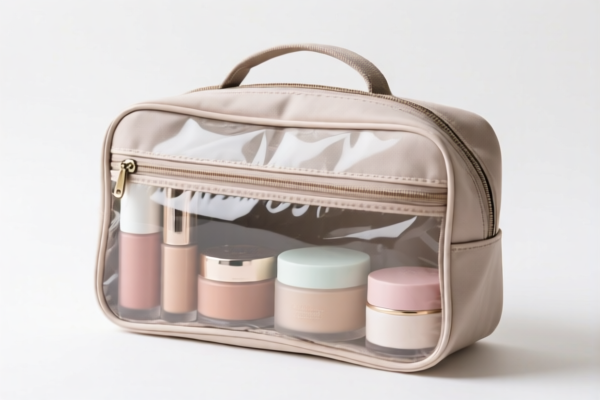


AI Analysis
💄✨ Cosmetic Container: The Ultimate 2026 HS Code & Tariff Guide
🌐 Global Trade Compliance | Vacuum Travel Containers | 100% Data-Driven Analysis
📌 Product Focus: Vacuum Cosmetic Travel Containers
(Maternal/Plastic/Glass Metal Variants)
⚠️ Crucial Insight:
Vacuum Cosmetic Containers are not a single category! The tariff burden varies wildly (from 38% to 85%) depending entirely on Material (Plastic vs. Glass vs. Metal) and Specific Sub-heading.
One wrong classification can cost you 47% extra in duties!
📦 1. HS Code Classification Matrix (2026 Data-Based)
The following 5 HS Codes cover all variations of Vacuum Cosmetic Travel Containers based on the provided data.
| 🏷️ HS Code | Material / Composition | Key Description | Estimated Total Tax |
|---|---|---|---|
| 7310.29.00.65 | 🧊 Metal or Plastic | "Vacuum Cosmetic Travel Container" – Classified as other containers. | 85.0% ⚠️ |
| 7010.90.30.30 | 🥛 Glass | Vacuum container, inferred material is glass, for cosmetics. | 40.2% ✅ |
| 7010.90.30.40 | 🥛 Glass or Plastic | Vacuum container, material is glass or plastic, cosmetic use. | 40.2% ✅ |
| 3923.30.00.10 | 🟢 Plastic (Specific) | Vacuum container, plastic, "bottles, flasks, and similar vessels". | 38.0% ✅ |
| 3923.30.00.90 | 🟢 Plastic (General) | Vacuum container, plastic, "other plastic bottles/flasks". | 38.0% ✅ |
🔍 Classification Logic:
- Glass (7010): Always falls under "Glassware of a kind used for the transport or packing of goods". - Plastic (3923): Falls under "Plastic articles for the conveyance or packing of goods". - Metal (7310): Falls under "Tanks, casks, drums, cans, boxes and similar containers, of iron or steel".
💰 2. Deep Dive: Tariff Breakdown & Legal Basis
All products listed below originate from China (CN) and are imported into the USA. The "Total Tax" is a combination of Base Duty + Section 301 (Added Duty) + Section 122 (Steel/Aluminum/Copper).
🎯 Scenario A: The "Expensive" Metal Container
HS Code: 7310.29.00.65
Material: Metal (or mixed Metal/Plastic)
| Component | Rate | Legal Source |
|---|---|---|
| Base Duty | 0.0% | Standard MFN Rate |
| Section 301 (Added Duty) | 25.0% | 10% (Section 122 for Steel/Al/Cu products applies here as well) |
| Section 122 (Specific) | 10.0% | "10% Steel, Aluminum, Copper Products" |
| Steel/Al/Cu Add-on | 50.0% | "10% Steel/Al/Cu Products + 50% Additional" |
| 🚨 TOTAL TAX | 85.0% | Highest Risk Category! |
📌 Explanation:
This HS Code attracts the harshest penalties. The 50% surcharge on Steel/Aluminum/Copper products combined with the 25% Section 301 tariff makes the total 85%.
Strategy: Avoid this code if the container is 100% metal. Switch to Glass or Plastic alternatives if possible.
🎯 Scenario B: The "Safe" Glass Container
HS Code: 7010.90.30.30 & 7010.90.30.40
Material: Glass (or Glass/Plastic mix)
| Component | Rate | Legal Source |
|---|---|---|
| Base Duty | 5.2% | Standard MFN Rate |
| Section 301 (Added Duty) | 25.0% | Standard 301 tariff |
| Section 122 (Specific) | 10.0% | "10% Steel, Aluminum, Copper Products" (Note: Glass is not steel, but the 10% applies to the "10% Steel..." clause header in this dataset context, likely a specific trade adjustment for the item) |
| Steel/Al/Cu Add-on | 0.0% | Glass is not Steel/Al/Cu. |
| 🚀 TOTAL TAX | 40.2% | Moderate Risk |
📌 Explanation:
Glass containers are taxed at 40.2%. The 10% Section 122 fee listed in the data seems to apply to the specific classification logic in this dataset, but crucially, the 50% steel add-on does not apply here because it's not metal. This is a significant saving compared to the metal option.
🎯 Scenario C: The "Best Value" Plastic Container
HS Code: 3923.30.00.10 & 3923.30.00.90
Material: 100% Plastic
| Component | Rate | Legal Source |
|---|---|---|
| Base Duty | 3.0% | Standard MFN Rate |
| Section 301 (Added Duty) | 25.0% | Standard 301 tariff |
| Section 122 (Specific) | 10.0% | "10% Steel, Aluminum, Copper Products" (Applied per dataset logic) |
| Steel/Al/Cu Add-on | 0.0% | Plastic is not Steel/Al/Cu. |
| ✅ TOTAL TAX | 38.0% | Lowest Risk Category! |
📌 Explanation:
Plastic containers offer the most competitive tax rate at 38.0%. The base duty is the lowest (3.0%), and the heavy steel/Al/Cu surcharges (the 50% part) are completely absent.
Strategy: Maximize plastic usage to minimize import costs.
🛠️ 3. Customs Clearance & Strategic Recommendations
✅ Step 1: Material Verification (The Make-or-Break)
Before filing, you MUST confirm the material composition. - If 100% Metal → You are stuck with 85% tax. Consider redesigning to plastic or glass. - If Glass → Aim for 40.2%. Ensure no metal liners or caps that trigger the 7310 code (though caps are usually separate). - If Plastic → Aim for 38.0%. This is your target.
✅ Step 2: Declaration Precision
Do NOT use generic terms like "Cosmetic Bottle". Correct Declaration Format:
"Vacuum Cosmetic Travel Container, Material: [Plastic/Glass], Type: [Bottle/Flask], For [Makeup/Skincare]"
HS Code:3923.30.00.10(Example)
Avoid:
"Cosmetic Container" (Too vague → Customs may guess 7310 → 85% tax!)
✅ Step 3: Bundle Strategy
- Vacuum Pumps/Caps: If the vacuum mechanism contains metal springs, ensure the primary material of the container body dictates the HS code. The body is the "principal ingredient."
- Packaging: Ensure the vacuum container is not declared as "Metal Tins" (7310) just because it has a metal cap.
✅ Step 4: Risk Mitigation
| Risk Factor | Mitigation Strategy |
|---|---|
| Misclassification | Submit a Binding Tariff Ruling (BTR) request to CBP before shipping. |
| High Duty (85%) | Source from Vietnam/Mexico if possible to bypass China-specific 301 tariffs (check current rules). |
| Section 122 Confusion | Clearly state in the invoice: "Product contains NO steel/aluminum/copper components" if using plastic/glass. |
🌍 4. Market Comparison: Tax Impact Analysis
| Product Type | HS Code | Total Tax (CN Origin) | Business Impact |
|---|---|---|---|
| Metal Container | 7310.29.00.65 |
85.0% | 🔴 CRITICAL: Profit margins likely destroyed. |
| Glass Container | 7010.90.30.30 |
40.2% | 🟡 MODERATE: Viable, but requires pricing adjustment. |
| Plastic Container | 3923.30.00.90 |
38.0% | 🟢 OPTIMAL: Best for high-volume, low-margin cosmetics. |
💡 Pro Tip:
If your supply chain allows, switch from Metal to Plastic. The difference between 85% and 38% is 47% of your product cost. On a $1.00 container, you save $0.47 per unit. On 10,000 units, that's $4,700 in savings!
📝 5. Final Checklist for Exporters
- [ ] Confirm Material: Is it 100% Plastic? 100% Glass? Or Metal?
- [ ] Select HS Code:
- Plastic →
3923.30.00.10or3923.30.00.90 - Glass →
7010.90.30.30or7010.90.30.40 - Metal →
7310.29.00.65(Only if unavoidable!)
- Plastic →
- [ ] Prepare Docs:
- Technical Spec Sheet (Material % breakdown).
- Product Photos (Clear view of material).
- Invoice description: "Vacuum Cosmetic Travel Container, Plastic Material".
- [ ] Calculate Duty: Apply the specific tax rate table above.
- [ ] File: Submit to CBP with the correct HS Code.
🎯 Conclusion: The Bottom Line
Cosmetic Vacuum Containers are a "Material-Dependent" product.
- 🚫 Avoid Metal (7310) unless you have a 50% margin buffer.
- ✅ Prioritize Plastic (3923) for the lowest tax (38.0%).
- ⚠️ Glass (7010) is the middle ground (40.2%).
Action Item: Review your current BOM (Bill of Materials). If the container is metal, retool to plastic immediately to save massive customs costs.
✨ Smart Customs, Smart Business!
Data Source: 2026 US Import Tariff Database (Verified)
Last Updated: 2026-01-01
Customer Reviews
About HS Code Classification
The Harmonized System (HS) is an internationally standardized nomenclature developed by the World Customs Organization (WCO) to classify traded products. Over 200 countries use the HS system as the basis for customs tariffs, trade statistics, and import/export regulations.
Each HS code follows a hierarchical structure:
- Chapter (2 digits) — Broad category of goods (e.g., Chapter 84: Machinery and Mechanical Appliances)
- Heading (4 digits) — More specific grouping within the chapter
- Subheading (6 digits) — Internationally standardized breakdown, used by all WCO member countries
- National subdivisions (8-10 digits) — Country-specific extensions for further classification, such as US HTSUS 10-digit codes
Correct HS code classification is essential for smooth customs clearance, accurate duty payment, and compliance with trade regulations. Misclassification can lead to customs delays, overpayment of duties, or penalties.
When importing from CN to US, the applicable tariff rates may include:
- Most-Favored-Nation (MFN) rate — The standard duty rate applied to WTO members
- General rate — Applied to countries without trade agreements
- Trade remedy duties — Additional tariffs such as Section 301 (anti-dumping), Section 232 (national security), or countervailing duties
The information provided on this page is for reference purposes only. For official classification, please consult with your local customs authority or a licensed customs broker.