Cosmetic Grade Talc Powder
CN → US| HS Code | Tariff Rate | Origin | Destination | Doc |
|---|---|---|---|---|
| 3304910050 | 35.0% | CN | US | Official Doc |
| 3304910010 | 35.0% | CN | US | Official Doc |
Product Images
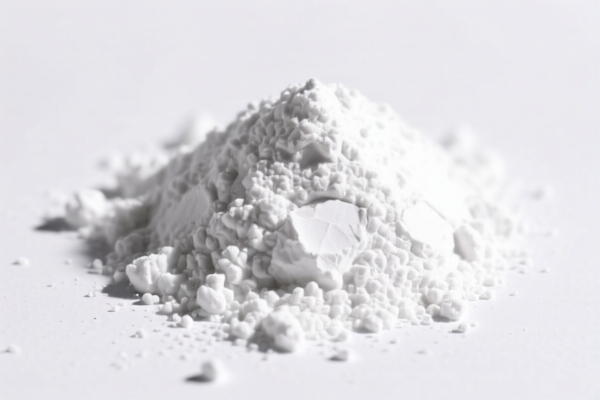
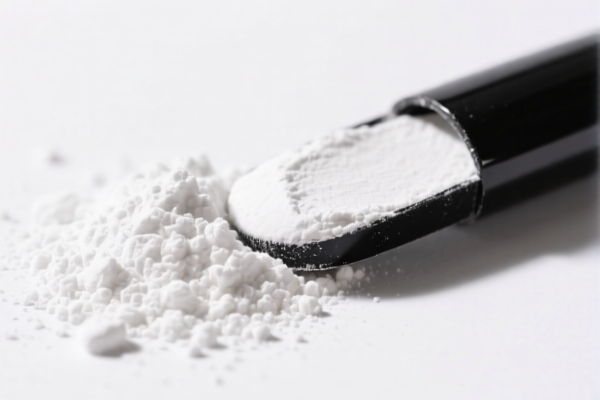
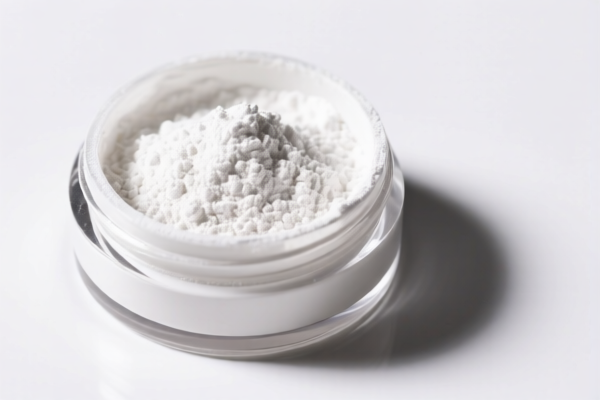
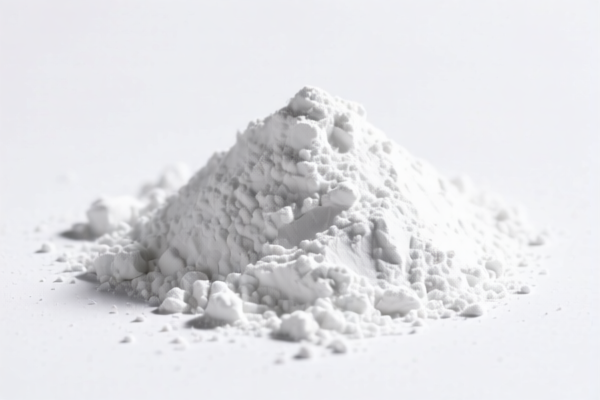
AI Analysis
🌸 Cosmetic Grade Talc Powder
🌐 HS Code Reference & Customs Clearance Guide | 2026 Latest Tariff Analysis | Professional Compliance Strategy
📌 I. Product Definition & Classification: Do You Really Understand "Talc"?
Cosmetic Grade Talc Powder is a fine, soft mineral powder derived from talc, widely used in the cosmetics industry for its lubricating, absorbent, and opaque properties. It is a key ingredient in foundations, blushes, eyeshadows, and baby powders.
In international trade, it is categorized under Chapter 33: Essential Oils and Resinoids; Perfumery, Cosmetic or Toilet Preparations. Specifically, it falls under Headings 3304, which covers beauty or make-up preparations.
⚠️ Critical Distinction:
- If the product is plain, compressed, or loose powder (e.g., generic body powder, setting powder) → It falls under 3304.91.
- If the product is a specific colored product (e.g., Rouges, blushes, cheek powders with distinct color) → It may fall under specific subheadings for "Rouges."
📦 II. HS Code Classification Details (2026 Latest Tariff Concordance)
| HS Code | Product Description | Applicable Scenario | Tax Breakdown (China Origin to US) |
|---|---|---|---|
3304.91.00.50 |
Beauty or make-up preparations... Other: Powders, whether or not compressed Other | Generic cosmetic powders (e.g., translucent setting powder, baby powder, loose face powder without specific color definition) | 0.0% |
3304.91.00.10 |
Beauty or make-up preparations... Other: Powders, whether or not compressed Rouges | Rouges (Blushes, cheek powders with distinct coloration) | 25.0% |
🔍 Key Insight:
- "Other" (3304.91.00.50): Refers to white, beige, or neutral powders that do not qualify as "Rouges."
- "Rouges" (3304.91.00.10): Specifically refers to colored powders used for blush/cheek application.
- Misclassification Risk: Declaring a pink/blush powder as "Other" to avoid the 25% tax will trigger customs audits and penalties.
💰 III. 2026 Latest Tariff Rate Details (Detailed Tax Clause Explanation)
✅ Applicable Country: United States (US)
✅ Origin: China (CN)
✅ Effective Date: Current USITC & IEEPA regulations apply.
🎯 1. 3304.91.00.50 —— Cosmetic Powders ("Other")
| Item | Detail |
|---|---|
| Base Tariff | 0.0% (Free) |
| Section 301 Additional Tariff | 0.0% |
| Total Tax Rate | 0.0% |
| Tax Calculation | CIF Value × 0% = $0 |
| De Minimis Exemption | ✅ Eligible (Under $800) |
| Legal Basis | USITC Harmonized Tariff Schedule (HTSUS) Chapter 33 |
📌 Explanation:
- This code benefits from zero duty under current US-China trade terms for "other" cosmetic powders.
- No additional Section 301 tariffs apply to this specific subheading.
- Benefit: Significant cost advantage for importers of neutral/generic powders.
🎯 2. 3304.91.00.10 —— Cosmetic Powders ("Rouges")
| Item | Detail |
|---|---|
| Base Tariff | 0.0% |
| Section 301 Additional Tariff | +25.0% |
| Total Tax Rate | 25.0% |
| Tax Calculation | CIF Value × 25% |
| De Minimis Exemption | ❌ Ineligible (If classified under Section 301, de minimis may be restricted depending on specific enforcement) |
| Legal Basis | USITC:3304.91.00.10 → FOOTNOTE:9903.88.01 (Section 301 List 3/4A) |
📌 Explanation:
- "Rouges" are subject to a 25% additional tariff under the Section 301 trade war measures.
- Despite the base rate being 0%, the 25% surcharge significantly increases the landed cost.
- Risk: High tariff impact on blushes and colored cheek powders.
🛠️ IV. Customs Clearance Practical Advice (Pitfall Avoidance Guide)
✅ 1. Preparation Checklist (Non-negotiable)
| Document | Must Provide | Description |
|---|---|---|
| ✅ Product Specification | ✔️ | Ingredient list, particle size, cosmetic grade certification (e.g., USP, EP) |
| ✅ Product Photos | ✔️ | Show packaging, label, and color of the powder |
| ✅ Letter of Explanation | ✔️ | Clarify if the powder is "neutral" (Other) or "colored" (Rouges) |
| ✅ Commercial Invoice | ✔️ | Clearly state: "Cosmetic Grade Talc Powder, [White/Translucent/Colored]" |
| ✅ Cosmetic Facility Registration | ✔️ | FDA facility registration number (if applicable for US market) |
| ✅ MSDS / Safety Data Sheet | ✔️ | For safe handling and customs inspection |
✅ 2. Declaration Tips (Key Mantras)
🔥 "Color Defines Code, Neutral is Free, Rouge is 25%!"
| Scenario | Correct HS Code | Incorrect Practice | Consequence |
|---|---|---|---|
| White/Translucent Talc Powder | 3304.91.00.50 |
Declare as "Rouges" → Pay 25% unnecessarily | Overpayment of 25% tax |
| Pink/Red Blush Powder | 3304.91.00.10 |
Declare as "Other" → Underreport tax | Customs penalty, back taxes, fines |
| Mixed Bulk Powder | 3304.91.00.50 |
No color indication → Ambiguity | Customs holds shipment for clarification |
| Pre-mixed Makeup | Varies | Declaring as "Talc" | Wrong classification, potential misdeclaration |
✅ 3. Special Circumstances
| Scenario | Handling Advice |
|---|---|
| Raw Talc (Not Cosmetic Grade) | Do not use HS 3304. Use Chapter 25 (Mineral Talc). Different tax regime. |
| Colored Powder for Non-Cosmetic Use | If for industrial purposes, do not use 3304. Use appropriate industrial heading. |
| "Rouges" with Minimal Color | If color is negligible, argue for "Other" (3304.91.00.50), but provide evidence of neutrality. |
| OEM Private Label | Ensure the label matches the declared nature (neutral vs. colored). |
🌍 V. Global Market Comparison (2026 Latest)
| Country/Region | Recommended HS Code | Tariff (China Origin) | Remarks |
|---|---|---|---|
| 🇺🇸 USA | 3304.91.00.50 (Other) / 3304.91.00.10 (Rouges) |
0% / 25% | Strict distinction between neutral and colored powders. |
| 🇨🇳 China | 3304.91.00.50 / 3304.91.00.10 |
Low (~1-5%) | Import duty is low, but VAT applies. |
| 🇪🇺 EU | 3304.91 |
6.5% | Standard EU duty. No Section 301 equivalent. |
| 🇬🇧 UK | 3304.91 |
6.5% | Post-Brexit tariff aligned with EU. |
| 🇯🇵 Japan | 3304.91 |
3.5% | Low tariff, strict cosmetic regulations. |
📌 Conclusion:
- USA is the most complex market due to the 25% Section 301 tariff on "Rouges."
- EU/UK/Japan apply a standard duty (~3.5-6.5%) regardless of color distinction, making them simpler for cost planning.
📌 VI. Common Errors & Pitfall Guide (Lessons Learned)
❌ Mistake 1: Declaring Blush as "Talc Powder" without specifying color.
👉 Result: Customs may classify it as "Rouges" and charge 25%, or hold the shipment for more info.
❌ Mistake 2: Using HS 2526 (Raw Talc) for Cosmetic Grade powder.
👉 Result: Rejected entry because cosmetic products must be declared under Chapter 33. Raw talc has different health/safety regulations.
❌ Mistake 3: Assuming All Powders are free of duty.
👉 Result: If the powder is colored (Rouges), the 25% tax applies. Ignoring this leads to significant cost overruns.
✅ Best Practice:
"Cosmetic Grade Talc Powder, White, Loose, FDA Compliant, for Use in Foundations" → 3304.91.00.50
"Cosmetic Grade Blush Powder, Pink, Compressed" → 3304.91.00.10
🎯 VII. Conclusion: Precision Classification Saves Money!
🎯 Remember the Mantra:
🔹 "Neutral is Free, Colored is 25%!"
🔹 "Describe Color Clearly, Avoid Customs Delays!"📌 Pro Tip:
If you import mixed lots (neutral + colored), consider separating shipments to optimize tax efficiency, or ensure accurate description to avoid penalties.
📣 Immediate Action:
📞 Verify Color & Use Case before shipping.
📄 Use Precise Descriptions in Commercial Invoices.
🚀 Pre-classify with a Customs Broker to avoid unexpected 25% charges on blushes.
✨ Professional Customs Clearance Starts with Accurate Classification!
💼 Every Percent Counts in Global Trade!
Customer Reviews
About HS Code Classification
The Harmonized System (HS) is an internationally standardized nomenclature developed by the World Customs Organization (WCO) to classify traded products. Over 200 countries use the HS system as the basis for customs tariffs, trade statistics, and import/export regulations.
Each HS code follows a hierarchical structure:
- Chapter (2 digits) — Broad category of goods (e.g., Chapter 84: Machinery and Mechanical Appliances)
- Heading (4 digits) — More specific grouping within the chapter
- Subheading (6 digits) — Internationally standardized breakdown, used by all WCO member countries
- National subdivisions (8-10 digits) — Country-specific extensions for further classification, such as US HTSUS 10-digit codes
Correct HS code classification is essential for smooth customs clearance, accurate duty payment, and compliance with trade regulations. Misclassification can lead to customs delays, overpayment of duties, or penalties.
When importing from CN to US, the applicable tariff rates may include:
- Most-Favored-Nation (MFN) rate — The standard duty rate applied to WTO members
- General rate — Applied to countries without trade agreements
- Trade remedy duties — Additional tariffs such as Section 301 (anti-dumping), Section 232 (national security), or countervailing duties
The information provided on this page is for reference purposes only. For official classification, please consult with your local customs authority or a licensed customs broker.