Cosmetic Organiser
CN → US| HS Code | Tariff Rate | Origin | Destination | Doc |
|---|---|---|---|---|
| 3926901000 | 20.9% | CN | US | Official Doc |
| 3926909989 | 22.8% | CN | US | Official Doc |
| 4202929315 | 52.6% | CN | US | Official Doc |
| 4202926010 | 41.3% | CN | US | Official Doc |
| 4420908000 | 38.2% | CN | US | Official Doc |
Product Images
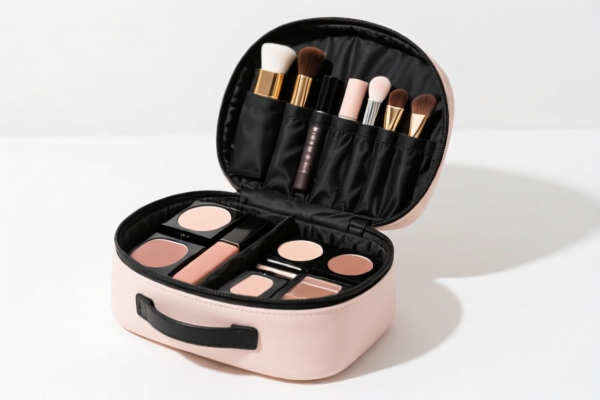
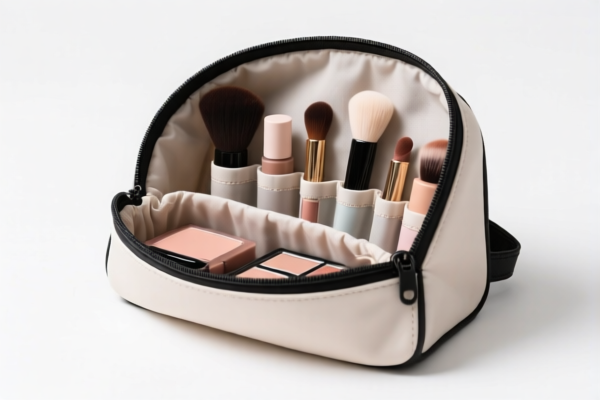
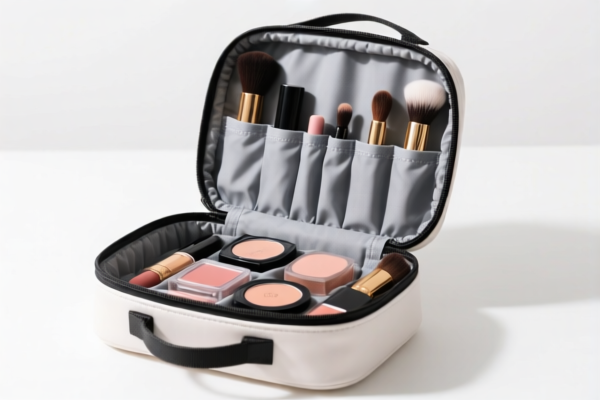

AI Analysis
🧴 Cosmetic Organiser (Beauty & Personal Care Storage)
🌐 HS Code Reference & Customs Clearance Guide | 2026 Latest Tariff Analysis | Professional Clearance Strategy
📌 I. Product Definition & Classification: Do You Really Know "Cosmetic Organiser"?
Cosmetic Organisers are essential storage solutions for makeup, skincare, and toiletries. In international trade, their classification depends heavily on material composition and specific intended use (e.g., general storage vs. jewelry/specialized cases). Misclassification can lead to significant tariff discrepancies (from ~21% to >50%).
⚠️ Key Distinction Point:
- Plastic/Material-Neutral: General storage boxes → Classified under Chapter 39 (Plastics) or 8306 (Metal accessories).
- Textile/Fabric Outer: Tote-style or fabric-covered cases → Classified under Chapter 42 (Articles of Leather/Textiles).
- Wood/Metal: High-end decorative boxes → Classified under Chapter 44 (Wood) or Chapter 73/83 (Metal).
📦 II. HS Code Classification Details (Based on Provided Data)
| HS Code | Product Description | Key Characteristics | Estimated Total Tax* |
|---|---|---|---|
3926.90.10.00 |
Plastic storage boxes, suitable for container use | Pure plastic, rigid, general-purpose | 20.9% |
3926.90.99.89 |
Other plastic articles, no specific form/conflict | Generic plastic items, no specific shape | 22.8% |
4202.92.93.15 |
Containers with outer surface of textile materials | Fabric, canvas, or textile-covered | 52.6% |
4202.92.60.10 |
Jewelry boxes and similar containers | Plastic/textile mix, often for cosmetics/jewelry | 41.3% |
4420.90.80.00 |
Wooden containers | Wooden boxes, fits jewelry/utensil descriptions | 38.2% |
* Note: Taxes calculated based on US Import Duties for Chinese Origin (CN) including Base Duty, Section 301 Additional Duty, and Section 122 Duty.
💰 III. 2026 Latest Tariff Rate Breakdown (Detailed Policy)
✅ Applicable Country: United States (US)
✅ Country of Origin: China (CN)
✅ Effective Date: Current applicable rates including Section 301 & 122 measures
🎯 1. 3926.90.10.00 —— Plastic Storage Box (Most Common)
| Item | Details |
|---|---|
| Base Duty | 3.4% |
| Section 301 Add-on | 7.5% |
| Section 122 Add-on | 10% |
| Total Tax Rate | 20.9% |
| Calculation | CIF Value × 20.9% |
| De Minimis Exemption | ❌ Not Applicable (Section 301/122 duties often exempt de minimis for China) |
| Legal Path | HTS:3926.90.10.00 → Note: 301(7.5%) + 122(10%) |
📌 Explanation:
- This is the most cost-effective classification for standard plastic acrylic or polymer cosmetic cases.
- The "122条款" (Section 122) adds an extra 10%, bringing the total to a manageable ~21%.
🎯 2. 3926.90.99.89 —— Other Plastic Articles (Generic)
| Item | Details |
|---|---|
| Base Duty | 5.3% |
| Section 301 Add-on | 7.5% |
| Section 122 Add-on | 10% |
| Total Tax Rate | 22.8% |
| Calculation | CIF Value × 22.8% |
| De Minimis Exemption | ❌ Not Applicable |
| Legal Path | HTS:3926.90.99.89 → Note: 301(7.5%) + 122(10%) |
📌 Note:
- Use this only if the product does not fit the specific "storage box" description of3926.90.10.00.
- Slightly higher tax (22.8% vs 20.9%) due to higher base duty (5.3%).
🎯 3. 4202.92.93.15 —— Textile Outer Surface Container (Highest Tax)
| Item | Details |
|---|---|
| Base Duty | 17.6% |
| Section 301 Add-on | 25.0% |
| Section 122 Add-on | 10% |
| Total Tax Rate | 52.6% |
| Calculation | CIF Value × 52.6% |
| De Minimis Exemption | ❌ Not Applicable |
| Legal Path | HTS:4202.92.93.15 → Note: 301(25%) + 122(10%) |
📌 Warning:
- If your cosmetic bag/organiser has a fabric, canvas, or textile outer layer, even if plastic-lined, it falls here.
- 52.6% is extremely high. Many exporters avoid this by choosing plastic-only designs.
🎯 4. 4202.92.60.10 —— Jewelry/Similar Boxes (Plastic/Textile Mix)
| Item | Details |
|---|---|
| Base Duty | 6.3% |
| Section 301 Add-on | 25.0% |
| Section 122 Add-on | 10% |
| Total Tax Rate | 41.3% |
| Calculation | CIF Value × 41.3% |
| De Minimis Exemption | ❌ Not Applicable |
| Legal Path | HTS:4202.92.60.10 → Note: 301(25%) + 122(10%) |
📌 Explanation:
- This code is for "jewelry boxes or similar containers" made of plastic or textile.
- If your cosmetic organiser is marketed as a "Jewelry Box" or "Makeup Vanity Case" with rigid structure, this may apply.
- Lower base duty (6.3%) but high Section 301 (25%) makes it moderate.
🎯 5. 4420.90.80.00 —— Wooden Containers
| Item | Details |
|---|---|
| Base Duty | 3.2% |
| Section 301 Add-on | 25.0% |
| Section 122 Add-on | 10% |
| Total Tax Rate | 38.2% |
| Calculation | CIF Value × 38.2% |
| De Minimis Exemption | ❌ Not Applicable |
| Legal Path | HTS:4420.90.80.00 → Note: 301(25%) + 122(10%) |
📌 Explanation:
- For wooden cosmetic or jewelry boxes.
- High Section 301 duty (25%) applies to wooden products from China.
🛠️ IV. Customs Clearance Practical Advice (Avoid Pitfalls)
✅ 1. Material Determination is Critical
| Material | Recommended HS Code | Tax Rate | Strategy |
|---|---|---|---|
| 100% Plastic (Acrylic, PP, ABS) | 3926.90.10.00 |
20.9% | ✅ Best Option – Lowest tax. Use clear plastic or rigid polymer. |
| Fabric/Canvas Outer | 4202.92.93.15 |
52.6% | ❌ Avoid unless unique selling point. Very high tax. |
| Wood | 4420.90.80.00 |
38.2% | ⚠️ Moderate. Good for luxury branding, but high tax. |
| Mixed Plastic/Textile (Jewelry Box style) | 4202.92.60.10 |
41.3% | ⚠️ Check if it qualifies as "Jewelry Box". If not, may be misclassified. |
🔍 Key Tip:
- If the outer surface is textile, even slightly, customs may classify it under Chapter 42.
- To stay in Chapter 39 (Plastics), ensure the outer surface is predominantly plastic or polymer.
✅ 2. Declaration Tips
🔥 "Material First, Function Second, Name Precise!"
| Scenario | Correct Declaration | Wrong Declaration |
|---|---|---|
| Clear Acrylic Organizer | "Plastic Cosmetic Storage Box, Model XYZ" | "Fabric Makeup Bag" → 52.6% |
| Wooden Vanity Box | "Wooden Jewelry/Cosmetic Box, Solid Wood" | "Plastic Container" → Misclassification |
| Fabric Cosmetic Pouch | "Textile Outer Cosmetic Case" | "Plastic Organizer" → Penalties |
✅ 3. Special Considerations
| Situation | Advice |
|---|---|
| Multi-Material Products | If plastic + fabric, declare the outermost material. Fabric = Chapter 42. |
| Sets (Organizer + Mirrors + Brushes) | Declare the main component (usually the organizer box). Do not split unless necessary. |
| Luxury Branding | Wooden or metal boxes may attract higher scrutiny. Provide material certificates. |
| Section 122 Impact | All China-origin goods face an extra 10%. Factor this into pricing. |
🌍 V. Global Market Comparison (2026)
| Market | Recommended HS Code | Tax (China Origin) | Notes |
|---|---|---|---|
| 🇺🇸 USA | 3926.90.10.00 |
20.9% | Best for plastic. Avoid textile (52.6%). |
| 🇨🇳 China | 3926.90.10.00 |
~5% | Low tax, easy clearance. |
| 🇪🇺 EU | 3926.90.10.00 |
~4% + VAT | No Section 301/122. Favorable for plastic. |
| 🇬🇧 UK | 3926.90.10.00 |
~4% + VAT | Post-Brexit rules apply. Plastic is low-risk. |
📌 Conclusion:
- USA is the toughest market due to Section 301 and 122 duties.
- Plastic (3926.90.10.00) is the safest and cheapest route for cosmetics organizers.
- Textile/Wood options face double-digit additional tariffs.
📌 VI. Common Mistakes & Pitfalls (Lessons Learned)
❌ Mistake 1: Declaring a fabric cosmetic bag as "Plastic Organizer"
👉 Result: Customs reclassifies to 4202.92.93.15 → 52.6% tax + fines.
❌ Mistake 2: Not disclosing mixed materials
👉 Result: Delayed clearance, request for additional documentation, or penalties.
❌ Mistake 3: Using "Miscellaneous Plastic Article" (3926.90.99.89) when 3926.90.10.00 applies
👉 Result: Paying 22.8% instead of 20.9% unnecessarily.
❌ Mistake 4: Ignoring Section 122 (10%) in cost calculations
👉 Result: Margin erosion. Many forget this additional duty.
✅ Correct Practice:
"Clear Acrylic Cosmetic Organizer, 100% Plastic, No Fabric Lining, Model XYZ, Plastic Storage Box"
🎯 VII. Conclusion: Smart Classification, Lower Costs, Faster Clearance
🎯 Remember the Rule:
🔹 "Plastic Wins: 20.9% is the Gold Standard."
🔹 "Fabric Fails: 52.6% will kill your margin."
🔹 "Wood is Moderate: 38.2% for luxury vibes."📌 Pro Tip:
If you must use fabric, consider reducing its visibility (e.g., plastic interior, fabric only on handles) to argue for plastic classification. However, ensure compliance with customs regulations.
📣 Immediate Action:
📞 Consult a Customs Broker: Confirm material composition.
📦 Label Clearly: "100% Plastic Cosmetic Organizer".
🚀 Optimize Design: Choose plastic over fabric to save ~30% in taxes.
✨ Professional clearance starts with precise classification!
💼 Your profit margin depends on this 1% difference!
Customer Reviews
About HS Code Classification
The Harmonized System (HS) is an internationally standardized nomenclature developed by the World Customs Organization (WCO) to classify traded products. Over 200 countries use the HS system as the basis for customs tariffs, trade statistics, and import/export regulations.
Each HS code follows a hierarchical structure:
- Chapter (2 digits) — Broad category of goods (e.g., Chapter 84: Machinery and Mechanical Appliances)
- Heading (4 digits) — More specific grouping within the chapter
- Subheading (6 digits) — Internationally standardized breakdown, used by all WCO member countries
- National subdivisions (8-10 digits) — Country-specific extensions for further classification, such as US HTSUS 10-digit codes
Correct HS code classification is essential for smooth customs clearance, accurate duty payment, and compliance with trade regulations. Misclassification can lead to customs delays, overpayment of duties, or penalties.
When importing from CN to US, the applicable tariff rates may include:
- Most-Favored-Nation (MFN) rate — The standard duty rate applied to WTO members
- General rate — Applied to countries without trade agreements
- Trade remedy duties — Additional tariffs such as Section 301 (anti-dumping), Section 232 (national security), or countervailing duties
The information provided on this page is for reference purposes only. For official classification, please consult with your local customs authority or a licensed customs broker.