Cotton Bedding Fabric
CN → US| HS Code | Tariff Rate | Origin | Destination | Doc |
|---|---|---|---|---|
| 5208118090 | 45.5% | CN | US | Official Doc |
| 5209210035 | 42.7% | CN | US | Official Doc |
| 5209316035 | 43.4% | CN | US | Official Doc |
| 5208216090 | 46.5% | CN | US | Official Doc |
| 5209210050 | 42.7% | CN | US | Official Doc |
Product Images
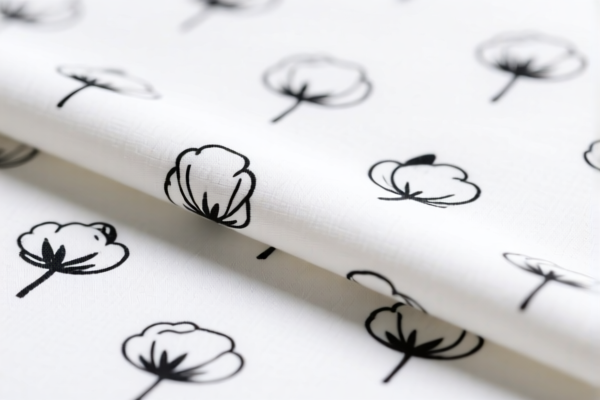
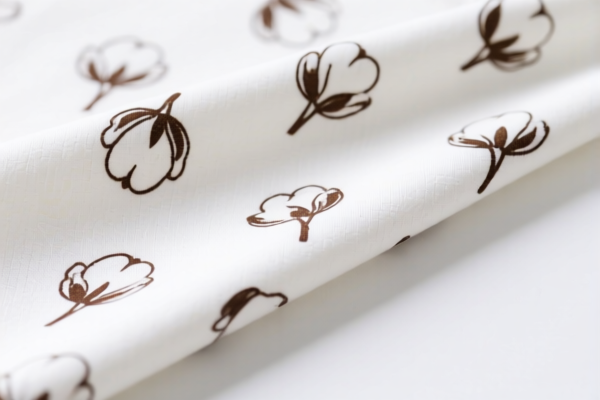
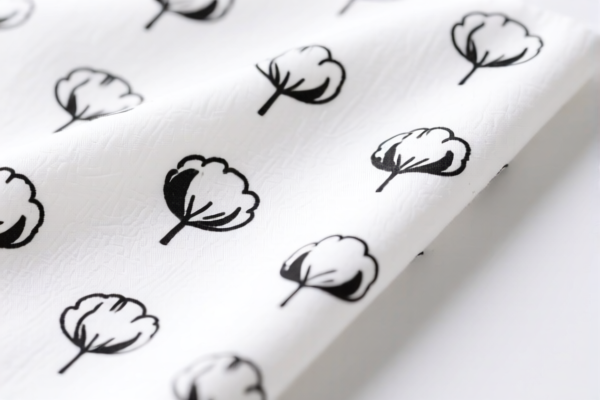
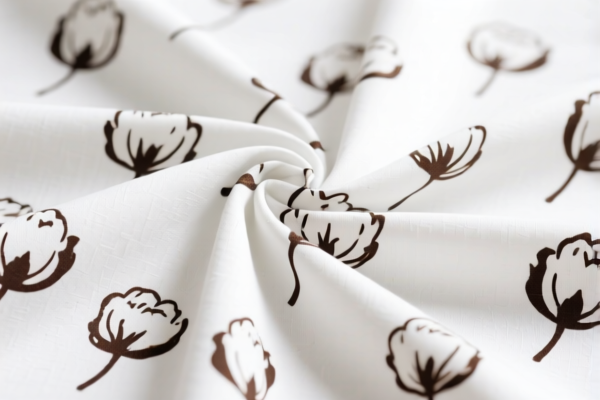
AI Analysis
🧵 Cotton Bedding Fabric (Textile Classification & Tariff Guide)
🌐 HS Code Reference & Customs Clearance Strategy | 2026 Latest Tariff Analysis | Professional Clearance Guidelines
📌 I. Product Definition: What Exactly is "Cotton Bedding Fabric"?
Cotton bedding fabric refers to woven textile materials made primarily from cotton fibers, specifically designed or commonly used for household bedding applications such as sheets, pillowcases, duvet covers, and blankets. In international trade, classification depends heavily on two factors: 1. Weave Structure: Is it a plain weave, twill, sateen, or other specific weave types? 2. Cotton Content: Is it 100% cotton, or a blend with specific thresholds (e.g., >85%)?
⚠️ Key Distinction Point:
- If the fabric is 100% cotton and meets specific weight/weave criteria → It falls under Chapter 52 (Cotton Textiles).
- If the fabric contains ≤85% cotton or is blended with synthetic fibers → It may fall under different subheadings, but for this guide, we focus on the 100% cotton variants listed in the provided data.
📦 II. HS Code Classification Details (2026 Latest Tariff Alignment)
Based on the provided data, here are the specific HS Codes for cotton bedding fabrics, categorized by weave type and cotton content.
| HS Code | Product Description | Key Attributes | Primary Use Case |
|---|---|---|---|
5208.11.80.90 |
Cotton Woven Fabric, 100% Cotton | Pure cotton, plain weave characteristics | General cotton bed sheets, basic bedding |
5209.21.00.35 |
Cotton Woven Fabric, >85% Cotton | High cotton content (85%+), plain weave | Premium cotton sheets, breathable bedding |
5209.31.60.35 |
Cotton Woven Fabric, Specific Weave | Cotton fabric, plain weave/twill for bedding | Sateen sheets, durable bedding fabrics |
5208.21.60.90 |
Cotton Woven Fabric, Plain Weave | Plain weave cotton, specific weight class | Standard weight bed linens |
5209.21.00.50 |
Cotton Woven Fabric, High Cotton Content | Cotton ≥85%, plain weave structure | High-end hotel bedding, luxury sheets |
🔍 Critical Note:
- All listed HS Codes are for Cotton Woven Fabrics (Chapter 52).
- The classification hinges on weave type (Plain, Twill, etc.) and cotton percentage.
- Bedding-specific attributes (e.g., "sateen," "plain weave") must be clearly declared to avoid misclassification.
💰 III. 2026 Latest Tariff Rate Breakdown (Including Additional Duties & Policies)
✅ Applicable Country: United States (US)
✅ Origin: China (CN)
✅ Effective Date: From November 10, 2025 (and subsequent imports)
🎯 1. 5208.11.80.90 — 100% Cotton Woven Fabric (General)
| Item | Details |
|---|---|
| Base Duty Rate | 10.5% (Ad Valorem) |
| Section 301 Additional Duty | +25.0% |
| Section 122 Duty | +10.0% |
| Total Effective Tax Rate | 45.5% |
| Tax Calculation Basis | CIF Value × 45.5% |
| De Minimis Exemption | ❌ Not Eligible (Due to Section 301 & 122 duties) |
| Legal Basis Path | Section 301: Footnote 9903.88.01 → Section 122: IEEPA 9903.01.24 → USITC: 5208.11.80.90 |
📌 Explanation:
- Base Duty (10.5%): Standard MFN (Most Favored Nation) rate for cotton fabrics.
- Section 301 (25%): Additional tariff imposed on Chinese goods under the US Trade Act.
- Section 122 (10%): Additional tariff under the International Emergency Economic Powers Act (IEEPA) targeting specific Chinese textile imports.
- Total: 45.5%. This is a high-cost category. Proper documentation is essential to avoid delays.
🎯 2. 5209.21.00.35 & 5209.21.00.50 — High Cotton Content Fabrics (>85%)
| Item | Details |
|---|---|
| Base Duty Rate | 7.7% (Ad Valorem) |
| Section 301 Additional Duty | +25.0% |
| Section 122 Duty | +10.0% |
| Total Effective Tax Rate | 42.7% |
| Tax Calculation Basis | CIF Value × 42.7% |
| De Minimis Exemption | ❌ Not Eligible |
| Legal Basis Path | Section 301: Footnote 9903.88.01 → Section 122: IEEPA 9903.01.24 → USITC: 5209.21.00.xx |
📌 Note:
- These codes apply to cotton fabrics with >85% cotton content.
- The base duty is slightly lower (7.7% vs 10.5%) due to specific weave/weight classifications, but Section 301 and 122 duties remain flat at 25% and 10% respectively.
- Total: 42.7%. Slightly more favorable than the 100% general category, but still high.
🎯 3. 5209.31.60.35 — Cotton Woven Fabric (Bedding Specific Weave)
| Item | Details |
|---|---|
| Base Duty Rate | 8.4% (Ad Valorem) |
| Section 301 Additional Duty | +25.0% |
| Section 122 Duty | +10.0% |
| Total Effective Tax Rate | 43.4% |
| Tax Calculation Basis | CIF Value × 43.4% |
| De Minimis Exemption | ❌ Not Eligible |
| Legal Basis Path | Section 301: Footnote 9903.88.01 → Section 122: IEEPA 9903.01.24 → USITC: 5209.31.60.35 |
📌 Note:
- This code is for cotton fabrics with specific weave properties suitable for bedding (e.g., sateen, twill).
- Total: 43.4%. A middle-ground rate between the two >85% categories and the 100% general category.
🎯 4. 5208.21.60.90 — Plain Weave Cotton Fabric
| Item | Details |
|---|---|
| Base Duty Rate | 11.5% (Ad Valorem) |
| Section 301 Additional Duty | +25.0% |
| Section 122 Duty | +10.0% |
| Total Effective Tax Rate | 46.5% |
| Tax Calculation Basis | CIF Value × 46.5% |
| De Minimis Exemption | ❌ Not Eligible |
| Legal Basis Path | Section 301: Footnote 9903.88.01 → Section 122: IEEPA 9903.01.24 → USITC: 5208.21.60.90 |
📌 Note:
- This code has the highest total tax rate (46.5%) due to its higher base duty (11.5%).
- It applies to plain weave cotton fabrics that do not fit into the other specific categories.
- High Cost Alert: Prioritize optimizing the HS Code classification to avoid this rate if possible.
🛠️ IV. Customs Clearance Practical Advice (Avoid Pitfalls)
✅ 1. Essential Documentation Checklist (Mandatory)
| Document | Required | Purpose |
|---|---|---|
| ✅ Commercial Invoice | ✔️ | Must clearly state "Cotton Woven Fabric," composition, and HS Code. |
| ✅ Packing List | ✔️ | Detail roll dimensions, weight, and quantity. |
| ✅ Certificate of Origin (CO) | ✔️ | Critical for proving Chinese origin (triggers Section 301/122). |
| ✅ Product Specification Sheet | ✔️ | Must include: Cotton %, Weave Type (Plain/Twill/Sateen), GSM (Grams per Square Meter), Width. |
| ✅ Laboratory Test Report | ✔️ | Third-party verification of cotton content (e.g., >85% vs 100%). |
| ✅ Letter of Authorization (if OEM) | ✔️ | If branding is involved, clarify ownership. |
✅ 2. Declaration Tips (Key Mantra)
🔥 "Weave Matters, Cotton % is King, Don't Split the Rolls, Declare as One Lot!"
| Scenario | Correct Declaration | Wrong Practice |
|---|---|---|
| Mixed Weaves in One Shipment | Declare each HS Code separately on the invoice. | Bundle all under one code → Audit Risk |
| Cotton Content Dispute | Provide lab test report showing >85% or 100%. | Guessing → Customs Rejection |
| Bundling with Non-Fabric Items | Declare fabric only. Accessories (e.g., tags) separately. | Bundle with zippers/buttons → Misclassification |
| Using Generic Names | "100% Cotton Plain Weave Woven Fabric" | "Bedding Cloth" → Vague, leads to delay |
✅ 3. Special Case Handling
| Situation | Handling Advice |
|---|---|
| Sample Shipments | Still subject to full duties. Do not use "Sample" to avoid taxes. |
| Returns/Replacements | Must provide proof of original shipment and reason for return to claim duty relief. |
| Transshipment | If routed through Vietnam/Malaysia, ensure No Substantial Transformation occurred. Otherwise, Country of Origin remains China, and duties still apply. |
| High-Value Shipments | Consider Advance Ruling from US CBP to confirm HS Code and duty liability before shipment. |
🌍 V. Global Market Comparison (2026 Latest)
| Country/Region | Recommended HS Code | Tariff (CN Origin) | Certification Requirements | Notes |
|---|---|---|---|---|
| 🇺🇸 USA | 5208.11.80.90 etc. |
42.7% – 46.5% | None specific for fabric | High tariffs due to Section 301 & 122 |
| 🇨🇳 China | 5208.11.80.90 etc. |
5% – 8% | None | Low import duty for domestic sale |
| 🇪🇺 EU | 5208.11.80.90 etc. |
6.5% | REACH, OEKO-TEX (if applicable) | No Section 301 equivalent |
| 🇬🇧 UK | 5208.11.80.90 etc. |
6.5% | UKCA (if finished goods) | Post-Brexit tariff alignment with EU |
| 🇯🇵 Japan | 5208.11.80.90 etc. |
6.0% | JIS Standard (if applicable) | Free Trade Agreement with ASEAN may help if transshipped (verify rules of origin) |
📌 Conclusion:
- The US is the most expensive market for Chinese cotton bedding fabric due to Section 301 and Section 122 duties.
- Total tariffs range from 42.7% to 46.5%, significantly impacting profit margins.
- China, EU, UK, and Japan have much lower base tariffs, making them more competitive for direct exports.
📌 VI. Common Mistakes & Pitfalls (Lessons Learned)
❌ Mistake 1: Claiming "Bedding" instead of "Fabric"
👉 Consequence: If the fabric is not yet cut/sewn, it is fabric, not "bedding sets." Misclassification can lead to penalties.
❌ Mistake 2: Ignoring Section 122 Duties
👉 Consequence: Assuming only Section 301 (25%) applies. Section 122 adds another 10%, increasing the total cost unexpectedly.
❌ Mistake 3: Incorrect Cotton Percentage Declaration
👉 Consequence: Declaring 100% cotton when it is 85% → HS Code change → Different duty rate → Underpayment Penalty.
❌ Mistake 4: Using "Textile" as a Generic Description
👉 Consequence: Customs will request clarification, causing delays and storage fees. Be specific: "Woven Cotton Fabric, Plain Weave, 100% Cotton."
✅ Best Practice:
"100% Cotton Woven Fabric, Plain Weave, 120 GSM, White, Roll Packed, Model XYZ, Origin: China, HS Code: 5208.11.80.90"
🎯 VII. Conclusion: Professional Clearance, Cost Optimization!
🎯 Remember the Mantra:
🔹 "Weave Defines Code, Cotton % Sets Rate, 301+122 Add 35%, Check Total Tax First!"
🔹 "HS Code is Life, Tariff Difference is Money, Declare Accurately or Pay More!"
📌 Pro Tip:
If your fabric is originating from Vietnam, Malaysia, or Thailand (and meets Rules of Origin), you may qualify for lower or zero Section 301/122 duties.
Recommendation:
📞 Consult a Customs Broker + Provide Lab Test Reports + Apply for Advance Ruling
🚀 Ensure your cotton bedding fabric clears smoothly, reduces costs, and maximizes profits!
✨ Professional Clearance Starts with Accurate Classification!
💼 Every Dollar Saved is Profit Earned!
Customer Reviews
About HS Code Classification
The Harmonized System (HS) is an internationally standardized nomenclature developed by the World Customs Organization (WCO) to classify traded products. Over 200 countries use the HS system as the basis for customs tariffs, trade statistics, and import/export regulations.
Each HS code follows a hierarchical structure:
- Chapter (2 digits) — Broad category of goods (e.g., Chapter 84: Machinery and Mechanical Appliances)
- Heading (4 digits) — More specific grouping within the chapter
- Subheading (6 digits) — Internationally standardized breakdown, used by all WCO member countries
- National subdivisions (8-10 digits) — Country-specific extensions for further classification, such as US HTSUS 10-digit codes
Correct HS code classification is essential for smooth customs clearance, accurate duty payment, and compliance with trade regulations. Misclassification can lead to customs delays, overpayment of duties, or penalties.
When importing from CN to US, the applicable tariff rates may include:
- Most-Favored-Nation (MFN) rate — The standard duty rate applied to WTO members
- General rate — Applied to countries without trade agreements
- Trade remedy duties — Additional tariffs such as Section 301 (anti-dumping), Section 232 (national security), or countervailing duties
The information provided on this page is for reference purposes only. For official classification, please consult with your local customs authority or a licensed customs broker.