Cotton Blend Home Textile Fabric
CN → US| HS Code | Tariff Rate | Origin | Destination | Doc |
|---|---|---|---|---|
| 5211190090 | 42.7% | CN | US | Official Doc |
| 5513110060 | 49.9% | CN | US | Official Doc |
| 5514210020 | 49.9% | CN | US | Official Doc |
| 5513190090 | 24.9% | CN | US | Official Doc |
| 5211110035 | 42.7% | CN | US | Official Doc |
| 5514110020 | 49.9% | CN | US | Official Doc |
Product Images
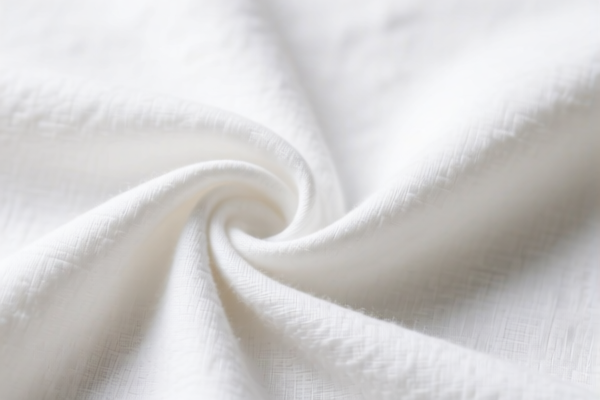
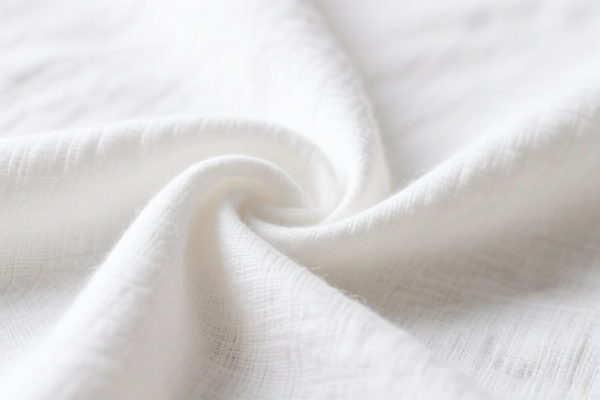
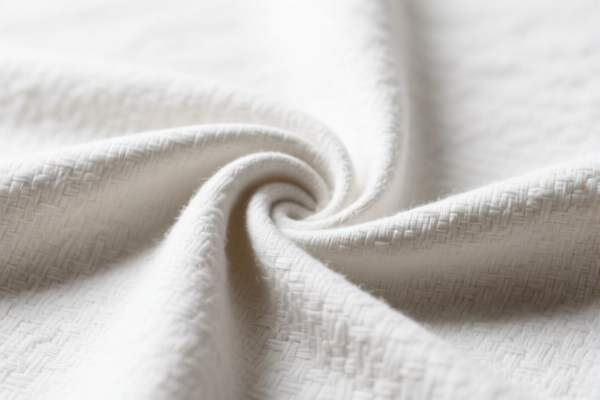
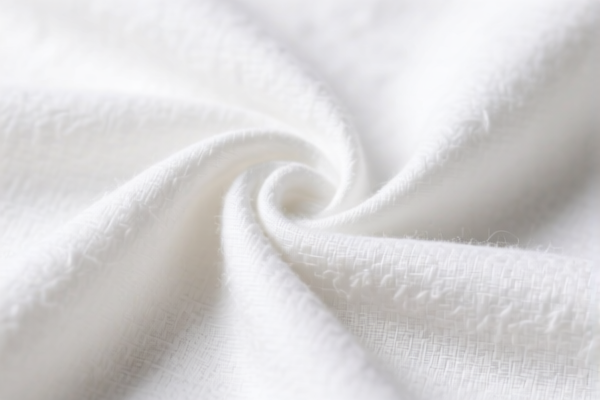
AI Analysis
🌿 Cotton Blend Home Textile Fabric
🌐 HS Code Reference & Customs Clearance Guide | 2026 Latest Tariff Breakdown | Pro-Level Import Strategy
📌 One, Product Definition & Classification: What Exactly Is “Cotton Blend Home Textile Fabric”?
Cotton blend home textile fabric refers to woven or knitted fabrics used in household applications — such as curtains, bed linens, tablecloths, upholstery, and decorative textiles — where cotton is mixed with other fibers, but does not constitute 85% or more by weight. These fabrics are not pure cotton, nor are they fully synthetic; they are engineered blends for cost-efficiency, durability, and aesthetic appeal.
⚠️ Critical Distinction: - If cotton content ≥ 85% → Pure cotton (lower tariffs) - If cotton content < 85% AND synthetic fiber content < 85% → Cotton blend, subject to higher tariffs under U.S. trade enforcement - Must match fabric form (e.g., woven, knitted) and fiber composition precisely
📦 Two, HS Code Classification Details (2026 Latest Tariff Authority)
| HS Code | Product Description | Key Conditions | Tax Risk Level |
|---|---|---|---|
5211.19.00.90 |
Cotton blend woven fabric, cotton <85%, no material/shape conflict | Woven, cotton <85%, synthetic <85% | 🔴 High |
5513.11.00.60 |
Cotton blend fabric, synthetic fiber <85%, primarily or exclusively blended with cotton | Woven or knitted, synthetic <85%, cotton dominant | 🔴 High |
5514.21.00.20 |
Cotton blend fabric based on cotton blend characteristics, no material/shape conflict | Similar to above; no contradiction in classification | 🔴 High |
5513.19.00.90 |
Cotton blend fabric, synthetic short fiber <85%, primarily or exclusively blended with cotton | Synthetic short fibers (e.g., polyester staple), cotton <85% | 🟡 Medium |
5211.11.00.35 |
Cotton blend woven fabric, cotton <85%, conforms to woven fabric form | Must be woven; cotton <85% | 🔴 High |
🔍 Important Note:
All these codes apply only if the fabric is not pure cotton and not fully synthetic.
Misclassification leads to overpayment, penalties, or seizure.
💰 Three, 2026 Latest Tariff Breakdown (With Add-on Taxes & Legal Basis)
✅ Applicable Country: United States (US)
✅ Origin: China (CN)
✅ Effective Date: November 10, 2025 (and ongoing)
🎯 1. 5211.19.00.90 — Cotton Blend Woven Fabric (Cotton <85%)
| Item | Detail |
|---|---|
| Base Tariff | 7.7% (ad valorem) |
| USITC Section 301 Additional Duty | +25.0% |
| Section 122 (IEEPA) Additional Duty | +10.0% |
| Total Effective Duty | 42.7% |
| Tax Calculation | CIF Value × 42.7% |
| De Minimis Exemption? | ❌ No (denied under U.S. law) |
| Legal Basis Path | IEEPA:9903.01.25 → IEEPA:9903.01.24 → USITC:5211.19.00.90 → FOOTNOTE:9903.88.01 |
📌 Explanation: - USITC 25%: Imposed under Section 301 of the Trade Act of 1974 due to China’s IP practices. - IEEPA 10%: From the International Emergency Economic Powers Act, targeting China/Hong Kong. - Total 42.7% — one of the highest tariff burdens in textile sector.
🎯 2. 5513.11.00.60 — Cotton Blend Fabric (Synthetic Fiber <85%)
| Item | Detail |
|---|---|
| Base Tariff | 14.9% |
| USITC Section 301 Additional Duty | +25.0% |
| Section 122 (IEEPA) Additional Duty | +10.0% |
| Total Effective Duty | 49.9% |
| Tax Calculation | CIF × 49.9% |
| De Minimis Exemption? | ❌ No |
| Legal Basis Path | IEEPA:9903.01.25 → IEEPA:9903.01.24 → USITC:5513.11.00.60 → FOOTNOTE:9903.88.01 |
📌 Key Insight: - Higher base tariff (14.9%) due to synthetic fiber content. - Even if cotton is dominant, any synthetic fiber <85% triggers this code. - Highest tariff in the list — nearly 50%.
🎯 3. 5514.21.00.20 — Cotton Blend Fabric (Based on Blend Characteristics)
| Item | Detail |
|---|---|
| Base Tariff | 14.9% |
| USITC Section 301 Additional Duty | +25.0% |
| Section 122 (IEEPA) Additional Duty | +10.0% |
| Total Effective Duty | 49.9% |
| Tax Calculation | CIF × 49.9% |
| De Minimis Exemption? | ❌ No |
| Legal Basis Path | IEEPA:9903.01.25 → IEEPA:9903.01.24 → USITC:5514.21.00.20 → FOOTNOTE:9903.88.01 |
📌 Why This Code Applies: - Used when the fabric is clearly a cotton blend, and no material or form conflict exists. - Common for blended weaves with polyester/cotton ratios like 60/40 or 55/45. - Same rate as
5513.11.00.60— 49.9%.
🎯 4. 5513.19.00.90 — Cotton Blend Fabric (Synthetic Short Fiber <85%)
| Item | Detail |
|---|---|
| Base Tariff | 14.9% |
| USITC Section 301 Additional Duty | +0.0% |
| Section 122 (IEEPA) Additional Duty | +10.0% |
| Total Effective Duty | 24.9% |
| Tax Calculation | CIF × 24.9% |
| De Minimis Exemption? | ❌ No |
| Legal Basis Path | IEEPA:9903.01.25 → IEEPA:9903.01.24 → USITC:5513.19.00.90 → FOOTNOTE:9903.88.01 |
📌 Why Lower Tax? - No USITC 301 duty (0%) — likely due to specific footnote or exemption. - Still subject to IEEPA 10%. - Best-case scenario among these codes — only 24.9% total. - Only applies if synthetic short fibers are <85% and no other conflict.
🎯 5. 5211.11.00.35 — Cotton Blend Woven Fabric (Cotton <85%, Woven Form)
| Item | Detail |
|---|---|
| Base Tariff | 7.7% |
| USITC Section 301 Additional Duty | +25.0% |
| Section 122 (IEEPA) Additional Duty | +10.0% |
| Total Effective Duty | 42.7% |
| Tax Calculation | CIF × 42.7% |
| De Minimis Exemption? | ❌ No |
| Legal Basis Path | IEEPA:9903.01.25 → IEEPA:9903.01.24 → USITC:5211.11.00.35 → FOOTNOTE:9903.88.01 |
📌 Same as
5211.19.00.90— but specifically for woven fabric. - Must confirm fabric type is woven, not knitted. - 42.7% — still very high.
🛠️ Four, Customs Clearance Best Practices (Pro Tips to Avoid Penalties)
✅ 1. Required Documentation (Must-Have List)
| Document | Required? | Why It Matters |
|---|---|---|
| ✅ Product Specification Sheet | ✔️ | Includes fiber composition, weight, weave type, GSM |
| ✅ Fabric Test Report (Lab) | ✔️ | Proves cotton/synthetic % (e.g., ASTM D3171, ISO 1833) |
| ✅ High-Res Product Photos | ✔️ | Shows weave, texture, labeling, packaging |
| ✅ Commercial Invoice | ✔️ | Must state “Cotton Blend Woven Fabric, <85% Cotton” |
| ✅ Certificate of Origin (CO) | ✔️ | Critical for tariff eligibility |
| ✅ Packing List | ✔️ | Clarifies bulk vs. piece count, weight per roll |
| ✅ HS Code Pre-Ruling (Optional but Recommended) | ✔️ | Prevents disputes and delays |
✅ 2.申报技巧(Key Rules to Remember)
🔥 “Blend <85%, Tax 49.9% — Know the Code, Avoid the Trap!”
| Scenario | Correct HS Code | Wrong Code | Risk |
|---|---|---|---|
| Cotton 70%, Polyester 30%, Woven | 5211.19.00.90 or 5211.11.00.35 |
5208.52.00.00 (pure cotton) |
42.7% → 0% → huge loss |
| Cotton 60%, Polyester 40%, Knitted | 5513.11.00.60 or 5514.21.00.20 |
5516.10.00.00 (synthetic) |
49.9% → 0% → overpaid |
| Cotton 75%, Rayon 25%, Woven | 5211.19.00.90 |
5513.11.00.60 |
42.7% vs 49.9% → cost difference |
| Cotton 70%, Polyester Staple 30% | 5513.19.00.90 |
5513.11.00.60 |
24.9% vs 49.9% → huge saving |
📌 Golden Rule:
- If synthetic fiber is short staple (e.g., polyester staple) → Check for5513.19.00.90— only 24.9%! - If synthetic is filament or blended in yarn form → Likely 49.9%.
✅ 3. Special Cases & Workarounds
| Situation | Solution |
|---|---|
| Fabric has 85% cotton | Use 5208.52.00.00 — 0% tariff (pure cotton) |
| Fabric is 100% synthetic | Use 5516.10.00.00 — 0% tariff (no 301/IEEPA) |
| Origin is Vietnam/Mexico/Thailand | Apply for IEEPA exemption → 0% or 5% |
| Fabric used in U.S. military or government contracts | Apply for special use exemption — possible tariff relief |
| Small shipment (<$2,000) | Still no de minimis — must pay full 42.7%+ |
🌍 Five, Global Market Tariff Comparison (2026)
| Country/Region | Recommended HS Code | Tariff | Certification | Notes |
|---|---|---|---|---|
| 🇺🇸 USA | 5211.19.00.90 etc. |
24.9%–49.9% | None | No de minimis, high risk |
| 🇨🇳 China | 5211.19.00.90 |
5% | CCC | No extra duties |
| 🇪🇺 EU | 5211.19.00.90 |
0% (if CE) | CE | No 301/IEEPA |
| 🇦🇺 Australia | 5211.19.00.90 |
5% | RCM | No extra duties |
| 🇯🇵 Japan | 5211.19.00.90 |
0% | PSE | No extra duties |
📌 Insight:
- Only the U.S. imposes 301 + IEEPA tariffs on cotton blends from China. - All other major markets have no additional duties.
📌 Six, Common Mistakes & How to Avoid Them (Real-World Risks)
❌ Mistake 1: Calling a 70% cotton/30% polyester fabric “cotton” in invoice
👉 Result: Misclassification → 42.7% vs 0% → overpay thousands
❌ Mistake 2: Not distinguishing between staple vs filament synthetic fibers
👉 Result: Pay 49.9% instead of 24.9% — huge cost difference
❌ Mistake 3: Using “cotton blend fabric” without specifying % composition
👉 Result: Customs delays, audits, or seizure
❌ Mistake 4: Assuming “blended fabric” is always high-tariff
👉 Result: Miss the 24.9% code (5513.19.00.90) — wasted money
✅ Correct Declaration Example:
“Cotton Blend Woven Fabric, 70% Cotton, 30% Polyester Staple, Woven, 180 GSM, for Home Textiles, HS Code: 5513.19.00.90, Test Report Attached, CO Origin: China”
🎯 Seven, Final Verdict: Precision Beats Guesswork
🎯 Remember the Rule:
🔹 “Cotton <85%? → Check synthetic fiber type!”
🔹 “Staple fiber? → 24.9%!”
🔹 “Filament or blended? → 49.9%!”
🔹 “U.S. import? → No de minimis — pay full!”
📌 Pro Tip:
✅ Apply for an HS Code Pre-Ruling (Advance Ruling) with U.S. Customs before shipping.
✅ Use a U.S.-based customs broker with textile expertise.
✅ Always include lab test reports and fiber composition data.
📣 Act Now:
📞 Contact a licensed U.S. customs broker + Submit product specs + Request HS Code pre-ruling
🚀 Avoid penalties, reduce costs, ensure smooth clearance!
✨ Smart Importing Starts with Smart Classification!
💼 Your next shipment’s success depends on one tiny code — get it right!
Customer Reviews
About HS Code Classification
The Harmonized System (HS) is an internationally standardized nomenclature developed by the World Customs Organization (WCO) to classify traded products. Over 200 countries use the HS system as the basis for customs tariffs, trade statistics, and import/export regulations.
Each HS code follows a hierarchical structure:
- Chapter (2 digits) — Broad category of goods (e.g., Chapter 84: Machinery and Mechanical Appliances)
- Heading (4 digits) — More specific grouping within the chapter
- Subheading (6 digits) — Internationally standardized breakdown, used by all WCO member countries
- National subdivisions (8-10 digits) — Country-specific extensions for further classification, such as US HTSUS 10-digit codes
Correct HS code classification is essential for smooth customs clearance, accurate duty payment, and compliance with trade regulations. Misclassification can lead to customs delays, overpayment of duties, or penalties.
When importing from CN to US, the applicable tariff rates may include:
- Most-Favored-Nation (MFN) rate — The standard duty rate applied to WTO members
- General rate — Applied to countries without trade agreements
- Trade remedy duties — Additional tariffs such as Section 301 (anti-dumping), Section 232 (national security), or countervailing duties
The information provided on this page is for reference purposes only. For official classification, please consult with your local customs authority or a licensed customs broker.