Cotton Blend Industrial Fabric
CN → US| HS Code | Tariff Rate | Origin | Destination | Doc |
|---|---|---|---|---|
| 5211190090 | 42.7% | CN | US | Official Doc |
| 5513110060 | 49.9% | CN | US | Official Doc |
| 5514210020 | 49.9% | CN | US | Official Doc |
| 5513190090 | 24.9% | CN | US | Official Doc |
| 5211110035 | 42.7% | CN | US | Official Doc |
| 5514110020 | 49.9% | CN | US | Official Doc |
Product Images
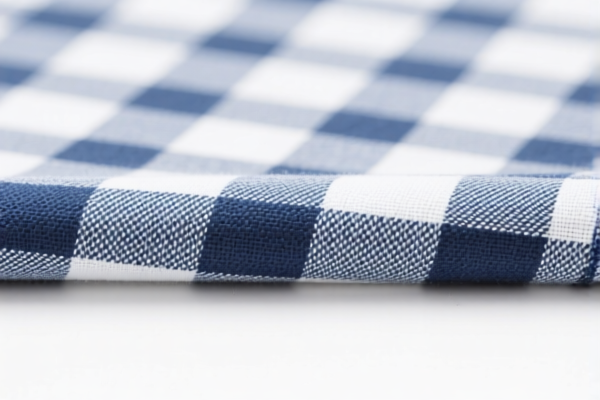
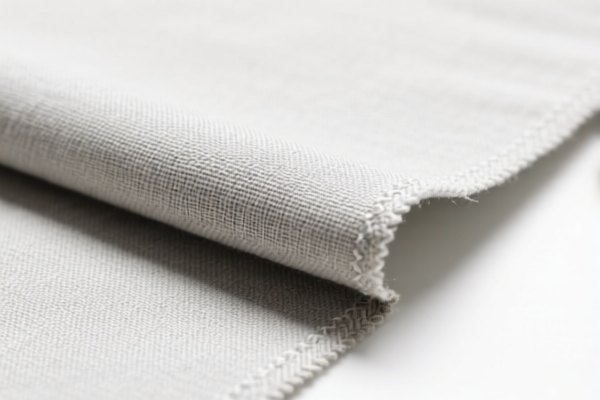
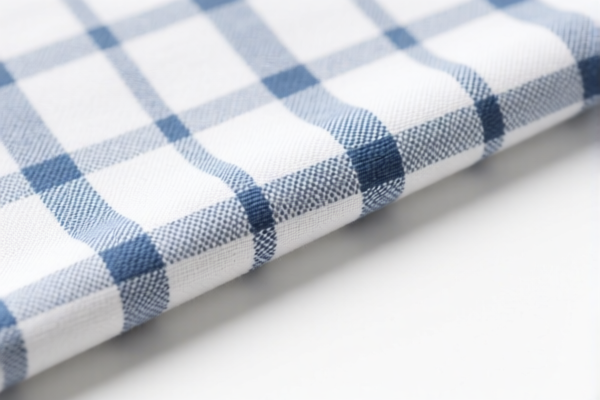
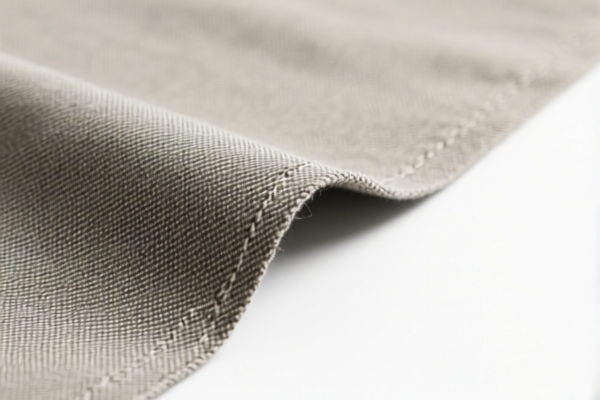
AI Analysis
🌾 Cotton Blend Industrial Fabric
🌐 HS Code Reference & Customs Clearance Guide | 2026 Updated Tariff Analysis | Professional Import Strategy
📌 One, Product Definition & Classification: Do You Really Understand "Cotton Blend Industrial Fabric"?
Cotton blend industrial fabric refers to textile materials used in industrial applications (e.g., conveyor belts, protective clothing, industrial filters, workwear, or technical textiles), where cotton is mixed with other fibers (natural or synthetic) to enhance durability, flame resistance, or performance.
In international trade, these fabrics are not classified as apparel or home textiles — they are treated as industrial materials, and their HS code depends on: - Cotton content - Fiber composition (especially synthetic fiber percentage) - Weaving method (e.g., plain, twill, or specialized weave) - Weight per square meter (g/m²) — though not always required for classification - Whether it’s primarily or exclusively blended with cotton
⚠️ Critical Distinction: - If cotton content < 85%, it cannot be classified under pure cotton codes. - If synthetic fiber content < 85%, it may fall under synthetic blend rules. - No mention of "industrial use" in the description → but actual use must be verified by customs.
📦 Two, HS Code Classification Details (2026 Latest Tariff Authority Match)
| HS Code | Product Description | Applicable Use Case | Key Conditions |
|---|---|---|---|
5211.19.00.90 |
Cotton blend fabric, cotton content < 85%, conforms to woven fabric form | General industrial textiles, workwear, protective gear | ✅ Cotton < 85% ✅ Woven structure ✅ Not specified for high-end or technical use |
5513.11.00.60 |
Cotton blend fabric, synthetic fiber content < 85%, primarily or exclusively blended with cotton | Industrial belts, filters, technical textiles | ✅ Synthetic < 85% ✅ Mainly or only cotton blend ✅ Not pure synthetic |
5514.21.00.20 |
Cotton blend fabric, meets material and form requirements, no specified weight or weaving | General-purpose industrial fabric | ✅ Meets material/shape criteria ✅ No weight or weave details provided |
5513.19.00.90 |
Cotton blend fabric, synthetic short fiber content < 85%, primarily or exclusively blended with cotton | Industrial fabrics with short synthetic fibers | ✅ Synthetic short fibers < 85% ✅ Blended with cotton as main fiber |
5211.11.00.35 |
Cotton blend fabric, cotton content < 85%, conforms to woven fabric form | Industrial use, standard weaving | ✅ Cotton < 85% ✅ Woven structure ✅ Not high-tech or specialized |
🔍 Key Insight: - No single "industrial" HS code exists — classification depends on fiber composition and structure. - Cotton content < 85% → must use codes starting with
5211or5513/5514. - Synthetic fiber < 85% → use5513or5514series.
💰 Three, 2026 Latest Tariff Breakdown (With附加 Taxes & Policy Clauses)
✅ Applicable Country: United States (US)
✅ Origin: China (CN)
✅ Effective Date: November 10, 2025 (and ongoing)
🎯 1. 5211.19.00.90 — Cotton Blend Fabric (Cotton < 85%)
| Item | Details |
|---|---|
| Base Duty | 7.7% (ad valorem) |
| Section 301 Additional Tariff (USITC) | +25.0% |
| Section 122 (IEEPA) Additional Tariff | +10.0% |
| Total Effective Rate | 42.7% |
| Tax Calculation | CIF Value × 42.7% |
| De Minimis Exemption | ❌ Not applicable (denied under U.S. law) |
| Legal Basis Path | IEEPA:9903.01.25 → IEEPA:9903.01.24 → USITC:5211.19.00.90 → FOOTNOTE:9903.88.01 |
📌 Explanation: - USITC 25% = U.S. Trade Representative (USTR) Section 301 tariff on Chinese goods. - IEEPA 10% = International Emergency Economic Powers Act (IEEPA) tariff on goods from China/Hong Kong. - Total 42.7% — extremely high, especially for bulk industrial fabric imports.
🎯 2. 5513.11.00.60 — Cotton Blend Fabric (Synthetic < 85%, Primarily Cotton)
| Item | Details |
|---|---|
| Base Duty | 14.9% |
| Section 301 Additional Tariff (USITC) | +25.0% |
| Section 122 (IEEPA) Additional Tariff | +10.0% |
| Total Effective Rate | 49.9% |
| Tax Calculation | CIF × 49.9% |
| De Minimis Exemption | ❌ Not allowed |
| Legal Basis Path | IEEPA:9903.01.25 → IEEPA:9903.01.24 → USITC:5513.11.00.60 → FOOTNOTE:9903.88.01 |
📌 Note: - Higher base duty (14.9%) due to synthetic fiber content. - Even if cotton is dominant, if synthetic < 85%, it’s still subject to higher tariff. - No exception — even for industrial use.
🎯 3. 5514.21.00.20 — Cotton Blend Fabric (General Form, No Weight/Weave)
| Item | Details |
|---|---|
| Base Duty | 14.9% |
| Section 301 Additional Tariff (USITC) | +25.0% |
| Section 122 (IEEPA) Additional Tariff | +10.0% |
| Total Effective Rate | 49.9% |
| Tax Calculation | CIF × 49.9% |
| De Minimis Exemption | ❌ Not applicable |
| Legal Basis Path | IEEPA:9903.01.25 → IEEPA:9903.01.24 → USITC:5514.21.00.20 → FOOTNOTE:9903.88.01 |
📌 Warning: - Even without weight or weave details, if it’s a cotton blend, it falls under this code. - No flexibility — customs may assume worst-case scenario.
🎯 4. 5513.19.00.90 — Cotton Blend Fabric (Synthetic Short Fiber < 85%)
| Item | Details |
|---|---|
| Base Duty | 14.9% |
| Section 301 Additional Tariff (USITC) | 0.0% |
| Section 122 (IEEPA) Additional Tariff | +10.0% |
| Total Effective Rate | 24.9% |
| Tax Calculation | CIF × 24.9% |
| De Minimis Exemption | ❌ Not allowed |
| Legal Basis Path | IEEPA:9903.01.25 → IEEPA:9903.01.24 → USITC:5513.19.00.90 → FOOTNOTE:9903.88.01 |
📌 Key Advantage: - No Section 301 (USITC) tariff applied — likely due to synthetic short fiber classification. - Still subject to IEEPA 10%, but much lower overall. - Best option if your fabric uses short synthetic fibers (e.g., polyester staple).
🎯 5. 5211.11.00.35 — Cotton Blend Fabric (Cotton < 85%, Woven)
| Item | Details |
|---|---|
| Base Duty | 7.7% |
| Section 301 Additional Tariff (USITC) | +25.0% |
| Section 122 (IEEPA) Additional Tariff | +10.0% |
| Total Effective Rate | 42.7% |
| Tax Calculation | CIF × 42.7% |
| De Minimis Exemption | ❌ Not allowed |
| Legal Basis Path | IEEPA:9903.01.25 → IEEPA:9903.01.24 → USITC:5211.11.00.35 → FOOTNOTE:9903.88.01 |
📌 Note: - Same as
5211.19.00.90— only difference is specificity of weaving. - If fabric is clearly woven, this code applies. - No reduction in tariff — still 42.7%.
🛠️ Four, Customs Clearance Practical Tips (Real-World Pro Tips)
✅ 1. Required Documentation (Must-Have List)
| Document | Required? | Notes |
|---|---|---|
| ✅ Product Specification Sheet | ✔️ | Include fiber composition, weight (g/m²), weave type, end-use |
| ✅ Fabric Sample (Physical) | ✔️ | For customs verification |
| ✅ Commercial Invoice | ✔️ | Clearly state "Cotton Blend Industrial Fabric" |
| ✅ Packing List | ✔️ | Detail rolls, weight, dimensions |
| ✅ Certificate of Origin (CO) | ✔️ | If from China, must be issued |
| ✅ Third-Party Test Report | ✔️ | ASTM, ISO, or AATCC for fiber content |
| ✅ Customs Declaration Form (CBP Form 7501) | ✔️ | Must match HS code |
✅ 2.申报技巧 (Key Rules of Thumb)
🔥 "Fiber First, Use Second, Code Last!"
| Scenario | Correct HS Code | Wrong Approach |
|---|---|---|
| Cotton < 85%, woven, no synthetic | 5211.19.00.90 or 5211.11.00.35 |
5208 (pure cotton) → severe penalty |
| Synthetic < 85%, mainly cotton blend | 5513.11.00.60 |
5516 (pure synthetic) → higher tariff |
| Synthetic short fibers, cotton dominant | 5513.19.00.90 |
5513.11.00.60 → avoid 25% USITC |
| No weight/weave details | 5514.21.00.20 |
Guessing → customs may reclassify |
✅ 3. Special Cases Handling
| Situation | Recommended Action |
|---|---|
| Fabric used in protective gear | Declare as "Industrial Fabric" — not "apparel" |
| Fabric for conveyor belts | Use 5513.11.00.60 or 5514.21.00.20 — not "rubber" or "plastic" |
| Fabric with flame-retardant treatment | Must declare chemical treatment — may trigger additional checks |
| Mixed fiber batches (e.g., 60% cotton, 40% polyester) | Use 5513.11.00.60 or 5513.19.00.90 depending on fiber type |
| Origin from Vietnam/Mexico | Can apply for IEEPA exemption → 0% tariff if eligible |
🌍 Five, Global Customs Comparison (2026)
| Country/Region | Recommended HS Code | Tariff | Certification | Notes |
|---|---|---|---|---|
| 🇺🇸 USA | 5211.19.00.90 etc. |
24.9% – 49.9% | None | High附加 taxes |
| 🇨🇳 China | 5211.19.00.90 |
5% | CCC | No additional tariffs |
| 🇪🇺 EU | 5211.19.00.90 |
0% (if CE) | CE | No Section 301/IEEPA |
| 🇦🇺 Australia | 5211.19.00.90 |
5% | RCM | No附加 |
| 🇯🇵 Japan | 5211.19.00.90 |
0% | PSE | No附加 |
📌 Conclusion: - USA is the most punitive market for cotton blend industrial fabric from China. - Vietnam/Mexico origin can avoid 25% USITC tariff → strongly recommend.
📌 Six, Common Mistakes & Risk Avoidance (Learn from Others’ Errors)
❌ Mistake 1: Misclassifying fabric as "pure cotton" (5208)
👉 Result: 7.7% base duty → but customs may impose 42.7% + penalties for misdeclaration.
❌ Mistake 2: Using 5516 for cotton blends
👉 Result: Higher base duty (14.9%) + 25% USITC → 49.9%, even if cotton is dominant.
❌ Mistake 3: Not declaring synthetic fiber type
👉 Result: Customs may assume long fiber → apply 5513.11.00.60 → 25% USITC.
❌ Mistake 4: Failing to provide fiber test report
👉 Result: Customs delays, sample destruction, or rejection.
✅ Correct Approach:
“Cotton Blend Industrial Fabric, 60% Cotton, 40% Polyester Staple Fiber, Woven, 250 g/m², for Conveyor Belts, CO from China, AATCC Test Report Attached”
🎯 Seven, Final Verdict: Precision in Classification = Profit Protection!
🎯 Remember the Mantra:
🔹 "Fiber First, Use Second, Code Last!"
🔹 "If cotton < 85%, avoid pure cotton codes!"
🔹 "Synthetic short fiber? Use 5513.19.00.90 — skip 25% USITC!"
🔹 "China origin? Expect 24.9%–49.9% — plan your cost!"
📌 Pro Tip:
If your fabric is originating from Vietnam, Mexico, Thailand, or Malaysia, apply for IEEPA exemption — tariff can drop to 0%–5%.
📣 Take Action Now:
📞 Contact a licensed customs broker + Submit product samples + fiber report
🚀 Apply for HS Code Pre-Ruling (Advance Ruling) to lock in tariff rate
🌐 Avoid surprises — your import cost depends on this one code!
✨ Smart Customs, Smart Profit!
💼 Your next shipment starts with the right HS Code.
Customer Reviews
About HS Code Classification
The Harmonized System (HS) is an internationally standardized nomenclature developed by the World Customs Organization (WCO) to classify traded products. Over 200 countries use the HS system as the basis for customs tariffs, trade statistics, and import/export regulations.
Each HS code follows a hierarchical structure:
- Chapter (2 digits) — Broad category of goods (e.g., Chapter 84: Machinery and Mechanical Appliances)
- Heading (4 digits) — More specific grouping within the chapter
- Subheading (6 digits) — Internationally standardized breakdown, used by all WCO member countries
- National subdivisions (8-10 digits) — Country-specific extensions for further classification, such as US HTSUS 10-digit codes
Correct HS code classification is essential for smooth customs clearance, accurate duty payment, and compliance with trade regulations. Misclassification can lead to customs delays, overpayment of duties, or penalties.
When importing from CN to US, the applicable tariff rates may include:
- Most-Favored-Nation (MFN) rate — The standard duty rate applied to WTO members
- General rate — Applied to countries without trade agreements
- Trade remedy duties — Additional tariffs such as Section 301 (anti-dumping), Section 232 (national security), or countervailing duties
The information provided on this page is for reference purposes only. For official classification, please consult with your local customs authority or a licensed customs broker.