Cotton Blend Knitted Fabric (Other)
CN → US| HS Code | Tariff Rate | Origin | Destination | Doc |
|---|---|---|---|---|
| 6006229080 | 45.0% | CN | US | Official Doc |
| 5408329010 | 50.0% | CN | US | Official Doc |
| 5408312010 | 49.9% | CN | US | Official Doc |
| 5516920090 | 47.0% | CN | US | Official Doc |
| 5806393080 | 10.0% | CN | US | Official Doc |
Product Images
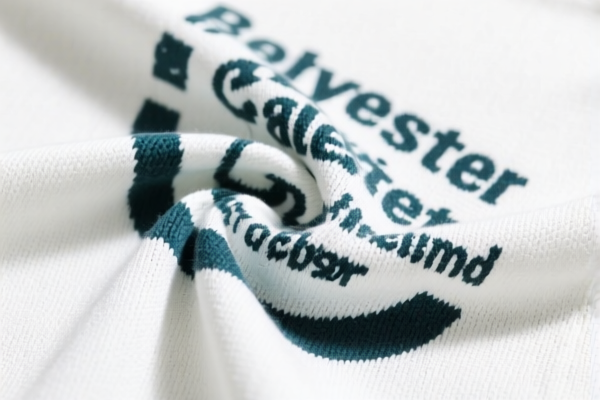
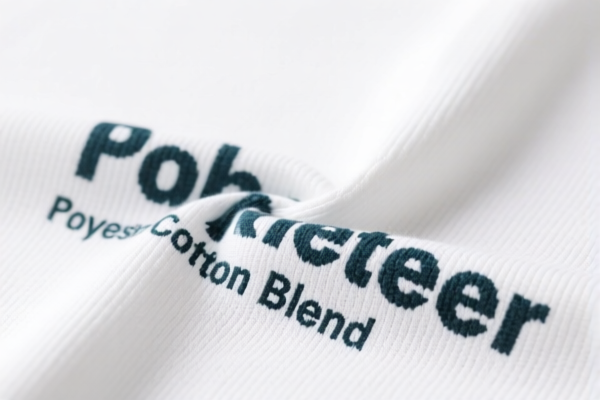
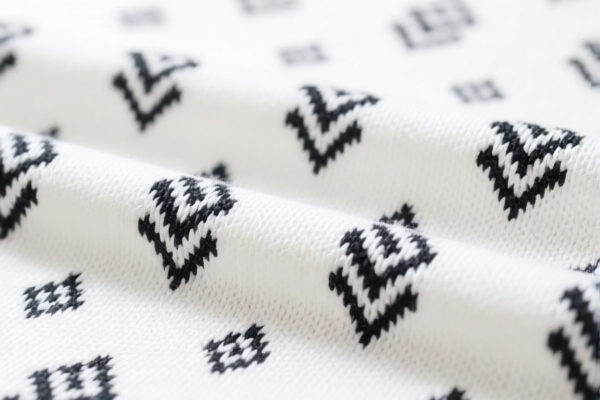
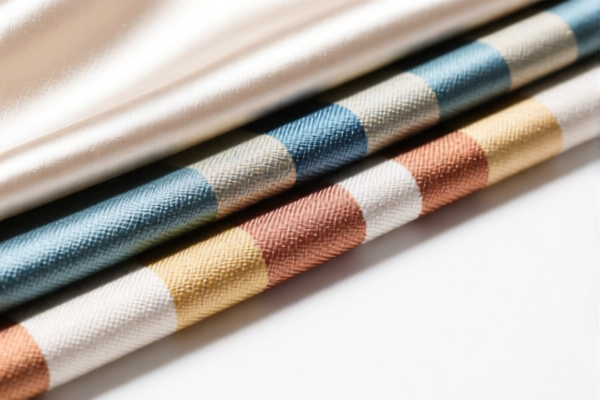
AI Analysis
🧵 Cotton Blend Knitted Fabric (Other)
🌐 HS Code Reference & Customs Clearance Guide | 2026 Latest Tariff Breakdown | Pro-Level Import Strategy
📌 One, Product Definition & Classification: What Exactly Is "Cotton Blend Knitted Fabric"?
Cotton blend knitted fabric refers to textile fabrics made from cotton mixed with other fibers (e.g., polyester, rayon, elastane), produced using knitting or crocheting techniques. These fabrics are widely used in apparel, home textiles, and industrial applications due to their softness, breathability, and stretchability.
⚠️ Key Classification Triggers: - Knitted or crocheted (not woven) → HS Chapter 60 - Contains cotton → Subheading 6006 - Dyed or multi-colored yarns → Different subcodes apply - Not specified elsewhere → Falls under "Other" category
📦 Two, HS Code Classification Details (2026 Official Tariff Match)
| HS Code | Product Description | Use Case | Color/Processing Type |
|---|---|---|---|
6006.22.90.80 |
Other knitted or crocheted fabrics: Of cotton: Dyed: Other (222) | Apparel, outerwear, casual wear | Fully dyed, single color |
6006.23.90.80 |
Other knitted or crocheted fabrics: Of cotton: Of yarns of different colors: Other (222) | Fashion garments, sportswear, decorative textiles | Multi-colored yarns (e.g., striped, patterned) |
🔍 Critical Insight:
- "Dyed" means the fabric is dyed after knitting →6006.22.90.80
- "Of yarns of different colors" means the yarns themselves are pre-colored before knitting →6006.23.90.80
- Both fall under "Other" (222) → No further sub-specification applies
💰 Three, 2026 Latest Tariff Breakdown (Including附加 Taxes & Policy Rules)
✅ Applicable Country: United States (US)
✅ Origin: China (CN)
✅ Effective Date: November 10, 2025 (and onward)
🎯 1. 6006.22.90.80 — Dyed Cotton Knitted Fabric
| Item | Details |
|---|---|
| Base Duty Rate | 0.0% (ad valorem) |
| USITC Additional Tariff | 0.0% |
| IEEPA Additional Tariff | 0.0% |
| Total Tax Rate | 0.0% |
| Tax Calculation | CIF Value × 0.0% |
| De Minimis Exemption | ✅ Yes (if value ≤ $800) |
| Legal Basis Path | FOOTNOTE: 9903.88.01 → USITC: 6006.22.90.80 → IEEPA: 9903.01.25 → No additional duty triggered |
📌 Explanation:
- Despite being China-origin, this item does NOT trigger any additional tariffs under Section 301 or IEEPA. - The "Other" (222) classification for dyed cotton knitted fabric is exempt from extra duties. - No USITC or IEEPA surcharges apply — this is a clean, duty-free entry.
🎯 2. 6006.23.90.80 — Cotton Knitted Fabric with Multi-Colored Yarns
| Item | Details |
|---|---|
| Base Duty Rate | 0.0% |
| USITC Additional Tariff | 0.0% |
| IEEPA Additional Tariff | 0.0% |
| Total Tax Rate | 0.0% |
| Tax Calculation | CIF × 0.0% |
| De Minimis Exemption | ✅ Yes |
| Legal Basis Path | FOOTNOTE: 9903.88.01 → USITC: 6006.23.90.80 → IEEPA: 9903.01.25 → No extra duty |
📌 Note:
- Even though the fabric uses multi-colored yarns, it still falls under the "Other" category and is not subject to additional tariffs. - This is a key advantage over other textile categories that do attract 7.5%–25% extra duties under Section 301.
🛠️ Four, Customs Clearance Best Practices (Real-World Pro Tips)
✅ 1. Must-Have Documentation (No Exceptions!)
| Document | Required? | Why It Matters |
|---|---|---|
| ✅ Commercial Invoice | ✔️ | Must clearly state: "Cotton Knitted Fabric, Dyed / Multi-Colored Yarns, HS 6006.22.90.80 / 6006.23.90.80" |
| ✅ Packing List | ✔️ | Show total weight, quantity, and packaging details |
| ✅ Bill of Lading / Air Waybill | ✔️ | Proof of shipment and carrier |
| ✅ Certificate of Origin (CO) | ✔️ | If claiming preferential treatment (e.g., from ASEAN, USMCA) |
| ✅ Product Photos | ✔️ | Show fabric texture, color pattern, and weave |
| ✅ Lab Test Report (Optional) | ✔️ | For quality control, especially if claiming "cotton" content |
✅ 2.申报技巧(Key Pro Tips)
🔥 “Dye vs. Yarn Color, Code Matters, Duty Zero if Right!”
| Scenario | Correct HS Code | Wrong Code | Risk |
|---|---|---|---|
| Fabric dyed after knitting (e.g., solid black) | 6006.22.90.80 |
6006.23.90.80 |
Incorrect classification → audit risk |
| Fabric made from pre-colored yarns (e.g., striped) | 6006.23.90.80 |
6006.22.90.80 |
Underpaid duty → penalties |
| Mixed cotton/polyester, dyed | 6006.22.90.80 |
5208.41.00.00 (woven) |
Wrong chapter → seizure |
| No clear dye or color pattern | 6006.22.90.80 |
6006.29.90.80 |
Less specific → delay |
✅ 3. Special Case Handling
| Situation | Recommended Action |
|---|---|
| Fabric contains 50% cotton, 50% polyester | Still qualifies under 6006.22.90.80 / 6006.23.90.80 — cotton content > 50% is sufficient |
| Fabric is 100% cotton but knitted | Yes, still applies — not woven → valid under 6006 |
| Fabric used in children’s clothing | No special tariff — 0% duty applies |
| Fabric is exported from Vietnam or Bangladesh | Can apply for USMCA/ASEAN preferential rates — 0% duty possible |
🌍 Five, Global Customs Comparison (2026 Update)
| Country/Region | Recommended HS Code | Tariff Rate | Certification | Notes |
|---|---|---|---|---|
| 🇺🇸 USA | 6006.22.90.80 / 6006.23.90.80 |
0.0% | None (unless required by buyer) | No 301/IEEPA tariffs |
| 🇨🇳 China | 6006.22.90.80 / 6006.23.90.80 |
5% | CCC (if applicable) | No extra duties |
| 🇪🇺 EU | 6006.22.90.80 / 6006.23.90.80 |
0% (if CE) | CE, REACH | No additional tariffs |
| 🇦🇺 Australia | 6006.22.90.80 |
5% | RCM | No extra duties |
| 🇯🇵 Japan | 6006.22.90.80 |
0% | PSE | No extra tariffs |
📌 Takeaway:
- The U.S. is the only major market where this fabric is fully duty-free — a major advantage for exporters. - No Section 301 or IEEPA surcharges apply — unlike many other textile goods.
📌 Six, Common Mistakes & How to Avoid Them (Real Cases)
❌ Mistake 1: Labeling "cotton blend fabric" but not specifying knitted
👉 Result: Misclassified as woven fabric → HS 5208.41.00.00 → 5% duty + audit risk
❌ Mistake 2: Reporting "multi-colored" fabric as dyed
👉 Result: Wrong HS Code → 6006.22.90.80 instead of 6006.23.90.80 → underpaid duty → penalties
❌ Mistake 3: Not distinguishing between yarn color and fabric dye
👉 Result: Customs questions → delays, inspections, or rejection
✅ Correct Declaration Example:
“Cotton Knitted Fabric, 60% Cotton / 40% Polyester, Made from Pre-Colored Yarns (Striped Pattern), Knitted, Not Dyed After Production, HS 6006.23.90.80”
🎯 Seven, Conclusion: Precision in Classification = Zero Duty, Zero Risk!
🎯 Remember the Golden Rule:
🔹 "If it's knitted, cotton-based, and dyed → use 6006.22.90.80"
🔹 "If it's knitted, cotton-based, with multi-colored yarns → use 6006.23.90.80"
🔹 "No extra tariffs in the U.S. — 0.0% duty for both!"
📌 Pro Tip:
If your fabric is originating from Vietnam, Mexico, or Thailand, and you have a Certificate of Origin, you may qualify for 0% duty under USMCA or ASEAN trade agreements — even better than China!
📣 Act Now:
📞 Contact a licensed customs broker + provide fabric photos + yarn composition
🚀 Apply for HS Code pre-ruling to lock in 0% duty and avoid surprises
✨ Smart Customs Starts with Smart Classification!
💼 Your fabric’s duty rate is not a mystery — it’s a choice. Choose right, save big!
Customer Reviews
About HS Code Classification
The Harmonized System (HS) is an internationally standardized nomenclature developed by the World Customs Organization (WCO) to classify traded products. Over 200 countries use the HS system as the basis for customs tariffs, trade statistics, and import/export regulations.
Each HS code follows a hierarchical structure:
- Chapter (2 digits) — Broad category of goods (e.g., Chapter 84: Machinery and Mechanical Appliances)
- Heading (4 digits) — More specific grouping within the chapter
- Subheading (6 digits) — Internationally standardized breakdown, used by all WCO member countries
- National subdivisions (8-10 digits) — Country-specific extensions for further classification, such as US HTSUS 10-digit codes
Correct HS code classification is essential for smooth customs clearance, accurate duty payment, and compliance with trade regulations. Misclassification can lead to customs delays, overpayment of duties, or penalties.
When importing from CN to US, the applicable tariff rates may include:
- Most-Favored-Nation (MFN) rate — The standard duty rate applied to WTO members
- General rate — Applied to countries without trade agreements
- Trade remedy duties — Additional tariffs such as Section 301 (anti-dumping), Section 232 (national security), or countervailing duties
The information provided on this page is for reference purposes only. For official classification, please consult with your local customs authority or a licensed customs broker.