Cotton Blend Woven Unbleached or Bleached Thin Home Textile Fabric
CN → US| HS Code | Tariff Rate | Origin | Destination | Doc |
|---|---|---|---|---|
| 5208198090 | 45.5% | CN | US | Official Doc |
| 5208112040 | 42.0% | CN | US | Official Doc |
| 5210116090 | 27.7% | CN | US | Official Doc |
| 5208212040 | 43.4% | CN | US | Official Doc |
Product Images
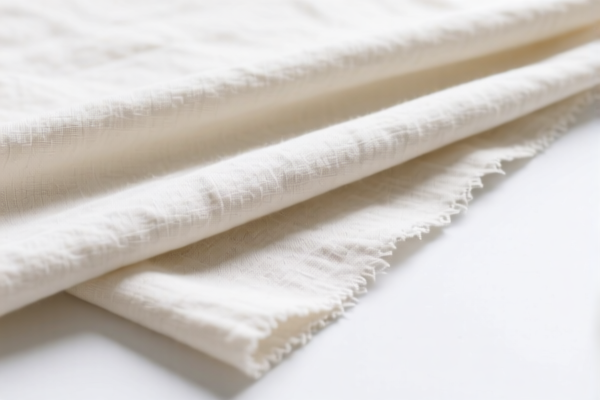
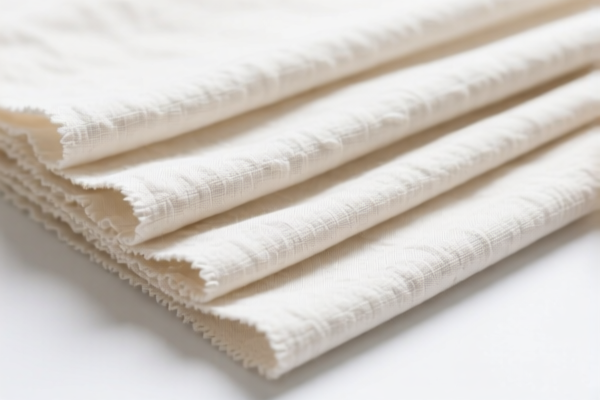
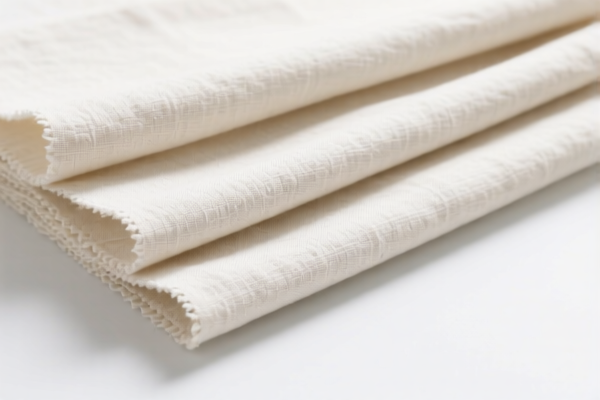
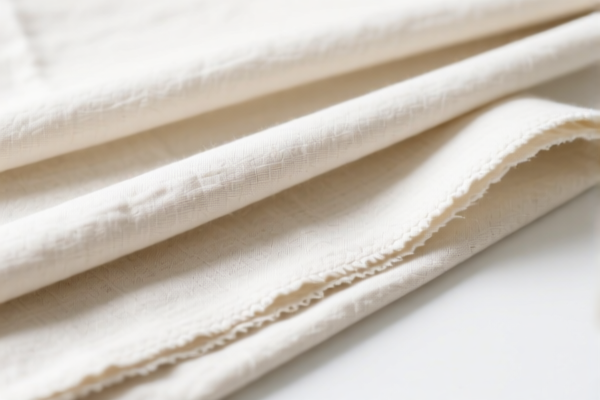
AI Analysis
🧵 Cotton Blend Woven Unbleached or Bleached Thin Home Textile Fabric
🌐 HS Code Reference & Customs Clearance Guide | 2026 Latest Tariff Analysis | Professional Entry Strategy
📌 I. Product Definition and Classification: Do You Really Understand "Home Textile Fabric"?
Cotton blend woven fabrics are widely used in household textiles. In international trade, they are strictly classified based on final use (Home Textile vs. Apparel) and fabric composition/weight.
Key Distinction Points: * Home Textile Use: Fabrics intended for bed sheets, pillowcases, curtains, tablecloths, etc. → Generally attracts higher additional tariffs due to trade restrictions. * Apparel Use: Fabrics intended for shirts, pants, dresses, etc. → May attract lower additional tariffs depending on the specific blend ratio and subheading.
⚠️ Critical Compliance Alert:
- The destination country's customs authority will scrutinize the Declared End-Use.
- Misdeclaring "Home Textile" as "Apparel" to avoid higher tariffs is considered fraud.
- The HS Code is determined by the specific cotton percentage and weaving structure.
📦 II. HS Code Classification Details (Based on Provided Data)
| HS Code | Product Description | Application Scenario | Total Tax Rate | Tax Breakdown |
|---|---|---|---|---|
5208.19.80.90 |
Cotton blend woven fabric (unbleached/bleached), thin type, for Home Textiles | Bedding, curtains, towels | 45.5% | Base: 10.5%, Add'l: 25.0%, Sec 122: 10% |
5208.11.20.40 |
Cotton blend woven fabric (unbleached/bleached), thin type, for Apparel | Shirts, blouses, skirts | 42.0% | Base: 7.0%, Add'l: 25.0%, Sec 122: 10% |
5210.11.60.90 |
Cotton blend woven fabric (unbleached/bleached), thin type, for Apparel | Pants, dresses, linings | 27.7% | Base: 10.2%, Add'l: 7.5%, Sec 122: 10% |
5208.21.20.40 |
Cotton blend woven fabric (unbleached/bleached), thin type, for Apparel | Light-weight apparel | 43.4% | Base: 8.4%, Add'l: 25.0%, Sec 122: 10% |
🔍 Important Note:
-5208vs.5210:5208typically refers to cotton fabrics weighing ≤ 200g/m², while5210refers to cotton fabrics weighing > 200g/m² or mixed with other fibers in specific proportions. The distinction affects the base duty. - Section 122 Tariff: This refers to specific trade remedy tariffs (likely under US Trade Law Section 301 or similar bilateral agreements).
💰 III. 2026 Latest Tariff Rate Details
✅ Applicable Market: Implied Major Import Market (e.g., USA/China context based on "Sec 122" and high additional duties)
✅ Product Type: Cotton Blend Woven Fabric
✅ Condition: Unbleached or Bleached, Thin Type
🎯 1. 5208.19.80.90 —— For Home Textiles (Highest Risk)
| Item | Detail |
|---|---|
| Base Duty | 10.5% |
| Additional Duty (301/Trade Remedy) | +25.0% |
| Section 122 Tariff | +10.0% |
| Total Effective Rate | 45.5% |
| Calculation Basis | CIF Value × 45.5% |
| De Minimis Exemption? | ❌ No (High value goods subject to strict scrutiny) |
📌 Explanation:
- This code carries the highest total tax burden.
- Home textile fabrics are often targets for anti-dumping or countervailing duties.
- The 25% additional tariff is a significant barrier.
🎯 2. 5208.11.20.40 & 5208.21.20.40 —— For Apparel
| HS Code | Base Duty | Additional Duty | Sec 122 | Total |
|---|---|---|---|---|
5208.11.20.40 |
7.0% | 25.0% | 10.0% | 42.0% |
5208.21.20.40 |
8.4% | 25.0% | 10.0% | 43.4% |
📌 Explanation:
- Apparel-bound fabrics have a 7% or 8.4% base duty, lower than home textile base duties.
- However, the 25% additional tariff still applies, making the total rate very high.
- Misclassification from Home Textile to Apparel to save 1.5%–3.4% is risky.
🎯 3. 5210.11.60.90 —— For Apparel (Most Favorable)
| Item | Detail |
|---|---|
| Base Duty | 10.2% |
| Additional Duty (301/Trade Remedy) | +7.5% |
| Section 122 Tariff | +10.0% |
| Total Effective Rate | 27.7% |
| Calculation Basis | CIF Value × 27.7% |
| De Minimis Exemption? | ❌ No |
📌 Explanation:
- Lowest total rate (27.7%) among the provided options.
- The Additional Duty is only 7.5%, significantly lower than the 25% applied to5208codes.
- This suggests5210fabrics (likely heavier weight or different blend) face less restrictive trade policies for apparel use.
🛠️ IV. Customs Clearance Practical Advice
✅ 1. Documentation Checklist (Essential for Clearance)
| Document | Required | Purpose |
|---|---|---|
| Commercial Invoice | ✔️ | Must explicitly state: "Cotton Blend Woven Fabric, Unbleached/Bleached, for [Home Textiles/Apparel]" |
| Packing List | ✔️ | Detail weight, dimensions, and roll numbers |
| Product Specification Sheet | ✔️ | Include: Cotton percentage, weave type, weight (g/m²), width, finish (bleached/unbleached) |
| End-Use Declaration | ✔️ | Crucial. Letter from buyer confirming if goods are for "Home Textile Manufacturing" or "Garment Manufacturing" |
| Certificate of Origin | ✔️ | To determine eligibility for any preferential treatments (if applicable) |
| Third-Party Inspection Report | ✅ Recommended | Verify fabric composition and quality to prevent disputes |
✅ 2. Declaration Best Practices
🔥 "Be Precise: Use the Correct HS Code Based on End-Use and Weight!"
| Scenario | Correct Declaration | Risk of Misclassification |
|---|---|---|
| Fabric for Bed Sheets | 5208.19.80.90 (45.5%) |
If declared as Apparel (5208.11.20.40), risk of fraud penalties and retroactive duties |
| Fabric for Shirts (Thin, <200g/m²) | 5208.11.20.40 (42.0%) |
If declared as 5210.11.60.90, customs may reject due to weight mismatch |
| Fabric for Shirts (Heavier, >200g/m²) | 5210.11.60.90 (27.7%) |
Best Value. Ensure weight is accurately reported |
✅ 3. Cost Optimization Strategy
- Verify End-Use Early: Confirm with the buyer before shipment whether the fabric will be used for home textiles or apparel. This determines the HS code and tariff.
- Weight Matters: If the fabric can be engineered to fall into the
5210category (>200g/m² or specific blend), and the end-use is apparel, you can save 14.3% (27.7% vs 42.0%). - Avoid "Home Textile" If Possible: The 45.5% rate is the highest. If there is any ambiguity, and the fabric can be used for apparel, document this clearly to potentially use a lower-applicable rate (though compliance must be strict).
🌍 V. Global Market Comparison (2026 Context)
| Market | Recommended HS Code | Estimated Total Duty | Key Requirement |
|---|---|---|---|
| 🇺🇸 USA | See Above Table | 27.7% – 45.5% | Strict End-Use Declaration, Section 122 Compliance |
| 🇨🇳 China | Similar Classification | ~5-10% | No major additional duties for these codes |
| 🇪🇺 EU | Similar Classification | ~4-8% | CE/RoHS not applicable to raw fabric, but REACH compliance needed |
| 🇬🇧 UK | Similar Classification | ~4-8% | Post-Brexit rules apply |
📌 Conclusion:
- USA has the most complex tariff structure with significant additional duties.
- Clear documentation of End-Use is the single most important factor in reducing risk and cost.
📌 VI. Common Pitfalls & How to Avoid Them
❌ Pitfall 1: Declaring "Home Textile" fabric as "Apparel" to save taxes.
👉 Consequence: Customs audit, fines, seizure of goods, loss of import privileges.
✅ Solution: Provide a clear End-Use Declaration letter from the buyer.
❌ Pitfall 2: Ignoring the fabric weight (g/m²).
👉 Consequence: Wrong HS code (5208 vs 5210), leading to incorrect duty calculation and potential penalties.
✅ Solution: Always test and report the exact weight per square meter.
❌ Pitfall 3: Using vague descriptions like "Cotton Fabric" on the invoice.
👉 Consequence: Customs delays, requests for additional information, potential reclassification.
✅ Solution: Use precise descriptions: "Cotton Blend Woven Fabric, Unbleached, 150g/m², for Apparel Use."
🎯 VII. Conclusion: Strategic Clearance for Competitive Pricing
🎯 Key Takeaway:
- Home Textile Fabric: High tariff burden (45.5%). Avoid if possible.
- Apparel Fabric (Thin, <200g/m²): Moderate-High tariff (42-43.4%).
- Apparel Fabric (Heavier, >200g/m²): Lowest tariff (27.7%). Optimize for this if feasible.
📌 Pro Tip:
If you are exporting to the USA, pre-clearance consultations with a licensed customs broker are highly recommended. Consider applying for an Advance Ruling from CBP to lock in the correct HS code and duty rate before shipping.
📣 Immediate Action:
📞 Contact a Customs Broker + Verify End-Use + Test Fabric Weight
🚀 Optimize your supply chain to target the 27.7% rate where possible!
✨ Professional Clearance Starts with Accurate Classification!
💼 Every percent of duty saved is pure profit!
Customer Reviews
About HS Code Classification
The Harmonized System (HS) is an internationally standardized nomenclature developed by the World Customs Organization (WCO) to classify traded products. Over 200 countries use the HS system as the basis for customs tariffs, trade statistics, and import/export regulations.
Each HS code follows a hierarchical structure:
- Chapter (2 digits) — Broad category of goods (e.g., Chapter 84: Machinery and Mechanical Appliances)
- Heading (4 digits) — More specific grouping within the chapter
- Subheading (6 digits) — Internationally standardized breakdown, used by all WCO member countries
- National subdivisions (8-10 digits) — Country-specific extensions for further classification, such as US HTSUS 10-digit codes
Correct HS code classification is essential for smooth customs clearance, accurate duty payment, and compliance with trade regulations. Misclassification can lead to customs delays, overpayment of duties, or penalties.
When importing from CN to US, the applicable tariff rates may include:
- Most-Favored-Nation (MFN) rate — The standard duty rate applied to WTO members
- General rate — Applied to countries without trade agreements
- Trade remedy duties — Additional tariffs such as Section 301 (anti-dumping), Section 232 (national security), or countervailing duties
The information provided on this page is for reference purposes only. For official classification, please consult with your local customs authority or a licensed customs broker.