Cotton Braided Handbags (Vintage)
CN → US| HS Code | Tariff Rate | Origin | Destination | Doc |
|---|---|---|---|---|
| 4202223500 | 43.4% | CN | US | Official Doc |
| 4202224020 | 42.4% | CN | US | Official Doc |
| 4602192920 | 40.3% | CN | US | Official Doc |
| 4602192940 | 40.3% | CN | US | Official Doc |
| 3926903300 | 16.5% | CN | US | Official Doc |
Product Images
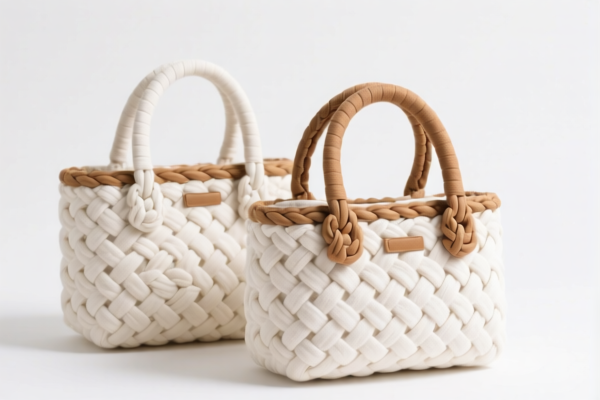
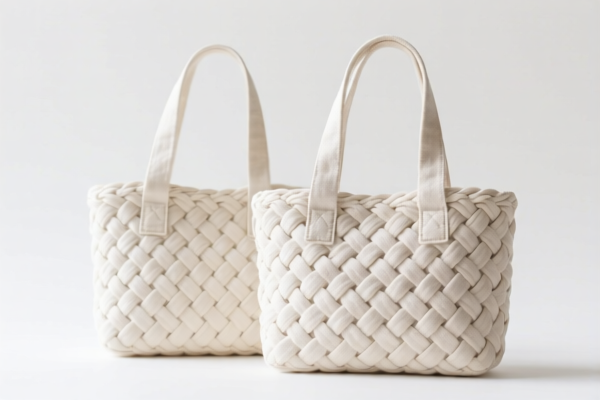
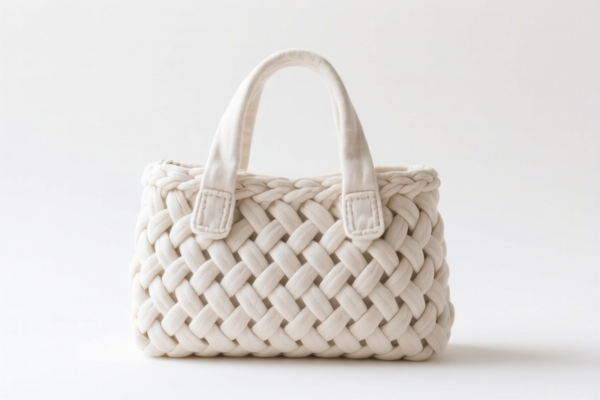
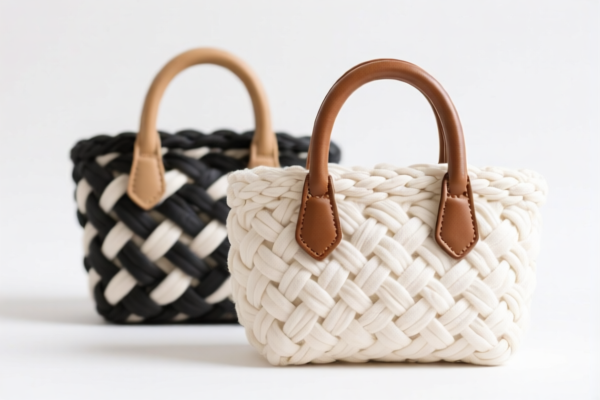
AI Analysis
👜 Cotton Braided Handbags (Vintage)
🌐 HS Code Reference & Customs Clearance Guide | 2026 Latest Tariff Analysis | Professional-Level Strategy for Woven Bags
📌 I. Product Definition & Classification: Do You Really Understand "Woven Handbags"?
"Cotton Braided Handbags (Vintage)" refer to handheld bags constructed primarily from interlaced natural fibers (cotton, hemp, straw, or other plant-based materials). In international trade, the classification depends strictly on the primary material and the method of manufacture.
⚠️ Key Distinction:
- If the bag is made from textile fabrics (woven cotton cloth) that are stitched or assembled → It may fall under Chapter 42.
- If the bag is made from interlaced plaiting materials (strands of cotton/hemp/straw woven together to form a rigid or semi-rigid structure) → It falls under Chapter 46.
- If the bag uses plastic fibers or plastic-coated materials as the main structural component → It falls under Chapter 39.
📦 II. HS Code Classification Details (2026 Latest Tariff Authority Comparison)
| HS Code | Product Description | Applicable Scenario | Primary Material |
|---|---|---|---|
4202.22.35.00 |
Handbags with outer surface of textile materials | Cotton cloth bags, stitched/interwoven textile bags | 🧵 Textile/Cotton Fabric |
4202.22.40.20 |
Handbags with outer surface of cotton, hemp, or other vegetable fibers | Braided cotton/hemp bags, straw bags | 🌾 Vegetable Fibers (Cotton/Hemp) |
4602.19.29.20 |
Handmade plaiting materials; articles of plaiting materials | Plant-fiber woven baskets/bags (rigid structure) | 🌿 Plant Fibers (Straw/Raffia) |
4602.19.29.40 |
Articles of plaiting materials, based on common sense inference for plant fiber | Generic woven plant-fiber bags | 🌿 Plant Fibers |
3926.90.33.00 |
Articles of plastic | Plastic-fiber bags, synthetic woven bags, plastic-coated bags | 🧪 Plastic/Synthetic |
🔍 Key Reminder:
- "Braided" (编织) often implies plaiting → Points to Chapter 46 (4602.19...) if the material is stiff/plant-based.
- "Cotton" can be either fabric (Chapter 42) or plaiting material (Chapter 46).
- Vintage style does not change the tariff code; material structure does.
💰 III. 2026 Latest Tariff Rate Breakdown (Including Surcharges & Policy Add-ons)
✅ Applicable Country: United States (US)
✅ Country of Origin: China (CN)
✅ Effective Time: 2025/2026 (Including subsequent imports)
🎯 1. 4202.22.35.00 – Handbags, Outer Surface: Textile
| Item | Content |
|---|---|
| Base Tariff | 8.4% |
| Section 301 Surcharge | +25.0% |
| Section 122 Tariff | +10.0% |
| Total Tax Rate | 43.4% |
| Tax Calculation | CIF Value × 43.4% |
| De Minimis Exemption? | ❌ NO (Deny De Minimis) |
| Legal Basis Path | USITC:4202.22.35.00 → Section 301: 25% → Section 122: 10% |
📌 Explanation:
- This code applies if the bag is made from textile fabric (e.g., cotton canvas) rather than plaited strands.
- Total 43.4% is extremely high due to叠加 tariffs (Section 301 + Section 122).
🎯 2. 4202.22.40.20 – Handbags, Outer Surface: Cotton, Hemp, Vegetable Fibers
| Item | Content |
|---|---|
| Base Tariff | 7.4% |
| Section 301 Surcharge | +25.0% |
| Section 122 Tariff | +10.0% |
| Total Tax Rate | 42.4% |
| Tax Calculation | CIF Value × 42.4% |
| De Minimis Exemption? | ❌ NO (Deny De Minimis) |
| Legal Basis Path | USITC:4202.22.40.20 → Section 301: 25% → Section 122: 10% |
📌 Note:
- Slightly lower than4202.22.35.00due to a lower base rate (7.4% vs 8.4%).
- Still subject to 50% total surcharges.
🎯 3. 4602.19.29.20 – Handmade Plaiting Materials / Vegetable Fiber Bags
| Item | Content |
|---|---|
| Base Tariff | 5.3% |
| Section 301 Surcharge | +25.0% |
| Section 122 Tariff | +10.0% |
| Total Tax Rate | 40.3% |
| Tax Calculation | CIF Value × 40.3% |
| De Minimis Exemption? | ❌ NO (Deny De Minimis) |
| Legal Basis Path | USITC:4602.19.29.20 → Section 301: 25% → Section 122: 10% |
📌 Advantage:
- Lowest total rate (40.3%) among the options.
- Applicable if the bag is truly plaited/woven from plant fibers (straw, raffia, etc.) and has a rigid structure typical of Chapter 46.
🎯 4. 4602.19.29.40 – Other Articles of Plaiting Materials
| Item | Content |
|---|---|
| Base Tariff | 5.3% |
| Section 301 Surcharge | +25.0% |
| Section 122 Tariff | +10.0% |
| Total Tax Rate | 40.3% |
| Tax Calculation | CIF Value × 40.3% |
| De Minimis Exemption? | ❌ NO (Deny De Minimis) |
| Legal Basis Path | USITC:4602.19.29.40 → Section 301: 25% → Section 122: 10% |
📌 Note:
- Same tax rate as4602.19.29.20.
- Used for generic plant-fiber woven items where specific sub-codes don't apply.
🎯 5. 3926.90.33.00 – Articles of Plastic
| Item | Content |
|---|---|
| Base Tariff | 6.5% |
| Section 301 Surcharge | +0.0% |
| Section 122 Tariff | +10.0% |
| Total Tax Rate | 16.5% |
| Tax Calculation | CIF Value × 16.5% |
| De Minimis Exemption? | ❌ NO (Deny De Minimis) |
| Legal Basis Path | USITC:3926.90.33.00 → Section 122: 10% |
📌 CRITICAL WARNING:
- Lowest rate (16.5%), but ONLY if the bag is made of plastic fibers or plastic-coated materials.
- "Cotton Braided" is NOT plastic. Misclassifying cotton bags as plastic will lead to severe penalties, seizure, or fraud charges.
- Only use this code if the "vintage" bag is actually a synthetic plastic fiber imitation.
🛠️ IV. Customs Clearance Practical Advice (Real-World Pitfall Avoidance Guide)
✅ 1. Required Documentation Checklist (Non-Negotiable)
| Document | Must Provide | Explanation |
|---|---|---|
| ✅ Product Specification Sheet | ✔️ | Clearly state: "100% Cotton," "Hand-woven," "No Plastic Lining" |
| ✅ Material Composition Label | ✔️ | Photo of the hangtag showing fiber content |
| ✅ Product Photos | ✔️ | Close-up of weave texture to prove it's plaiting, not fabric |
| ✅ Commercial Invoice | ✔️ | Declare exactly: "Cotton Braided Handbag, Vegetable Fiber Material" |
| ✅ Packing List | ✔️ | Show weights and dimensions |
| ✅ Origin Certificate | ✔️ | If applicable for other markets |
✅ 2. Declaration Strategy (Key Mnemonics)
🔥 "Material Dictates Code, Weave Defines Chapter! Don't Guess, Verify!"
| Scenario | Correct Declaration | Wrong Practice |
|---|---|---|
| Cotton Canvas Bag (Stitched) | 4202.22.40.20 (7.4% base) |
Misclassify as Plastic → Fraud |
| Straw/Raffia Bag (Woven/Rigid) | 4602.19.29.20 (5.3% base) |
Misclassify as Textile → Higher Tax |
| Cotton Rope Bag (Braided) | 4602.19.29.40 (5.3% base) |
Misclassify as Plastic → Fraud |
| Plastic Faux-Leather Bag | 3926.90.33.00 (6.5% base) |
Declare as Cotton → Penalty |
✅ 3. Special Handling for "Vintage" Items
| Situation | Handling Advice |
|---|---|
| Antique/Vintage (Pre-1970s) | Still subject to tariffs. No duty-free exemption for vintage goods unless explicitly stated in HTSUS |
| Mixed Materials | If lining is cotton but shell is plastic → Shell material determines classification |
| Custom/Bespoke | Provide design sketches to prove it's not mass-produced textile |
| Gifts/Samples | Below $800 (De Minimis) may be exempt, but US Customs is cracking down on Section 301/122 evasion. High risk. |
🌍 V. Global Market Clearance Comparison (2026 Latest)
| Country/Region | Recommended HS Code | Tariff Rate (China Origin) | Certification | Notes |
|---|---|---|---|---|
| 🇺🇸 USA | 4602.19.29.20 |
40.3% (Total) | None | High tariffs due to Sec 301 + Sec 122 |
| 🇨🇳 China | 4602.19.29.20 |
5% - 10% | None | Low import tax |
| 🇪🇺 EU | 4602.19.90 |
5% - 10% | CE (if accessories) | No Section 301 equivalent |
| 🇬🇧 UK | 4602.19.90 |
5% - 10% | UKCA | Post-Brexit rules apply |
| 🇦🇺 Australia | 4602.19.90 |
5% | None | Low tariff |
📌 Conclusion:
- The USA is the highest-cost market due to Section 301 (25%) and Section 122 (10%) surcharges.
- Chapter 46 (Plant Fibers) offers the lowest base rate (5.3%) but still results in 40.3% total tax.
- Chapter 39 (Plastic) has the lowest total tax (16.5%) but is illegal for cotton products.
📌 VI. Common Errors & Pitfall Guide (Blood & Tears Lessons)
❌ Error 1: Calling a cotton bag "Plastic Woven" to save tax
👉 Consequence: Customs inspection reveals real material → Confiscation, fines, and blacklisting!
❌ Error 2: Using 4202.22.35.00 for a straw bag
👉 Consequence: Overpayment of 3.1% on base tax + potential classification dispute delays.
❌ Error 3: Ignoring Section 122 Tariffs
👉 Consequence: Missing the 10% surcharge leads to underpayment and interest penalties.
❌ Error 4: Assuming "Vintage" means Duty-Free
👉 Consequence: No such exemption exists for general consumer goods under current US law.
✅ Correct Practice:
"Handmade Cotton Braided Handbag, 100% Natural Vegetable Fiber, Outer Surface of Plaiting Material, Vintage Style, Model XYZ"
🎯 VII. Conclusion: Professional Declaration Saves Money!
🎯 Remember the Mantra:
🔹 "Plant Fiber = Ch. 46 (5.3% Base) | Textile = Ch. 42 (7-8% Base) | Plastic = Ch. 39 (6.5% Base)"
🔹 "Sec 301 is 25%, Sec 122 is 10%, Total Tax is High!"
🔹 "Don't Lie About Material, or You'll Pay Double!"
📌 Pro Tip:
If your supply chain includes Vietnam, Mexico, or Thailand, you may apply for IEEPA Exemption or USMCA Preference, reducing taxes to 0%~5%.
Recommend Advance Ruling (Pre-classification) to avoid clearance risks.
📣 Immediate Action:
📞 Contact a licensed customs broker + Provide Product Photos + Apply for HS Code Pre-ruling
🚀 Let your handbags clear customs smoothly, maximize profits, and stay compliant!
✨ Professional Customs Clearance Starts with Accurate Classification!
💼 Every Cent of Your Cost Deserves to Be Calculated Precisely!
Customer Reviews
About HS Code Classification
The Harmonized System (HS) is an internationally standardized nomenclature developed by the World Customs Organization (WCO) to classify traded products. Over 200 countries use the HS system as the basis for customs tariffs, trade statistics, and import/export regulations.
Each HS code follows a hierarchical structure:
- Chapter (2 digits) — Broad category of goods (e.g., Chapter 84: Machinery and Mechanical Appliances)
- Heading (4 digits) — More specific grouping within the chapter
- Subheading (6 digits) — Internationally standardized breakdown, used by all WCO member countries
- National subdivisions (8-10 digits) — Country-specific extensions for further classification, such as US HTSUS 10-digit codes
Correct HS code classification is essential for smooth customs clearance, accurate duty payment, and compliance with trade regulations. Misclassification can lead to customs delays, overpayment of duties, or penalties.
When importing from CN to US, the applicable tariff rates may include:
- Most-Favored-Nation (MFN) rate — The standard duty rate applied to WTO members
- General rate — Applied to countries without trade agreements
- Trade remedy duties — Additional tariffs such as Section 301 (anti-dumping), Section 232 (national security), or countervailing duties
The information provided on this page is for reference purposes only. For official classification, please consult with your local customs authority or a licensed customs broker.