Cotton Braided Ladies Handbags
CN → US| HS Code | Tariff Rate | Origin | Destination | Doc |
|---|---|---|---|---|
| 4602192920 | 40.3% | CN | US | Official Doc |
| 4602112100 | 41.2% | CN | US | Official Doc |
| 4202224020 | 42.4% | CN | US | Official Doc |
| 4202228980 | 52.6% | CN | US | Official Doc |
| 4202228980 | 52.6% | CN | US | Official Doc |
Product Images
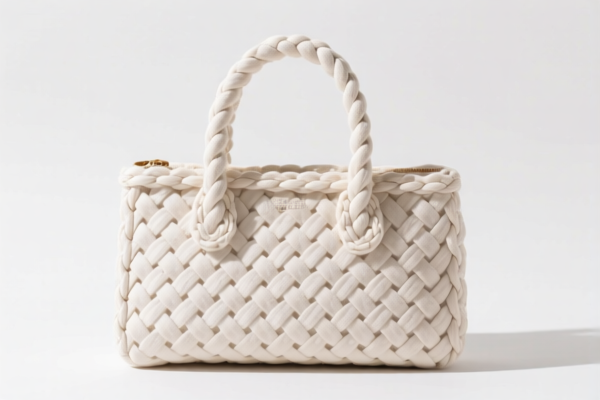
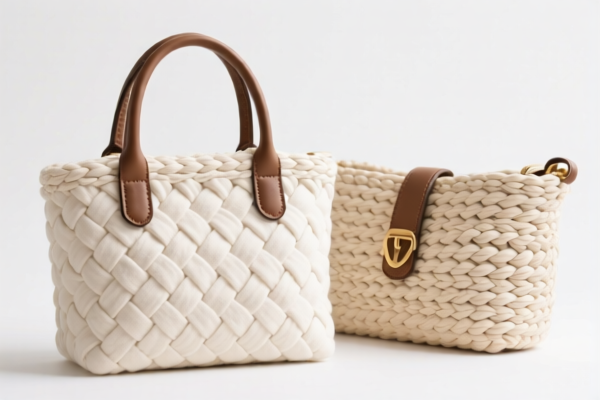
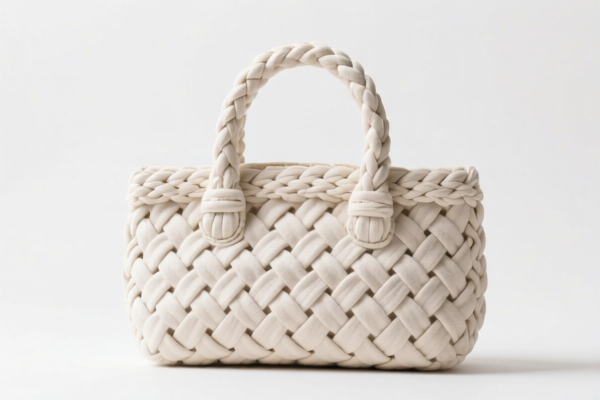
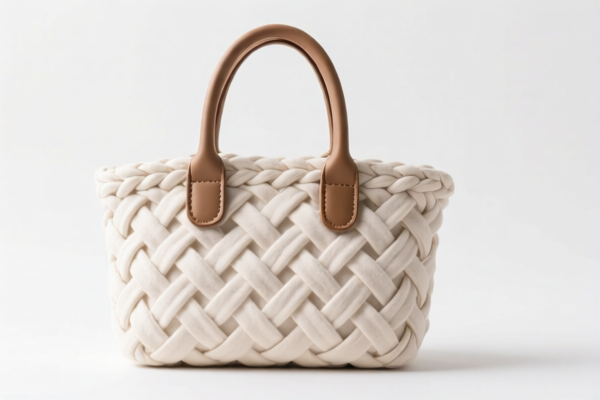
AI Analysis
👜 Cotton Braided Ladies Handbags (编织手提包 / 女士手提袋)
🌐 HS Code Reference & Customs Clearance Guide | 2026 Latest Tariff Analysis | Professional Clearance Strategy
📌 I. Product Definition & Classification: Understanding "Cotton Braided Handbags"
Ladies' handbags made from cotton braided materials are versatile fashion accessories. In international trade, their classification depends heavily on the specific material composition and structure of the bag. While commonly referred to as "cotton," the customs classification varies significantly based on whether the primary material is treated as "vegetable materials" (baskets/plaits) or "textile materials" (woven fabrics).
⚠️ Key Distinction Point:
- If the bag is made primarily of bamboo, rattan, or thick plant fibers (even if mixed with cotton threads) → Classified under 4602.19 / 4602.11 (Plaiting materials).
- If the bag is made of woven textile strips or cotton fabric → Classified under 4202.22 (Articles of textile materials).
- Crucial Note: "Cotton" in common language often overlaps with "Textile Materials" in HS Code 4202, whereas "Braided" can sometimes imply "Plaiting Materials" (4602) if rigid. The specific HS codes provided in the data highlight this split.
📦 II. HS Code Classification Details (Based on Provided Data)
| HS Code | Product Description | Material Composition | Total Tax Rate |
|---|---|---|---|
4602.19.29.20 |
Braided Handbag, Material: Vegetable Material Braided Products | Plant-based braided materials (non-bamboo/rattan specific) | 40.3% |
4602.11.21.00 |
Braided Handbag, Material: Bamboo, Rattan, etc. | Bamboo, Rattan, or similar plant materials | 41.2% |
4202.22.40.20 |
Braided Handbag, Material: Woven Materials | Textile/Woven materials (specific sub-category) | 42.4% |
4202.22.89.80 |
Braided Handbag or Ladies’ Handbag, Material: Textile or Non-Specific | General textile materials or other unspecified materials | 52.6% |
4202.22.89.80 |
Ladies’ Handbag, Material: Textile or Other Non-Specific | Same as above (General category) | 52.6% |
🔍 Focus Reminder:
- Codes 4602.xxxx relate to plaited articles (baskets, mats, rigid structures). If your "cotton" handbag is stiff, basket-like, or made of thick plant-fiber cords, it may fall here.
- Codes 4202.xxxx relate to satchels, handbags of textile materials. If your bag is soft, fabric-based, or uses woven cotton strips, it falls here.
- The highest tax rate (52.6%) applies to general textile handbags under 4202.22.89.80, which is the most common classification for standard fabric handbags.
💰 III. 2026 Latest Tariff Rate Breakdown (Including Additional Taxes & Policy Surcharges)
✅ Applicable Country: USA (US)
✅ Origin: China (CN)
✅ Effective Date: November 10, 2025 onwards (including subsequent imports)
🎯 1. HS Code 4602.19.29.20 – Braided Handbag (Vegetable Material)
| Item | Content |
|---|---|
| Base Tariff | 5.3% (ad valorem) |
| USITC Additional Tariff | +25.0% (Section 301 Tariffs) |
| IEEPA Additional Tariff | +10.0% (122-Clause Tariff for China/HK products, effective Nov 2025) |
| Total Tariff Rate | 40.3% |
| Tax Calculation | CIF Value × 40.3% |
| De Minimis Exemption | ❌ Not Available (deny_de_minimis) |
| Legal Basis Path | Base:4602.19.29.20 → USITC:301 → IEEPA:122 |
📌 Explanation:
- The 5.3% base tariff is standard for plaited vegetable material articles.
- The 25% Section 301 tariff is a longstanding US trade remedy on Chinese goods.
- The 10% IEEPA tariff is a new/adjusted surcharge effective late 2025.
- Total 40.3% is a high tariff cost. You must factor this into your pricing strategy.
🎯 2. HS Code 4602.11.21.00 – Braided Handbag (Bamboo/Rattan)
| Item | Content |
|---|---|
| Base Tariff | 6.2% (ad valorem) |
| USITC Additional Tariff | +25.0% (Section 301 Tariffs) |
| IEEPA Additional Tariff | +10.0% (122-Clause Tariff) |
| Total Tariff Rate | 41.2% |
| Tax Calculation | CIF Value × 41.2% |
| De Minimis Exemption | ❌ Not Available (deny_de_minimis) |
| Legal Basis Path | Base:4602.11.21.00 → USITC:301 → IEEPA:122 |
📌 Note:
- Slightly higher base tariff (6.2%) compared to general vegetable materials (5.3%).
- Applies specifically to bags made of bamboo, rattan, or similar rigid plant stems.
- Total 41.2% makes this even more expensive.
🎯 3. HS Code 4202.22.40.20 – Braided Handbag (Woven Materials)
| Item | Content |
|---|---|
| Base Tariff | 7.4% (ad valorem) |
| USITC Additional Tariff | +25.0% (Section 301 Tariffs) |
| IEEPA Additional Tariff | +10.0% (122-Clause Tariff) |
| Total Tariff Rate | 42.4% |
| Tax Calculation | CIF Value × 42.4% |
| De Minimis Exemption | ❌ Not Available (deny_de_minimis) |
| Legal Basis Path | Base:4202.22.40.20 → USITC:301 → IEEPA:122 |
📌 Explanation:
- This code is for handbags of textile materials (including woven cotton/plastic strips) that are specifically listed under 4202.22.40.
- Total 42.4% is slightly higher than the 4602 categories due to a higher base tariff (7.4%).
🎯 4. HS Code 4202.22.89.80 – Braided/Ladies’ Handbag (Textile/Other)
| Item | Content |
|---|---|
| Base Tariff | 17.6% (ad valorem) |
| USITC Additional Tariff | +25.0% (Section 301 Tariffs) |
| IEEPA Additional Tariff | +10.0% (122-Clause Tariff) |
| Total Tariff Rate | 52.6% |
| Tax Calculation | CIF Value × 52.6% |
| De Minimis Exemption | ❌ Not Available (deny_de_minimis) |
| Legal Basis Path | Base:4202.22.89.80 → USITC:301 → IEEPA:122 |
📌 Critical Warning:
- This is the most common classification for general ladies’ handbags made of textile materials (including cotton woven bags) that do not fit more specific sub-headings.
- Base tariff is high (17.6%) compared to others.
- Total 52.6% is the highest cost. This is the default "catch-all" for many fashion handbags.
- Action Required: Check if your product can be classified under 4202.22.40.20 (42.4%) instead. If your bag has a specific structure or material claim that fits 40.20, you can save 10.2% in tariffs.
🛠️ IV. Customs Clearance Practical Advice (Pitfall Avoidance Guide)
✅ 1. Preparation Checklist (Essential Documents)
| Document | Must Provide | Description |
|---|---|---|
| ✅ Product Specification Sheet | ✔️ | Details material composition (e.g., "100% Cotton Woven Strips" vs. "Bamboo Core with Cotton Binding"). |
| ✅ Photos of Product | ✔️ | Clear images showing the entire bag, lining, handles, and any labels. |
| ✅ Commercial Invoice | ✔️ | Must accurately describe the product name and value. |
| ✅ Packing List | ✔️ | Item count, weight, and dimensions. |
| ✅ Origin Certificate (CO) | ✔️ | Proves Chinese origin (required for tariff calculation). |
| ✅ Material Declaration | ✔️ | Explicitly state: "Made of woven cotton textile materials" or "Made of braided vegetable materials." |
✅ 2. Declaration Tips (Key Mantras)
🔥 "Material Defines Code, Not Just Name! 'Cotton' Doesn't Always Mean 4202!"
| Scenario | Correct Declaration | Incorrect Declaration |
|---|---|---|
| Bag is soft, fabric-like, made of woven cotton strips | 4202.22.40.20 or 4202.22.89.80 | Declaring as "Basket" (4602) → Potential Misclassification |
| Bag is rigid, basket-like, made of plant fibers (bamboo/rattan) | 4602.19.29.20 or 4602.11.21.00 | Declaring as "Textile Bag" (4202) → Higher Base Tariff Risk |
| Bag is a mix (e.g., cotton lining + plastic handles) | 4202.22.89.80 (General Textile) | Declaring as "Part" → Complex & Risky |
| Any handbag from China to USA | Declare All Surcharges | Hiding 122-Clause (10%) → Seizure/Fines |
✅ 3. Special Case Handling
| Situation | Handling Advice |
|---|---|
| Material Ambiguity | If your "cotton" bag is actually made of polypropylene (PP) woven strips, it may still fall under 4202.22.89.80. Be honest in material declaration. |
| Mixed Materials | If the bag has leather handles or metal hardware, the principal material (usually the main body) determines the HS code. For handbags, the main fabric/plaiting material is key. |
| Pre-Ruling | Strongly Recommended: Apply for an Advance Ruling from US CBP if your bag’s material is complex (e.g., cotton braided with bamboo stiffeners). This saves time and prevents disputes. |
| Avoiding 52.6% | Try to justify classification under 4202.22.40.20 (42.4%) by proving the bag fits a more specific textile handbag category. Consult your customs broker. |
🌍 V. Global Market Comparison (2026 Latest)
| Country/Region | Recommended HS Code | Tariff (China Origin) | Certification | Notes |
|---|---|---|---|---|
| 🇺🇸 USA | 4202.22.89.80 |
52.6% (Total) | None specific | High tariffs due to 301 + IEEPA. |
| 🇨🇳 China | 4202.22.89.80 |
10% (Import Duty) | N/A | No additional surcharges. |
| 🇪🇺 EU | 4202.22.89.80 |
4% | CE (if applicable) | No Section 301 or IEEPA. |
| 🇬🇧 UK | 4202.22.89.80 |
12% | N/A | Post-Brexit tariff. |
| 🇨🇦 Canada | 4202.22.89.80 |
17.5% | N/A | Higher base rate than EU. |
📌 Conclusion:
- USA is the most expensive market for cotton braided handbags due to layered tariffs (Base + 301 + IEEPA).
- EU and other markets are significantly cheaper, but have different compliance requirements (e.g., REACH for chemicals in dyes).
📌 VI. Common Mistakes & Pitfalls (Lessons Learned)
❌ Mistake 1: Calling the product "Plastic Bag" when it's "Cotton Braided"
👉 Consequence: Misclassification → Fines + Back Taxes.
❌ Mistake 2: Ignoring the 122-Clause IEEPA Tariff (10%)
👉 Consequence: Unexpected cost increase of 10% on top of existing duties. This is new/active in 2026!
❌ Mistake 3: Assuming "Cotton" = "Textile" (4202) for Rigid Bamboo Bags
👉 Consequence: If the bag is primarily bamboo/rattan, it should be 4602. Using 4202 may trigger audits. Check 4602.11.21.00 (41.2%) vs 4202.22.89.80 (52.6%). 4602 is cheaper!
❌ Mistake 4: Not separating "Bag" from "Lining/Handles"
👉 Consequence: CBP may assign the tariff of the most expensive component. Always declare the principal material.
✅ Correct Approach:
"Handbag, Ladies', Main Body: 100% Cotton Woven Strips, Lining: Polyester, Handle: Cotton Covered. Model: XYZ. Origin: China."
🎯 VII. Conclusion: Professional Declaration for Cost Efficiency
🎯 Remember the Mantra:
🔹 "Material is King, Code Determines Cost!"
🔹 "4602 for Plants (40-41%), 4202 for Textiles (42-52%)!"
🔹 "Don't Forget the 10% IEEPA Surcharge!"
📌 Pro Tip:
If your handbags are originating from Vietnam, Mexico, or Thailand, you may avoid US tariffs entirely (0-5% depending on FTA).
Consider supply chain diversification if your US market share is high.
📣 Immediate Action:
📞 Contact your Customs Broker + Provide Material Sample/Photos + Apply for Advance Ruling if uncertain.
🚀 Ensure Smooth Clearance, Lower Costs, and Higher Profits!
✨ Professional Customs Clearance Starts with Accurate Classification!
💼 Every Percent of Tariff Matters! Calculate Precisely!
Customer Reviews
About HS Code Classification
The Harmonized System (HS) is an internationally standardized nomenclature developed by the World Customs Organization (WCO) to classify traded products. Over 200 countries use the HS system as the basis for customs tariffs, trade statistics, and import/export regulations.
Each HS code follows a hierarchical structure:
- Chapter (2 digits) — Broad category of goods (e.g., Chapter 84: Machinery and Mechanical Appliances)
- Heading (4 digits) — More specific grouping within the chapter
- Subheading (6 digits) — Internationally standardized breakdown, used by all WCO member countries
- National subdivisions (8-10 digits) — Country-specific extensions for further classification, such as US HTSUS 10-digit codes
Correct HS code classification is essential for smooth customs clearance, accurate duty payment, and compliance with trade regulations. Misclassification can lead to customs delays, overpayment of duties, or penalties.
When importing from CN to US, the applicable tariff rates may include:
- Most-Favored-Nation (MFN) rate — The standard duty rate applied to WTO members
- General rate — Applied to countries without trade agreements
- Trade remedy duties — Additional tariffs such as Section 301 (anti-dumping), Section 232 (national security), or countervailing duties
The information provided on this page is for reference purposes only. For official classification, please consult with your local customs authority or a licensed customs broker.