Cotton Cloth, Fine Cotton Cloth, Muslin
CN → USProduct Images
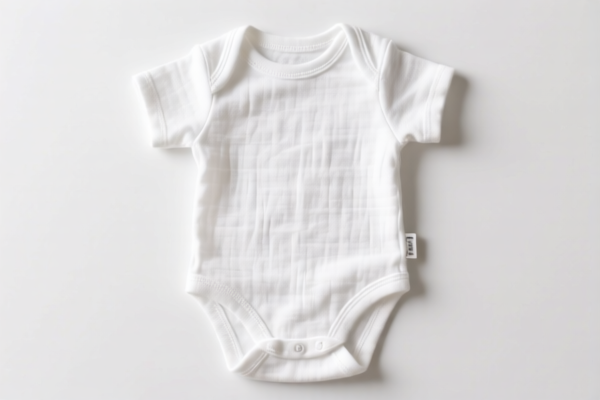
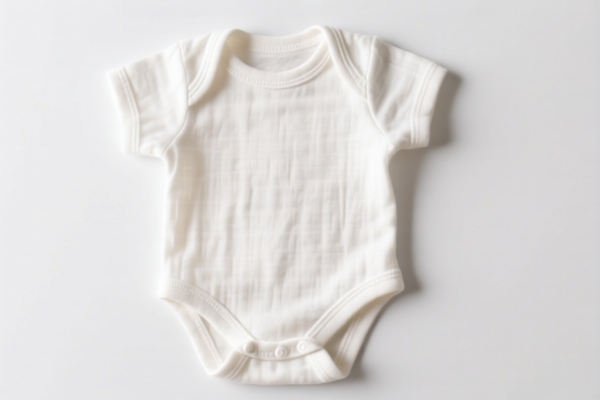
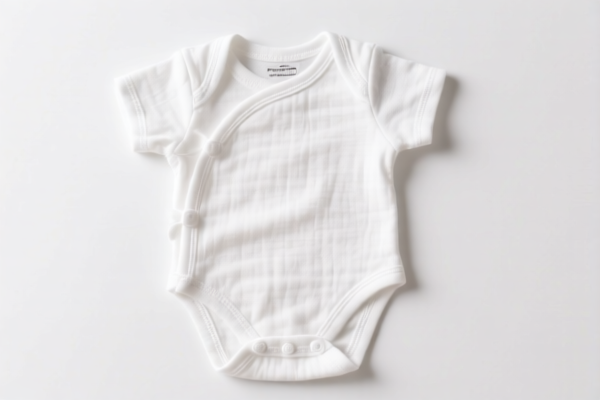

AI Analysis
🧵 Cotton Cloth, Fine Cotton Cloth, Muslin
🌐 HS Code Reference & Customs Clearance Guide | 2026 Latest Tariff Analysis | Professional Entry Strategy
📌 I. Product Definition & Classification: Do You Really Understand "Cotton Fabric"?
Cotton fabric is one of the most traded textile commodities globally. However, "Cotton Cloth," "Fine Cotton Cloth," and "Muslin" are descriptive terms, not official HS Code descriptions. In international trade, classification depends strictly on: 1. Weaving method (Woven vs. Knitted) – Assumed Woven for these terms. 2. Fabric Weight (Grams per Square Meter - GSM) or Thread Count. 3. Bleaching/Coloring status. 4. Finishing (Mercerized, Calendered, etc.).
⚠️ Key Distinction Point:
- "Muslin" is a generic term for plain-woven cotton fabric, usually unbleached or lightly finished. It is typically classified under 5208 (Woven fabrics of cotton, weighing ≤ 200 g/m²).
- "Fine Cotton Cloth" is vague. If it refers to high-thread-count, high-quality sheeting or shirting, it likely falls under 5208 (if <200g/m²) or 5209 (if >200g/m²).
- "Cotton Cloth" is too broad. It must be split into: - Lightweight (≤200g/m²) → Chapter 5208 - Medium/Heavyweight (>200g/m²) → Chapter 5209 or 5211/5212 depending on width/weave.
📦 II. HS Code Classification Details (2026 Latest Tariff Authority Cross-Reference)
| HS Code | Product Description | Applicable Scenario | Weight/Type | Bleached/Colored? |
|---|---|---|---|---|
5208.11 |
Woven fabrics of cotton, weighing ≤ 200 g/m², plain weave, unbleached | Raw Muslin, unbleached calico, coarse cotton cloth | ≤ 200 g/m² | ❌ Unbleached |
5208.12 |
Woven fabrics of cotton, weighing ≤ 200 g/m², plain weave, bleached | Fine Cotton Cloth, bleached muslin, sheeting | ≤ 200 g/m² | ✅ Bleached |
5208.22 |
Woven fabrics of cotton, weighing ≤ 200 g/m², plain weave, dyed | Dyed cotton cloth, colored muslin | ≤ 200 g/m² | 🎨 Dyed |
5208.32 |
Woven fabrics of cotton, weighing ≤ 200 g/m², plain weave, printed | Printed muslin, cotton fabric for quilting | ≤ 200 g/m² | 🖼️ Printed |
5209.11 |
Woven fabrics of cotton, weighing > 200 g/m², plain weave, unbleached | Heavy cotton canvas, unbleached denim base | > 200 g/m² | ❌ Unbleached |
5209.31 |
Woven fabrics of cotton, weighing > 200 g/m², plain weave, dyed | Heavy dyed cotton cloth, workwear fabric | > 200 g/m² | 🎨 Dyed |
5209.41 |
Woven fabrics of cotton, weighing > 200 g/m², plain weave, bleached | Bleached heavy cotton cloth, towel base | > 200 g/m² | ✅ Bleached |
🔍 Key Reminder:
- Muslin is almost exclusively ≤ 200 g/m². If you declare "Muslin" but the actual GSM is 250, you risk misclassification penalties.
- "Fine Cotton Cloth" is a marketing term. You MUST provide the GSM (Grams per Square Meter) to Customs.
- Knitted cotton fabrics fall under Chapter 60 (e.g., 6006), NOT 5208/5209. Ensure the product is Woven.
💰 III. 2026 Latest Tariff Rate Details (Including Surtaxes & Policy Add-ons)
✅ Applicable Country: United States (US)
✅ Country of Origin: China (CN)
✅ Effective Date: From November 10, 2025 (including subsequent imports)
🎯 1. 5208.11 / 5208.12 / 5208.22 / 5208.32 (Lightweight Cotton Fabric ≤ 200 g/m²)
| Item | Content |
|---|---|
| Base Rate | 0% – 8.4% (ad valorem) Varies by specific sub-heading |
| USITC Surcharge (Section 301) | +25% |
| IEEPA Surcharge | +10% (for China/HK origin, effective Nov 10, 2025) |
| Total Tariff Rate | 35% – 43.4% |
| Tax Calculation | CIF Value × Total Rate |
| De Minimis Eligibility | ❌ Not Eligible (deny_de_minimis for textile articles from China under 301) |
| Legal Basis Path | IEEPA:9903.01.25 → USITC:5208.xx → FOOTNOTE:9903.88.01 |
📌 Explanation:
- Most cotton fabrics under 200g/m² have a base rate of 0% or 8.4%.
- With the 25% Section 301 tariff and 10% IEEPA tariff, the total cost increases significantly.
- Total Burden: Expect 35% to 43.4% total duty.
- CRITICAL: No de minimis (low-value shipment exemption) applies to these textile goods from China. Every yard is taxed.
🎯 2. 5209.11 / 5209.31 / 5209.41 (Heavyweight Cotton Fabric > 200 g/m²)
| Item | Content |
|---|---|
| Base Rate | 0% – 9.5% (ad valorem) Varies by specific sub-heading |
| USITC Surcharge (Section 301) | +25% |
| IEEPA Surcharge | +10% |
| Total Tariff Rate | 35% – 44.5% |
| Tax Calculation | CIF Value × Total Rate |
| De Minimis Eligibility | ❌ Not Eligible |
| Legal Basis Path | IEEPA:9903.01.25 → USITC:5209.xx → FOOTNOTE:9903.88.01 |
📌 Note:
- Heavier fabrics (like denim or canvas) often have slightly higher base rates (up to 9.5%).
- The 25% + 10% surcharges remain constant.
- Total Burden: 35% to 44.5%.
🛠️ IV. Customs Clearance Practical Advice (Battle-Tested Pitfall Guide)
✅ 1. Document Checklist (Missing Any = Delay/Return)
| Document | Mandatory? | Explanation |
|---|---|---|
| ✅ Commercial Invoice | ✔️ | Must state "Woven Cotton Fabric," GSM, Width, Composition (100% Cotton) |
| ✅ Packing List | ✔️ | Include roll length, weight, and number of rolls |
| ✅ Product Specification Sheet | ✔️ | Crucial: Must explicitly state GSM (Grams per Square Meter) and Weave Type (Plain, Twill, Satin) |
| ✅ Certificate of Origin (CO) | ✔️ | To prove origin. If from non-China countries, may reduce tariffs |
| ✅ Test Report | ✔️ | Fiber content test (ISO/ASTM) to prove 100% Cotton |
| ✅ Letter of Guarantee | ✔️ | For US imports, guarantee that no prohibited substances (e.g., azo dyes) are used |
✅ 2. Declaration Skills (Key Mnemonic)
🔥 "GSM Determines Chapter, Weave Determines Heading, Name Must Be Precise!"
| Situation | Correct Declaration | Wrong Practice |
|---|---|---|
| Muslin ≤ 200g/m², Unbleached | 5208.11.0000 Woven cotton fabric, plain weave, ≤200g/m², unbleached |
"Cotton Cloth" → Too vague, rejected |
| Fine Cotton Sheet, Bleached, 120gsm | 5208.12.0000 Woven cotton fabric, plain weave, ≤200g/m², bleached |
"Muslin" → Muslin is usually unbleached/plain; if bleached & fine, clarify |
| Denim/Canvas > 200g/m² | 5209.41.0000 (if bleached) or 5209.31.0000 (if dyed) |
5208.32 → Wrong chapter, 25% penalty risk |
| Knitted T-shirt Fabric | 6006.32.0000 (Knitted cotton fabric) |
5208.22 → Misclassification, high risk |
✅ 3. Special Case Handling
| Situation | Handling Advice |
|---|---|
| OEM Printed Muslin | Declare as 5208.32 (Printed). Provide print design info if requested. |
| Mercerized Cotton Cloth | Still classified under 5208/5209. "Mercerized" is a finishing process, not a primary classifier. |
| Cotton Blend (e.g., 60% Cotton/40% Poly) | DO NOT declare as "Cotton Cloth." It becomes a synthetic blend, falling under Chapter 55 (e.g., 5513/5514). Tariff rates differ! |
| Small Sample Rolls (<2 meters) | Still taxable. Do not attempt de minimis exemption for China-origin textiles. |
🌍 V. Global Market Comparison (2026 Latest)
| Country/Region | Recommended HS Code (Example) | Tariff (China Origin) | Certification Required | Notes |
|---|---|---|---|---|
| 🇺🇸 USA | 5208.11 – 5209.41 |
35% – 44.5% | CPSIA (if child-use), OEKO-TEX | High tariffs due to 301/IEEPA |
| 🇨🇳 China | 5208.11 – 5209.41 |
5% – 8% | N/A | Low import duty for domestic |
| 🇪🇺 EU | 5208.11 – 5209.41 |
12% (MFN) | REACH, OEKO-TEX | No 301 tariff, but REACH compliance strict |
| 🇬🇧 UK | 5208.11 – 5209.41 |
12% | UKCA, REACH | Post-Brexit, similar to EU |
| 🇦🇺 Australia | 5208.11 – 5209.41 |
5% | N/A | Low tariff, but high logistics cost |
📌 Conclusion:
- USA is the most expensive market for cotton fabric from China due to 35%–44.5% total tariffs.
- EU and UK offer lower base tariffs (12%) but have strict chemical compliance (REACH).
- Australia/Asia have lower tariffs (5%) but may have stricter anti-dumping reviews for specific cotton types.
📌 VI. Common Mistakes & Pitfall Guide (Lessons from Tears)
❌ Mistake 1: Declaring "Muslin" for heavy canvas (>200g/m²)
👉 Consequence: Misclassification under 5208 instead of 5209 → Penalties + Back Taxes.
❌ Mistake 2: Omitting GSM (Grams per Square Meter) in the invoice
👉 Consequence: Customs cannot determine 5208 vs. 5209 → Holdup for Inspection or Default to Highest Duty.
❌ Mistake 3: Mixing Knitted and Woven fabrics in one shipment without clear separation
👉 Consequence: Chapter 60 vs. Chapter 52 confusion → Clearance Delay.
❌ Mistake 4: Assuming "Cotton Cloth" qualifies for de minimis
👉 Consequence: US Customs Seizure for undervalued/undeclared textile articles from China.
✅ Correct Approach:
"100% Cotton Woven Fabric, Plain Weave, Bleached, 150 GSM, Width 150cm, No. 50 Rolls, HS: 5208.12.0000"
🎯 VII. Conclusion: Precision in Textile Classification Saves Money!
🎯 Remember the Mantra:
🔹 "GSM is King: ≤200g → 5208, >200g → 5209"
🔹 "Woven is 52, Knitted is 60. Don't Mix Them!"
🔹 "Muslin is Light. Heavy Canvas is NOT Muslin."
🔹 "China Textiles in US? Prepare 40% Tariff Budget."
📌 Pro Tip:
If your cotton fabric is printed with environmentally friendly dyes and certified OEKO-TEX Standard 100, you may appeal for reduced scrutiny in the EU. In the US, consider supply chain diversification to Vietnam or India for lower tariff exposure under USMCA or GSP (if applicable).
📣 Immediate Action:
📞 Provide GSM, Weave Type, and Bleaching Status to your Broker
🚀 Apply for Advance Ruling (if volume is high)
💼 Your Fabric's Value Depends on Accurate Classification!
✨ Professional Clearance, Starting with Accurate HS Codes!
💼 Every Yard Matters, Every Cent Counts!
Customer Reviews
About HS Code Classification
The Harmonized System (HS) is an internationally standardized nomenclature developed by the World Customs Organization (WCO) to classify traded products. Over 200 countries use the HS system as the basis for customs tariffs, trade statistics, and import/export regulations.
Each HS code follows a hierarchical structure:
- Chapter (2 digits) — Broad category of goods (e.g., Chapter 84: Machinery and Mechanical Appliances)
- Heading (4 digits) — More specific grouping within the chapter
- Subheading (6 digits) — Internationally standardized breakdown, used by all WCO member countries
- National subdivisions (8-10 digits) — Country-specific extensions for further classification, such as US HTSUS 10-digit codes
Correct HS code classification is essential for smooth customs clearance, accurate duty payment, and compliance with trade regulations. Misclassification can lead to customs delays, overpayment of duties, or penalties.
When importing from CN to US, the applicable tariff rates may include:
- Most-Favored-Nation (MFN) rate — The standard duty rate applied to WTO members
- General rate — Applied to countries without trade agreements
- Trade remedy duties — Additional tariffs such as Section 301 (anti-dumping), Section 232 (national security), or countervailing duties
The information provided on this page is for reference purposes only. For official classification, please consult with your local customs authority or a licensed customs broker.