Cotton Crochet Knitting Set Limited Edition Sweater
CN → US| HS Code | Tariff Rate | Origin | Destination | Doc |
|---|---|---|---|---|
| 6110202010 | 34.0% | CN | US | Official Doc |
| 6114200010 | 28.3% | CN | US | Official Doc |
| 6112110040 | 32.4% | CN | US | Official Doc |
| 6112110030 | 32.4% | CN | US | Official Doc |
| 6110202020 | 34.0% | CN | US | Official Doc |
Product Images
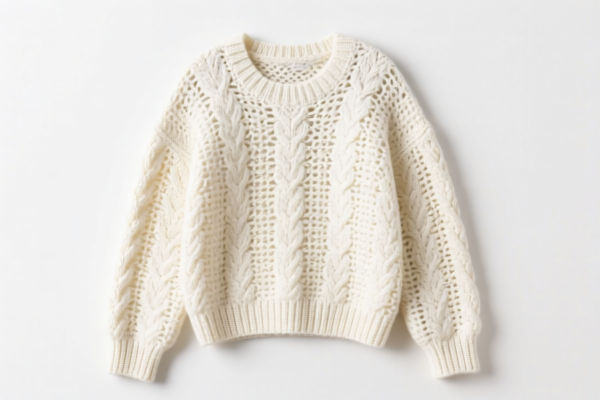
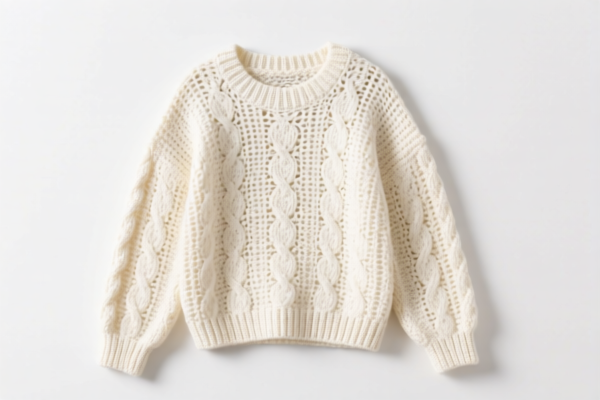
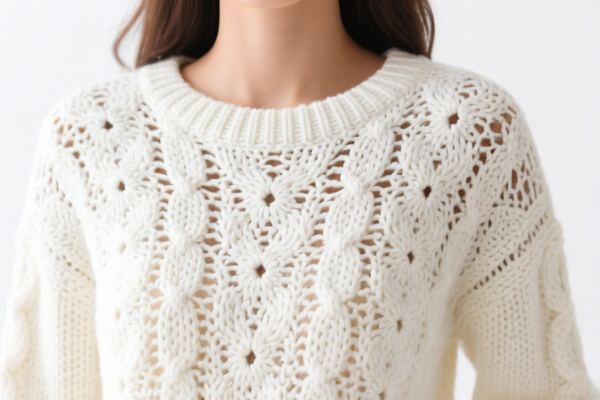
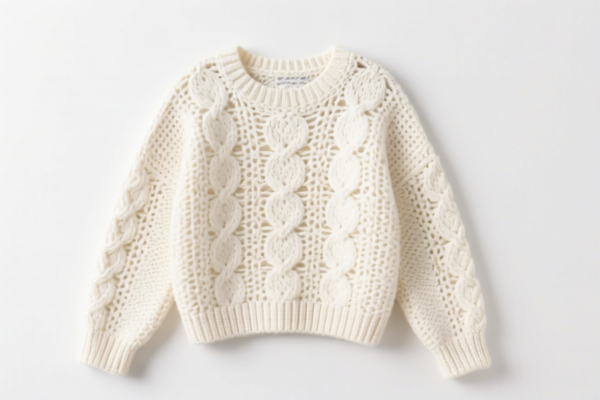
AI Analysis
🧶 Cotton Crochet Knitting Set - Limited Edition Sweater
🌐 HS Code Reference & Customs Clearance Guide | 2026 Latest Tariff Analysis | Professional Entry Strategy
📌 I. Product Definition & Classification: What is "Cotton Crochet Knitting Set Limited Edition Sweater"?
This product represents a specific subset of apparel combining knitted/crocheted techniques with cotton materials. In international trade, its classification depends heavily on the manufacturing process (knitted vs. crochet), material composition (100% cotton vs. blends), and intended use (general wear vs. sports).
⚠️ Key Distinction Points:
- Knitted (6110/6114) vs. Crocheted (often grouped under 6110/6114 if classified as apparel): Note that the provided data lists both "crochet" and "knitted" under similar HS codes, indicating a broad classification for hand-made or specialized knitwear.
- General Apparel (6110) vs. Other Knitted Items (6114) vs. Sports Apparel (6112): The specific sub-heading changes based on whether it’s a standard sweater, a specialized garment, or sports-specific attire.
- Material: All entries are Cotton-based, triggering specific base duty rates.
📦 II. HS Code Classification Details (2026 Latest Tariff Authority Comparison)
The following table details the 5 possible HS Codes derived from the provided data, highlighting the nuances in classification and associated tax liabilities.
| HS Code | Product Description & Summary | Applicable Scenario | Total Tax Rate | Base Duty | Additional Surcharges |
|---|---|---|---|---|---|
6110.20.20.10 |
Crochet Set & Cotton Limited Sweater: Matches morphology, material, and use requirements. | Standard cotton knitwear/crochet sets. | 34.0% | 16.5% | +7.5% (Sec 301) +10% (Sec 122) |
6114.20.00.10 |
Crochet Set & Cotton Limited Sweater: Fits within the category of "Cotton Knitted Tops." | General knitted/crocheted tops not classified as specific sportswear. | 28.3% | 10.8% | +7.5% (Sec 301) +10% (Sec 122) |
6112.11.00.40 |
Crochet Set & Cotton Limited Sweater: Classified under Sports/Apparel reasonable use. | Sportswear or athletic-style knitted tops. | 32.4% | 14.9% | +7.5% (Sec 301) +10% (Sec 122) |
6112.11.00.30 |
Crochet Set & Cotton Limited Sweater: Classified under Knitted/Crocheted Apparel. | Knitted/crocheted items specifically designed for general clothing use. | 32.4% | 14.9% | +7.5% (Sec 301) +10% (Sec 122) |
6110.20.20.20 |
Crochet Set & Cotton Limited Sweater: Morphology and material meet classification requirements. | Alternative classification for cotton knitwear/crochet sets. | 34.0% | 16.5% | +7.5% (Sec 301) +10% (Sec 122) |
🔍 Critical Insight:
- Lowest Tax Rate:6114.20.00.10at 28.3% offers the most favorable tariff structure among the options.
- Highest Tax Rate:6110.20.20.10and6110.20.20.20at 34.0%.
- Commonality: All entries are subject to Section 301 tariffs (7.5%) and Section 122 tariffs (10%), indicating these are likely imports from China into the US (or a jurisdiction with similar trade remedies).
💰 III. 2026 Latest Tariff Rate Breakdown (Including Surcharges & Policy Add-ons)
✅ Applicable Country: Likely USA (Based on "Section 122" and "301" references)
✅ Origin: China (Implied by the high additional duties)
✅ Effective Time: Current (2025-2026)
🎯 1. 6110.20.20.10 & 6110.20.20.20 —— Cotton Knitwear/Crochet Sets (General)
| Item | Content |
|---|---|
| Base Duty | 16.5% (Ad Valorem) |
| Section 301 Surcharge | +7.5% (Trade remedy duty on Chinese goods) |
| Section 122 Surcharge | +10% (Additional duty on specific Chinese apparel/textiles) |
| Total Tax Rate | 34.0% |
| Tax Calculation | CIF Value × 34.0% |
| De Minimis Exemption | ❌ Not Available (High duties exceed de minimis thresholds) |
| Legal Basis | HTSUS 6110.20.20.10/20 → USITC Footnotes → Section 301 & 122 Lists |
📌 Explanation:
- The 16.5% base duty is standard for cotton knitted sweaters in many jurisdictions.
- The 7.5% is the ongoing Section 301 tariff for many textile/apparel categories from China.
- The 10% is a specific Section 122 duty, often applied to disrupt supply chains of essential goods or as a political trade measure.
- Total 34% is a significant cost burden, requiring precise cost accounting.
🎯 2. 6114.20.00.10 —— Cotton Knitted Tops (Other)
| Item | Content |
|---|---|
| Base Duty | 10.8% (Ad Valorem) |
| Section 301 Surcharge | +7.5% |
| Section 122 Surcharge | +10% |
| Total Tax Rate | 28.3% |
| Tax Calculation | CIF Value × 28.3% |
| De Minimis Exemption | ❌ Not Available |
| Legal Basis | HTSUS 6114.20.00.10 → USITC Footnotes → Section 301 & 122 Lists |
📌 Advantage:
- This is the most cost-effective classification among the options.
- The lower base duty (10.8% vs 16.5%) saves 5.7% on the CIF value.
- Strategy: If the product can be justified as a "general knitted top" rather than a specific "sweater set," this code is preferred.
🎯 3. 6112.11.00.40 & 6112.11.00.30 —— Sports/Knitted Apparel
| Item | Content |
|---|---|
| Base Duty | 14.9% (Ad Valorem) |
| Section 301 Surcharge | +7.5% |
| Section 122 Surcharge | +10% |
| Total Tax Rate | 32.4% |
| Tax Calculation | CIF Value × 32.4% |
| De Minimis Exemption | ❌ Not Available |
| Legal Basis | HTSUS 6112.11.00.30/40 → USITC Footnotes → Section 301 & 122 Lists |
📌 Note:
- Sports apparel often has different base duties than general fashion.
- The rate (32.4%) is in the middle, higher than6114but lower than6110.
🛠️ IV. Customs Clearance Practical Advice (Real-World Pitfall Guide)
✅ 1. Documentation Checklist (Essential)
| Document | Required | Explanation |
|---|---|---|
| ✅ Product Specification Sheet | ✔️ | Must detail: Fiber content (100% Cotton), Construction (Knitted/Crocheted), Item Type (Sweater/Set). |
| ✅ Technical Drawing/Photos | ✔️ | Show the "Limited Edition" aspect if it implies unique design, but focus on material and construction for HS classification. |
| ✅ Commercial Invoice | ✔️ | Must explicitly state: "Cotton Knitted/Crocheted Sweater Set, Limited Edition." Avoid vague terms like "Fashion Item." |
| ✅ Certificate of Origin (CO) | ✔️ | Critical for proving Chinese origin (to apply/verify surcharges) and potential free trade agreements (if applicable elsewhere). |
| ✅ Packaging List | ✔️ | Clarify if the "Set" includes multiple pieces (e.g., cardigan + pants). If separate, they might be classified separately. |
✅ 2. Declaration Tips (Key Mantra)
🔥 "Material First, Use Second, Set vs. Single, Get It Right!"
| Scenario | Correct Declaration | Incorrect Practice |
|---|---|---|
| Knitted vs. Crocheted | Specify "Knitted" or "Crocheted" based on actual process. | Vague "Handmade" → Leads to manual inspection. |
| Set vs. Individual | If sold as a set, declare as a set if it meets "sets" definition. | Declaring as separate items → May incur higher total duty or compliance issues. |
| Sportswear Claim | Only claim 6112 if it has functional sport features (moisture-wicking, specific cut). |
Claiming 6112 for fashion sweaters → Risk of misclassification penalties. |
| Cotton Content | Must be accurately stated (e.g., 100% Cotton). | Overstating synthetic content → Fraud risk. |
✅ 3. Special Handling
| Situation | Recommendation |
|---|---|
| "Limited Edition" Label | Does not affect HS Code. Ensure marketing materials don’t contradict the product description (e.g., calling it "polyester" while it’s cotton). |
| Mixed Materials | If the set includes non-cotton parts (e.g., elastic waistband), ensure cotton is the principal material (by weight) to stay in Chapter 61. |
| High Duty Cost | Consider Section 301 Exclusions if available (check USTR website for current exclusions for textile goods). |
🌍 V. Global Market Comparison (2026 Overview)
| Country/Region | Recommended HS Code | Approx. Duty | Certification | Notes |
|---|---|---|---|---|
| 🇺🇸 USA | 6114.20.00.10 (Preferred) |
28.3% | None specific | High surcharges due to trade policy. |
| 🇨🇳 China | 6110.20.20 |
5-10% | CCC (if applicable) | Export duty may apply; no Section 301. |
| 🇪🇺 EU | 6110.20.20 |
12% | CE (for safety, not apparel) | No Section 301/122. Standard MFN rate. |
| 🇬🇧 UK | 6110.20.20 |
12% | UKCA | Post-Brexit standards. |
| 🇨🇦 Canada | 6110.20.20 |
16% | None | CUSMA benefits if manufactured in NA. |
📌 Conclusion:
- USA is the most expensive market for this product due to Section 301 and 122 tariffs.
- EU/UK offer more stable and lower rates (approx. 12%), making them potentially more attractive if supply chain flexibility exists.
- Strategy: For US imports, optimize classification to6114.20.00.10to save 5.7% on CIF value.
📌 VI. Common Errors & Pitfall Guide (Lessons Learned)
❌ Error 1: Classifying as "Apparel Parts" (6116/6117)
👉 Consequence: Incorrect classification, potential delays, and penalties. Sweaters are finished goods, not parts.
❌ Error 2: Claiming "Sportswear" (6112) for Fashion Items
👉 Consequence: Customs may reject the classification, reverting to a higher-duty general apparel code (6110 at 34%).
❌ Error 3: Ignoring "Set" Declaration
👉 Consequence: If the "set" contains items with different materials, splitting them incorrectly can lead to higher aggregate duties.
❌ Error 4: Not Disclosing Origin (China)
👉 Consequence: Failure to declare origin may lead to antidumping duties or higher base duties if MFN rates are higher than China-specific rates (though here, surcharges apply regardless, but accurate origin is legally required).
✅ Correct Approach:
"Cotton Knitted Sweater Set, 100% Cotton, for General Wear, HS 6114.20.00.10"
🎯 VII. Conclusion: Precise Classification, Cost Efficiency, Smooth Clearance
🎯 Remember the Mantra:
🔹 "Cotton First, Knit or Crochet, Check Use, Avoid
6110if6114Fits!"
🔹 "34% vs 28%: A 6% Difference on CIF Can Mean Thousands in Savings!"
📌 Pro Tip:
- Apply for an Advance Ruling with US Customs (CBP) if the classification between
6110and6114is ambiguous.- Monitor Section 122 Updates: These duties can change with executive orders.
- Consider Third-Country Transshipment: If possible, ensure significant transformation in a non-China country to mitigate Section 301/122 duties (though rules of origin must be strictly met).
📣 Immediate Action:
📞 Consult with a licensed customs broker.
📄 Provide detailed product specs (material, construction, usage).
🚀 Optimize for6114.20.00.10to minimize duty at 28.3%!
✨ Professional Clearance, Starting with Accurate Classification!
💼 Your every dollar of cost deserves precise calculation!
Customer Reviews
About HS Code Classification
The Harmonized System (HS) is an internationally standardized nomenclature developed by the World Customs Organization (WCO) to classify traded products. Over 200 countries use the HS system as the basis for customs tariffs, trade statistics, and import/export regulations.
Each HS code follows a hierarchical structure:
- Chapter (2 digits) — Broad category of goods (e.g., Chapter 84: Machinery and Mechanical Appliances)
- Heading (4 digits) — More specific grouping within the chapter
- Subheading (6 digits) — Internationally standardized breakdown, used by all WCO member countries
- National subdivisions (8-10 digits) — Country-specific extensions for further classification, such as US HTSUS 10-digit codes
Correct HS code classification is essential for smooth customs clearance, accurate duty payment, and compliance with trade regulations. Misclassification can lead to customs delays, overpayment of duties, or penalties.
When importing from CN to US, the applicable tariff rates may include:
- Most-Favored-Nation (MFN) rate — The standard duty rate applied to WTO members
- General rate — Applied to countries without trade agreements
- Trade remedy duties — Additional tariffs such as Section 301 (anti-dumping), Section 232 (national security), or countervailing duties
The information provided on this page is for reference purposes only. For official classification, please consult with your local customs authority or a licensed customs broker.