Cotton Cushion Cover
CN → US| HS Code | Tariff Rate | Origin | Destination | Doc |
|---|---|---|---|---|
| 5208112040 | 42.0% | CN | US | Official Doc |
| 5208124040 | 42.0% | CN | US | Official Doc |
| 6302219010 | 24.2% | CN | US | Official Doc |
| 6302215010 | 38.4% | CN | US | Official Doc |
| 6117809510 | 32.1% | CN | US | Official Doc |
Product Images
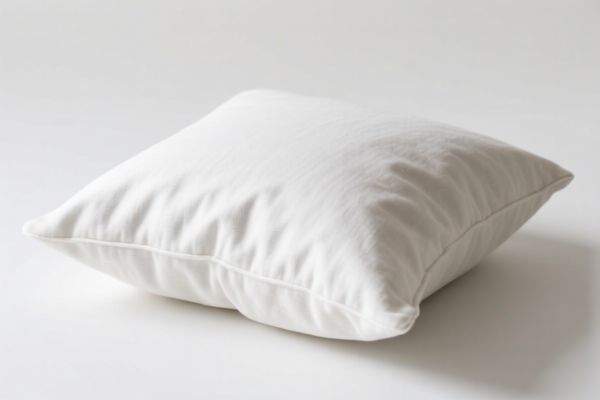
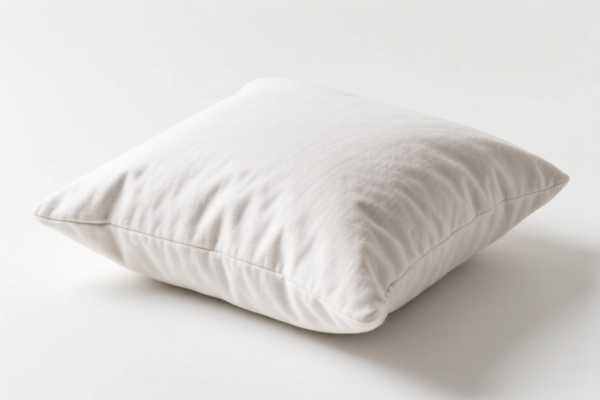
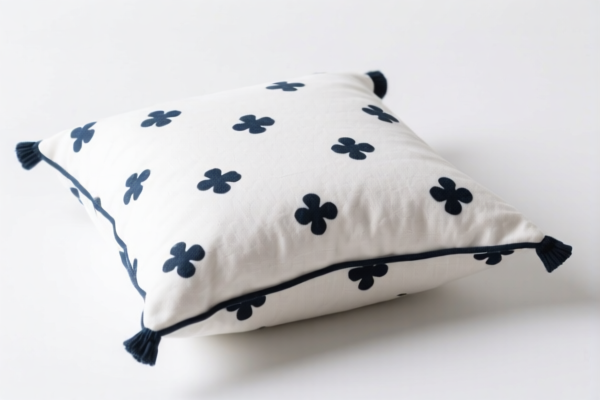
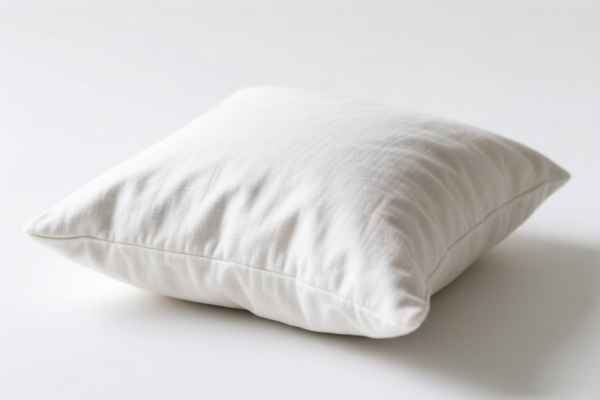
AI Analysis
🛏️ Cotton Cushion Covers (Bedding Textiles)
🌐 HS Code Reference & Customs Clearance Guide | 2026 Latest Tariff Analysis | Professional Strategy for US Imports from China
📌 1. Product Definition & Classification: What Exactly is a "Cotton Cushion Cover"?
A Cotton Cushion Cover is a textile accessory used in bedding and home decoration. In international trade, the classification depends heavily on the material composition, weave structure, and intended use (bedding vs. clothing accessory).
Key Distinctions: * Bedding/Linen Category: If the cover is made of woven cotton fabric and intended for household use (pillowcases), it typically falls under Chapter 63 (Other Made Up Textile Articles) or Chapter 52 (Cotton Yarn/Fabric) depending on specific manufacturing details. * Apparel/Accessory Category: If considered a fashion accessory or part of an apparel line, it might fall under Chapter 61 (Knitted/Crocheted Apparel).
⚠️ Critical Classification Point: * If it is a woven cotton textile used for bedding → Chapter 63 is most common for "made-up" articles like pillowcases. * If it is knitted → Chapter 61. * If it is classified purely by the fabric type before being made up → Chapter 52.
📦 2. HS Code Classification Details (Based on Provided Data)
The following HS Codes and tax rates are derived strictly from the provided <DATA> context. These codes reflect different interpretations of the product's nature (bedding, fabric extension, or accessory).
| HS Code | Product Description Summary | Total Tax Rate | Tax Composition Details |
|---|---|---|---|
5208.11.20.40 |
Pure cotton pillowcase, Cotton content >85%, classified under Bedding/SHEET textiles | 42.0% | Base: 7.0% Add-on: 25.0% Section 122 Tariff: 10% |
5208.12.40.40 |
Pure cotton pillowcase, Cotton content >85%, Bedding fabric extension for home textile application | 42.0% | Base: 7.0% Add-on: 25.0% Section 122 Tariff: 10% |
6302.21.90.10 |
Pure cotton pillowcase, Cotton-made, Non-beruffled, no long-pillow characteristics | 24.2% | Base: 6.7% Add-on: 7.5% Section 122 Tariff: 10% |
6302.21.50.10 |
Pure cotton pillowcase, Cotton requirement, Default match for non-long pillowcase category | 38.4% | Base: 20.9% Add-on: 7.5% Section 122 Tariff: 10% |
6117.80.95.10 |
Pure cotton pillowcase, Cotton limitation, Classified as Apparel or Textile Accessory | 32.1% | Base: 14.6% Add-on: 7.5% Section 122 Tariff: 10% |
5208.21.20.40 |
Pure cotton pillowcase, Cotton textile feature, Classified under Bedding/Cotton Bedding | 43.4% | Base: 8.4% Add-on: 25.0% Section 122 Tariff: 10% |
🔍 Key Observation: * The highest tax burden (42-43.4%) applies when the product is strictly classified under Chapter 52 (Cotton Fabric/Yarn) with a 25% Add-on Tariff (likely Section 301). * The lowest tax burden (24.2%) applies under Chapter 63 (
6302.21.90.10) where the add-on tariff is only 7.5%. * Section 122 Tariff (10%) is consistently applied across all codes in this dataset, indicating a specific regulatory requirement for this product type or origin.
💰 3. 2026 Latest Tariff Rate Breakdown
✅ Applicable Country: United States (US)
✅ Origin: China (CN)
✅ Key Factor: All codes include "Add-on Tariffs" and "Section 122 Tariffs" in the provided data.
🎯 1. 5208.11.20.40 & 5208.12.40.40 —— Cotton Fabric Classification (High Tariff)
| Item | Content |
|---|---|
| Base Tariff | 7.0% |
| Add-on Tariff | +25.0% (Significant penalty tier) |
| Section 122 Tariff | +10.0% |
| Total Tax Rate | 42.0% |
| Tax Calculation | CIF Value × 42.0% |
| De Minimis Eligibility | ❌ No (High duty rates usually exclude de minimis) |
📌 Explanation: * These codes treat the pillowcase as a cotton fabric or yarn-based product first. * The 25% Add-on is substantial. This often relates to specific trade remedies or Section 301 tariffs on cotton products from China. * Cost Impact: Very high. Importers should avoid this classification if a lower-tariff alternative exists.
🎯 2. 6302.21.90.10 —— Bedding Textile Article (Lowest Tariff)
| Item | Content |
|---|---|
| Base Tariff | 6.7% |
| Add-on Tariff | +7.5% (Lower penalty tier) |
| Section 122 Tariff | +10.0% |
| Total Tax Rate | 24.2% |
| Tax Calculation | CIF Value × 24.2% |
| De Minimis Eligibility | ❌ No |
📌 Explanation: * This code classifies the item as a made-up textile article (pillowcase) under Chapter 63. * The 7.5% Add-on is significantly lower than the 25% in Chapter 52 codes. * Recommendation: If the product clearly fits the description of "non-beruffled cotton pillowcase," this is the most cost-effective classification.
🎯 3. 6302.21.50.10 —— Other Bedding Textile Article (Medium-High Tariff)
| Item | Content |
|---|---|
| Base Tariff | 20.9% |
| Add-on Tariff | +7.5% |
| Section 122 Tariff | +10.0% |
| Total Tax Rate | 38.4% |
| Tax Calculation | CIF Value × 38.4% |
📌 Explanation: * Higher base rate (20.9%) despite the lower add-on (7.5%). * Likely applies to a more specific sub-category of bedding textiles that commands a higher duty.
🎯 4. 6117.80.95.10 —— Apparel Accessory (Medium Tariff)
| Item | Content |
|---|---|
| Base Tariff | 14.6% |
| Add-on Tariff | +7.5% |
| Section 122 Tariff | +10.0% |
| Total Tax Rate | 32.1% |
| Tax Calculation | CIF Value × 32.1% |
📌 Explanation: * Classified as an apparel accessory (Chapter 61). * Useful if the pillowcase is marketed as a fashion item or part of a clothing set. * Cost Impact: Moderate. Lower than Chapter 52 codes but higher than the preferred Chapter 63 code (
6302.21.90.10).
🎯 5. 5208.21.20.40 —— Cotton Bedding Fabric (Highest Tariff)
| Item | Content |
|---|---|
| Base Tariff | 8.4% |
| Add-on Tariff | +25.0% |
| Section 122 Tariff | +10.0% |
| Total Tax Rate | 43.4% |
| Tax Calculation | CIF Value × 43.4% |
📌 Explanation: * The highest total rate (43.4%). * Strictly classified under cotton fabric/yarn categories with maximum add-ons. * Avoid unless the product is actually sold as raw fabric rolls, not finished covers.
🛠️ 4. Customs Clearance Practical Advice
✅ 1. Documentation Checklist (Must-Haves)
| Document | Required | Notes |
|---|---|---|
| ✅ Product Specification | ✔️ | Must state: Material (100% Cotton or >85%), Weave Type (Woven/Knitted), Use (Bedding). |
| ✅ Commercial Invoice | ✔️ | Clearly describe as "Cotton Pillowcase" or "Cotton Cushion Cover." Avoid vague terms like "Textile Item." |
| ✅ Packing List | ✔️ | Net weight and gross weight per unit. |
| ✅ Certificate of Origin | ✔️ | Crucial for determining if Section 301 or other tariffs apply. |
| ✅ Product Photos | ✔️ | Show the item clearly as a finished pillowcase, not fabric. |
| ✅ Tariff Classification Support | ✔️ | Provide legal basis for choosing 6302.21.90.10 over 5208... codes (e.g., GRI 1: It’s a made-up article, not fabric). |
✅ 2. Classification Strategy (Key to Saving Money)
🔥 "Finished Bedding, Not Fabric! Choose Chapter 63!"
| Scenario | Recommended HS Code | Tax Rate | Why? |
|---|---|---|---|
| Standard Cotton Pillowcase | 6302.21.90.10 |
24.2% | ✅ Lowest Tax. Classified as a made-up bedding textile. |
| Fashion/Stylish Pillowcase | 6117.80.95.10 |
32.1% | ⚠️ Medium Tax. If marketed as an accessory, not just bedding. |
| Sold as Cotton Fabric Rolls | 5208.11.20.40 |
42.0% | ❌ High Tax. Only for raw fabric, not finished covers. |
| Specialty Bedding (Long/Specific) | 6302.21.50.10 |
38.4% | ⚠️ High Base Rate. Use only if it fits specific sub-category. |
📌 Critical Advice: * Do NOT classify finished pillowcases under Chapter 52 (
5208...) if they are made-up articles. Chapter 63 is generally more appropriate for finished bedding textiles and offers a lower add-on tariff (7.5% vs 25%). * Ensure the description emphasizes "Pillowcase" or "Cushion Cover" and "Bedding Use" to support the6302classification.
✅ 3. Special Considerations
| Situation | Handling Advice |
|---|---|
| Cotton Content < 85% | The provided data assumes >85% cotton. If lower, re-evaluate classification under synthetic blends (different HS codes). |
| Knitted vs. Woven | 6302.21 typically refers to woven cotton bedding. If knitted, Chapter 61 (6117...) might be more accurate, though tax is higher (32.1%). |
| Section 122 Tariff | The 10% "Section 122 Tariff" is consistent across all codes. This suggests a new or specific regulatory surcharge on cotton textiles from China. Verify this regulation as it significantly impacts costs. |
| De Minimis (Section 321) | Given the high total tax rates (24-43%), shipments valued under $800 may still face scrutiny if duties exceed de minimis thresholds or if excluded categories apply. |
🌍 5. Market Comparison (Hypothetical 2026)
| Market | Recommended HS Code | Est. Total Tax | Notes |
|---|---|---|---|
| 🇺🇸 USA | 6302.21.90.10 |
24.2% | Best option in dataset. Includes Section 122 + Add-on. |
| 🇨🇳 China | 6302.21.00.00 |
~10-15% | Lower import duties for inbound, but this analysis focuses on US imports. |
| 🇪🇺 EU | 6302.21.00 |
~6-9% | VAT excluded. No Section 122 equivalent, but different duty rates. |
📌 Conclusion: * For US imports from China, the
6302.21.90.10code offers the most competitive tax rate (24.2%) among the provided options. * Avoid5208codes unless the product is raw fabric, as the 25% add-on makes it prohibitively expensive.
📌 6. Common Errors & Pitfalls (Learn from Others' Mistakes)
❌ Error 1: Classifying finished pillowcases as Cotton Fabric (5208...)
👉 Consequence: Tax jumps from 24.2% to 42-43%. Loss of ~$18k per $100k shipment!
❌ Error 2: Ignoring Section 122 Tariff
👉 Consequence: Unexpected 10% surcharge on all declarations. Budget accordingly.
❌ Error 3: Vague Description ("Cotton Textile")
👉 Consequence: Customs may reclassify to a higher duty rate or demand additional documentation.
✅ Correct Practice:
"100% Cotton Woven Pillowcase, Household Use, Finished Article"
Supports classification under6302.21.90.10.
🎯 7. Conclusion: Optimize Your Classification
🎯 Key Takeaway:
🔹 "Finished Bedding, Choose Chapter 63!"
🔹 "Avoid Chapter 52 for Pillowcases – Save 20% in Duties!"
🔹 "Check Section 122 Tariff – It’s a 10% Fixed Cost!"
📌 Action Item:
1. Verify Material: Ensure cotton content is >85%.
2. Select HS Code: Use 6302.21.90.10 for the lowest tax (24.2%).
3. Document: Clearly state "Pillowcase" and "Bedding" in commercial invoices.
4. Budget: Include the 10% Section 122 Tariff in cost calculations.
📣 Final Advice:
📞 Consult a Customs Broker: Tariff classifications can change. Always validate with a licensed customs broker in the US. 🚀 Proactive Compliance: Pre-clear your classification to avoid delays and unexpected penalties.
✨ Smart Classification Saves Money!
💼 Every Percentage Point Counts in International Trade!
Customer Reviews
About HS Code Classification
The Harmonized System (HS) is an internationally standardized nomenclature developed by the World Customs Organization (WCO) to classify traded products. Over 200 countries use the HS system as the basis for customs tariffs, trade statistics, and import/export regulations.
Each HS code follows a hierarchical structure:
- Chapter (2 digits) — Broad category of goods (e.g., Chapter 84: Machinery and Mechanical Appliances)
- Heading (4 digits) — More specific grouping within the chapter
- Subheading (6 digits) — Internationally standardized breakdown, used by all WCO member countries
- National subdivisions (8-10 digits) — Country-specific extensions for further classification, such as US HTSUS 10-digit codes
Correct HS code classification is essential for smooth customs clearance, accurate duty payment, and compliance with trade regulations. Misclassification can lead to customs delays, overpayment of duties, or penalties.
When importing from CN to US, the applicable tariff rates may include:
- Most-Favored-Nation (MFN) rate — The standard duty rate applied to WTO members
- General rate — Applied to countries without trade agreements
- Trade remedy duties — Additional tariffs such as Section 301 (anti-dumping), Section 232 (national security), or countervailing duties
The information provided on this page is for reference purposes only. For official classification, please consult with your local customs authority or a licensed customs broker.