Cotton Cycling Backpack
CN → US| HS Code | Tariff Rate | Origin | Destination | Doc |
|---|---|---|---|---|
| 4202923120 | 52.6% | CN | US | Official Doc |
| 4202921500 | 41.3% | CN | US | Official Doc |
Product Images
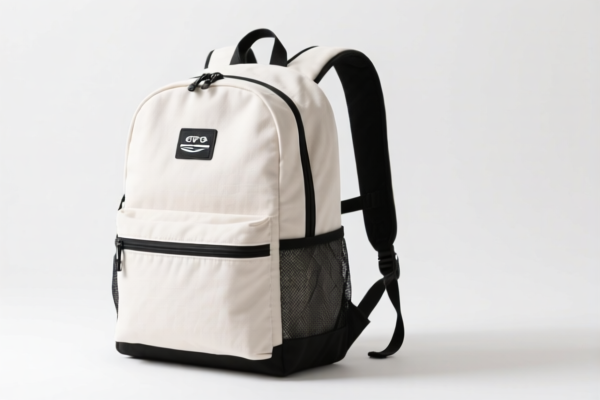
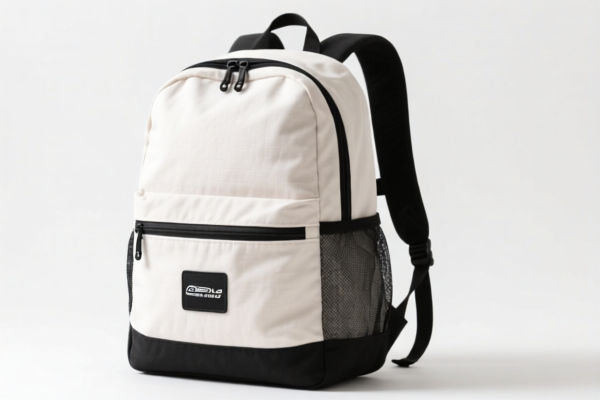
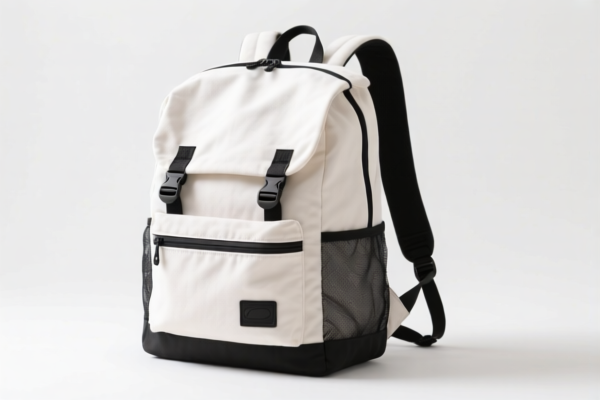
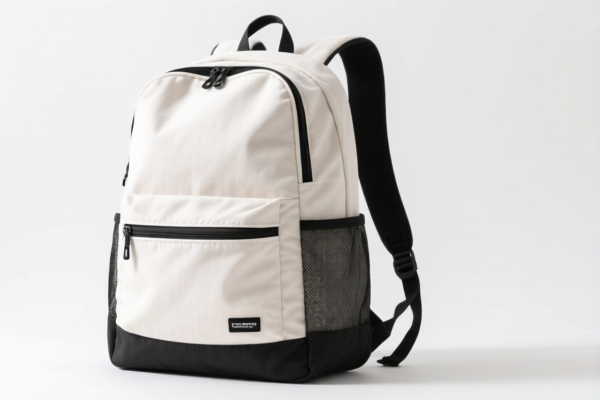
AI Analysis
🎒 Cotton Cycling Backpack: HS Code Guide & Clearance Strategy 2026
🌐 HS Code Reference & Clearance Guide | 2026 Latest Tariff Analysis | Professional Entry Strategy
📌 I. Product Definition & Classification: What is a "Cotton Cycling Backpack"?
A Cotton Cycling Backpack falls under the broader category of Textile Bags. In international trade, it is primarily classified based on its outer surface material and function.
Key Distinction: * Material: The outer surface is made of textile materials, specifically cotton (a vegetable fiber). * Function: It is designed for sports/cycling purposes (knapsack/backpack). * HS Chapter: Chapter 42 (Articles of leather; saddlery and harness; travel goods, handbags and similar containers).
⚠️ Critical Classification Point:
- If the outer surface is cotton → It falls under 4202.92.15.00.
- If the outer surface is man-made fibers (e.g., polyester, nylon) → It falls under 4202.92.31.20.
- Pure Cotton vs. Blended: If the outer surface is >50% cotton, it is generally classified as cotton. If it's a blend, customs may require a breakdown. For this guide, we assume 100% Cotton or Predominantly Cotton outer surface as per the provided data.
📦 II. HS Code Classification Details (2026 Latest Tariff Authority Reference)
| HS Code | Product Description | Applicable Scenario | Material Requirement |
|---|---|---|---|
4202.92.15.00 |
Travel, sports and similar bags: With outer surface of textile materials: Of vegetable fibers and not of pile or tufted construction: Of cotton | Cycling Backpacks with cotton outer fabric | ✅ Cotton (Vegetable Fiber) |
4202.92.31.20 |
Travel, sports and similar bags: With outer surface of textile materials: Of man-made fibers | Backpacks with Polyester/Nylon outer fabric | ❌ Not Cotton (Man-made Fiber) |
🔍 Key Reminder:
- Do NOT confuse "Cotton" with "Man-made Fibers": Polyester is the most common material for cycling backpacks. Ensure your product description explicitly states "Cotton" if using4202.92.15.00.
- Pile or Tufted: If the cotton is flocked, tufted, or pile (like velour), it may fall under different subheadings. The code4202.92.15.00specifies "not of pile or tufted construction". Standard woven cotton canvas or twill is acceptable here.
💰 III. 2026 Latest Tariff Rate Details (Including Surcharges)
✅ Applicable Country: United States (US)
✅ Origin: China (CN)
✅ Effective Time: 2025 onwards (current tariffs)
🎯 1. 4202.92.15.00 —— Cotton Backpacks (Vegetable Fiber)
| Item | Content |
|---|---|
| Base Tariff | 0.0% |
| Section 301 Surcharge | 0.0% |
| Total Tariff Rate | 0.0% |
| Calculation | CIF Value × 0.0% = $0 |
| De Minimis Eligibility | ✅ Yes (For shipments under $800) |
| Legal Basis | HTSUS 4202.92.15.00 |
📌 Explanation:
- According to the provided data, both listed HS codes have a 0.0% total tax rate.
- This is extremely favorable compared to electronics or steel.
- No Section 301 or IEEPA surcharges are listed for these specific textile bag subheadings in the provided data.
- Note: Always verify with the latest USITC database, as textile tariffs can change. However, for cotton bags, many entries remain at 0% or low rates.
🛠️ IV. Practical Clearance Advice (Avoid Pitfalls)
✅ 1. Required Documentation Checklist
| Document | Must Provide | Explanation |
|---|---|---|
| ✅ Product Description | ✔️ | Must explicitly state "Cotton" and "Backpack/Knapsack". Avoid vague terms like "Bag". |
| ✅ Material Composition | ✔️ | Detail the % of cotton in the outer shell. Example: "100% Cotton Canvas Outer". |
| ✅ Product Photos | ✔️ | Show the texture (woven, not tufted) and structure (backpack straps, compartments). |
| ✅ Commercial Invoice | ✔️ | Match HS Code 4202.92.15.00 on the invoice. |
| ✅ Packing List | ✔️ | Include quantity, weight, and dimensions. |
✅ 2. Declaration Tips (Key Rules)
🔥 “Material is King, Function is Queen! Be Specific!”
| Scenario | Correct Declaration | Wrong Practice |
|---|---|---|
| Cotton Outer Shell | 4202.92.15.00 |
Misdeclare as polyester (4202.92.31.20) → Risk of audit if material differs. |
| Polyester Outer Shell | 4202.92.31.20 |
Misdeclare as cotton → Customs seizure for false material declaration. |
| Mixed Material | Analyze dominant outer surface | Declare as "Textile Bag" without material detail → Delay. |
| Tufted/Flocked Cotton | Check other subheadings | Use 4202.92.15.00 for tufted → Incorrect classification. |
✅ 3. Special Cases
| Case | Handling Advice |
|---|---|
| Cotton + Leather Trim | If the outer surface is still primarily cotton textile, it falls under 4202.92.15.00. If leather covers >50% of surface, it may move to Chapter 42 "Leather" sections. |
| Cycling-Specific Features | Reflective strips, hydration bladders, or helmet holders do not change the HS Code. It remains a textile bag. |
| De Minimis Shipments | For shipments < $800 (Section 321), these 0% tariff items clear easily with minimal documentation. |
🌍 V. Global Market Comparison (2026)
| Country/Region | Recommended HS Code | Tariff (China Origin) | Certification | Notes |
|---|---|---|---|---|
| 🇺🇸 USA | 4202.92.15.00 |
0.0% | None required | Very favorable for cotton bags. |
| 🇪🇺 EU | 4202.92.31 (General Textile) | 4.7% | CE (if safety gear), REACH | EU may have higher base rates. |
| 🇨🇳 China | 4202.92.15.00 | 0% | CCC (if specific safety) | Low entry barrier. |
| 🇬🇧 UK | 4202.92.15 | 4.7% | UKCA | Post-Brexit rules apply. |
📌 Conclusion:
- The USA offers the most competitive tariff (0%) for cotton backpacks based on the provided data.
- China is also 0% base rate.
- EU/UK may charge ~4.7%.
- Strategy: Target US market for higher margins due to 0% tariff.
📌 VI. Common Mistakes & Pitfalls
❌ Mistake 1: Declaring Polyester backpacks as Cotton
👉 Consequence: Customs fines for misdeclaration. Material testing may be required.
❌ Mistake 2: Using "Backpack" without specifying Material
👉 Consequence: Customs may assign a default higher tariff code or request detailed breakdown.
❌ Mistake 3: Ignoring Pile/Tufted distinction
👉 Consequence: If the cotton is fleece-lined or plush (tufted), 4202.92.15.00 is incorrect. Must use other textile bag codes.
✅ Correct Declaration Example:
"Cotton Cycling Backpack, 20L, Water-Resistant Coating, Black, Model CB-2026, Outer Material: 100% Cotton Canvas, HS Code: 4202.92.15.00"
🎯 VII. Conclusion: Professional Declaration, Cost Savings!
🎯 Key Takeaways:
🔹 Cotton = 0% Tariff (US) → High profit margin.
🔹 Material Must Be Explicit → "Cotton" vs. "Polyester" changes everything.
🔹 Not Tufted/Pile → Ensure standard woven texture for4202.92.15.00.
📌 Pro Tip:
If your backpack uses Polyester (more common in cycling for durability), use 4202.92.31.20 which also shows 0.0% in the provided data. Both codes are currently tax-free, but material accuracy is critical.
📣 Action Item:
📞 Verify Material Composition with your supplier.
🚀 Declare Accurately to avoid customs holds.
💰 Maximize Margins with 0% duty in key markets.
✨ Accurate Classification Starts Here!
💼 Your Bag’s Value Depends on the Right HS Code!
Customer Reviews
About HS Code Classification
The Harmonized System (HS) is an internationally standardized nomenclature developed by the World Customs Organization (WCO) to classify traded products. Over 200 countries use the HS system as the basis for customs tariffs, trade statistics, and import/export regulations.
Each HS code follows a hierarchical structure:
- Chapter (2 digits) — Broad category of goods (e.g., Chapter 84: Machinery and Mechanical Appliances)
- Heading (4 digits) — More specific grouping within the chapter
- Subheading (6 digits) — Internationally standardized breakdown, used by all WCO member countries
- National subdivisions (8-10 digits) — Country-specific extensions for further classification, such as US HTSUS 10-digit codes
Correct HS code classification is essential for smooth customs clearance, accurate duty payment, and compliance with trade regulations. Misclassification can lead to customs delays, overpayment of duties, or penalties.
When importing from CN to US, the applicable tariff rates may include:
- Most-Favored-Nation (MFN) rate — The standard duty rate applied to WTO members
- General rate — Applied to countries without trade agreements
- Trade remedy duties — Additional tariffs such as Section 301 (anti-dumping), Section 232 (national security), or countervailing duties
The information provided on this page is for reference purposes only. For official classification, please consult with your local customs authority or a licensed customs broker.