Cotton Fabric (HS Code 5208496010)
CN → US| HS Code | Tariff Rate | Origin | Destination | Doc |
|---|---|---|---|---|
| 5208496010 | 44.7% | CN | US | Official Doc |
| 5208496020 | 44.7% | CN | US | Official Doc |
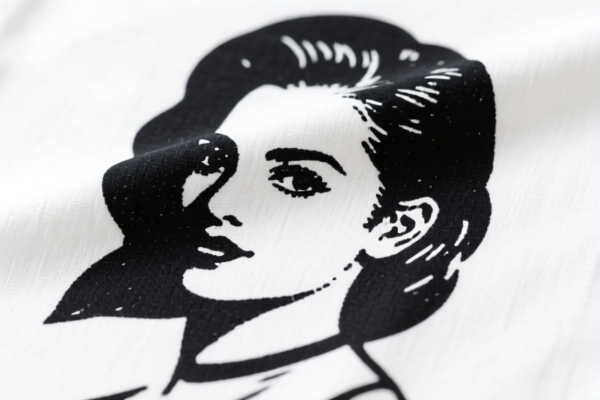
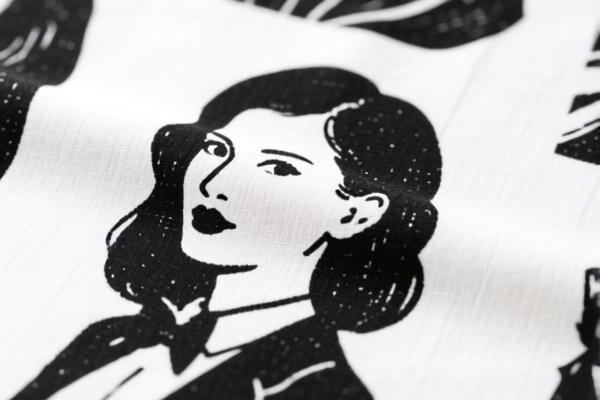
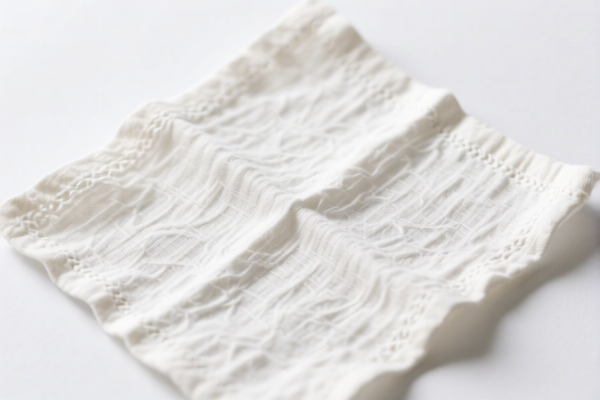
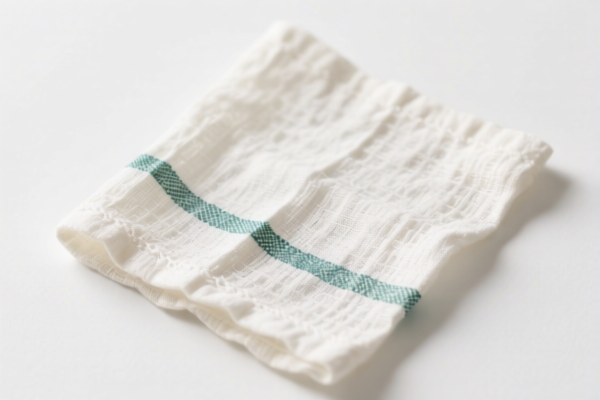
Product Images
AI Analysis
🧵 Cotton Fabric: Yarn-Dyed Oxford Cloth (HS Code 5208.49.60.10)
🌐 HS Code Reference & Customs Clearance Guide | 2026 Latest Tariff Analysis | Professional Clearance Strategy
📌 I. Product Definition & Classification: Do You Really Understand "Cotton Fabric"?
Cotton fabric is a fundamental material in the global textile industry. In international trade, specifically under HS Code 5208, it is strictly categorized by weight, cotton content, and weaving structure.
The Specific Product: Oxford Cloth (Yarn-Dyed)
This refers to woven fabrics made of cotton (≥85% by weight), weighing ≤200 g/m², specifically "Oxford Cloth" defined by yarn counts 43 to 68, where the fabric is made of yarns of different colors (yarn-dyed).
⚠️ Key Distinction Point:
- Oxford Cloth (Counts 43-68): If the yarn count falls within this range and is yarn-dyed, it is classified under 5208.49.60.10.
- Jacquard Woven: If the fabric is Jacquard woven and exceeds 127 cm in width, it falls under a different subheading (5208.49.60.20), even if it is also cotton and yarn-dyed.
- Other Fabrics: If it is not Oxford (43-68 count) and not Jacquard, it falls under "Other" subheadings.
📦 II. HS Code Classification Details (2026 Latest Tariff Authority Comparison)
Based on the provided data, here are the two relevant HS codes for cotton fabrics meeting the weight and cotton content criteria:
| HS Code | Product Description | Key Characteristics | Width/Structure |
|---|---|---|---|
5208.49.60.10 |
Oxford Cloth (Counts 43-68), Yarn-Dyed | Woven cotton fabric (≥85%), ≤200 g/m². Specific to Oxford construction with yarn counts between 43 and 68. | Standard Oxford |
5208.49.60.20 |
Jacquard Woven Fabric, Yarn-Dyed | Woven cotton fabric (≥85%), ≤200 g/m². Specifically Jacquard pattern. | Width > 127 cm |
🔍 Critical Reminder:
- Do not confuse Oxford with Jacquard: If your fabric is yarn-dyed but is Jacquard woven AND wider than 127 cm, it must be declared under5208.49.60.20, not10.
- Width Matters for Jacquard: The20subheading explicitly requires a width exceeding 127 cm.
- Yarn Count Matters for Oxford: The10subheading is strictly for Oxford cloth with yarn numbers 43 to 68.
💰 III. 2026 Latest Tariff Rate Details (Including Surtaxes)
✅ Applicable Region: United States (US)
✅ Origin: China (CN)
✅ Effective Time: Current Tariff Schedule (Base Rate + Surtaxes)
🎯 1. 5208.49.60.10 —— Oxford Cloth (Yarn-Dyed, Counts 43-68)
| Item | Content |
|---|---|
| Base Tariff Rate | 0.0% |
| Additional Surcharge | 0.0% |
| Total Tax Rate | 0.0% |
| Tax Calculation | CIF Value × 0.0% = $0 |
| De Minimis Exemption | ✅ Yes (Likely eligible under Section 321 for small parcels, subject to value limits) |
| Legal Basis | General Tariff Schedule for Cotton Woven Fabrics |
📌 Explanation:
- Base Rate 0%: The US General Tariff Schedule (HTSUS) often applies a 0% base rate for specific categories of cotton woven fabrics, particularly those not subject to higher protective duties.
- Additional Surcharge 0%: According to the provided data, there are no Section 301 or IEEPA surcharges applied to this specific HS code. This is a significant advantage compared to electronics or steel products.
- Total Cost: Import duties are zero. However, other fees (Merchandise Processing Fee, Harbor Maintenance Fee) may still apply depending on the port and value.
🎯 2. 5208.49.60.20 —— Jacquard Woven Fabric (Width > 127 cm)
| Item | Content |
|---|---|
| Base Tariff Rate | 0.0% |
| Additional Surcharge | 0.0% |
| Total Tax Rate | 0.0% |
| Tax Calculation | CIF Value × 0.0% = $0 |
| De Minimis Exemption | ✅ Yes |
| Legal Basis | General Tariff Schedule for Cotton Woven Fabrics |
📌 Explanation:
- Similar to Oxford cloth, this subheading also benefits from a 0% total duty rate.
- No Surcharge: No additional tariffs apply to this specific cotton fabric classification.
🛠️ IV. Customs Clearance Practical Advice (Real-World Pitfall Guide)
✅ 1. Documentation Checklist (Essential)
| Document | Required? | Notes |
|---|---|---|
| ✅ Commercial Invoice | ✔️ | Must clearly state: "Cotton Woven Fabric," "Yarn-Dyed," "Oxford Cloth," "Count 43-68" |
| ✅ Packing List | ✔️ | Detail weight (g/m²), width, and total meters/rolls |
| ✅ Product Description | ✔️ | Specify "≥85% Cotton," "Weight ≤200 g/m²" |
| ✅ Certificate of Origin (CO) | ✔️ | If claiming any preferential treatment (though base rate is 0%) |
| ✅ Fabric Test Report | ✔️ | Optional but recommended to prove cotton content (≥85%) and weight (≤200 g/m²) |
✅ 2. Declaration Tips (Key Mnemonics)
🔥 "Cotton ≥85%, Weight ≤200, Yarn-Dyed Check Oxford vs. Jacquard!"
| Scenario | Correct Declaration | Wrong Practice |
|---|---|---|
| Oxford Cloth, Yarn-Dyed, Counts 43-68 | 5208.49.60.10 |
Misdeclare as "General Cotton Fabric" → Risk of audit |
| Jacquard Fabric, Width > 127 cm, Yarn-Dyed | 5208.49.60.20 |
Declare as 10 → Rejection/Clearance Delay |
| Jacquard Fabric, Width ≤ 127 cm | Other Subheading | Declare as 20 → Incorrect width criteria |
| Cotton Content < 85% | Different Chapter | Declare as 5208 → Classification Error |
✅ 3. Special Situation Handling
| Situation | Handling Advice |
|---|---|
| Mixed Shipments | Ensure Oxford and Jacquard fabrics are not mixed in one line item. They have different HS codes. |
| Width Dispute | If Jacquard fabric width is borderline (e.g., 126.5 cm vs 127.5 cm), provide precise measurement data. |
| Cotton Content Verification | If cotton content is exactly 85%, ensure test reports confirm "≥85%." Below 85% changes the chapter entirely (e.g., to 5209 or 5210). |
| Yarn Count Verification | For Oxford cloth, if the count is outside 43-68 (e.g., 40 or 70), it does not qualify for 5208.49.60.10. Check other "Other fabrics" subheadings. |
🌍 V. Global Market Customs Comparison (2026 Latest)
| Country/Region | Recommended HS Code | Tariff (China Origin) | Certification Requirements | Notes |
|---|---|---|---|---|
| 🇺🇸 USA | 5208.49.60.10 / .20 |
0.0% | No special certs required for basic entry | Zero Duty Advantage! |
| 🇨🇳 China | 5208.49.60.10 / .20 |
Varies (Import/Export) | GB Standards | Domestic trade not affected by US tariffs |
| 🇪🇺 EU | 5208.49 |
~4.5% - 12% (General) | REACH, OEKO-TEX | EU tariffs higher than US |
| 🇬🇧 UK | 5208.49 |
~4.5% - 12% | UK CA | Post-Brexit tariffs similar to EU |
| 🇦🇺 Australia | 5208.49 |
~5% | ARA (if applicable) | Moderate tariff |
📌 Conclusion:
- The US offers a 0% duty rate for these specific cotton fabrics, making it a highly competitive market for Chinese textile exporters.
- No Section 301 surcharge applies, unlike many other Chinese goods.
- Accuracy is Key: Misclassification (e.g., wrong width for Jacquard) can lead to penalties, though the base rate is low.
📌 VI. Common Mistakes & Pitfalls (Lessons Learned)
❌ Mistake 1: Declaring Jacquard fabric wider than 127 cm under 5208.49.60.10 (Oxford).
👉 Consequence: Customs may reject the entry or reclassify, causing delays. While the rate is the same, the HS code must be precise for statistical and regulatory purposes.
❌ Mistake 2: Ignoring the "Yarn-Count" specification for Oxford cloth.
👉 Consequence: If the yarn count is not 43-68, the product is not Oxford Cloth under this subheading. It might fall under a different "Other" category with potentially different regulations.
❌ Mistake 3: Assuming "Cotton Fabric" means all cotton fabrics.
👉 Consequence: If cotton content is <85%, the HS code changes entirely (e.g., to 5209 or 5210). Ensure ≥85% by weight.
✅ Correct Practice:
"Cotton Woven Fabric, Yarn-Dyed, Oxford Construction, Yarn Count 45, Weight 180 g/m², ≥85% Cotton"
🎯 VII. Conclusion: Professional Declaration, Zero Duty Advantage!
🎯 Remember the Key Points:
🔹 "Cotton ≥85%, Weight ≤200g/m²."
🔹 "Yarn-Dyed Oxford (43-68 count) =5208.49.60.10."
🔹 "Yarn-Dyed Jacquard (>127cm) =5208.49.60.20."
🔹 "Total Tariff = 0.0% in the US!"
📌 Pro Tip:
Since the tariff is 0%, the main cost drivers are freight and logistics. Ensure accurate classification to avoid customs audits that could delay your shipment, even if no duty is owed.
For large shipments, consider Advance Rulings from CBP if you have complex fabric structures to confirm classification definitively.
📣 Immediate Action:
📞 Confirm your fabric's yarn count (for Oxford) or width (for Jacquard) with your supplier.
🚀 Declare accurately to benefit from the 0% duty rate and ensure smooth US customs clearance.
✨ Professional clearance starts with precise classification!
💼 Your profit margin deserves zero unnecessary taxes!
Customer Reviews
About HS Code Classification
The Harmonized System (HS) is an internationally standardized nomenclature developed by the World Customs Organization (WCO) to classify traded products. Over 200 countries use the HS system as the basis for customs tariffs, trade statistics, and import/export regulations.
Each HS code follows a hierarchical structure:
- Chapter (2 digits) — Broad category of goods (e.g., Chapter 84: Machinery and Mechanical Appliances)
- Heading (4 digits) — More specific grouping within the chapter
- Subheading (6 digits) — Internationally standardized breakdown, used by all WCO member countries
- National subdivisions (8-10 digits) — Country-specific extensions for further classification, such as US HTSUS 10-digit codes
Correct HS code classification is essential for smooth customs clearance, accurate duty payment, and compliance with trade regulations. Misclassification can lead to customs delays, overpayment of duties, or penalties.
When importing from CN to US, the applicable tariff rates may include:
- Most-Favored-Nation (MFN) rate — The standard duty rate applied to WTO members
- General rate — Applied to countries without trade agreements
- Trade remedy duties — Additional tariffs such as Section 301 (anti-dumping), Section 232 (national security), or countervailing duties
The information provided on this page is for reference purposes only. For official classification, please consult with your local customs authority or a licensed customs broker.