Cotton Fabric Composite Plastic Sheet
CN → US| HS Code | Tariff Rate | Origin | Destination | Doc |
|---|---|---|---|---|
| 5911203000 | 35.0% | CN | US | Official Doc |
| 3921902100 | 41.5% | CN | US | Official Doc |
| 5911102000 | 38.8% | CN | US | Official Doc |
| 3920992000 | 39.2% | CN | US | Official Doc |
| 3921905050 | 39.8% | CN | US | Official Doc |
Product Images
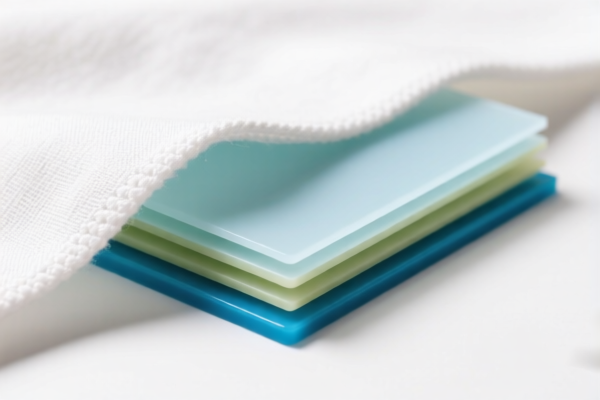
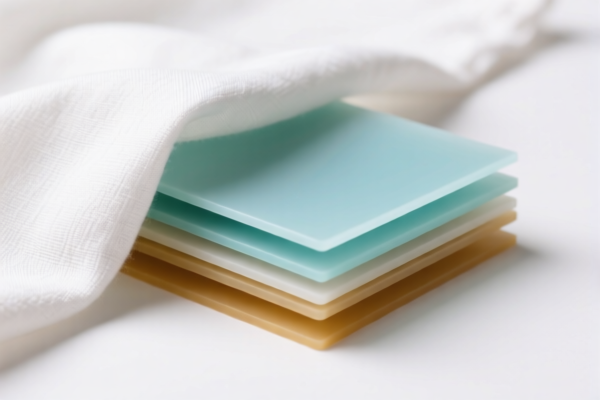
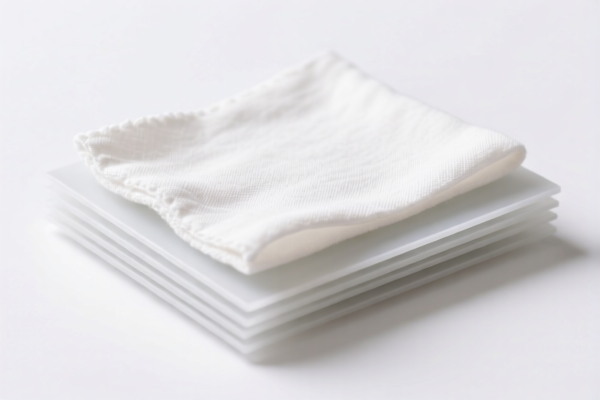
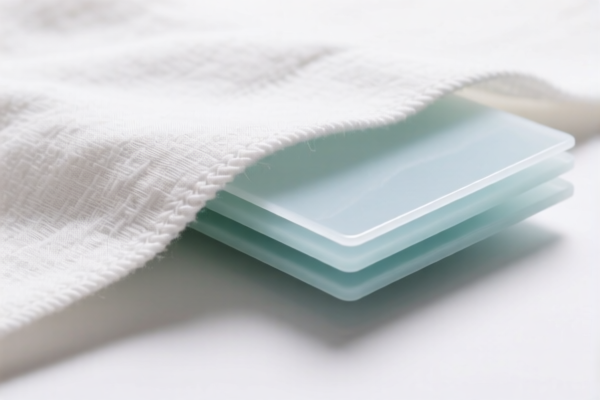
AI Analysis
🧵 Cotton Fabric Composite Plastic Sheet
[Material Analysis & Customs Clearance Strategy | 2026 Updated Tariff Guide | US-China Trade Context]
🌐 HS Code Reference & Clearance Guide | Expert-Level Classification Strategy
📌 一、Product Definition: What exactly is a "Cotton Fabric Composite Plastic Sheet"?
In international trade, this product sits at the intersection of Textiles (Chapter 59) and Plastics (Chapter 39). The classification hinges on the essential character of the composite material: * Textile-Looking Composites: Where cotton is the essential character, and plastic is merely a coating or backing for reinforcement. * Plastic-Looking Composites: Where plastic is the essential character, and cotton is embedded or coated within a plastic matrix.
⚠️ Key Distinction Point:
- If the product feels like fabric, is flexible, and the plastic is a surface layer/coating → Likely Chapter 59 (Textiles).
- If the product feels like a rigid sheet/board, has a smooth plastic surface, and the cotton is internal/filler → Likely Chapter 39 (Plastics).
📦 二、HS Code Classification Details (Authoritative Mapping)
Based on the provided data, here are the 5 potential HS Codes and their logical justifications:
| HS Code | Product Description | Classification Logic | Tax Rate |
|---|---|---|---|
5911.20.30.00 |
Textile Fabrics, Felt & Similar Textiles | Logic: Classified as a textile article where cotton is the essential character. The plastic is treated as a coating/lining on a fabric base. | 35.0% |
3921.90.21.00 |
Plastic Sheets & Plates, Not Reinforced/Laminated | Logic: Classified as a plastic article where cotton is embedded/combined. The description explicitly notes "Cotton is the main fiber" but the code falls under Plastic Chapter due to manufacturing form. | 41.5% |
5911.10.20.00 |
Textile Fabrics, Woven & Knitted | Logic: Strictly textile focus. The plastic aspect is ignored or considered negligible. Emphasizes the "fabric" nature over the composite structure. | 38.8% |
3920.99.20.00 |
Plastic Plates, Sheets, Film, Foil & Tape | Logic: Classified as a plastic composite board. The cotton component is considered minor or secondary to the plastic matrix. Shape is "Composite Board". | 39.2% |
3921.90.50.50 |
Plastic Plates, Sheets, Film, Foil & Tape | Logic: Similar to above, but a different sub-heading within plastic chapters. Often used for rigid plastic boards with minor fabric inserts. | 39.8% |
🔍 Critical Insight:
- Chapter 59 (5911.xxxxxx) generally offers lower total taxes (35-39%) compared to Chapter 39 (3921.xxxxxx) for similar materials if the textile character is dominant.
- However, 3921.90.21.00 has the highest tax (41.5%), likely due to specific "cotton-containing plastic" rules attracting higher scrutiny.
💰 三、2026 Tariff Rate Breakdown (Detailed Tax Analysis)
✅ Applicable Country: United States (US)
✅ Country of Origin: China (CN)
✅ Effective Date: Includes subsequent imports under current trade policies.
🎯 1. 5911.20.30.00 —— Textile Composite (Best Rate Option?)
| Item | Details |
|---|---|
| Base Tariff | 0.0% |
| Section 301 Tariff (25%) | +25% (USITC Footnote) |
| Section 122 Tariff (10%) | +10% (Specific provision cited) |
| Total Tariff | 35.0% |
| Calculation Basis | CIF Value × 35% |
| De Minimis Exemption | ❌ Not Applicable (High risk of seizure if under $800) |
| Legal Path | USITC:5911.20.30.00 → SECTION 301: 25% → SECTION 122: 10% |
📌 Explanation:
- This is the most favorable option among the listed codes.
- The 0% base rate significantly offsets the 35% surcharge.
- Classification as a textile avoids higher plastic base rates.
🎯 2. 3921.90.21.00 —— Cotton-Embedded Plastic (Highest Tax Risk)
| Item | Details |
|---|---|
| Base Tariff | 6.5% |
| Section 301 Tariff (25%) | +25% |
| Section 122 Tariff (10%) | +10% |
| Total Tariff | 41.5% |
| Calculation Basis | CIF Value × 41.5% |
| De Minimis Exemption | ❌ Not Applicable |
| Legal Path | USITC:3921.90.21.00 → SECTION 301: 25% → SECTION 122: 10% |
📌 Warning:
- This code incurs the highest total tax (41.5%).
- The 6.5% base tariff adds significant cost on top of the 35% surcharge.
- Avoid this classification unless specifically required by product composition.
🎯 3. 5911.10.20.00 —— Standard Textile Fabric
| Item | Details |
|---|---|
| Base Tariff | 3.8% |
| Section 301 Tariff (25%) | +25% |
| Section 122 Tariff (10%) | +10% |
| Total Tariff | 38.8% |
| Calculation Basis | CIF Value × 38.8% |
| De Minimis Exemption | ❌ Not Applicable |
| Legal Path | USITC:5911.10.20.00 → SECTION 301: 25% → SECTION 122: 10% |
📌 Note:
- Slightly higher than5911.20.30.00due to the 3.8% base tariff.
- Still better than Chapter 39 options.
🎯 4. 3920.99.20.00 —— Plastic Composite Board
| Item | Details |
|---|---|
| Base Tariff | 4.2% |
| Section 301 Tariff (25%) | +25% |
| Section 122 Tariff (10%) | +10% |
| Total Tariff | 39.2% |
| Calculation Basis | CIF Value × 39.2% |
| De Minimis Exemption | ❌ Not Applicable |
| Legal Path | USITC:3920.99.20.00 → SECTION 301: 25% → SECTION 122: 10% |
📌 Note:
- Mid-range option.
- Classification as "Plastic" rather than "Textile" triggers a higher base rate than the best textile code.
🎯 5. 3921.90.50.50 —— Plastic Sheet/Plate
| Item | Details |
|---|---|
| Base Tariff | 4.8% |
| Section 301 Tariff (25%) | +25% |
| Section 122 Tariff (10%) | +10% |
| Total Tariff | 39.8% |
| Calculation Basis | CIF Value × 39.8% |
| De Minimis Exemption | ❌ Not Applicable |
| Legal Path | USITC:3921.90.50.50 → SECTION 301: 25% → SECTION 122: 10% |
📌 Note:
- Similar to above, but slightly higher base tariff (4.8%).
- No advantage over other plastic codes.
🛠️ 四、Customs Clearance Practical Advice (Avoid Pitfalls)
✅ 1. Documentation Checklist (Non-Negotiable)
| Document | Required? | Purpose |
|---|---|---|
| ✅ Product Specification Sheet | ✔️ | Must specify: Cotton % vs. Plastic %, Layer Structure, Flexibility, Thickness |
| ✅ Material Composition Report | ✔️ | Lab test proving whether cotton or plastic provides "Essential Character" |
| ✅ Product Photos (Clear) | ✔️ | Show cross-section (layers) and surface texture |
| ✅ Commercial Invoice | ✔️ | Must use precise description: "Cotton Fabric Laminated with Plastic Sheet" |
| ✅ Packing List | ✔️ | Weight and dimensions for duty calculation |
| ✅ Certificate of Origin (CO) | ✔️ | Essential for verifying China origin and applying correct tariffs |
✅ 2. Classification Strategy (Key Tips)
🔥 “Textile Feel, Lower Tax; Plastic Feel, Higher Cost!”
| Scenario | Recommended HS Code | Reason |
|---|---|---|
| Product is flexible, fabric-like, plastic coated | 5911.20.30.00 |
Lowest Tax (35%). Classify as textile. |
| Product is rigid, plastic-like, cotton inside | 3920.99.20.00 |
Mid-range tax (39.2%). Classify as plastic. |
| Product is a mix, but cotton is main fiber | 3921.90.21.00 |
Highest Tax (41.5%). Avoid if possible due to high base rate. |
| Product is standard woven textile | 5911.10.20.00 |
Safe textile option (38.8%). |
📌 Critical Warning:
- Do not misclassify a rigid plastic board as a textile to save tax. Customs may audity and penalize.
- Do not misclassify a textile fabric as a plastic product. It may delay clearance.
✅ 3. Special Cases
| Case | Advice |
|---|---|
| OEM Custom Colors/Patterns | Provide design files to prove textile nature if applicable. |
| Hybrid Materials (Other Fibers) | If polyester is mixed with cotton, the classification may change. Be specific. |
| Small Quantity Samples | Still subject to duties. De Minimis ($800) does not apply to Section 301 goods from China in many cases. |
🌍 五、Global Market Comparison (2026)
| Market | Recommended HS Code | Total Tax (China Origin) | Notes |
|---|---|---|---|
| 🇺🇸 USA | 5911.20.30.00 |
35.0% | Best Option. High scrutiny on Section 301/122. |
| 🇨🇳 China | 5911.20.30.00 |
~5-10% | Lower base rates, no 301/122 tariffs. |
| 🇪🇺 EU | Varies | ~0-6.5% | No 301 tariffs. GSP may apply if eligible. |
| 🇦🇺 Australia | 5911.20.30.00 |
~5-10% | No US-style punitive tariffs. |
📌 Conclusion:
- USA is the most expensive market due to Section 301 and Section 122 tariffs.
- Choosing the correct HS Code (5911 vs 3921) can save up to 6.5% in total tax.
- Always prioritize5911.20.30.00if the product allows textile classification.
📌 六、Common Mistakes & Pitfalls (Lessons Learned)
❌ Mistake 1: Using "Plastic Sheet" as the description for a fabric-like product.
👉 Result: Customs may reclassify to 3921.90.21.00 → 41.5% Tax + Penalties.
❌ Mistake 2: Assuming "Composite" means it must be classified under the plastic chapter.
👉 Result: Ignoring GRI 3(b) (Essential Character) → Incorrect classification.
❌ Mistake 3: Not providing a cross-section photo.
👉 Result: Customs cannot verify layer structure → Clearance Delay.
❌ Mistake 4: Ignoring Section 122 Tariffs.
👉 Result: Underestimating cost by 10%. Total tax is Base + 25% + 10%.
✅ Correct Approach:
“Cotton Fabric, Laminated with Plastic Coating, Flexible, For Upholstery Use, Model XYZ”
🎯 七、Conclusion: Precise Classification Saves Money!
🎯 Key Takeaway:
🔹 “Textile Character = Lower Tax (35%)”
🔹 “Plastic Character = Higher Tax (39-41.5%)”
🔹 “Section 301 + 122 = 35% Surcharge on Top!”
📌 Action Plan:
1. Analyze Product: Is it more fabric or more plastic?
2. Choose HS Code: Prefer 5911.20.30.00 if textile-like.
3. Prepare Docs: Specs, Photos, Composition Report.
4. Calculate Cost: Include 35-41.5% total duty.
5. Consult Broker: Get pre-ruling if uncertain.
📣 Pro Tip:
If your product is borderline, consider modifying the manufacturing process to emphasize textile characteristics (e.g., ensure cotton is on the outer layer) to qualify for
5911.20.30.00.
✨ Clear Classification, Clear Customs, Clear Profits! 💼
Customer Reviews
About HS Code Classification
The Harmonized System (HS) is an internationally standardized nomenclature developed by the World Customs Organization (WCO) to classify traded products. Over 200 countries use the HS system as the basis for customs tariffs, trade statistics, and import/export regulations.
Each HS code follows a hierarchical structure:
- Chapter (2 digits) — Broad category of goods (e.g., Chapter 84: Machinery and Mechanical Appliances)
- Heading (4 digits) — More specific grouping within the chapter
- Subheading (6 digits) — Internationally standardized breakdown, used by all WCO member countries
- National subdivisions (8-10 digits) — Country-specific extensions for further classification, such as US HTSUS 10-digit codes
Correct HS code classification is essential for smooth customs clearance, accurate duty payment, and compliance with trade regulations. Misclassification can lead to customs delays, overpayment of duties, or penalties.
When importing from CN to US, the applicable tariff rates may include:
- Most-Favored-Nation (MFN) rate — The standard duty rate applied to WTO members
- General rate — Applied to countries without trade agreements
- Trade remedy duties — Additional tariffs such as Section 301 (anti-dumping), Section 232 (national security), or countervailing duties
The information provided on this page is for reference purposes only. For official classification, please consult with your local customs authority or a licensed customs broker.