Cotton Handbag
CN → US| HS Code | Tariff Rate | Origin | Destination | Doc |
|---|---|---|---|---|
| 6305200000 | 23.7% | CN | US | Official Doc |
| 4202926091 | 41.3% | CN | US | Official Doc |
| 4202224020 | 42.4% | CN | US | Official Doc |
| 6305900000 | 23.7% | CN | US | Official Doc |
| 4202228930 | 52.6% | CN | US | Official Doc |
Product Images
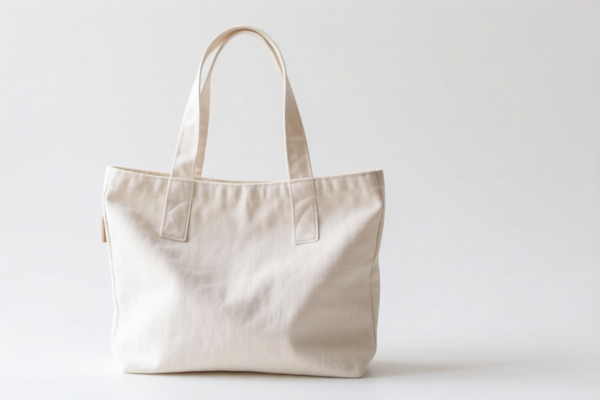
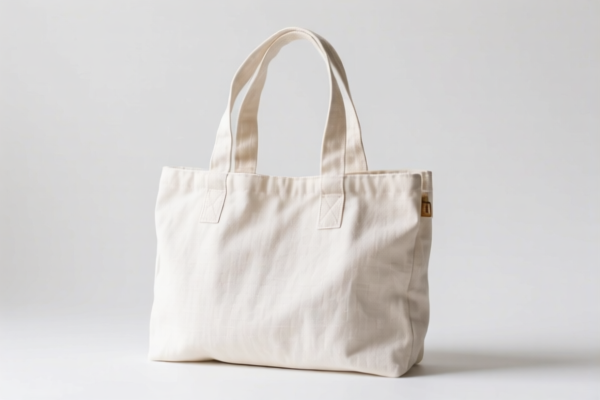
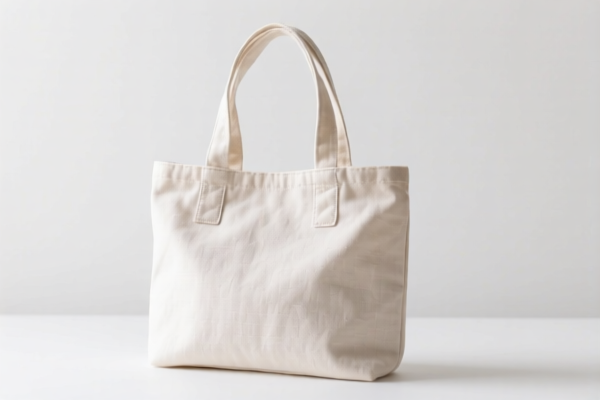
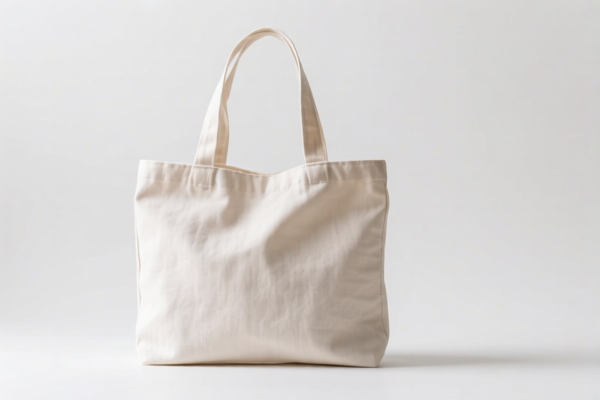
AI Analysis
🖥️ Cotton Handbag (Textile Bags)
🌐 HS Code Reference & Customs Clearance Guide | 2026 Latest Tariff Analysis | Professional-Level Clearance Strategy
📌 I. Product Definition & Classification: Do You Really Understand "Cotton Handbags"?
A cotton handbag, in the context of international trade, is a container made primarily of textile materials (cotton) used for carrying personal items. However, the crucial distinction lies in its function and construction:
- Bags for Goods Packaging (Sacks/Sacks-like): If the bag is designed primarily for industrial packaging, bulk storage, or transporting goods (e.g., shopping bags with a utilitarian, sack-like structure), it falls under Chapter 63 (Other made-up textile articles).
- Personal Accessories (Handbags/Luggages): If the bag is designed for personal use, fashion, or carrying daily essentials (even if made of cotton), it falls under Chapter 42 (Articles of leather or of composition leather; Saddle harness and harness).
⚠️ Key Distinction Point:
- If the item is a simple sack/shopping bag used for packaging → Classify under 6305 or 6307.
- If the item is a structured handbag/purse with handles/straps for personal use → Classify under 4202.
- Misclassification Risk: Declaring a personal handbag as a "sack" (6305) to avoid higher tariffs is a common customs violation. Customs will scrutinize the design, material thickness, and intended use.
📦 II. HS Code Classification Details (2026 Latest Tariff Authority Comparison)
| HS Code | Product Description | Application Scenario | Tax Rate (China to US) |
|---|---|---|---|
6305.20.00.00 |
Sacks and bags, of cotton, of a kind used for the packaging of goods | Bulk shopping bags, plain cotton sacks for retail packaging | 23.7% |
4202.22.40.20 |
Handbags, with outer surface of textile materials, of cotton | Fashionable cotton handbags, tote bags for personal use | 42.4% |
6305.90.00.00 |
Sacks and bags, of other textile materials | Cotton bags that don't fit specific 6305.20 criteria (e.g., mixed materials but cotton dominant) | 23.7% |
4202.22.89.30 |
Handbags, with outer surface of textile materials, of other textile materials | Cotton handbags that don't fit 4202.22.40 (e.g., complex structures) | 52.6% |
4202.92.60.91 |
Trunks, suitcases, vanity cases, etc., with outer surface of plastic sheeting or textile materials | Other textile bags not classified as handbags (e.g., travel organizers, non-handbag containers) | 41.3% |
🔍 Key Reminder:
- Handbags for personal use MUST be classified under Chapter 42 (4202.22.40.20or4202.22.89.30).
- Packaging sacks (plain, no fashion design, used for goods) can be classified under Chapter 63 (6305.20.00.00).
- Tax Difference: The tariff rate for handbags (Chapter 42) is significantly higher than for packaging sacks (Chapter 63) due to Section 301 and 122 tariffs.
💰 III. 2026 Latest Tariff Rate Details (Including Surcharges, Policy Add-ons)
✅ Applicable Country: United States (US)
✅ Origin: China (CN)
✅ Effective Time: 2025/2026 (Current tariffs apply)
🎯 1. 6305.20.00.00 —— Cotton Sacks/Bags for Packaging
| Item | Content |
|---|---|
| Base Tariff | 6.2% (ad valorem) |
| Section 301 Surcharge | +7.5% |
| Section 122 Surcharge | +10% |
| Total Tariff | 23.7% |
| Tax Calculation | CIF Value × 23.7% |
| De Minimis Exemption | ❌ Not Available (Section 301 and 122 usually exclude de minimis) |
| Legal Basis | USITC:6305.20.00.00 → SECTION301:7.5% → SECTION122:10% |
📌 Explanation:
- This code is for packaging sacks. If customs determines your "handbag" is actually a shopping bag, this rate applies.
- Total 23.7% includes base duty, Section 301, and Section 122.
- Risk: If you declare a fashion handbag as a "sack," you risk penalties for misclassification.
🎯 2. 4202.22.40.20 —— Cotton Handbags (Personal Use)
| Item | Content |
|---|---|
| Base Tariff | 7.4% (ad valorem) |
| Section 301 Surcharge | +25.0% |
| Section 122 Surcharge | +10% |
| Total Tariff | 42.4% |
| Tax Calculation | CIF Value × 42.4% |
| De Minimis Exemption | ❌ Not Available |
| Legal Basis | USITC:4202.22.40.20 → SECTION301:25.0% → SECTION122:10% |
📌 Note:
- This is the most common code for cotton handbags.
- Section 301 adds 25% on top of the base rate.
- Total 42.4% is the standard rate for most cotton handbags imported from China to the US.
🎯 3. 6305.90.00.00 —— Other Textile Bags (Packaging)
| Item | Content |
|---|---|
| Base Tariff | 6.2% |
| Section 301 Surcharge | +7.5% |
| Section 122 Surcharge | +10% |
| Total Tariff | 23.7% |
| Tax Calculation | CIF Value × 23.7% |
| De Minimis Exemption | ❌ Not Available |
| Legal Basis | USITC:6305.90.00.00 → SECTION301:7.5% → SECTION122:10% |
📌 Note:
- For textile bags that are not of cotton (or not strictly "sacks of cotton"), but still for packaging.
- Same rate as6305.20.00.00.
🎯 4. 4202.22.89.30 —— Other Textile Handbags
| Item | Content |
|---|---|
| Base Tariff | 17.6% |
| Section 301 Surcharge | +25.0% |
| Section 122 Surcharge | +10% |
| Total Tariff | 52.6% |
| Tax Calculation | CIF Value × 52.6% |
| De Minimis Exemption | ❌ Not Available |
| Legal Basis | USITC:4202.22.89.30 → SECTION301:25.0% → SECTION122:10% |
📌 Note:
- For handbags that don't fit the specific cotton subheading (4202.22.40.20).
- Highest tax rate in this list. Avoid if possible by correctly classifying under4202.22.40.20.
🎯 5. 4202.92.60.91 —— Other Textile Articles
| Item | Content |
|---|---|
| Base Tariff | 6.3% |
| Section 301 Surcharge | +25.0% |
| Section 122 Surcharge | +10% |
| Total Tariff | 41.3% |
| Tax Calculation | CIF Value × 41.3% |
| De Minimis Exemption | ❌ Not Available |
| Legal Basis | USITC:4202.92.60.91 → SECTION301:25.0% → SECTION122:10% |
📌 Note:
- For other textile articles that are not handbags (e.g., travel organizers, pouches).
- Slightly lower than handbags, but still high due to Section 301.
🛠️ IV. Customs Clearance Practical Advice (Real-World Pitfall Guide)
✅ 1. Preparation Checklist (Required Documents)
| Document | Required | Description |
|---|---|---|
| ✅ Product Specification Sheet | ✔️ | Material composition (100% Cotton?), dimensions, handle length |
| ✅ Product Photos | ✔️ | Clear images showing handles, interior, branding, and any fashion elements |
| ✅ Commercial Invoice | ✔️ | Clearly state "Cotton Handbag" or "Cotton Shopping Bag" – be accurate |
| ✅ Packing List | ✔️ | Detailed description of contents |
| ✅ Proof of Intended Use | ✔️ | If claiming packaging (6305), provide evidence it's for goods packaging, not personal use |
✅ 2. Classification Strategy (Key Mantra)
🔥 "Handbag for Personal Use = Chapter 42! Sack for Packaging = Chapter 63!"
| Scenario | Correct HS Code | Wrong Code | Consequence |
|---|---|---|---|
| Fashionable cotton tote bag | 4202.22.40.20 (42.4%) |
6305.20.00.00 (23.7%) |
Penalty + Back Tax if misclassified |
| Plain cotton shopping bag | 6305.20.00.00 (23.7%) |
4202.22.40.20 (42.4%) |
Overpayment (no penalty, but lost profit) |
| Complex cotton bag (not handbag) | 4202.92.60.91 (41.3%) |
4202.22.40.20 |
Potential misclassification risk |
✅ 3. Special Cases
| Scenario | Handling Advice |
|---|---|
| Mixed Material Bags | If more than 50% cotton, still likely 4202.22.40.20. Check Chapter 42 Notes. |
| Bags with Leather Trim | If leather is essential, may still be Chapter 42. If leather is minor, textile rules apply. |
| Sample Bags | Declare as "Samples – Not for Sale" to potentially reduce duties, but still subject to Section 301. |
| OEM Custom Bags | Provide design specs to prove they are handbags, not generic sacks. |
🌍 V. Global Market Comparison (2026 Latest)
| Country/Region | Recommended HS Code | Tariff (China Origin) | Certification | Notes |
|---|---|---|---|---|
| 🇺🇸 USA | 4202.22.40.20 |
42.4% | No special certs | High tariffs due to Section 301 & 122 |
| 🇨🇳 China | 4202.22.40.20 |
10-12% | No special certs | Lower tariffs for domestic sales |
| 🇪🇺 EU | 4202.22.40.20 |
4% | CE (if applicable) | No Section 301 |
| 🇦🇺 Australia | 4202.22.40.20 |
5% | No special certs | ACHFTA may apply if origin is AUS |
| 🇯🇵 Japan | 4202.22.40.20 |
10-12% | PSE (if applicable) | JTEPA may apply if origin is JPN |
📌 Conclusion:
- USA is the highest tariff market for cotton handbags.
- EU, Japan, Australia have much lower base rates.
- Consider supply chain diversification if targeting the US market.
📌 VI. Common Errors & Pitfall Guide (Lessons Learned)
❌ Error 1: Declaring a fashion handbag as a "cotton sack" (6305.20.00.00) to save tax.
👉 Consequence: Customs may audit, impose penalties, and charge back taxes + interest.
👉 Fix: Accurately describe product function. If it's a handbag, use 4202.22.40.20.
❌ Error 2: Using 4202.22.89.30 when 4202.22.40.20 applies.
👉 Consequence: Overpaying 10.2% in tariffs.
👉 Fix: Ensure product is made of cotton and fits the specific description for 4202.22.40.20.
❌ Error 3: Not providing photos or specifications.
👉 Consequence: Customs cannot verify classification → Delays, additional fees, or reclassification.
👉 Fix: Always include high-quality photos and detailed specs.
✅ Correct Practice:
"100% Cotton Handbag, Tote Style, With Inner Pocket, Model XYZ, Fashion Accessories"
HS Code:4202.22.40.20
Tariff: 42.4%
🎯 VII. Conclusion: Precise Classification, Save Time, Reduce Costs!
🎯 Remember the Mantra:
🔹 "Handbag = Chapter 42 (High Tariff), Sack = Chapter 63 (Lower Tariff)"
🔹 "HS Code Determines Fate, 42.4% vs 23.7% Matters, Misclassification Costs Big!"
📌 Tips:
- If your cotton handbag is originating from Vietnam, Mexico, Thailand, Malaysia, you may qualify for Section 301 Exemptions or lower tariffs.
- Apply for an Advance Ruling (Binding Tariff Information) to avoid clearance risks.
- Consider supply chain relocation to lower-tariff countries if targeting the US market heavily.
📣 Immediate Action:
📞 Contact a professional customs broker + Provide product photos + Apply for HS Code Advance Ruling
🚀 Let your cotton handbag, clear customs smoothly, export efficiently, and maximize profits!
✨ Professional Clearance Starts with Accurate Classification!
💼 Every cent of your cost deserves precise calculation!
Customer Reviews
About HS Code Classification
The Harmonized System (HS) is an internationally standardized nomenclature developed by the World Customs Organization (WCO) to classify traded products. Over 200 countries use the HS system as the basis for customs tariffs, trade statistics, and import/export regulations.
Each HS code follows a hierarchical structure:
- Chapter (2 digits) — Broad category of goods (e.g., Chapter 84: Machinery and Mechanical Appliances)
- Heading (4 digits) — More specific grouping within the chapter
- Subheading (6 digits) — Internationally standardized breakdown, used by all WCO member countries
- National subdivisions (8-10 digits) — Country-specific extensions for further classification, such as US HTSUS 10-digit codes
Correct HS code classification is essential for smooth customs clearance, accurate duty payment, and compliance with trade regulations. Misclassification can lead to customs delays, overpayment of duties, or penalties.
When importing from CN to US, the applicable tariff rates may include:
- Most-Favored-Nation (MFN) rate — The standard duty rate applied to WTO members
- General rate — Applied to countries without trade agreements
- Trade remedy duties — Additional tariffs such as Section 301 (anti-dumping), Section 232 (national security), or countervailing duties
The information provided on this page is for reference purposes only. For official classification, please consult with your local customs authority or a licensed customs broker.