Cotton Handbag (Minimalist Style)
CN → US| HS Code | Tariff Rate | Origin | Destination | Doc |
|---|---|---|---|---|
| 4202228930 | 52.6% | CN | US | Official Doc |
| 4202224500 | 41.3% | CN | US | Official Doc |
| 6307909882 | 24.5% | CN | US | Official Doc |
| 6307909891 | 24.5% | CN | US | Official Doc |
Product Images
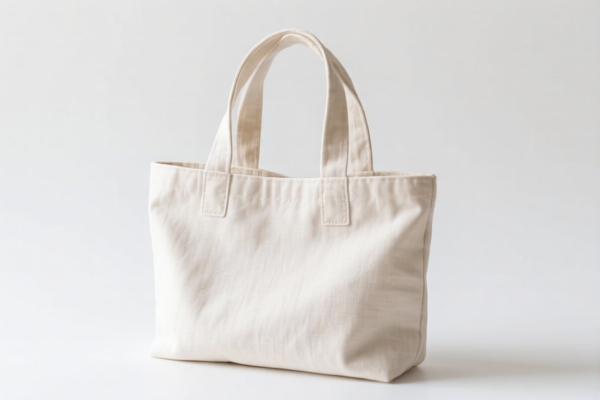
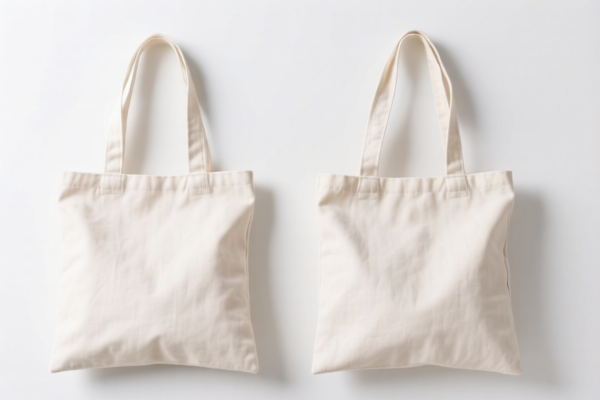
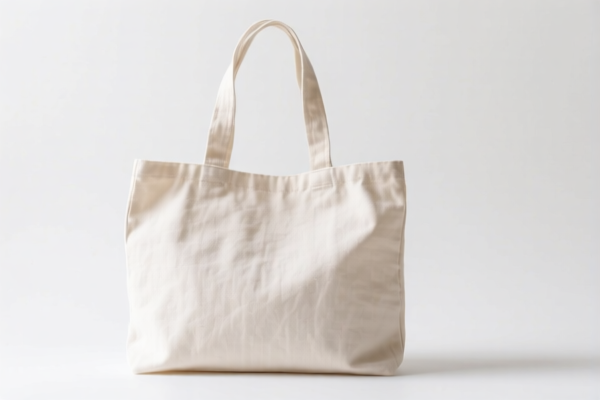
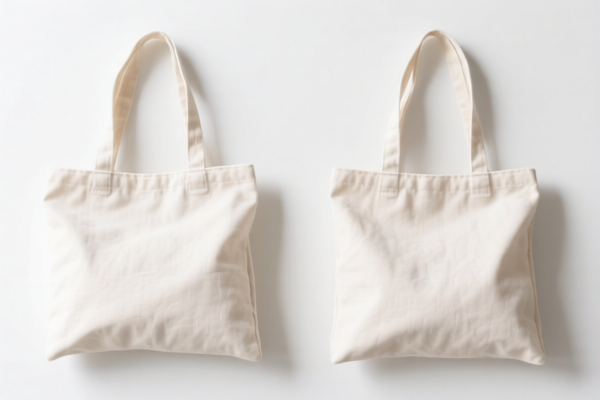
AI Analysis
👜 Cotton Handbag (Minimalist Style) – Ultimate HS Code & Customs Clearance Guide
🌐 HS Code Reference & Customs Strategy | 2026 Latest Tariff Analysis | Professional Clearance Protocol 📌 I. Product Definition & Classification: Do You Really Know "Cotton Handbags"?
A Cotton Handbag (Minimalist Style) is a versatile accessory designed for daily use, characterized by its breathable cotton material and clean, uncluttered aesthetic. In international trade, the classification depends heavily on the specific composition, structure, and intended use of the bag.
The ambiguity often lies in distinguishing between: 1. Standard Handbags (Chapter 42): Bags with specific shapes, handles, and linings, primarily made of textile materials (like cotton). 2. Other Made-up Textile Articles (Chapter 63): General textile products that do not fit the specific definition of "handbags" in Chapter 42, or are classified as "other" textile goods.
⚠️ Key Distinction Point: - If the bag has a specific shape, handles, and is recognized as a "handbag" or "pouch" under Chapter 42 → It falls under 4202. - If the bag is a simple made-up article without specific handbag characteristics, or is classified as a general textile item → It falls under 6307.
📦 II. HS Code Classification Details (2026 Latest Tariff Authoritative Comparison)
| HS Code | Product Description | Applicable Scenario | Material/Structure Note |
|---|---|---|---|
4202.22.89.30 |
Cotton handbags, classified by material and form | Standard cotton handbags with handles, specific shapes | ✅ Classified as "Handbags" (Chapter 42) |
4202.22.45.00 |
Cotton handbags, classified by material and form | Cotton handbags, specific sub-category for cotton | ✅ Classified as "Handbags" (Chapter 42) |
6307.90.98.82 |
Cotton-made finished bags, fits cotton attribute | General cotton finished bag articles, not strictly "handbags" | ✅ Classified as "Other Textile Articles" (Chapter 63) |
6307.90.98.91 |
Cotton other finished bags, fits textile article attribute | Other cotton made-up goods, general textile classification | ✅ Classified as "Other Textile Articles" (Chapter 63) |
🔍 Key Reminder: - Chapters 42 vs. 63: Chapter 42 covers "Articles of leather; saddle harness and harness... bags." Chapter 63 covers "Other made up textile articles." - If the product is explicitly a "handbag" with handles and a structured form, 4202 is the primary choice. - If the product is a soft, unstructured cotton pouch or bag that doesn't meet the specific definition of a "handbag" in Chapter 42, 6307 may apply, often with lower base tariffs.
💰 III. 2026 Latest Tariff Rate Detail (Including Surtax & Policy Surcharges)
✅ Applicable Country: United States (US)
✅ Origin: China (CN)
✅ Effective Time: Current rates include Section 301 and Section 232 implications.
🎯 1. 4202.22.89.30 —— Cotton Handbags (Chapter 42)
| Item | Content |
|---|---|
| Base Tariff | 17.6% (Ad Valorem) |
| Section 301 Surtax | +25.0% (USITC Footnote for China-origin goods) |
| Section 122 Surtax | +10.0% (Specific trade action surtax) |
| Total Tariff Rate | 52.6% |
| Tax Calculation | CIF Value × 52.6% |
| De Minimis Exemption | ❌ Not Eligible (High tax rate excludes $800 threshold benefit) |
| Legal Basis Path | USITC:4202.22.89.30 → SECTION301:25% → SECTION122:10% |
📌 Explanation: - "Base Tariff 17.6%": The standard Most Favored Nation (MFN) rate for general handbags of textile materials. - "Section 301 Surtax 25%": Additional tariff imposed on Chinese goods under the US Trade Act of 1974. - "Section 122 Surtax 10%": Additional surtax applied to specific goods. - Total 52.6%: This is a very high tariff burden. It significantly impacts profit margins.
🎯 2. 4202.22.45.00 —— Cotton Handbags (Chapter 42, Specific Sub-category)
| Item | Content |
|---|---|
| Base Tariff | 6.3% (Ad Valorem) |
| Section 301 Surtax | +25.0% (USITC Footnote for China-origin goods) |
| Section 122 Surtax | +10.0% (Specific trade action surtax) |
| Total Tariff Rate | 41.3% |
| Tax Calculation | CIF Value × 41.3% |
| De Minimis Exemption | ❌ Not Eligible |
| Legal Basis Path | USITC:4202.22.45.00 → SECTION301:25% → SECTION122:10% |
📌 Note: - This HS code has a lower base rate (6.3%) compared to
4202.22.89.30, but the surcharges remain the same. - Total 41.3% is still high, but 11.3% lower than the other Chapter 42 option. - Optimization Tip: If your product qualifies for this sub-category, it offers significant cost savings.
🎯 3. 6307.90.98.82 —— Cotton-Made Finished Bags (Chapter 63)
| Item | Content |
|---|---|
| Base Tariff | 7.0% (Ad Valorem) |
| Section 301 Surtax | +7.5% (Reduced surtax for Chapter 63 goods in some contexts) |
| Section 122 Surtax | +10.0% (Specific trade action surtax) |
| Total Tariff Rate | 24.5% |
| Tax Calculation | CIF Value × 24.5% |
| De Minimis Exemption | ❌ Not Eligible |
| Legal Basis Path | USITC:6307.90.98.82 → SECTION301:7.5% → SECTION122:10% |
📌 Key Insight: - Significant Savings: The total tariff is 24.5%, which is ~17% lower than
4202.22.45.00and ~28% lower than4202.22.89.30. - Why Lower?: The Section 301 surtax for this sub-category is only +7.5% instead of 25%. This is a critical differentiator. - Risk: Misclassifying a Chapter 42 handbag as Chapter 63 can lead to customs audits, penalties, and back taxes.
🎯 4. 6307.90.98.91 —— Cotton Other Finished Bags (Chapter 63)
| Item | Content |
|---|---|
| Base Tariff | 7.0% (Ad Valorem) |
| Section 301 Surtax | +7.5% (Reduced surtax for Chapter 63 goods) |
| Section 122 Surtax | +10.0% (Specific trade action surtax) |
| Total Tariff Rate | 24.5% |
| Tax Calculation | CIF Value × 24.5% |
| De Minimis Exemption | ❌ Not Eligible |
| Legal Basis Path | USITC:6307.90.98.91 → SECTION301:7.5% → SECTION122:10% |
📌 Note: - Identical tariff structure to
6307.90.98.82. - Use this code for bags that are "other" made-up textile articles, not strictly defined as "handbags" or "pouches" in Chapter 42.
🛠️ IV. Customs Clearance Practical Advice (Real-World Pitfall Avoidance)
✅ 1. Preparation Checklist (Mandatory Documents)
| Document | Required | Notes |
|---|---|---|
| ✅ Product Specification Sheet | ✔️ | Detail material composition (100% Cotton? Cotton blend?), dimensions, weight. |
| ✅ Product Photos (Front/Back/Interior) | ✔️ | Must clearly show handles, lining, and lack of rigid structure (if claiming Chapter 63). |
| ✅ Commercial Invoice | ✔️ | Clearly state "Cotton Handbag" or "Cotton Pouch." Avoid vague terms like "Textile Bag." |
| ✅ Packing List | ✔️ | Include net/gross weight. |
| ✅ Certificate of Origin (CO) | ✔️ | Essential for proving China origin and applying surtaxes correctly. |
| ✅ Bill of Lading/Air Waybill | ✔️ | Standard shipping document. |
✅ 2. Declaration Strategy (Key Mnemonic)
🔥 "Structure Matters: Chapter 42 for Handles, Chapter 63 for Soft Goods!"
| Scenario | Correct Declaration | Wrong Declaration | Consequence |
|---|---|---|---|
| Structured Handbag with Handles | 4202.22.45.00 or 4202.22.89.30 |
6307.90.98.82 |
Under-declaration penalty, back taxes + fines. |
| Soft Cotton Pouch/Bag (No Handles) | 6307.90.98.82 or 6307.90.98.91 |
4202.22.45.00 |
Over-payment of tax (41.3% vs 24.5%). |
| Mixed Materials (Cotton + Leather Trim) | 4202.22.45.00 (if leather > 50% or defines character) |
6307.90.98.82 |
Risk of reclassification to leather handbags (higher tax). |
| Cotton Tote Bag (Large, Soft) | 6307.90.98.82 |
4202.22.89.30 |
Over-paying 28% in tax. |
✅ 3. Special Case Handling
| Case | Handling Advice |
|---|---|
| OEM Custom Design | Provide design sketches showing handles and structure. If handles are integral to the bag's form, Chapter 42 is more likely. |
| Soft Tote vs. Handbag | "Handbags" in Chapter 42 typically have handles and a specific shape. "Totes" or "Pouches" may fall under Chapter 63 if they lack rigid structure. Consult a customs broker for gray areas. |
| Lining Material | If the lining is leather, the entire bag may be classified as a leather handbag (Chapter 42), increasing tax. Ensure lining is textile if targeting Chapter 63. |
| Minimalist Style | Emphasize "soft structure," "unlined," or "fabric only" in description to support Chapter 63 classification if applicable. |
🌍 V. Global Market Clearance Comparison (2026 Latest)
| Country/Region | Recommended HS Code | Tariff | Certification | Notes |
|---|---|---|---|---|
| 🇺🇸 USA | 6307.90.98.82 (if eligible) |
24.5% (vs 41.3-52.6%) | None specific | Critical to avoid Section 301 25% surtax by correct classification. |
| 🇨🇳 China | 6307.90.98.82 |
7.0% | None | Low tariff for export. |
| 🇪🇺 EU | 6307.90.98.82 |
12% | CE (if for consumer safety) | No Section 301 equivalent, but general MFN applies. |
| 🇬🇧 UK | 6307.90.98.82 |
12% | UKCA | Post-Brexit rules apply. |
| 🇯🇵 Japan | 6307.90.98.82 |
11% | None | Competitive rate. |
📌 Conclusion: - USA is the critical market due to the Section 301 and Section 122 surtaxes. - Chapter 63 (6307) offers a ~17% tax saving compared to Chapter 42 if the product qualifies as a "general textile article" rather than a "handbag." - Misclassification Risk: High. Customs may argue that any bag with handles is a "handbag" (Chapter 42). Document the product's softness and lack of rigid structure to support Chapter 63.
📌 VI. Common Mistakes & Pitfall Guide (Lessons Learned)
❌ Mistake 1: Assuming all "bags" are "handbags" under Chapter 42.
👉 Result: Paying 41.3-52.6% instead of 24.5%.
Fix: Analyze structure. If it's a soft pouch or tote without rigid form, consider Chapter 63.
❌ Mistake 2: Misdeclaring material composition.
👉 Result: If cotton is mixed with leather, it may be classified as a leather bag (higher tax).
Fix: Specify "Cotton" clearly and ensure leather content is minimal or absent.
❌ Mistake 3: Ignoring Section 122 Surtax.
👉 Result: Underestimating total cost.
Fix: Always include the 10% Section 122 surtax in cost calculations for China-origin goods.
❌ Mistake 4: Using "Bag" as the product name.
👉 Result: Customs ambiguity leads to delays.
Fix: Use "Cotton Handbag" or "Cotton Pouch" and provide detailed photos.
✅ Correct Approach:
"Cotton Tote Bag, Unlined, Soft Structure, No Rigid Handles, 100% Cotton, Model ABC"
🎯 VII. Conclusion: Professional Declaration, Save Time, Reduce Costs!
🎯 Remember the Mnemonic:
🔹 "Handles & Shape = Chapter 42 (Tax ~41-52%)
🔹 Soft & General = Chapter 63 (Tax ~24.5%)
🔹 Section 301 is the Killer, Section 122 is the Add-on!
📌 Tips:
- If your "Minimalist Cotton Handbag" is a soft tote or pouch, aggressively pursue Chapter 63 classification to save ~17% in tariffs.
- If it is a structured handbag with defined handles, accept Chapter 42 and optimize for
4202.22.45.00(41.3%) over4202.22.89.30(52.6%).- Always consult a customs broker for pre-classification rulings to mitigate risk.
📣 Immediate Action:
📞 Contact a licensed customs broker + Provide product photos + Request HS Code Pre-ruling
🚀 Ensure your cotton handbag clears customs efficiently, legally, and cost-effectively!
✨ Professional Clearance Starts with Accurate Classification!
💼 Every Percent of Tariff Saved is Pure Profit!
Customer Reviews
About HS Code Classification
The Harmonized System (HS) is an internationally standardized nomenclature developed by the World Customs Organization (WCO) to classify traded products. Over 200 countries use the HS system as the basis for customs tariffs, trade statistics, and import/export regulations.
Each HS code follows a hierarchical structure:
- Chapter (2 digits) — Broad category of goods (e.g., Chapter 84: Machinery and Mechanical Appliances)
- Heading (4 digits) — More specific grouping within the chapter
- Subheading (6 digits) — Internationally standardized breakdown, used by all WCO member countries
- National subdivisions (8-10 digits) — Country-specific extensions for further classification, such as US HTSUS 10-digit codes
Correct HS code classification is essential for smooth customs clearance, accurate duty payment, and compliance with trade regulations. Misclassification can lead to customs delays, overpayment of duties, or penalties.
When importing from CN to US, the applicable tariff rates may include:
- Most-Favored-Nation (MFN) rate — The standard duty rate applied to WTO members
- General rate — Applied to countries without trade agreements
- Trade remedy duties — Additional tariffs such as Section 301 (anti-dumping), Section 232 (national security), or countervailing duties
The information provided on this page is for reference purposes only. For official classification, please consult with your local customs authority or a licensed customs broker.