Cotton Handbag Large Capacity
CN → US| HS Code | Tariff Rate | Origin | Destination | Doc |
|---|---|---|---|---|
| 6305200000 | 23.7% | CN | US | Official Doc |
| 6305900000 | 23.7% | CN | US | Official Doc |
| 4202926091 | 41.3% | CN | US | Official Doc |
Product Images
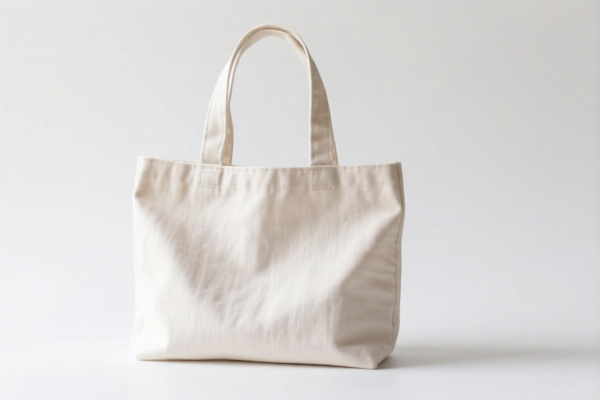
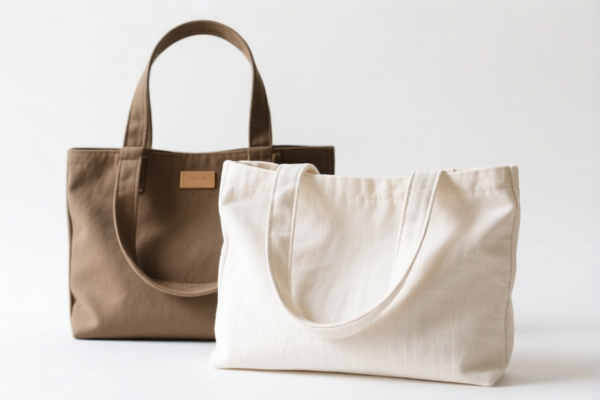
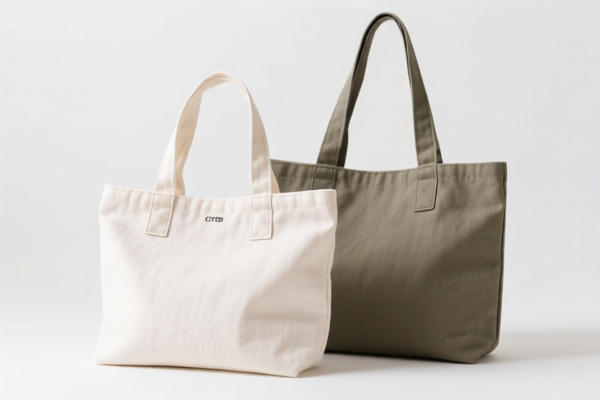
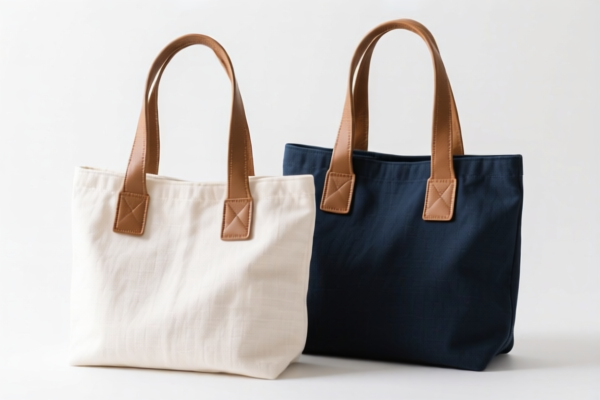
AI Analysis
👜 Large Capacity Cotton Canvas Handbag (The "Tote" Dilemma)
🌐 HS Code Reference & Customs Clearance Guide | 2026 Latest Tariff Analysis | Professional Import Strategy
📌 Part 1: Product Definition & Classification: Do You Truly Understand the "Canvas Bag"?
A Large Capacity Cotton Handbag (often referred to as a Canvas Tote or Shopping Bag) is a versatile accessory used for daily commuting, shopping, and light travel. In international trade, the classification hinges on material composition and structural definition.
However, under US Customs regulations, the distinction between "Textile Bags" and "Luggage/Bags of Chapter 42" is critical and often misunderstood.
⚠️ Key Distinction Point:
- If the bag is primarily made of textile materials (cotton/linen) and fits the specific chapter heading for "Sacks and Bags" →归入 Chapter 63 (HS 6305)
- If the bag is considered a "Bag with outer surface of textile materials" but structured more like a general-purpose handbag/luggage item, it may fall under Chapter 42 (HS 4202).
- ⚠️ Warning: Chapter 42 items face significantly higher tariffs (25% Section 301 duty) compared to Chapter 63 items. Misclassification can cost you ~17-18% more in duties!
📦 Part 2: HS Code Classification Details (2026 Latest Tariff Authority Comparison)
Based on the provided data, here are the three possible HS Codes for a Cotton/Linen Canvas Bag:
| HS Code | Product Description | Applicable Scenario | Duty Impact |
|---|---|---|---|
6305.20.00.00 |
Sacks and bags, of cotton | Pure cotton or cotton-dominant fabric bags, simple structure (e.g., shopping totes) | 🟢 Lower Risk (Base 6.2%) |
6305.90.00.00 |
Sacks and bags, of other textile materials | Blended cotton/linen or non-cotton textile bags | 🟢 Lower Risk (Base 6.2%) |
4202.92.60.91 |
Articles of apparel and clothing accessories, incl. bags, of man-made fibers or textile materials | Bags structured as "general handbags/totes" with significant non-textile components (hardware, leather trim, structured lining) | 🔴 High Risk (Base 6.3% + 25% Section 301) |
🔍 Critical Reminder:
- HS 6305 covers "Sacks and Bags" used for packaging or simple carrying. If your bag is a simple canvas tote, this is likely the correct, cheaper classification.
- HS 4202 covers "Luggage, handbags, etc." If the bag has a rigid structure, leather handles, or is marketed as a fashion handbag rather than a "sack/bag," US Customs may reclassify it to Chapter 42, triggering the 25% Additional Duty.
- Do not assume all fabric bags go to 6305. Structure matters!
💰 Part 3: 2026 Latest Tariff Rate Breakdown (Including Additional Duties & Policy Surcharges)
✅ Applicable Country: United States (US)
✅ Origin: China (CN)
✅ Effective Time: 2025/2026 (Current Trade Policy)
🎯 1. 6305.20.00.00 & 6305.90.00.00 —— Textile Sacks/Bags (Cotton/Other Textile)
| Item | Content |
|---|---|
| Base Tariff | 6.2% |
| Section 301 Additional Duty | +7.5% (USITC Footnote for Chapter 63) |
| Section 122 Tariff | +10% (Specific provision for certain textile/cotton goods) |
| Total Tariff Rate | 23.7% |
| Tax Calculation | CIF Value × 23.7% |
| De Minimis Eligibility | ❌ NO (Must be formally entered; < $800 de minimis does NOT apply if Section 122/301 duties are triggered) |
| Legal Basis Path | USITC:6305.20.00.00 → Section 301: 7.5% → Section 122: 10% |
📌 Explanation:
- The 23.7% total rate is a combination of Base Duty (6.2%) + Section 301 (7.5%) + Section 122 (10%).
- Section 122 is a specific authority often used against certain textile imports from China.
- This is still cheaper than Chapter 42 (which totals 41.3%).
🎯 2. 4202.92.60.91 —— General Bags of Textile Materials (Fashion/Structured)
| Item | Content |
|---|---|
| Base Tariff | 6.3% |
| Section 301 Additional Duty | +25.0% (High Penalty Rate) |
| Section 122 Tariff | +10% |
| Total Tariff Rate | 41.3% |
| Tax Calculation | CIF Value × 41.3% |
| De Minimis Eligibility | ❌ NO |
| Legal Basis Path | USITC:4202.92.60.91 → Section 301: 25% → Section 122: 10% |
📌 Warning:
- The 25% Section 301 Duty on Chapter 42 goods is the main reason to avoid this classification if possible.
- If your "Cotton Handbag" is deemed a "handbag" (fashion item) rather than a "sack/bag" (utility item), you will pay 41.3% instead of 23.7%.
- Difference: 17.6% extra duty! On a $10,000 shipment, that’s $1,760 more in taxes.
🛠️ Part 4: Customs Clearance Practical Advice (Avoid Pitfalls)
✅ 1. Documentation Checklist (Must-Have)
| Document | Required | Explanation |
|---|---|---|
| ✅ Product Specification Sheet | ✔️ | Must state: "100% Cotton Canvas" or "Cotton/Linen Blend". Avoid vague terms like "Fabric". |
| ✅ Product Photos | ✔️ | Clear images showing: No leather trim, no rigid structure, simple design (supports 6305 classification). |
| ✅ Composition Label | ✔️ | Photo of the care label showing fiber content. |
| ✅ Commercial Invoice | ✔️ | Description must be precise: e.g., "Canvas Shopping Bag, Cotton, 100%, No Hardware" |
| ✅ Packing List | ✔️ | Standard packing. |
| ✅ Certificate of Origin | ✔️ | To prove origin (China). |
✅ 2. Classification Strategy (Key Tips)
🔥 "Simplicity is Key: Avoid Fashion Features for Chapter 63!"
| Scenario | Correct HS Code | Risk |
|---|---|---|
| Simple Canvas Tote (No handles, or simple fabric handles, no lining) | 6305.20.00.00 |
✅ Low |
| Canvas Bag with Fabric Handles | 6305.20.00.00 or 6305.90.00.00 |
✅ Low |
| Canvas Bag with Leather Trim/Rigid Structure/Zippers | 4202.92.60.91 |
🔴 High (41.3%) |
| "Tote Bag" marketed as Fashion Accessory | 4202.92.60.91 |
🔴 High (41.3%) |
📌 Note:
- If the bag has zippers, buttons, or leather patches, Customs is more likely to classify it under Chapter 42.
- To qualify for Chapter 63 (6305), the bag should be a simple "sack or bag" primarily for carrying goods, not a fashion accessory.
✅ 3. Special Case Handling
| Situation | Handling Advice |
|---|---|
| OEM Custom Bags | Provide design sketches. If design is simple, argue for 6305. |
| Mixed Materials | If >50% cotton, argue for 6305.20. If linen blend, 6305.90. |
| Small Quantities (De Minimis) | ❌ Do NOT rely on De Minimis ($800 rule). Section 301 and Section 122 duties apply regardless of value. Formal entry is required. |
🌍 Part 5: Global Market Comparison (2026 Update)
| Country/Region | Recommended HS Code | Tariff Rate | Note |
|---|---|---|---|
| 🇺🇸 USA | 6305.20.00.00 |
23.7% | Avoid 4202 (41.3%) |
| 🇨🇳 China (Import) | 6305.20.00.00 |
~6-10% | Lower duties for importing in |
| 🇪🇺 EU | 6305.20.00.00 |
0% (if cotton) | No Section 301 |
| 🇬🇧 UK | 6305.20.00.00 |
0% (if cotton) | Post-Brexit rules |
📌 Conclusion:
- USA is the most expensive market due to Section 301 and Section 122.
- EU/UK are friendlier to textile bags.
- Always aim for 6305 when exporting to the US to save ~17.6% in duties.
📌 Part 6: Common Mistakes & Pitfalls (Lessons Learned)
❌ Mistake 1: Classifying a structured handbag with leather handles as "Cotton Bag" (6305)
👉 Consequence: Customs reclassifies to 4202 → Extra 17.6% duty + penalties.
❌ Mistake 2: Assuming "De Minimis" ($800) applies to cotton bags
👉 Consequence: De Minimis does NOT apply to Section 301/122 goods → Shipment held, formal entry required, fines for non-compliance.
❌ Mistake 3: Vague description: "Cotton Bag"
👉 Consequence: Customs may choose the higher-duty code (4202) due to lack of clarity → 41.3% tax.
✅ Correct Practice:
"Canvas Tote Bag, 100% Cotton, Simple Design, No Leather Trim, For General Carrying, Model XYZ"
🎯 Part 7: Conclusion: Smart Classification, Cost Savings!
🎯 Remember the Mantra:
🔹 "Simple Canvas = 6305 (23.7%). Fashion Bag = 4202 (41.3%)."
🔹 "Section 122 & 301 are inevitable, but misclassification is costly!"
📌 Pro Tip:
- Pre-clearance Ruling: For large shipments, request an Advance Ruling from US Customs to confirm 6305 classification.
- Design Control: Keep designs simple (no leather, no rigid frames) to support 6305 classification.
- Supplier Communication: Ensure your supplier’s invoice matches your HS Code description.
📣 Action Required:
📞 Consult your Customs Broker before shipping.
📦 Prepare detailed product specs showing simple design.
🚀 Save 17.6% in duties by classifying correctly!
✨ Professional Clearance Starts with Precise Classification!
💼 Every Percent Matters in Global Trade!
Customer Reviews
About HS Code Classification
The Harmonized System (HS) is an internationally standardized nomenclature developed by the World Customs Organization (WCO) to classify traded products. Over 200 countries use the HS system as the basis for customs tariffs, trade statistics, and import/export regulations.
Each HS code follows a hierarchical structure:
- Chapter (2 digits) — Broad category of goods (e.g., Chapter 84: Machinery and Mechanical Appliances)
- Heading (4 digits) — More specific grouping within the chapter
- Subheading (6 digits) — Internationally standardized breakdown, used by all WCO member countries
- National subdivisions (8-10 digits) — Country-specific extensions for further classification, such as US HTSUS 10-digit codes
Correct HS code classification is essential for smooth customs clearance, accurate duty payment, and compliance with trade regulations. Misclassification can lead to customs delays, overpayment of duties, or penalties.
When importing from CN to US, the applicable tariff rates may include:
- Most-Favored-Nation (MFN) rate — The standard duty rate applied to WTO members
- General rate — Applied to countries without trade agreements
- Trade remedy duties — Additional tariffs such as Section 301 (anti-dumping), Section 232 (national security), or countervailing duties
The information provided on this page is for reference purposes only. For official classification, please consult with your local customs authority or a licensed customs broker.