Cotton Handbag Wallet
CN → US| HS Code | Tariff Rate | Origin | Destination | Doc |
|---|---|---|---|---|
| 4202329100 | 52.6% | CN | US | Official Doc |
| 4202329300 | 52.6% | CN | US | Official Doc |
| 6305900000 | 23.7% | CN | US | Official Doc |
| 6305200000 | 23.7% | CN | US | Official Doc |
| 4202926091 | 41.3% | CN | US | Official Doc |
Product Images
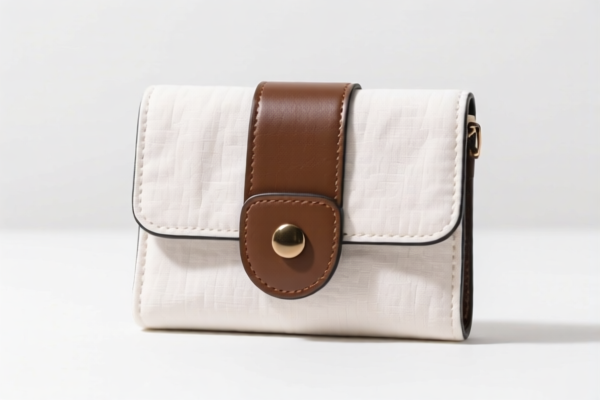
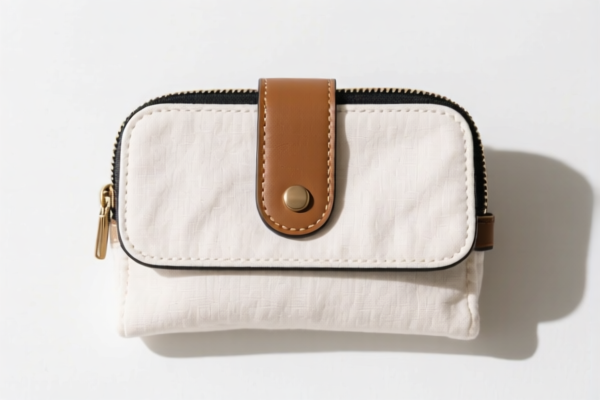
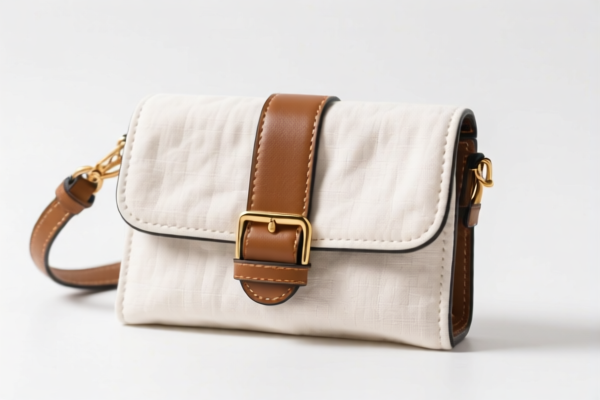
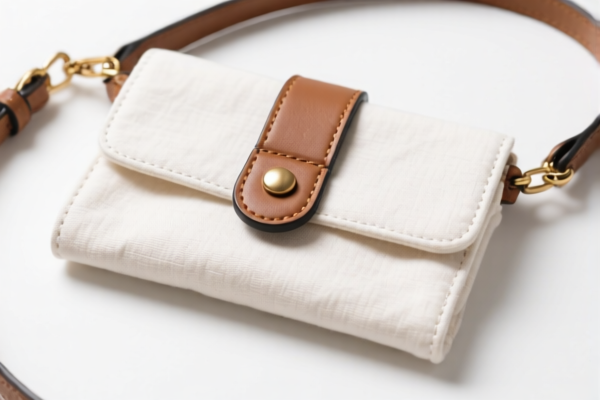
AI Analysis
👜 Cotton Handbag Wallet: HS Code Classification & Customs Clearance Guide
🌐 HS Code Reference & Customs Strategy | 2026 Latest Tariff Analysis | Professional-Level Clearance Tactics
📌 I. Product Definition & Classification: Do You Really Understand "Cotton Wallets"?
A "Cotton Handbag Wallet" typically refers to small leather-goods-style items (wallets, cardholders, key pouches) or small carrying bags made primarily from cotton fabric. In international trade, the classification depends heavily on:
- Material Composition: Is it 100% cotton? Or blended (e.g., cotton-linen)?
- Form/Function: Is it a rigid wallet for coins/cards? Or a soft bag for loose items?
- Manufacturing Process: Is it assembled like a wallet (with zippers, snaps, dividers)? Or sewn like a simple pouch?
⚠️ Key Distinction Point:
- If it is a small container for carrying personal items (coins, cards, keys) and resembles a wallet → It is classified under Chapter 42 (Articles of Leather; Travel Goods, Handbags).
- If it is a soft bag/pouch not designed for structured wallet use (e.g., a drawstring pouch, tote-style mini-bag) → It may be classified under Chapter 63 (Other Made-Up Textile Articles).
📦 II. HS Code Classification Details (2026 Latest Tariff Authority Comparison)
| HS Code | Product Description | Applicable Scenario | Material Type | Total Tax Rate (US, CN Origin) |
|---|---|---|---|---|
4202.32.91.00 |
Cotton Wallet: Material is cotton, function is for carrying items in pocket/handbag | Structured wallet, cardholder, coin purse made of cotton fabric | 100% Cotton Fabric | 52.6% |
4202.32.93.00 |
Canvas Wallet: Material is textile (including canvas), form is a container | Wallets made of canvas, heavy-duty cotton, or mixed textile materials | Textile (Canvas/Cotton Blend) | 52.6% |
6305.90.00.00 |
Cotton-Linen Drawstring Bag/Pouch: Material is cotton-linen (textile), form is a bag | Soft pouches, drawstring bags, non-structured cotton-linen bags | Cotton-Linen Blend | 23.7% |
6305.20.00.00 |
Cotton-Linen Bag/Pouch: Material contains cotton, form is a bag | Bags where cotton is a primary component, but not structured as a wallet | Cotton (Mixed) | 23.7% |
4202.92.60.91 |
Cotton-Linen Bag/Container: Material is cotton-based, form is bag/container | Semi-structured bags, mini-handbags, or fashion pouches made of cotton-linen | Cotton-Based Textile | 41.3% |
🔍 Critical Reminder:
- Wallets (Ch. 42) are subject to higher tariffs (52.6%) due to their classification as "travel goods/handbags" under HTSUS 4202.32.
- Simple Bags/Pouches (Ch. 63) may qualify for lower tariffs (23.7%~41.3%) if they are not classified as "wallets" or "handbags."
- Misclassification Risk: Declaring a structured cotton wallet as a "bag" (Ch. 63) to save tax will likely result in customs rejection, back-taxes, and penalties.
💰 III. 2026 Latest Tariff Rate Breakdown (Including Additional Duties & Policy Surcharges)
✅ Applicable Country: United States (US)
✅ Country of Origin: China (CN)
✅ Effective Date: November 10, 2025 (and subsequent imports)
🎯 1. 4202.32.91.00 & 4202.32.93.00 — Cotton & Canvas Wallets
| Item | Content |
|---|---|
| Base Rate | 17.6% (Ad Valorem) |
| Section 301 Additional Duty | +25.0% |
| Section 122 Duty | +10.0% |
| Total Tax Rate | 52.6% |
| Tax Calculation | CIF Value × 52.6% |
| De Minimis Eligibility | ❌ Not Eligible (Section 321 de minimis exemption does NOT apply to Section 301/122 goods) |
| Legal Basis Path | IEEPA:9903.01.25 → USITC:4202.32.91.00 → FOOTNOTE:9903.88.01 |
📌 Explanation:
- The 17.6% base rate is the standard MFN duty for wallets under Chapter 42.
- The 25% Section 301 duty applies to most Chinese-made leather/goods articles.
- The 10% Section 122 duty applies to certain Chinese imports under specific executive orders.
- Total: 52.6% is a very high tariff, significantly impacting profit margins.
- No de minimis exemption: Small packages (under $800) still pay these duties if classified under these codes.
🎯 2. 6305.90.00.00 & 6305.20.00.00 — Cotton-Linen Bags/Pouches
| Item | Content |
|---|---|
| Base Rate | 6.2% (Ad Valorem) |
| Section 301 Additional Duty | +7.5% |
| Section 122 Duty | +10.0% |
| Total Tax Rate | 23.7% |
| Tax Calculation | CIF Value × 23.7% |
| De Minimis Eligibility | ❌ Not Eligible |
| Legal Basis Path | IEEPA:9901.25 → USITC:6305.90.00.00 → FOOTNOTE:9903.88.01 |
📌 Note:
- These codes apply to non-wallet bags (e.g., drawstring pouches, soft storage bags).
- The base rate is much lower (6.2%) compared to wallets (17.6%).
- Section 301 duty is reduced to 7.5% for certain textile articles under Chapter 63.
- Total: 23.7% is still significant but less than half of the wallet rate.
🎯 3. 4202.92.60.91 — Cotton-Linen Bag/Container
| Item | Content |
|---|---|
| Base Rate | 6.3% (Ad Valorem) |
| Section 301 Additional Duty | +25.0% |
| Section 122 Duty | +10.0% |
| Total Tax Rate | 41.3% |
| Tax Calculation | CIF Value × 41.3% |
| De Minimis Eligibility | ❌ Not Eligible |
| Legal Basis Path | IEEPA:9901.25 → USITC:4202.92.60.91 → FOOTNOTE:9903.88.01 |
📌 Note:
- This code is for semi-structured bags that are not classified as wallets or handbags but are still under Chapter 42.
- The Section 301 duty remains 25% (full rate), leading to a higher total than Ch. 63 bags.
🛠️ IV. Customs Clearance Practical Advice (Real-World Pitfall Avoidance Guide)
✅ 1. Required Documentation Checklist (Mandatory)
| Document | Required | Explanation |
|---|---|---|
| ✅ Product Specifications | ✔️ | Includes material composition (% cotton, % linen, etc.), dimensions, closure type (zipper, snap, drawstring) |
| ✅ Product Photos (Label & Interior) | ✔️ | Must show branding, care label, and internal structure (pockets, dividers) |
| ✅ Material Declaration Letter | ✔️ | Explicitly states "100% Cotton," "Cotton-Linen Blend," etc. |
| ✅ Commercial Invoice | ✔️ | Clearly describes item as "Cotton Wallet" or "Cotton Pouch" — do not use vague terms like "Bag" |
| ✅ Packing List | ✔️ | Shows unit-by-unit packaging |
| ✅ Origin Certificate | ✔️ | If applicable, for potential trade agreements |
✅ 2. Declaration Tips (Key Mnemonic)
🔥 "Structure Defines Code: Wallet = Ch.42, Bag = Ch.63. Name It Right, Tax It Light!"
| Scenario | Correct Declaration | Incorrect Practice |
|---|---|---|
| Structured cotton wallet with zippers, coin pockets, card slots | 4202.32.91.00 (Cotton Wallet) |
Declare as "Cotton Bag" → Risk of misclassification penalty |
| Canvas wallet made of heavy textile | 4202.32.93.00 (Canvas Wallet) |
Declare as "Textile Pouch" → 52.6% vs. potential 23.7% dispute |
| Soft cotton-linen drawstring pouch (no structure) | 6305.90.00.00 or 6305.20.00.00 |
Declare as "Wallet" → Unnecessary 52.6% tax |
| Mini cotton-linen tote/handbag (semi-structured) | 4202.92.60.91 |
Declare as "Bag" → May be challenged if it resembles a handbag |
📌 Critical Insight:
- Function over form: Even if made of cotton, if it functions as a wallet, it goes to Ch. 42.
- Soft pouches without internal dividers or rigid structure can sometimes qualify for Ch. 63 (lower tax).
- Never mislabel a wallet as a "bag" to evade tax — U.S. Customs (CBP) uses photos and product features to verify.
✅ 3. Special Circumstances Handling
| Scenario | Handling Advice |
|---|---|
| OEM Custom Cotton Wallets | Provide client design sheets + material breakdown to prove classification as "wallet" vs. "bag" |
| Mixed Material (Cotton + Leather Trims) | If leather exceeds 5% by weight, may still be classified under Ch. 42 |
| Sample Shipments | Even samples are subject to duty if classified under these codes; no de minimis exemption |
| Bundled Products (Wallet + Keychain) | Declare separately; keychain may have different HTS, but wallet dominates classification |
🌍 V. Global Market Comparison (2026 Latest)
| Country/Region | Recommended HS Code | Tariff (CN Origin) | Certification | Notes |
|---|---|---|---|---|
| 🇺🇸 United States | 4202.32.91.00 / 6305.90.00.00 |
52.6% (Wallet) / 23.7% (Bag) | None required for cotton goods | High tariffs due to Section 301 & 122 |
| 🇨🇳 China | 4202.32.91.00 |
10–15% (Import Duty) | CCC (if applicable) | No Section 301; lower overall cost |
| 🇪🇺 European Union | 4202.32.91.00 |
4–6% (Standard) | CE (not required for cotton) | No Section 301; much lower tariff |
| 🇬🇧 United Kingdom | 4202.32.91.00 |
4–6% | UKCA (not required for cotton) | Post-Brexit tariff remains low |
| 🇦🇺 Australia | 4202.32.91.00 |
5% | RCM (not required) | No major surcharges |
📌 Conclusion:
- The US is the ONLY market imposing severe additional tariffs (35% extra) on cotton wallets/bags from China.
- EU, UK, Australia, and China have significantly lower duties, making them more cost-effective markets.
- Strategy: If selling primarily to the US, consider reclassifying soft pouches as Ch. 63 where legally justified, or adjust pricing to absorb 52.6% tax.
📌 VI. Common Errors & Pitfalls (Lessons from Blood & Tears)
❌ Mistake 1: Declaring a structured cotton wallet as a "Cotton Bag" (Ch. 63) to save tax
👉 Consequence: CBP rejects declaration, imposes 52.6% back-taxes + penalties + storage fees!
❌ Mistake 2: Using vague descriptions like "Textile Accessory"
👉 Consequence: Customs assigns worst-case HTS code → Higher tariff + delays!
❌ Mistake 3: Ignoring Section 122 Duty
👉 Consequence: Even if you understand Section 301, forgetting the 10% Section 122 leads to underpayment!
❌ Mistake 4: Assuming de minimis ($800) applies
👉 Consequence: All shipments under these HS codes are subject to full duty, regardless of value!
✅ Correct Practice:
"100% Cotton Wallet, Zippered, 10 Card Slots, Model XYZ" →
4202.32.91.00
"Cotton-Linen Drawstring Pouch, No Structure, Model ABC" →6305.90.00.00
🎯 VII. Conclusion: Precision Classification Saves Money!
🎯 Key Takeaways:
🔹 "Wallet = Ch.42 (52.6%), Soft Bag = Ch.63 (23.7%). Know the difference!"
🔹 "No De Minimis for China-Origin Goods under these Codes — Plan for Full Duty!"
🔹 "Section 301 (25%) + Section 122 (10%) + Base Duty = High Cost. Optimize Classification Where Legal!"
📌 Pro Tip:
If your product is 51% cotton, 49% linen, and has no wallet structure, it may qualify for
6305.90.00.00(23.7%) instead of4202.32.91.00(52.6%).
Recommendation: Obtain a Customs Ruling before bulk shipment to confirm classification.
📣 Immediate Action:
📞 Consult a licensed customs broker + Provide product photos + Apply for HTSUS Pre-Ruling
🚀 Ensure your cotton handbag wallet clears US customs smoothly, avoids costly penalties, and maximizes profit!
✨ Professional Clearance Starts with Accurate Classification!
💼 Every dollar of tax saved is a dollar of profit earned!
Customer Reviews
About HS Code Classification
The Harmonized System (HS) is an internationally standardized nomenclature developed by the World Customs Organization (WCO) to classify traded products. Over 200 countries use the HS system as the basis for customs tariffs, trade statistics, and import/export regulations.
Each HS code follows a hierarchical structure:
- Chapter (2 digits) — Broad category of goods (e.g., Chapter 84: Machinery and Mechanical Appliances)
- Heading (4 digits) — More specific grouping within the chapter
- Subheading (6 digits) — Internationally standardized breakdown, used by all WCO member countries
- National subdivisions (8-10 digits) — Country-specific extensions for further classification, such as US HTSUS 10-digit codes
Correct HS code classification is essential for smooth customs clearance, accurate duty payment, and compliance with trade regulations. Misclassification can lead to customs delays, overpayment of duties, or penalties.
When importing from CN to US, the applicable tariff rates may include:
- Most-Favored-Nation (MFN) rate — The standard duty rate applied to WTO members
- General rate — Applied to countries without trade agreements
- Trade remedy duties — Additional tariffs such as Section 301 (anti-dumping), Section 232 (national security), or countervailing duties
The information provided on this page is for reference purposes only. For official classification, please consult with your local customs authority or a licensed customs broker.